Pohjois-Karjala
· FI

Pohjois-Karjala

Pohjois-Karjala, Finland

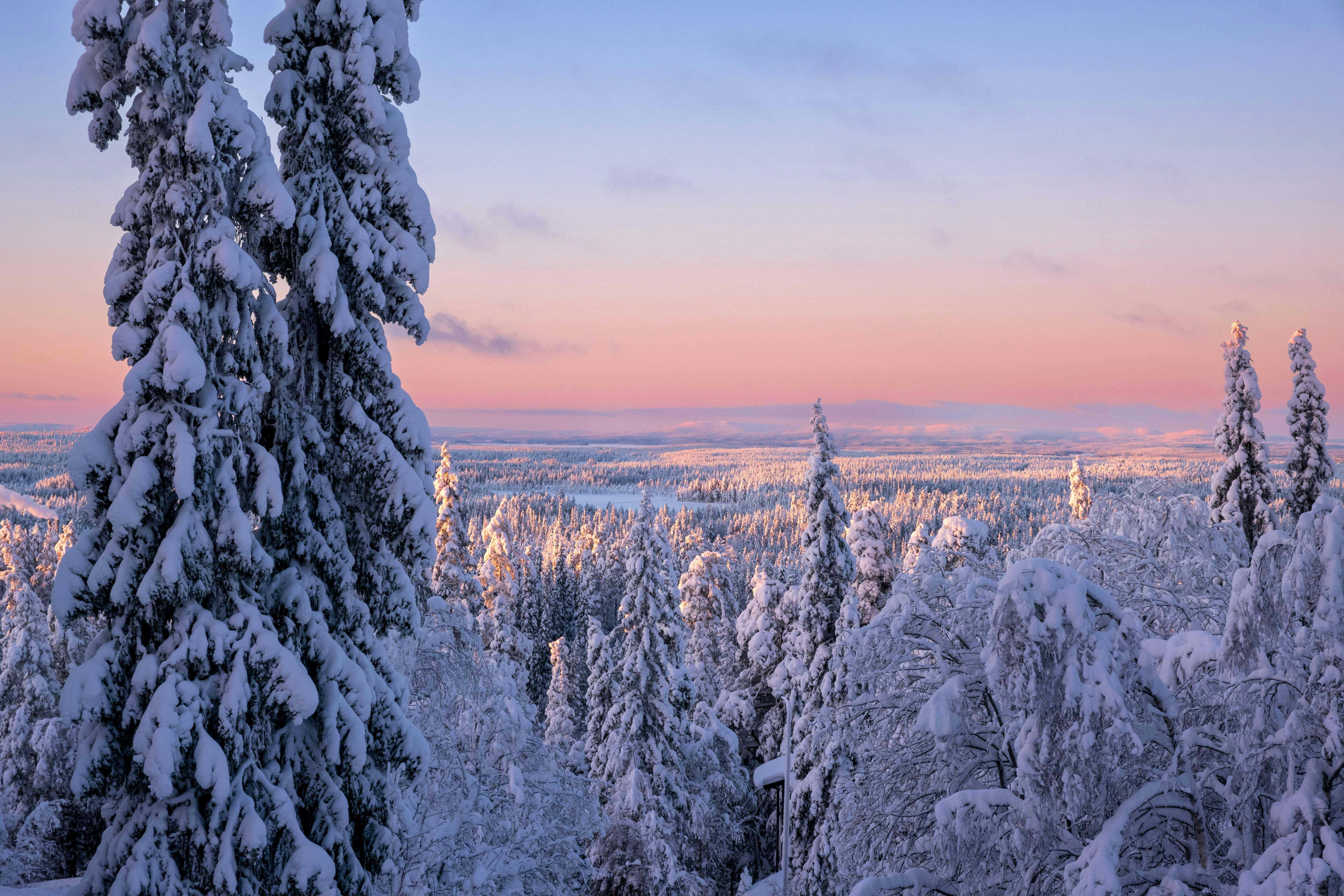
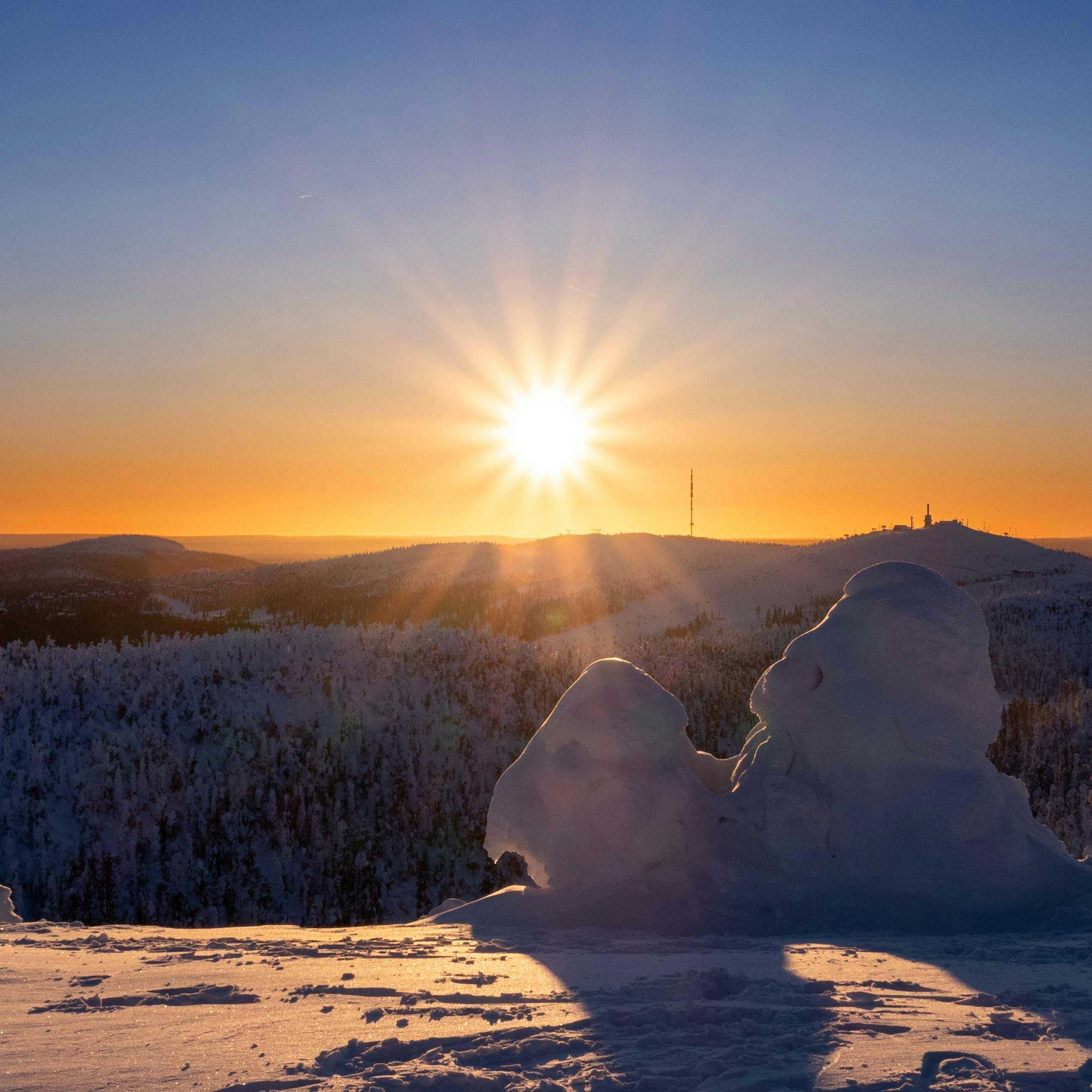
Escape to the Wild Beauty of Pohjois-Karjala, Finland Craving pristine nature, authentic Finnish culture, and experiences that stay with you long after you've left? Look no further than Pohjois-Karjala, a region in Easte…

#Northern Finland#Karelia region#Nature#Lakes#Outdoor activities
1/8

Top hotels & flights

Hand-picked stays and the best fares into Pohjois-Karjala.

Top Hotels in Pohjois-Karjala

Top Flights to Pohjois-Karjala

Popular activities

Tours, tickets and experiences travelers book most in Pohjois-Karjala.

Tours

Joensuu Art Museum

Visit the regional museum featuring historic and contemporary art exhibitions.

Punkaharju Ridge

Discover the scenic Punkaharju Ridge, a national landscape with picturesque views and historical significance.

Hermanni Winery Visit

Taste local wines and learn about winemaking in this unique northern winery.

Old Mine Tour at Outokumpu

Explore the historic Outokumpu mine and learn about its mining heritage.

Lieksa Historical Church Walk

Stroll through the historic churches of Lieksa, rich in architecture and history.

Shopping

Joensuu Market Square

Shop for local goods, crafts, and food items at the vibrant Joensuu Market Square.

Outdoor

Koli National Park Hiking

Explore the breathtaking landscapes of Koli National Park, featuring scenic trails and panoramic views from Ukko-Koli hill.

Ruunaa Rapids Rafting

Adventure through the rapids of Ruunaa, suitable for both beginners and experts.

Nightless Night Experience

Embrace the unique experience of the summer 'night' under the Midnight Sun.

Location videos

Real reels from travelers, plus longer watches to get the full picture.

From travelers
Watch & explore

Practical info

The essentials for planning your time in Pohjois-Karjala.

Currency
€ | EUR | Euro
Population
The approximate estimated total population of Pohjois-Karjala, Finland, is around 161,000.
Languages
Finnish, Russian, Karelian

Local guide

What travelers love, what to watch for, and a deeper read on Pohjois-Karjala.

What people love

Pohjois-Karjala, located in eastern Finland, offers a range of unique experiences and attractions for travelers. Some pros of traveling to Pohjois-Karjala include:

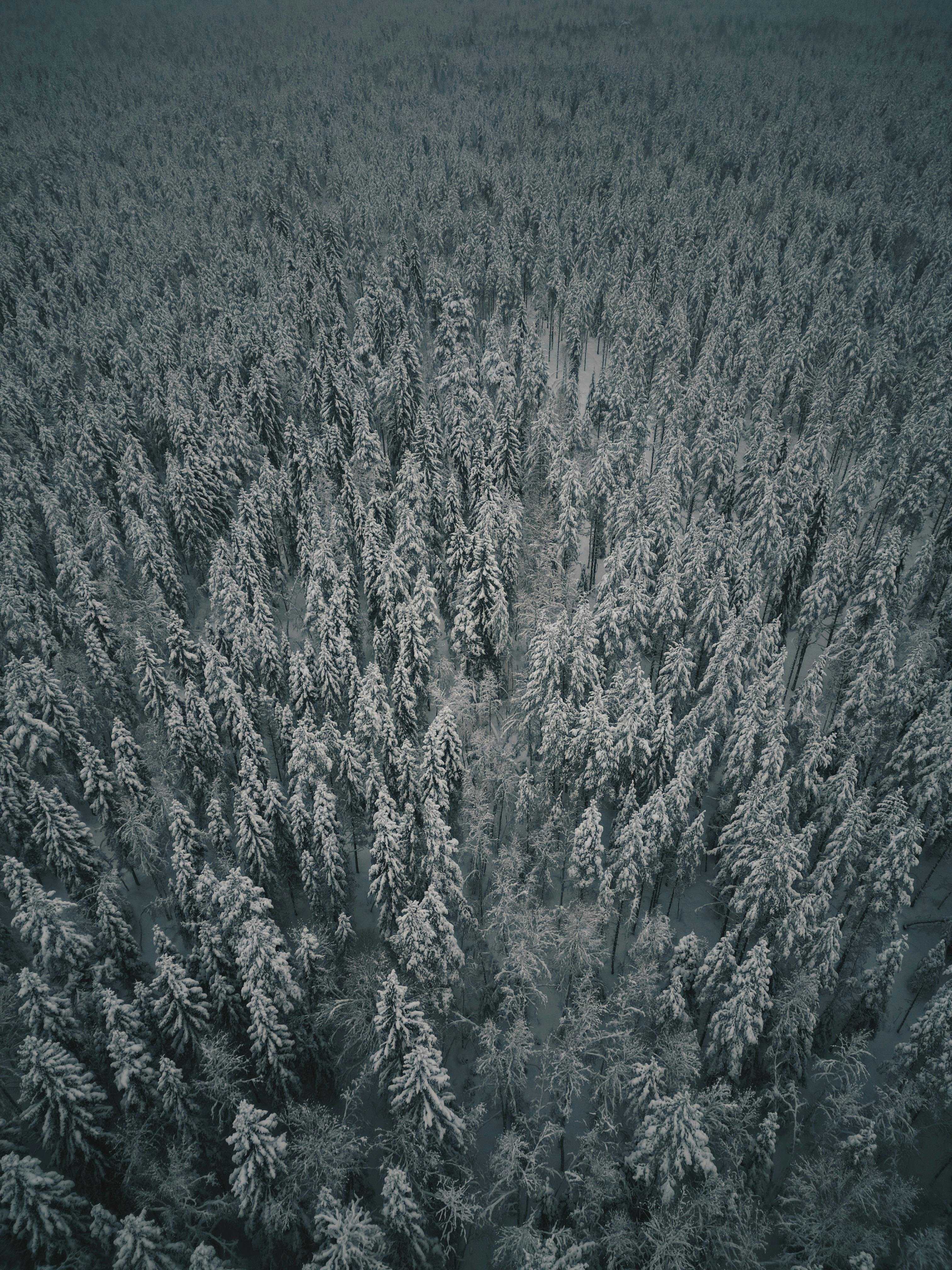
  1. Beautiful Nature: Pohjois-Karjala is known for its stunning natural landscapes, including lakes, forests, and national parks. Visitors can enjoy hiking, fishing, and wildlife watching in this picturesque region.

  2. Outdoor Activities: The area offers a wide range of outdoor activities, such as skiing, snowmobiling, and kayaking, making it an ideal destination for adventure seekers and nature lovers.

  3. Cultural Heritage: Pohjois-Karjala has a rich cultural heritage, with traditional Finnish villages, historic sites, and museums showcasing the region's history and traditions.

  4. Local Cuisine: Travelers can enjoy delicious Finnish cuisine in Pohjois-Karjala, with local specialties such as smoked fish, reindeer meat, and berry desserts. Foodies will appreciate the farm-to-table dining options available in the region.

  5. Peaceful Atmosphere: Pohjois-Karjala is known for its tranquil and peaceful atmosphere, making it a perfect destination for those seeking relaxation and a break from the hustle and bustle of city life.

Overall, traveling to Pohjois-Karjala offers a unique opportunity to explore the natural beauty, outdoor activities, cultural heritage, and local cuisine of eastern Finland.

What to know

Pohjois-Karjala, located in Finland, is a beautiful region with a lot to offer travelers. However, like any destination, there are some potential cons to consider:

  1. Remote Location: Pohjois-Karjala is a relatively remote region in Finland, which means that transportation options may be limited and it may take longer to reach popular tourist attractions or major cities.

  2. Weather: Finland is known for its cold winters and short summers. Pohjois-Karjala, being in the eastern part of the country, can experience even colder temperatures and harsher weather conditions compared to other regions. This may not be ideal for travelers who prefer warmer climates.

  3. Limited Tourist Infrastructure: While Pohjois-Karjala has plenty of natural beauty and outdoor activities, it may not have as many tourist amenities or facilities compared to more popular destinations in Finland. This could mean fewer accommodation options, restaurants, and attractions.

  4. Language Barrier: While many Finns speak English, especially in tourist areas, you may encounter some language barriers in more remote regions like Pohjois-Karjala. It's always a good idea to learn some basic Finnish phrases or have a translation app handy.

  5. Seasonal Variation: Pohjois-Karjala experiences distinct seasons, which can affect the availability of certain activities and attractions. Some outdoor activities may be limited during the winter months, while others may be more popular in the summer.

Overall, Pohjois-Karjala is a unique and beautiful destination worth exploring, but it's important to consider these potential cons before planning your trip.

Pohjois-Karjala, also known as North Karelia, is a region in eastern Finland. It has a rich history and cultural heritage that reflects the broader historical developments of Finland and the Karelian area. Here is a detailed overview of its history, significant events, historical figures, and landmarks:

Historical Overview

  1. Early History and Settlement:

    • The area now known as Pohjois-Karjala has been inhabited since prehistoric times. Archaeological findings suggest that the region was settled soon after the last Ice Age, around 8000 BC.
    • Over centuries, the indigenous Sámi people were gradually displaced by Karelian tribes who migrated from the east.
  2. Medieval Period:

    • During the medieval period, North Karelia came under the influence of both Sweden and Novgorod (a medieval Russian state), as these powers vied for control over the region.
    • The Treaty of Nöteborg in 1323 was one of the first attempts to demarcate borders between Sweden and Novgorod, affecting Karelia's boundaries.
  3. Swedish Rule:

    • Following the Treaty of Teusina in 1595, much of Karelia, including the northern part, came under Swedish control. The region was part of the Swedish Kingdom until the early 19th century.
    • The Great Northern War (1700–1721) and subsequent conflicts led to shifts in control, but the Treaty of Nystad in 1721 finally ceded parts of Karelia to Russia.
  4. Russian Rule:

    • After the Finnish War (1808–1809), Finland, including North Karelia, became an autonomous Grand Duchy under Russian rule.
    • This period saw significant cultural and economic development in the region. The population began to grow, and industries such as forestry became prominent.
  5. Independence and Modern Era:

    • Finland declared independence from Russia in 1917, and North Karelia became an integral part of the new nation.
    • The region was affected by the Winter War (1939–1940) and the Continuation War (1941–1944) between Finland and the Soviet Union. Although North Karelia remained within Finnish borders, it suffered from wartime destruction and displacement.

Significant Events

  • Karelianism Movement:

    • In the late 19th and early 20th centuries, the Karelianism movement emerged, which romanticized the Karelian culture and landscape. This movement influenced Finnish art, literature, and national identity.
  • Pohjois-Karjala Project:

    • In the 1970s, North Karelia was the focus of a pioneering public health initiative designed to reduce cardiovascular disease risk factors. The project is internationally recognized for its success in improving public health outcomes.

Historical Figures

  • Elias Lönnrot (1802–1884):

    • Though not from North Karelia, Lönnrot's work, particularly compiling the "Kalevala," the Finnish national epic, drew heavily on Karelian oral traditions and had a profound impact on Finnish culture.
  • Eero Järnefelt (1863–1937):

    • A Finnish painter associated with the Karelianism movement, Järnefelt's works often depict the Karelian landscape and people.

Important Landmarks

  • Koli National Park:

    • Known for its stunning landscapes, Koli has been a source of inspiration for Finnish artists and nature lovers. Its hills and lakes offer panoramic views and are part of Finnish national heritage.
  • The Orthodox Church of Joensuu:

    • Reflecting the region's historical ties with Russian Orthodoxy, this church is a significant cultural and religious landmark.
  • Pielinen Lake:

    • One of the largest lakes in Finland, Pielinen offers natural beauty and recreational opportunities, contributing to the region's tourism.

Pohjois-Karjala's history is a tapestry of cultural influences and historical events that have shaped its identity as a unique part of Finland.