
Podkarpackie
State · Poland

Podkarpackie

Podkarpackie, Poland

Discover the Untamed Beauty of Podkarpackie, Poland Escape the ordinary and embrace the unexpected in Podkarpackie, a region in southeastern Poland…

#Eastern Europe#Rural#Mountains#Cultural#Poland

Explore Podkarpackie

Top cities in Podkarpackie

Pick a city to open its guide.

See it for yourself

Location videos

Reels and longer watches.

Watch & explore

Good to know

Practical info

Weather, costs and getting around.

Podkarpackie, Poland Open in Google Maps
Currency
zł | PLN | Polish Złoty
Population
2.1 million
Languages
Polish mainly · Ukrainian
Budget / day
zł300 - zł1200
Also known as
Województwo podkarpackie, Subcarpathian Voivodeship

Know before you go

Local guide

A deeper read on Podkarpackie.

What people love

Podkarpackie Voivodeship, located in southeastern Poland, offers a unique travel experience with a variety of attractions and activities for visitors to enjoy. Here are some pros of traveling to Podkarpackie:

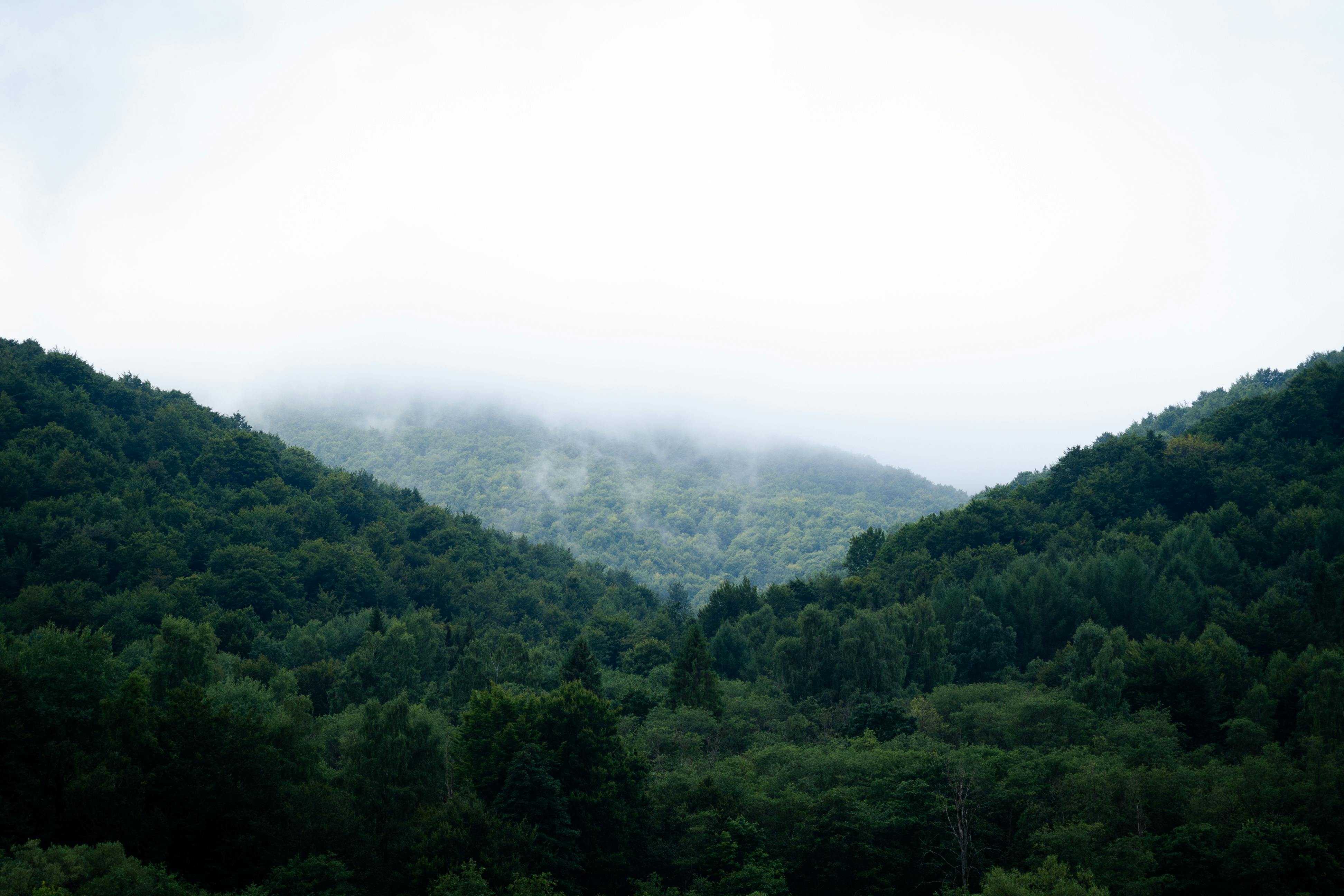
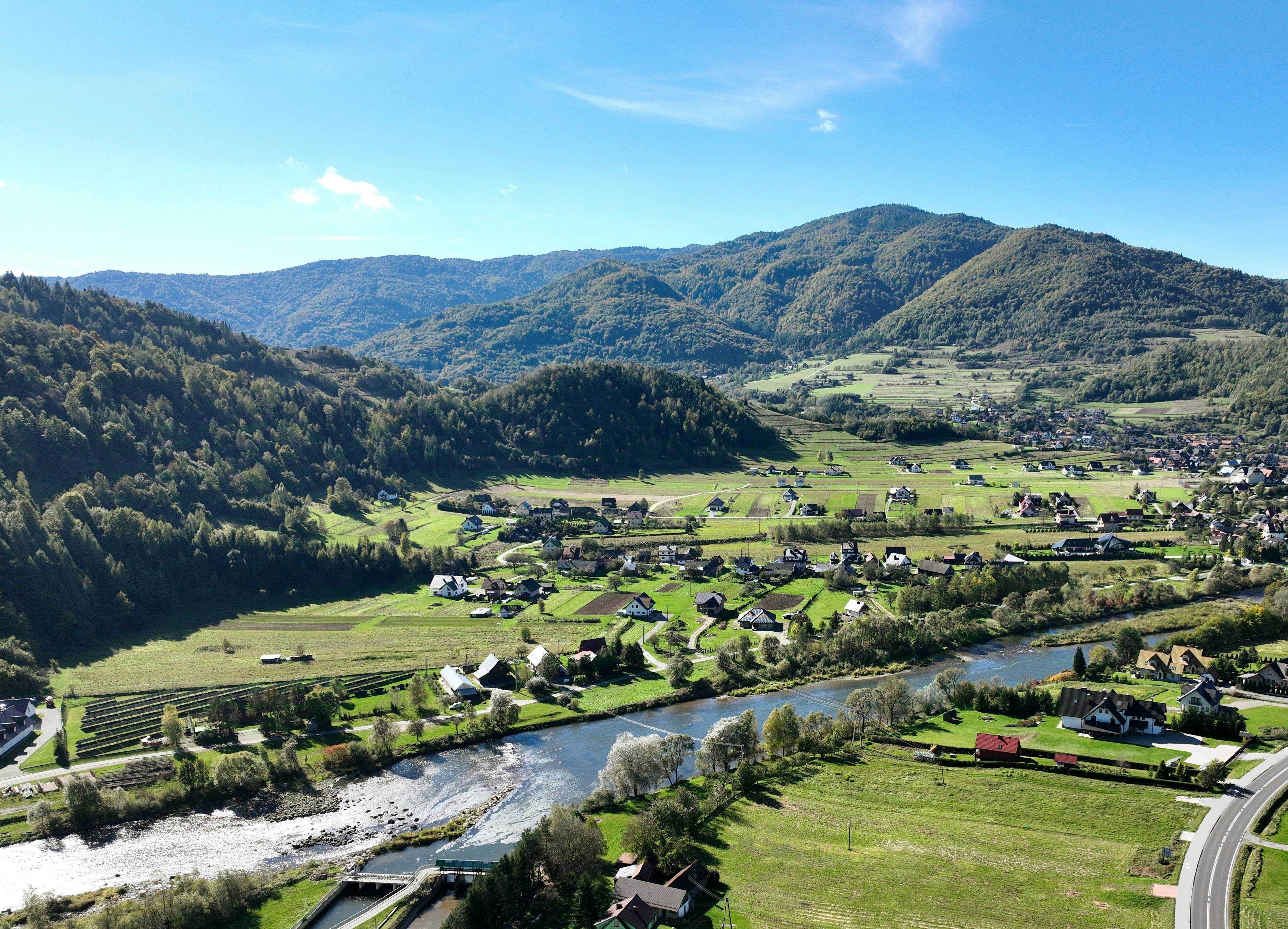
  1. Natural beauty: Podkarpackie is known for its stunning natural landscapes, including the Bieszczady Mountains, the San River Valley, and the beautiful Solina Lake. Outdoor enthusiasts can explore these areas through hiking, biking, and water activities.

  2. Rich history and culture: The region is home to numerous historic sites, including medieval castles, wooden churches, and traditional villages. Visitors can learn about the region's history and culture by exploring museums, galleries, and attending traditional events and festivals.

  3. Unique architecture: Podkarpackie is known for its wooden architecture, with many historic buildings and churches constructed using traditional techniques. The region's wooden churches, in particular, are a UNESCO World Heritage Site and are a must-see for architecture enthusiasts.

  4. Delicious cuisine: Podkarpackie offers a variety of traditional dishes and local specialties for visitors to try. From pierogi (dumplings) to kielbasa (sausage) to regional cheeses and pastries, foodies will find plenty to enjoy in the region.

  5. Thermal spas and wellness retreats: Podkarpackie is home to several thermal spas and wellness retreats, offering visitors the opportunity to relax and rejuvenate in natural mineral waters and spa treatments.

Overall, traveling to Podkarpackie offers a blend of natural beauty, rich history, unique architecture, delicious cuisine, and relaxation opportunities, making it a great destination for those looking for an authentic Polish experience.

What to know

Some potential cons of traveling to Podkarpackie in Poland could include:

  1. Limited infrastructure: Podkarpackie is a more rural region of Poland, so you may encounter limited public transportation options or infrastructure compared to more urban areas.

  2. Language barrier: English may not be as widely spoken in Podkarpackie as in major cities like Warsaw or Krakow, so communication may be more challenging.

  3. Limited tourist amenities: Podkarpackie may have fewer tourist amenities such as restaurants, hotels, and entertainment options compared to more popular tourist destinations in Poland.

  4. Seasonal weather: Depending on the time of year you visit, Podkarpackie may experience extreme weather conditions such as heavy snowfall in winter or hot temperatures in summer.

  5. Limited tourist attractions: While Podkarpackie has beautiful natural landscapes and cultural sites, it may have fewer tourist attractions compared to other regions in Poland.

It's important to note that individual experiences may vary, and some travelers may find the rural charm and tranquility of Podkarpackie to be a positive aspect of their trip.

Podkarpackie, or Podkarpackie Voivodeship, is a region located in the southeastern part of Poland. It is known for its rich history, cultural heritage, and natural beauty. Here's a detailed history of Podkarpackie, highlighting significant events, historical figures, and important landmarks:

Early History

  • Prehistoric Times: The area now known as Podkarpackie has been inhabited since prehistoric times. Archaeological findings indicate the presence of ancient cultures, including the Lusatian culture.

  • Medieval Period: During the early Middle Ages, the region was part of the early Polish state under the Piast dynasty. It was a frontier region, often contested by neighboring powers.

The Kingdom of Poland

  • 14th Century: The region became more integrated into the Kingdom of Poland during the reign of Casimir III the Great, who established administrative structures and promoted settlement.

  • 15th and 16th Centuries: Podkarpackie prospered during this time, with the development of towns and trade routes. It was a part of the Lesser Poland Province of the Polish Crown.

The Polish-Lithuanian Commonwealth

  • Union of Lublin (1569): The formation of the Polish-Lithuanian Commonwealth marked a period of relative stability and prosperity. The region was known for its agriculture and crafts.

  • 17th Century: Podkarpackie was affected by the Deluge, a series of wars and invasions, including the Swedish invasion, which devastated the area.

The Partitions of Poland

  • Late 18th Century: During the partitions of Poland, Podkarpackie was annexed by the Habsburg Monarchy and became part of the Austrian Empire, specifically the province of Galicia.

19th Century and Early 20th Century

  • Galician Autonomy: In the late 19th century, Galicia, including Podkarpackie, gained a degree of autonomy within the Austro-Hungarian Empire. This period saw cultural and economic development.

  • World War I: The region was a theater of military operations during World War I, suffering significant destruction.

Interwar Period and World War II

  • Second Polish Republic: After World War I, Podkarpackie became part of the newly re-established Polish state. The interwar period was marked by economic challenges and ethnic tensions.

  • World War II: Podkarpackie was occupied by Nazi Germany. The region endured severe hardships, including the Holocaust and the destruction of Jewish communities.

Post-War Period

  • Communist Era: After World War II, Podkarpackie was part of the People's Republic of Poland. The communist regime implemented industrialization policies, though the region remained largely rural.

  • Solidarity Movement: The 1980s saw significant support for the Solidarity movement, contributing to the eventual fall of communism in Poland.

Modern Era

  • Post-1989: With the fall of communism, Podkarpackie underwent economic transformation and modernization. It joined the European Union in 2004 as part of Poland.

Important Landmarks and Historical Figures

  • Łańcut Castle: A well-preserved Baroque residence known for its impressive interiors and park.

  • Krasiczyn Castle: Renowned for its unique Renaissance architecture.

  • The Bieszczady Mountains: A natural landmark offering scenic beauty and outdoor activities.

  • Rzeszów: The capital of Podkarpackie, known for its vibrant cultural scene and historical sites like the Rzeszów Castle.

  • Ignacy Łukasiewicz: A notable historical figure from the region, credited with inventing the modern kerosene lamp and contributing to the development of the oil industry.

Podkarpackie today is a vibrant region that balances its historical heritage with modern development, attracting tourists and preserving its cultural identity.