
Pest
State · Hungary

Pest

Pest, Hungary

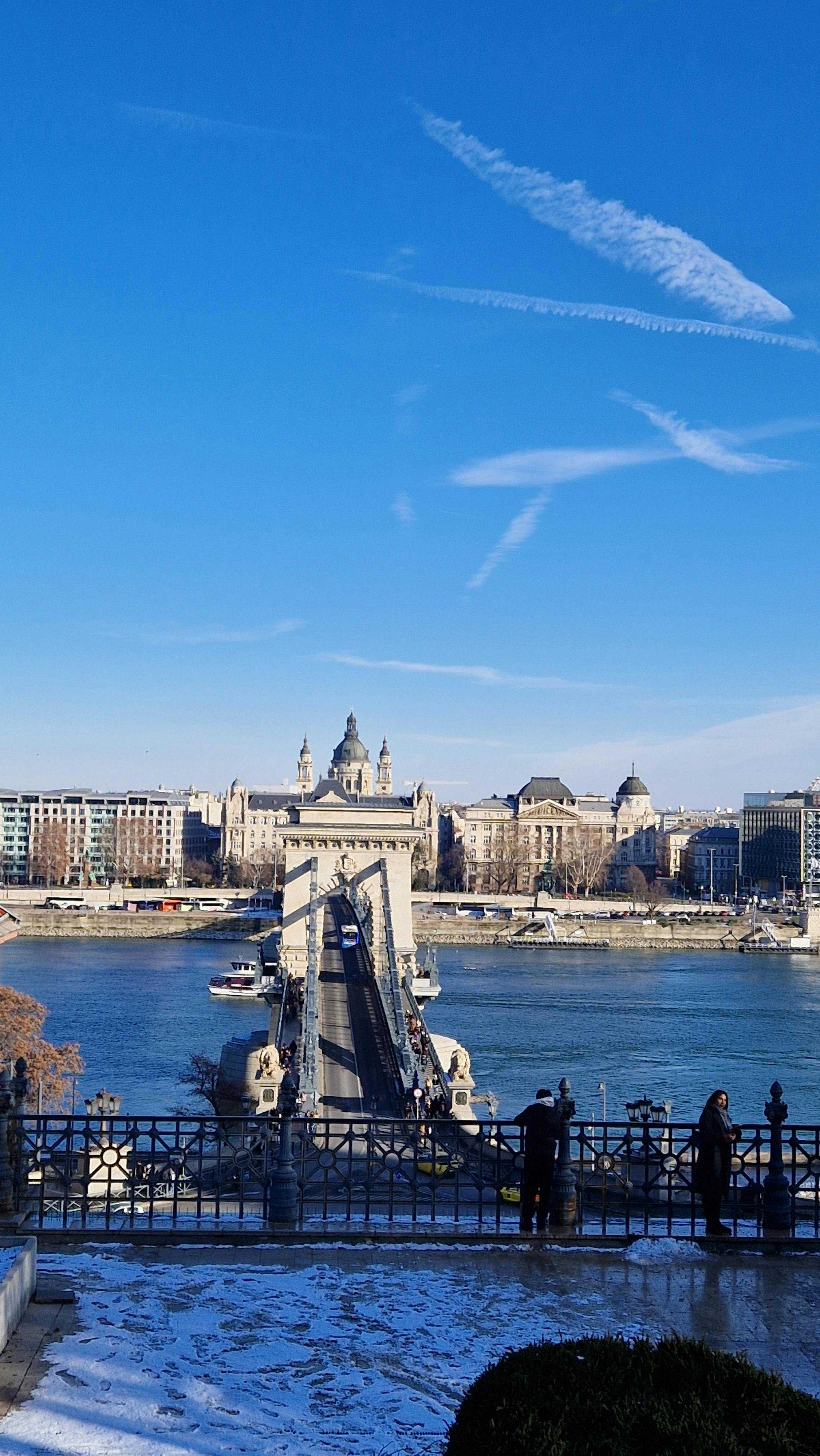
Budapest Beckons: Discover the Charm of Pest While technically no longer its own city, Pest, the eastern half of Budapest divided by the majestic…

#Pest#Hungary#Historic#Cultural#Danube River

Explore Pest

Top cities in Pest

Pick a city to open its guide.

See it for yourself

Location videos

Reels and longer watches.

Featured for Pest

Traveller clips picked out for this place.

Watch & explore

Good to know

Practical info

Weather, costs and getting around.

Pest, Hungary Open in Google Maps
Currency
Ft | HUF | Hungarian Forint
Population
Not Available
Languages
Hungarian mainly · Croatian, German, English, Romanian, Slovak
Also known as
Buda, Budapest, Pest-Buda, Óbuda, Óbuda-Buda

Know before you go

Local guide

A deeper read on Pest.

What people love

Pest is actually one half of the Hungarian capital, Budapest, along with Buda. Here are some pros of traveling to Pest:

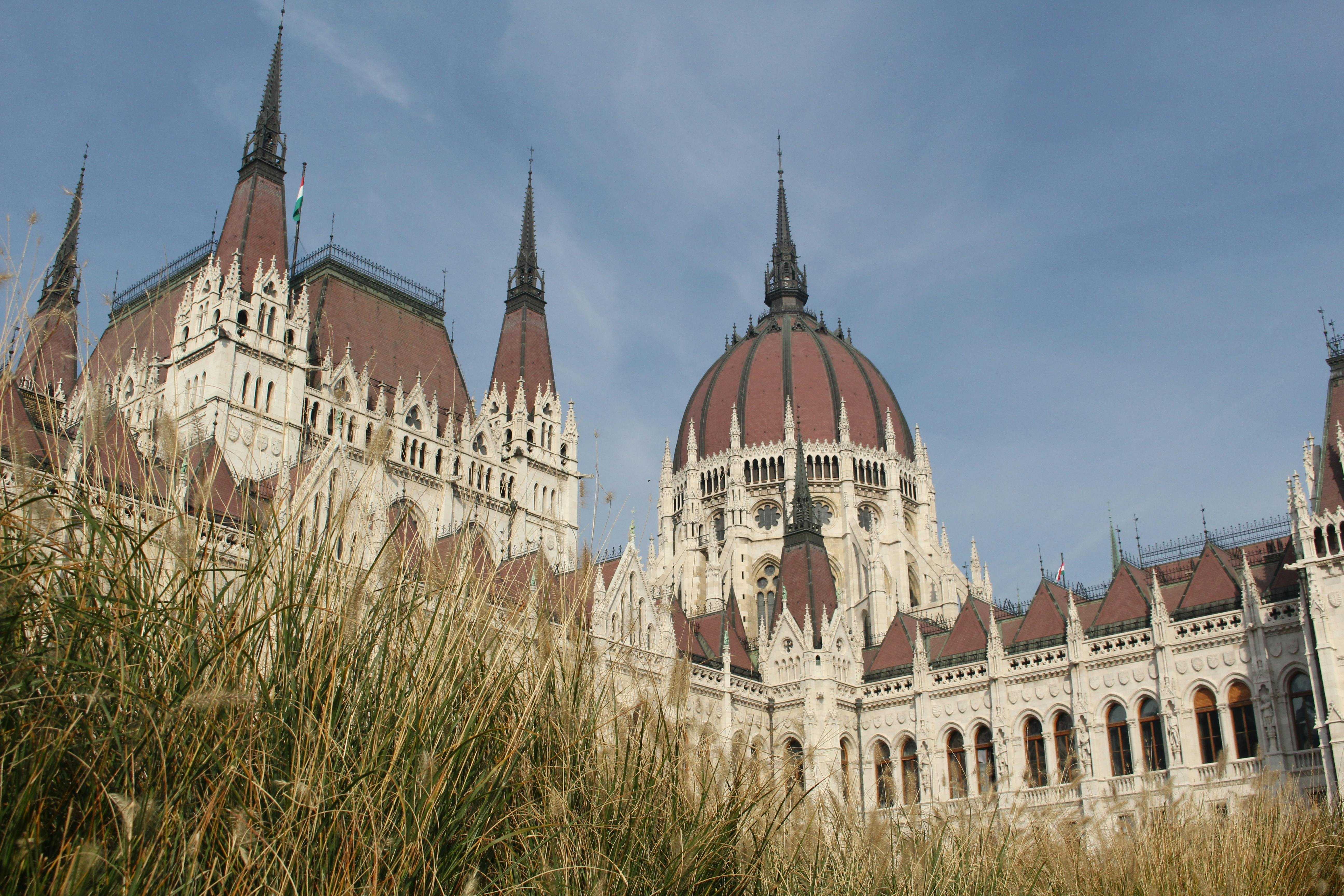
  1. Rich history and culture: Pest is home to numerous historical landmarks, museums, and cultural attractions. Visitors can explore iconic sites such as the Hungarian Parliament Building, St. Stephen's Basilica, and the Great Market Hall.

  2. Vibrant nightlife: Pest is known for its lively nightlife scene with a wide range of bars, clubs, and restaurants. The famous ruin pubs, such as Szimpla Kert, offer a unique experience for visitors looking to enjoy a night out in Budapest.

  3. Thermal baths: Budapest is renowned for its thermal baths, and Pest is home to several popular options such as the Széchenyi Thermal Bath and Gellért Thermal Bath. These relaxing spa facilities are perfect for unwinding and rejuvenating after a day of sightseeing.

  4. Shopping opportunities: Pest boasts a variety of shopping districts where visitors can find everything from traditional Hungarian souvenirs to designer brands. Váci Street is a popular shopping destination lined with shops, cafes, and restaurants.

  5. Accessibility: Pest is well-connected by public transportation, making it easy for travelers to explore the city and surrounding areas. The metro, trams, and buses provide convenient options for getting around Budapest.

Overall, traveling to Pest offers a mix of history, culture, entertainment, and relaxation, making it a popular destination for tourists visiting Hungary.

What to know

Pest is actually one of the two main parts of Budapest, the capital city of Hungary, along with Buda. There are some potential cons to consider when traveling to Pest:

  1. Tourist crowds: Pest, being a popular tourist destination, can get quite crowded especially during peak tourist seasons. This may lead to long lines at popular attractions, crowded public transportation, and difficulty finding accommodation.

  2. Pickpocketing and scams: As with any tourist destination, there is a risk of pickpocketing and scams targeting tourists in Pest. Travelers should be cautious, especially in crowded areas and tourist hotspots.

  3. Language barrier: Hungarian is the official language in Hungary, and while many people in Pest, especially in the tourism industry, may speak English, there can still be a language barrier for some travelers. It's always helpful to learn a few basic phrases in Hungarian or have a translation app handy.

  4. Weather extremes: Pest experiences both cold winters and hot summers, so depending on the time of year you visit, you may encounter extreme weather conditions. It's important to pack accordingly and be prepared for any weather changes.

  5. Pollution: Like many capital cities, Pest may have issues with air pollution, especially during peak traffic hours. Travelers with respiratory issues may want to take this into consideration.

Overall, while Pest is a beautiful and vibrant city with much to offer, it's important to be aware of these potential cons and take necessary precautions to ensure a safe and enjoyable trip.

Pest is a part of Budapest, the capital of Hungary, located on the eastern bank of the Danube River. Its history is deeply intertwined with that of Budapest and Hungary as a whole. Here's a detailed account of its history, significant events, historical figures, and landmarks:

Early History

  • Origins: Pest's history dates back to ancient times. The area was originally settled by Celtic tribes and later became part of the Roman province of Pannonia. The Romans established a fortress and town called Aquincum, which is located in present-day northern Budapest, on the western bank of the Danube.

Middle Ages

  • Medieval Development: By the 11th century, Pest had developed into a significant medieval town. It became an important trade and market center due to its position along the Danube River.
  • Mongol Invasion: In 1241, Pest was devastated by the Mongol invasion led by Batu Khan. The town was rebuilt after the Mongols withdrew.

Ottoman Era

  • Ottoman Rule: Pest fell under Ottoman control in 1541 and remained part of the Ottoman Empire until 1686. During this period, the town experienced significant changes, including the construction of mosques and baths.

Habsburg Rule

  • Liberation and Growth: After the liberation from Ottoman rule by the Habsburg armies in 1686, Pest began to grow rapidly. It became a key economic and cultural center in the region.
  • 19th Century Development: Pest, along with Buda and Óbuda, was united to form Budapest in 1873. Pest's flat terrain allowed for expansive growth and development.

19th and 20th Centuries

  • Revolution of 1848: Pest played a significant role in the Hungarian Revolution of 1848 against Habsburg rule. Lajos Kossuth, a prominent historical figure, was a leader in this movement.
  • Industrialization: The late 19th century saw significant industrialization in Pest. The area became known for its factories, and the population grew rapidly.
  • World Wars: Pest, like the rest of Budapest, suffered during both World Wars. In World War II, the city was heavily bombed and later occupied by Soviet forces.

Post-World War II

  • Communist Era: After World War II, Hungary became a communist state under Soviet influence. Pest underwent various urban development projects during this time.
  • 1956 Hungarian Revolution: Pest was a focal point during the 1956 Hungarian Revolution against Soviet control. The revolution was eventually crushed by Soviet forces.

Modern Era

  • Post-Communist Development: Since the fall of communism in 1989, Pest has experienced significant economic and cultural revival. It is now a vibrant part of Budapest, known for its nightlife, shopping, and cultural institutions.

Important Landmarks

  • Hungarian Parliament Building: Located on the Pest side of the Danube, it is one of the most iconic buildings in Budapest.
  • St. Stephen's Basilica: A prominent church and architectural landmark in Pest.
  • Andrássy Avenue: A key boulevard in Pest, lined with beautiful historic buildings and designated a UNESCO World Heritage Site.
  • Heroes' Square: A major square in Pest, featuring statues of important national leaders and the Millennium Monument.
  • Dohány Street Synagogue: The largest synagogue in Europe, located in Pest.

Notable Figures

  • Lajos Kossuth: A key leader during the 1848 Revolution.
  • Ferenc Deák: Known as the "Wise Man of the Nation," he played a crucial role in the Austro-Hungarian Compromise of 1867.

Pest's rich history and cultural significance make it an integral part of Budapest and Hungary's national identity.