
Hungary
· HU

Hungary

Hungary

Discover Hungary: Where History Whispers and Hot Springs Soothe Hungary, a landlocked jewel in the heart of Europe, beckons travelers with a captivating blend of history, culture, and natural beauty. From the majestic Da…

#Eastern Europe#Central Europe#Danube River#Budapest#European Union
1/7

Top hotels & flights

Hand-picked stays and the best fares into Hungary.

Top Hotels in Budapest

Top Flights to Budapest

Popular activities

Tours, tickets and experiences travelers book most in Hungary.

Tours

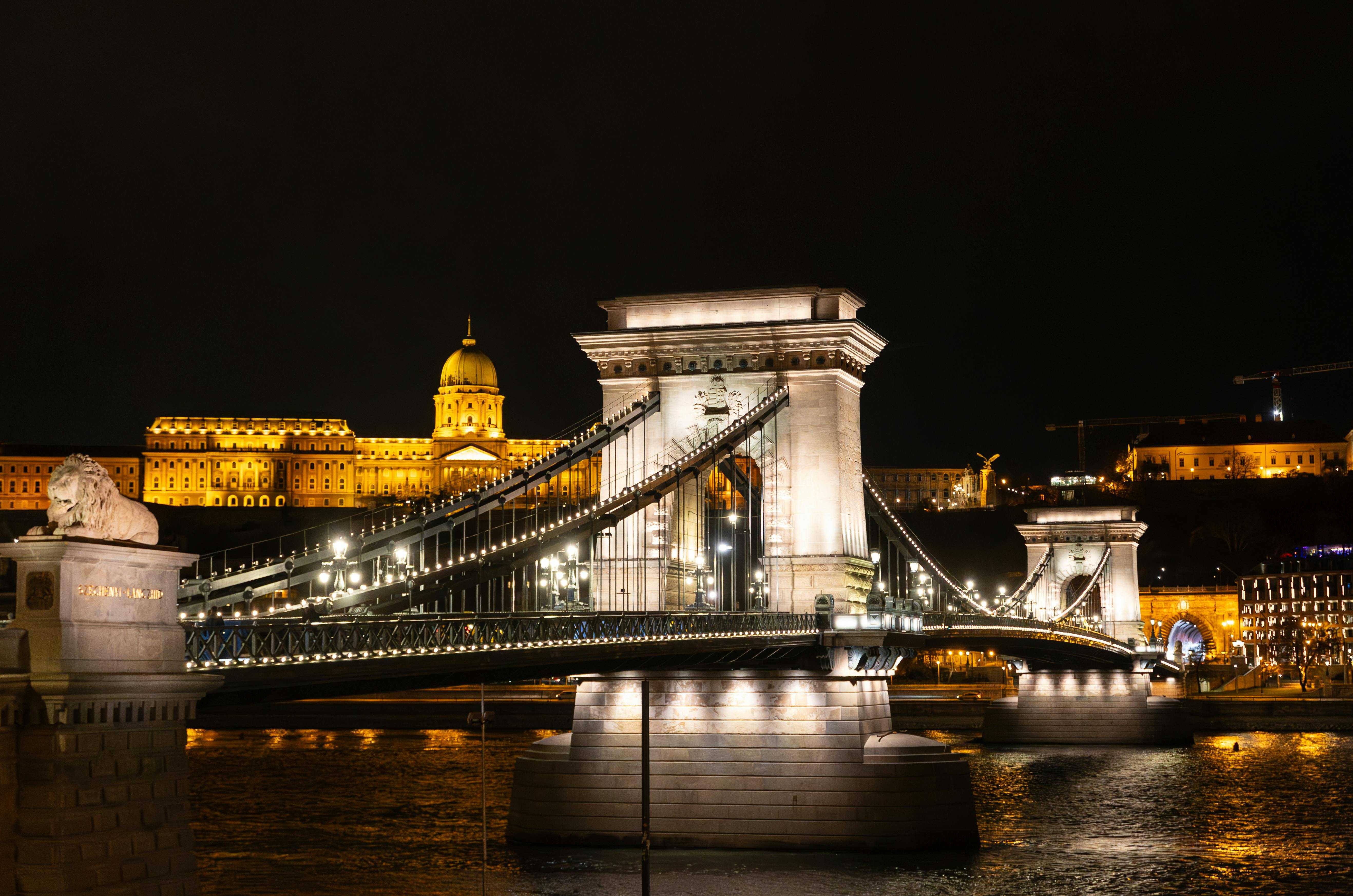
Buda Castle

A historic castle and palace complex of the Hungarian kings, located in Budapest.

Shopping

Great Market Hall

Budapest's largest and oldest indoor market.

Outdoor

Lake Balaton

The largest lake in Central Europe, known for its summer resorts.

Location videos

Real reels from travelers, plus longer watches to get the full picture.

From travelers
Watch & explore

Practical info

The essentials for planning your time in Hungary.

Currency
Ft | HUF | Hungarian Forint
Population
9.8 million
Languages
Hungarian, Hungarian
Average weather
Hungary
Jan
snow
2°-3°
Feb
cold
5°-2°
Mar
cloud
11°1°
Apr
rain
16°5°
May
sun
21°10°
Jun
clear
25°14°
Jul
hot
27°16°
Aug
hot
27°16°
Sep
sun
23°12°
Oct
cloud
16°7°
Nov
rain
9°3°
Dec
snow
4°-1°

Local guide

What travelers love, what to watch for, and a deeper read on Hungary.

What people love

Hungary is a beautiful country with a rich history and vibrant culture, making it a great destination for travelers. Here are some of the pros of traveling to Hungary:

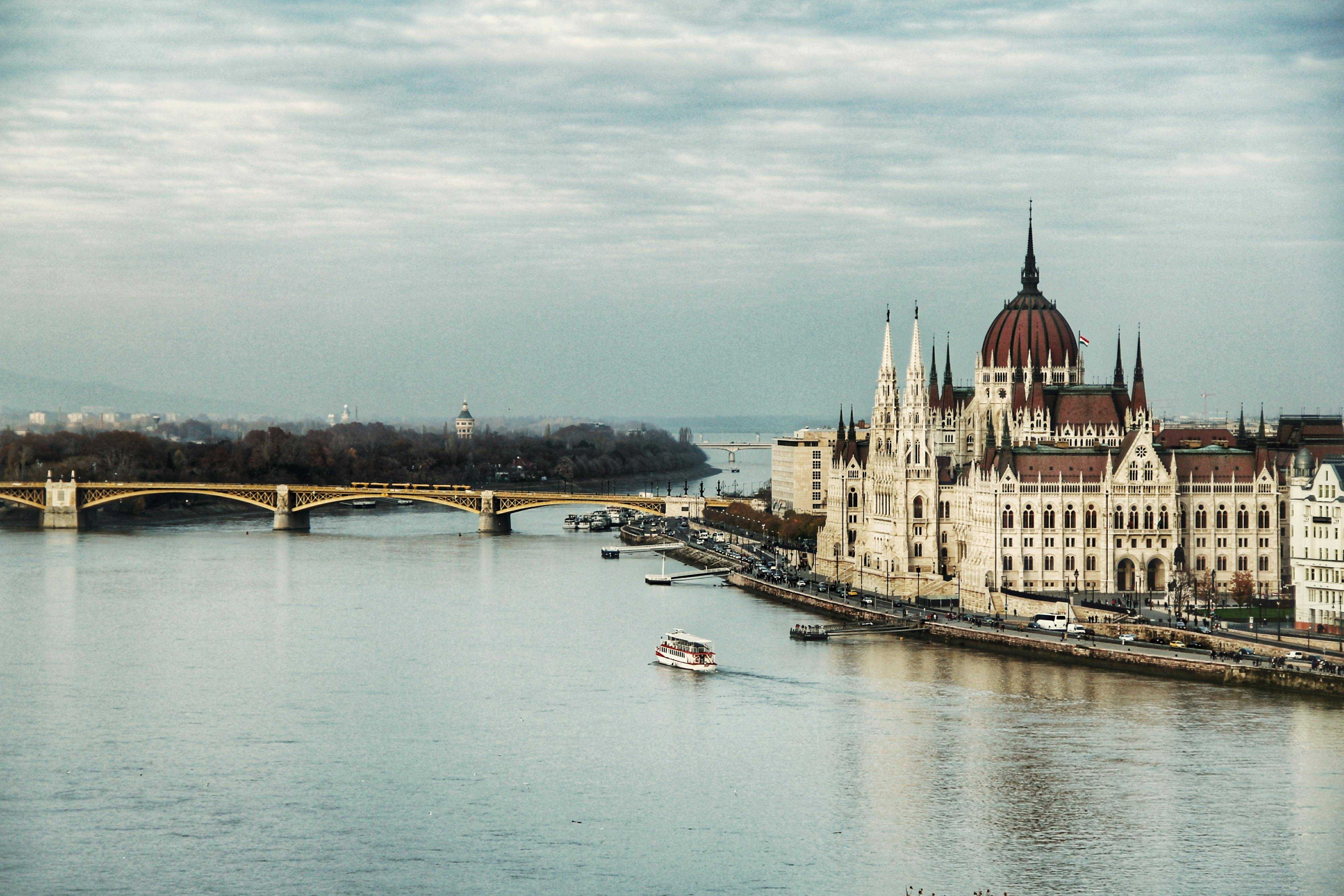
  1. Beautiful Architecture: Hungary is home to stunning architecture, including historic buildings, castles, and churches. The capital city, Budapest, is particularly known for its beautiful architecture, such as the Parliament Building, Fisherman's Bastion, and Buda Castle.

  2. Rich History: Hungary has a long and fascinating history, with influences from various empires and cultures. Travelers can explore historical sites such as the Hungarian Parliament Building, Matthias Church, and the historic town of Eger.

  3. Thermal Baths: Hungary is famous for its thermal baths, which are not only relaxing but also offer health benefits. Budapest alone has over a dozen thermal baths, including the iconic Széchenyi Thermal Bath and Gellért Thermal Bath.

  4. Cuisine: Hungarian cuisine is flavorful and hearty, with dishes such as goulash, lángos, and kürtőskalács (chimney cake) being popular choices. Travelers can also enjoy Hungarian wines and pálinka (fruit brandy) as part of their culinary experience.

  5. Scenic Landscapes: Hungary boasts diverse landscapes, from the rolling hills of the wine regions to the picturesque Lake Balaton, the largest lake in Central Europe. Nature lovers can also explore national parks such as Hortobágy National Park and Bükk National Park.

  6. Affordability: Compared to other European destinations, Hungary is relatively affordable, making it a budget-friendly option for travelers. Accommodation, dining, and transportation costs are generally lower than in Western European countries.

Overall, Hungary offers a unique blend of history, culture, natural beauty, and affordability, making it a compelling destination for travelers.

What to know

Some potential cons of traveling to Hungary include:

  1. Language Barrier: Hungarian is the official language of Hungary and it can be difficult for travelers who do not speak the language to communicate effectively, especially in rural areas or smaller towns where English may not be widely spoken.

  2. Currency Exchange: The official currency of Hungary is the Hungarian Forint (HUF), which may not be readily available for exchange in all countries. It is advisable to exchange currency before traveling to Hungary or use ATMs to withdraw cash in local currency.

  3. Seasonal Weather Variations: Hungary experiences distinct seasons with cold winters and hot summers. Travelers should be prepared for weather fluctuations and pack accordingly to ensure a comfortable trip.

  4. Tourist Crowds: Popular tourist destinations in Hungary, such as Budapest, can become crowded during peak travel seasons, leading to longer wait times at attractions and higher prices for accommodations and services.

  5. Transportation Challenges: While Hungary has a well-developed public transportation system, travelers may encounter delays or disruptions in services, especially in rural areas. It is important to plan ahead and be flexible with travel arrangements.

  6. Safety Concerns: Like any destination, travelers should be aware of their surroundings and take necessary precautions to ensure their safety and security while in Hungary. Petty crime, such as pickpocketing, can occur in crowded areas, so it is important to be vigilant.

Overall, while Hungary is a beautiful and culturally rich destination, travelers should be aware of these potential cons to have a more enjoyable and stress-free trip.

Hungary, located in Central Europe, has a rich and complex history that dates back over a millennium. Here's a detailed overview of its historical timeline, significant events, historical figures, and landmarks:

Early History and the Kingdom of Hungary

  • 9th Century: The Hungarian tribes, known as the Magyars, migrated from the Ural Mountains and settled in the Carpathian Basin under the leadership of Árpád. This period marks the formation of the Hungarian state.

  • 1000 AD: Stephen I was crowned as the first King of Hungary, establishing the Christian Kingdom of Hungary. He played a crucial role in converting the Hungarians to Christianity and consolidating the kingdom's power.

Middle Ages

  • 1241-1242: The Mongol invasion devastated Hungary, leading to significant loss of life and destruction. King Béla IV rebuilt and fortified the country, earning him the title "second founder of the state."

  • 14th Century: Under the Anjou dynasty, Hungary became a powerful European state. King Louis I (Louis the Great) expanded the kingdom's territories and influence.

Ottoman Influence and Habsburg Rule

  • 1526: The Battle of Mohács saw the Ottoman Empire defeat the Hungarian forces, leading to the division of Hungary into three parts: the Ottoman-controlled central region, the Habsburg-ruled western and northern areas, and the semi-independent Principality of Transylvania.

  • 1699: The Treaty of Karlowitz ended Ottoman control, and Hungary came under the rule of the Habsburg Monarchy.

The 19th Century and National Awakening

  • 1848-1849: The Hungarian Revolution of 1848 was part of the wider wave of European revolutions. Led by figures like Lajos Kossuth, Hungarians sought independence from Habsburg rule. Although initially successful, the revolution was ultimately crushed with the help of Russian forces.

  • 1867: The Austro-Hungarian Compromise created the Dual Monarchy of Austria-Hungary, granting Hungary significant autonomy and leading to economic and cultural growth.

20th Century and World Wars

  • 1918-1920: Following World War I and the collapse of Austria-Hungary, Hungary experienced political turmoil, including the short-lived Hungarian Soviet Republic. The Treaty of Trianon in 1920 significantly reduced Hungary's territory and population.

  • World War II: Hungary initially allied with Nazi Germany but attempted to switch sides in 1944. This led to a German occupation and later Soviet liberation, resulting in significant loss and destruction.

Communist Era and Modern Hungary

  • 1956: The Hungarian Revolution against Soviet-imposed policies was a significant uprising, led by figures like Imre Nagy. The revolt was crushed by Soviet forces but symbolized resistance against Soviet control.

  • 1989: Hungary played a pivotal role in the collapse of communism in Eastern Europe. The country opened its borders with Austria, allowing East Germans to flee to the West, contributing to the fall of the Berlin Wall.

  • 1990: Hungary transitioned to a democratic government and held its first free elections since World War II.

  • 2004: Hungary joined the European Union, marking its integration into the broader European community.

Important Landmarks

  • Buda Castle: A historic castle and palace complex in Budapest, representing centuries of Hungarian history.

  • Parliament Building: Located in Budapest, it is a magnificent example of Gothic Revival architecture and a symbol of Hungarian political life.

  • Heroes' Square: A major square in Budapest featuring statues of important national leaders and the Millennium Monument.

  • Lake Balaton: The largest lake in Central Europe, a popular tourist destination known for its natural beauty.

  • Pannonhalma Archabbey: A historic Benedictine monastery, part of Hungary's religious and cultural heritage.

Hungary's history is marked by periods of great power and influence, as well as times of occupation and struggle. Its rich cultural heritage continues to influence its identity and place in Europe today.