
Pernambuco
· BR

Pernambuco

Pernambuco, Brazil

Feel the Rhythm of Brazil in Pernambuco! Pernambuco: where vibrant culture meets breathtaking landscapes. This northeastern Brazilian state pulsates with life, offering a sensory feast for every traveler. Dive into a Tap…

#Northeast Brazil#Cultural diversity#Historic architecture#Beautiful beaches#Carnival celebrations
1/3

Top hotels & flights

Hand-picked stays and the best fares into Pernambuco.

Top Hotels in Pernambuco

Top Flights to Pernambuco

Location videos

Real reels from travelers, plus longer watches to get the full picture.

From travelers
Watch & explore

Practical info

The essentials for planning your time in Pernambuco.

Currency
R$ | BRL | Brazilian Real
Population
9.8 million
Languages
Portuguese, Portuguese

Local guide

What travelers love, what to watch for, and a deeper read on Pernambuco.

What people love

Pernambuco, located in northeastern Brazil, is a vibrant and diverse destination with a rich cultural heritage. Here are some of the pros of traveling to Pernambuco:

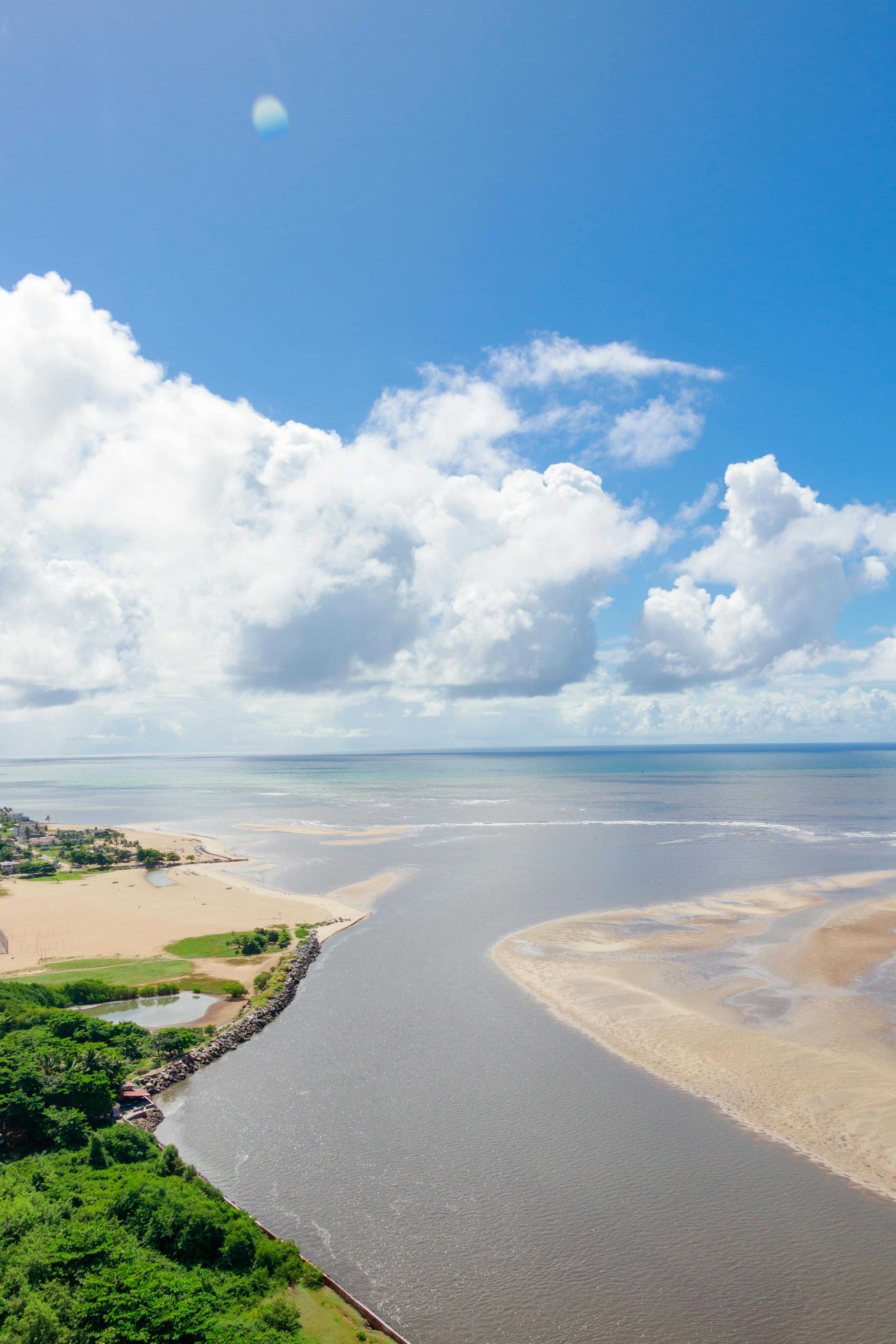
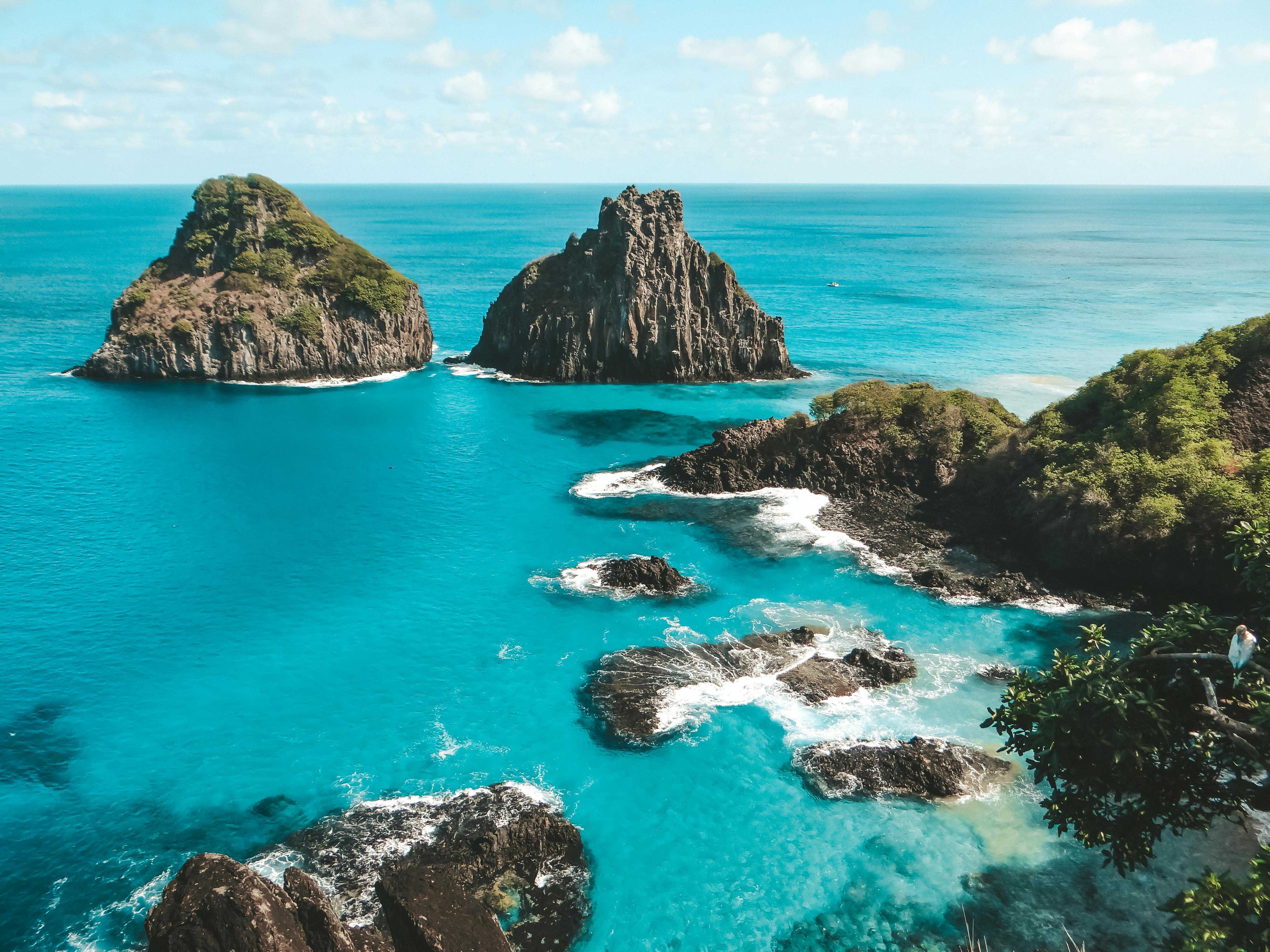
  1. Beaches: Pernambuco is famous for its stunning beaches, such as Porto de Galinhas, Maracaipe, and Boa Viagem. These beaches offer crystal-clear waters, white sand, and opportunities for water sports like surfing, snorkeling, and diving.

  2. Culture: Pernambuco is known for its vibrant cultural scene, with a mix of African, indigenous, and European influences. Visitors can enjoy traditional music and dance performances, as well as festivals like the Carnaval in Recife and Olinda.

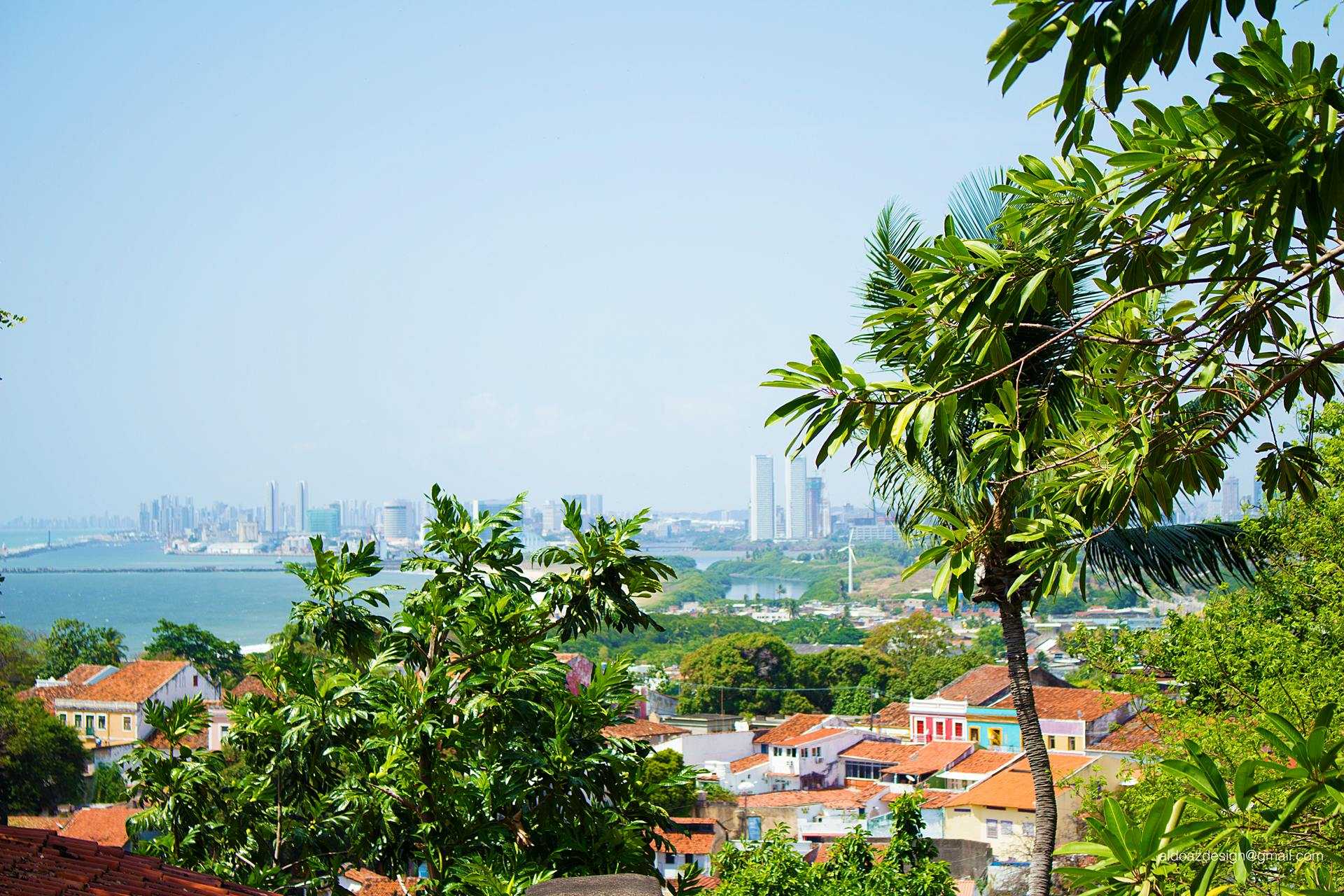
  3. Historic Sites: Pernambuco is home to several historic cities, including Olinda and Recife, which are UNESCO World Heritage Sites. These cities are known for their well-preserved colonial architecture, churches, and museums.

  4. Gastronomy: Pernambuco is a paradise for food lovers, with a diverse culinary scene that includes traditional dishes like feijoada, tapioca, and acarajé. Seafood is also a highlight, with fresh catches available at local markets and restaurants.

  5. Nature and Wildlife: Pernambuco boasts diverse ecosystems, including the Atlantic Forest and the Caatinga biome. Visitors can explore national parks, nature reserves, and wildlife sanctuaries to see unique flora and fauna, such as colorful birds and monkeys.

  6. Warm Hospitality: The people of Pernambuco are known for their warm hospitality and welcoming nature. Visitors can expect to be greeted with open arms and treated to genuine kindness throughout their stay.

Overall, traveling to Pernambuco offers a mix of natural beauty, cultural experiences, and warm hospitality that makes it a fantastic destination for all types of travelers.

What to know

Traveling to Pernambuco, Brazil, specifically the state of Pernambuco, can have some potential cons that travelers should be aware of:

  1. Safety Concerns: Pernambuco, like many other regions in Brazil, has some areas with higher crime rates. Travelers should be cautious and take necessary precautions such as avoiding displaying valuable items, staying in well-lit areas, and being aware of their surroundings.

  2. Language Barrier: Portuguese is the official language of Brazil, and while some people in tourist areas may speak English, it can be challenging to communicate in other parts of Pernambuco. Travelers may face difficulties in getting around or seeking help if they do not speak Portuguese.

  3. Health Risks: Travelers to Pernambuco should be aware of potential health risks such as mosquito-borne diseases like dengue, Zika, and chikungunya. It is important to take precautions against mosquito bites and consult a healthcare professional before traveling.

  4. Infrastructure Challenges: Some areas in Pernambuco may have limited infrastructure and services compared to more developed regions. This could impact transportation options, accommodation quality, and access to amenities.

  5. Weather Concerns: Pernambuco, like many regions in Brazil, can experience extreme weather conditions, including heavy rainfall, especially during the rainy season. Travelers should be prepared for potential disruptions to their travel plans due to weather-related issues.

It's important to note that these are general considerations, and the actual experience of traveling to Pernambuco can vary depending on individual circumstances and travel preferences. It's always a good idea to research and plan accordingly before visiting any destination.

Pernambuco, a state in northeastern Brazil, has a rich and diverse history that dates back to pre-colonial times. Here's a detailed overview of its historical development, significant events, historical figures, and important landmarks:

Pre-Colonial and Colonial Era

  • Indigenous Peoples: Before the arrival of Europeans, the area that is now Pernambuco was inhabited by various indigenous groups, including the Tupi, Tabajara, and Caeté peoples.

  • Portuguese Colonization (16th Century): Pernambuco was one of the first areas in Brazil to be colonized by the Portuguese. The Portuguese explorer Duarte Coelho Pereira was granted a captaincy in Pernambuco in 1534 and established the settlement of Olinda, which became an economically significant center due to its sugarcane plantations.

  • Dutch Occupation (1630-1654): In the early 17th century, the Dutch West India Company captured parts of northeastern Brazil, including Pernambuco. The Dutch controlled the region from 1630 to 1654. The city of Recife became the administrative center under Dutch rule. Count John Maurice of Nassau-Siegen was a notable governor during this period, known for his efforts to develop the region and for promoting religious tolerance.

  • Recapture by the Portuguese: The Portuguese, with the help of local militias, eventually expelled the Dutch in 1654 after a series of battles, including the Battle of Guararapes, which is considered a key moment in the formation of Brazilian national identity.

Independence and 19th Century

  • Pernambuco Revolt (1817): The region was a hotbed of revolutionary activity. The Pernambuco Revolt was an early republican movement against the Portuguese crown, inspired by Enlightenment ideals and dissatisfaction with colonial rule. The revolt was suppressed, but it is remembered as a precursor to Brazil's independence.

  • Confederation of the Equator (1824): Another significant rebellion in Pernambuco was the Confederation of the Equator, which was a reaction against the centralization policies of Emperor Pedro I. It aimed to establish a separate republic but was also suppressed.

20th Century to Present

  • Economic Development: Throughout the 20th century, Pernambuco continued to be an agricultural and industrial center, with sugarcane remaining a crucial part of its economy. The state also saw significant urban development, particularly in the cities of Recife and Olinda.

  • Cultural Contributions: Pernambuco has a vibrant cultural scene, known for its music, particularly frevo and maracatu, and its colorful carnival celebrations.

Important Historical Figures

  • Duarte Coelho Pereira: The Portuguese nobleman who founded the captaincy of Pernambuco.

  • John Maurice of Nassau-Siegen: The Dutch governor known for his enlightened administration during the Dutch occupation.

  • Manuel Correia de Araújo: A leader of the Pernambuco Revolt.

Important Landmarks

  • Olinda: A UNESCO World Heritage site known for its well-preserved colonial architecture and historic churches.

  • Recife: The capital of Pernambuco, known for its cultural institutions, including the Ricardo Brennand Institute and the Francisco Brennand Ceramic Workshop.

  • Boa Viagem Beach: A popular tourist destination in Recife.

  • Instituto Ricardo Brennand: A cultural institution in Recife, housing an extensive collection of art and historical artifacts.

Contemporary Significance

Today, Pernambuco is recognized for its cultural heritage, economic importance, and as a hub of innovation and education in northeastern Brazil. Its universities and research institutions contribute to the region's development, while its cultural festivals attract visitors from around the world.

Pernambuco's history is marked by its resilience and its role in shaping Brazil's national identity, making it a significant region both historically and culturally.