
Nusa Tenggara Timur
· ID

Nusa Tenggara Timur

Nusa Tenggara Timur, Indonesia

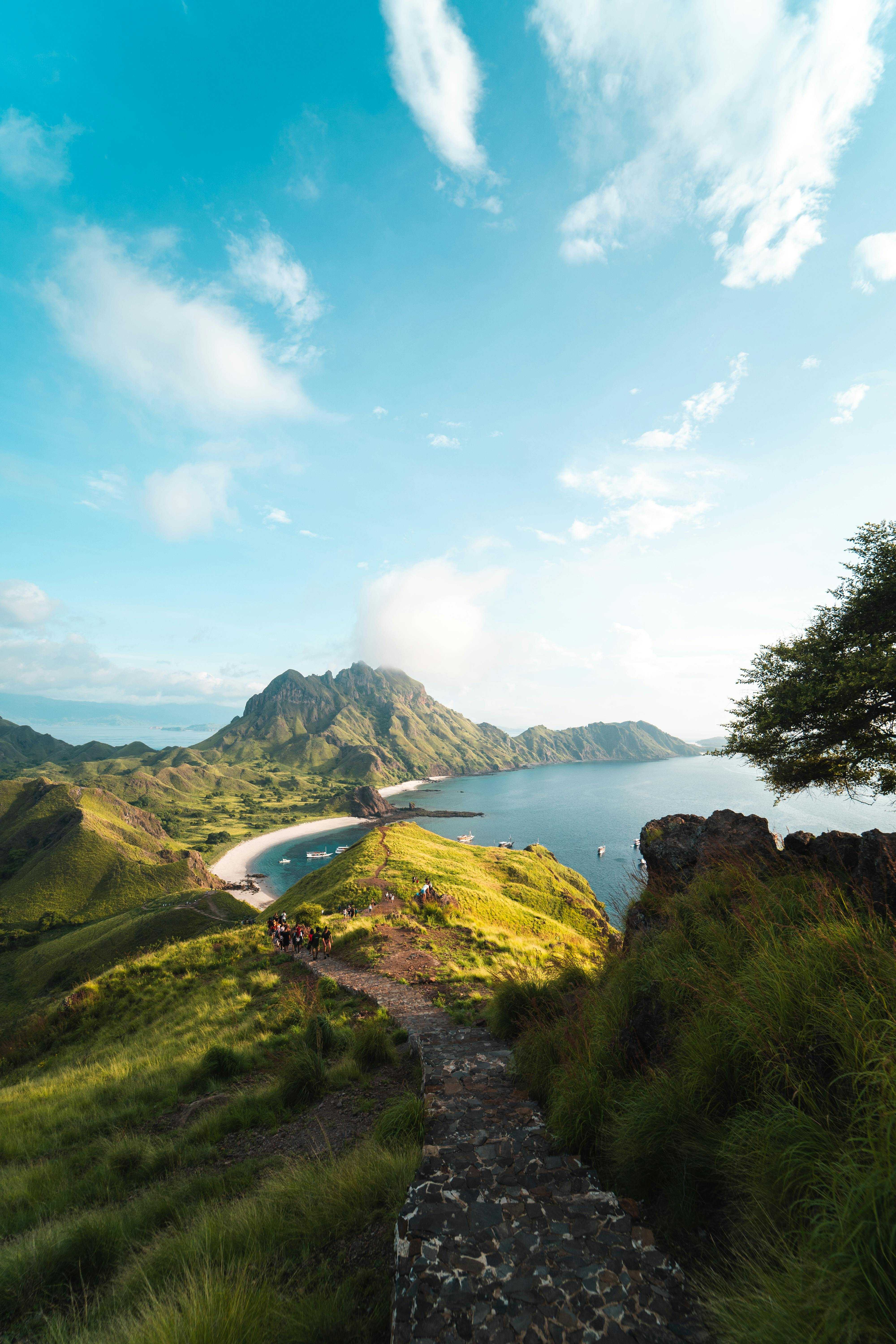
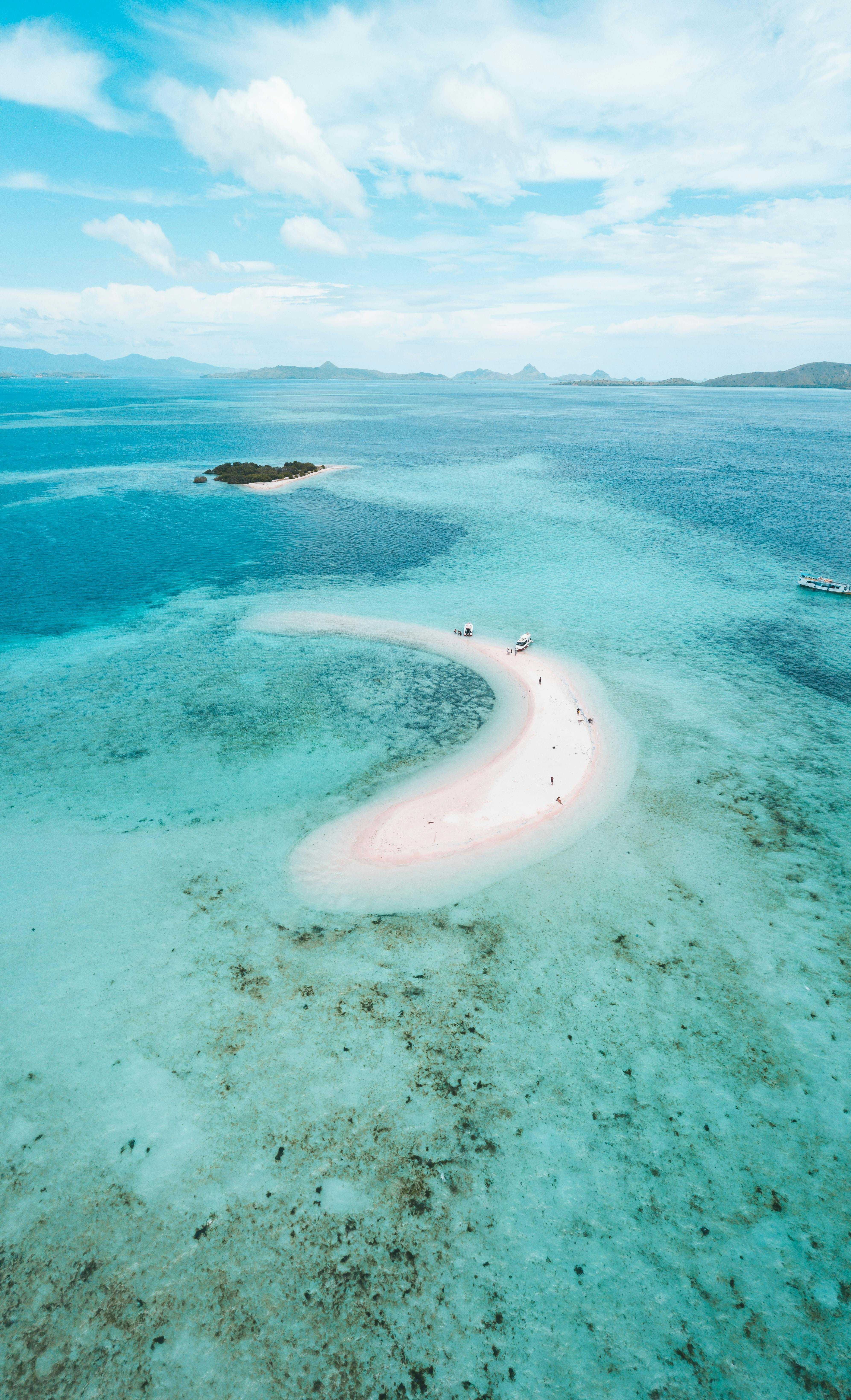
Escape to the Enchanting Islands of Nusa Tenggara Timur Craving pristine beaches, vibrant cultures, and adventures off the beaten path? Look no further than Nusa Tenggara Timur (NTT), a string of captivating islands in e…

#Island#Beaches#Culture#Volcanoes#Traditional villages
1/12

Top hotels & flights

Hand-picked stays and the best fares into Nusa Tenggara Timur.

Top Hotels in Nusa Tenggara Timur

Top Flights to Nusa Tenggara Timur

Popular activities

Tours, tickets and experiences travelers book most in Nusa Tenggara Timur.

Tours

Komodo National Park Exploration

Explore the vast beauty of Komodo National Park, home to the famous Komodo Dragons and stunning marine biodiversity.

Shopping

Waingapu Traditional Market Visit

Experience the vibrant atmosphere and shop for unique local crafts at Waingapu Traditional Market.

Outdoor

Kelimutu Volcano Hike

Hike to the top of Mount Kelimutu to see the tri-colored crater lakes change colors at sunrise.

Location videos

Real reels from travelers, plus longer watches to get the full picture.

From travelers
Watch & explore

Practical info

The essentials for planning your time in Nusa Tenggara Timur.

Currency
Rp | IDR | Indonesian Rupiah
Population
5.5 million
Languages
Indonesian, Rote, Timor, Sumba, Flores

Local guide

What travelers love, what to watch for, and a deeper read on Nusa Tenggara Timur.

What people love

Nusa Tenggara Timur, located in Indonesia, offers a unique and diverse travel experience for visitors. Here are some pros of traveling to Nusa Tenggara Timur:

  1. Cultural Diversity: Nusa Tenggara Timur is home to various indigenous tribes, each with its own distinct culture, traditions, and languages. Travelers have the opportunity to immerse themselves in the rich cultural heritage of the region by interacting with locals, witnessing traditional ceremonies, and exploring authentic villages.

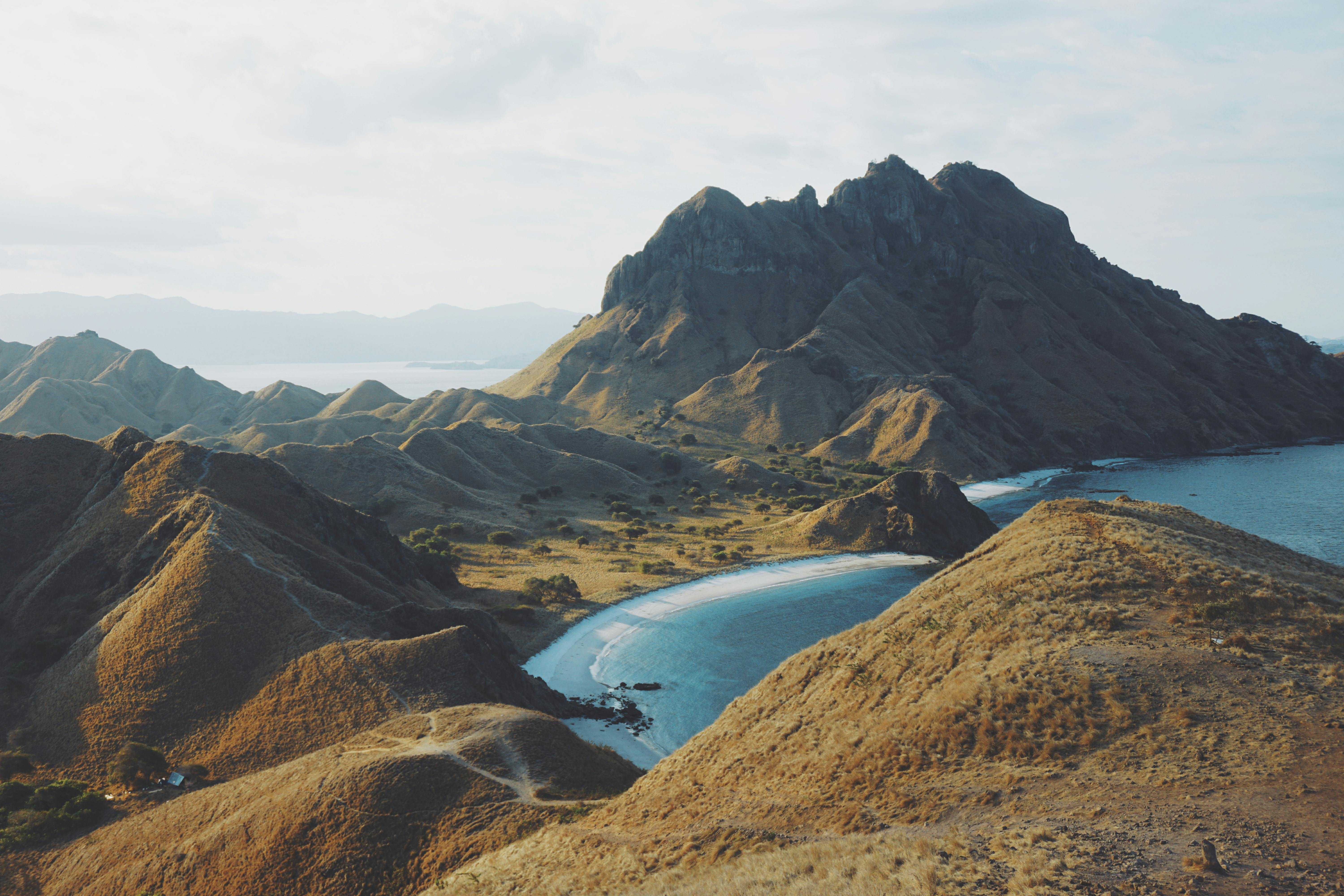
  2. Stunning Landscapes: The province boasts breathtaking natural scenery, including pristine beaches, crystal-clear waters, lush forests, and majestic mountains. Travelers can enjoy activities such as snorkeling, diving, hiking, and beachcombing while taking in the beauty of the surroundings.

  3. Komodo National Park: Nusa Tenggara Timur is home to the famous Komodo National Park, a UNESCO World Heritage Site known for its population of Komodo dragons, the world's largest lizards. Visitors can embark on guided tours to see these fascinating creatures up close and explore the park's diverse marine life through snorkeling and diving excursions.

  4. Unique Handicrafts: The region is known for its traditional handicrafts, including intricate ikat textiles, wood carvings, and pottery. Travelers can shop for authentic souvenirs and support local artisans while learning about the traditional craftsmanship of Nusa Tenggara Timur.

  5. Authentic Culinary Experiences: Food lovers will delight in the diverse culinary offerings of Nusa Tenggara Timur, which feature a fusion of Indonesian and Timorese flavors. From spicy sambal dishes to savory seafood specialties, visitors can savor the unique tastes of the region while dining at local eateries and market stalls.

Overall, traveling to Nusa Tenggara Timur provides an opportunity to explore a lesser-known part of Indonesia, discover its cultural richness, and immerse oneself in its stunning natural beauty.

What to know

Some potential cons of traveling to Nusa Tenggara Timur, Indonesia, could include:

  1. Limited infrastructure: The region may have limited infrastructure in terms of transportation, accommodation, and amenities compared to more popular tourist destinations in Indonesia.

  2. Language barrier: English may not be as widely spoken in Nusa Tenggara Timur compared to other tourist areas in Indonesia, making communication challenging for travelers who do not speak Bahasa Indonesia.

  3. Remote locations: Some parts of Nusa Tenggara Timur are quite remote and may be difficult to access, requiring long journeys by land, sea, or air.

  4. Health and safety concerns: Travelers may need to take precautions regarding health and safety, such as vaccinations, malaria prevention, and ensuring access to medical facilities in case of emergencies.

  5. Limited tourist facilities: While Nusa Tenggara Timur offers natural beauty and cultural experiences, some areas may lack tourist facilities such as restaurants, shops, and tour operators, making independent travel more challenging.

It's important to research and plan ahead when traveling to Nusa Tenggara Timur to ensure a safe and enjoyable experience.

Nusa Tenggara Timur (NTT), or East Nusa Tenggara, is a province in Indonesia located in the southeastern part of the country. It covers the eastern portion of the Lesser Sunda Islands, including notable islands such as Flores, Sumba, and the western part of Timor Island. Here is a detailed history of the region:

Early History

  • Prehistoric Period: The region has evidence of prehistoric settlement dating back thousands of years. Archaeological findings suggest that modern humans have lived on these islands since the Pleistocene era.
  • Austronesian Migration: The islands were part of the Austronesian expansion, with people migrating from Taiwan through the Philippines and Sulawesi, bringing with them their culture and languages.

Early Kingdoms and Influence

  • Indigenous Kingdoms: Before European colonization, the islands were home to various indigenous kingdoms and societies. Notable among them were the kingdoms of Manggarai and Ende on Flores and the Sumba kingdoms.
  • Influence of Majapahit and Makassar: The islands had interactions with the Javanese Majapahit Empire and later with the Sultanate of Gowa in Makassar, which influenced local culture and trade.

Colonial Period

  • Portuguese Arrival: The Portuguese were the first Europeans to arrive in the region in the early 16th century. They established a presence, particularly in Timor, seeking sandalwood and other spices.
  • Dutch Control: In the 17th century, the Dutch East India Company (VOC) began to assert control over the region, eventually establishing dominance over the Portuguese. The Treaty of Lisbon in 1859 divided the island of Timor between the Dutch and the Portuguese, with the western part going to the Dutch.
  • Missionary Work: Both the Portuguese and the Dutch brought Christianity to the region. The influence of Catholic missionaries remains strong, especially in Flores and Timor.

Indonesian Independence

  • Post-World War II: After World War II, Indonesia declared its independence in 1945, but it was not until 1949 that Dutch recognition was secured. NTT became part of the Republic of Indonesia.
  • Integration: The province was officially established in 1958, integrating the islands into a single administrative region under Indonesian governance.

Modern Era

  • Development Challenges: NTT is one of the less economically developed regions in Indonesia, facing challenges such as poverty, limited infrastructure, and educational needs.
  • Cultural and Ecological Richness: Despite economic challenges, NTT is rich in cultural and ecological diversity, with numerous traditional ceremonies and languages. The province is known for its weaving traditions and distinct architectural styles.

Significant Events and Figures

  • El Tari: A notable governor of NTT who served from 1966 to 1978, known for his efforts to develop the region.
  • East Timor Crisis: Though East Timor is separate, its struggle for independence from Indonesia in the late 20th century had significant regional impacts due to proximity and shared history.

Important Landmarks

  • Komodo National Park: A UNESCO World Heritage Site, home to the famous Komodo dragons, located between the islands of Sumbawa and Flores.
  • Kelimutu National Park: Known for its tri-colored crater lakes on Flores Island, a significant natural landmark.
  • Larantuka: A city on Flores Island famous for its Semana Santa (Holy Week) celebrations, reflecting the region's Catholic heritage.

Overall, Nusa Tenggara Timur is a region with a rich tapestry of cultural influences and historical significance, marked by its colonial past and ongoing development challenges.