Nordjylland
· DK

Nordjylland

Nordjylland, Denmark

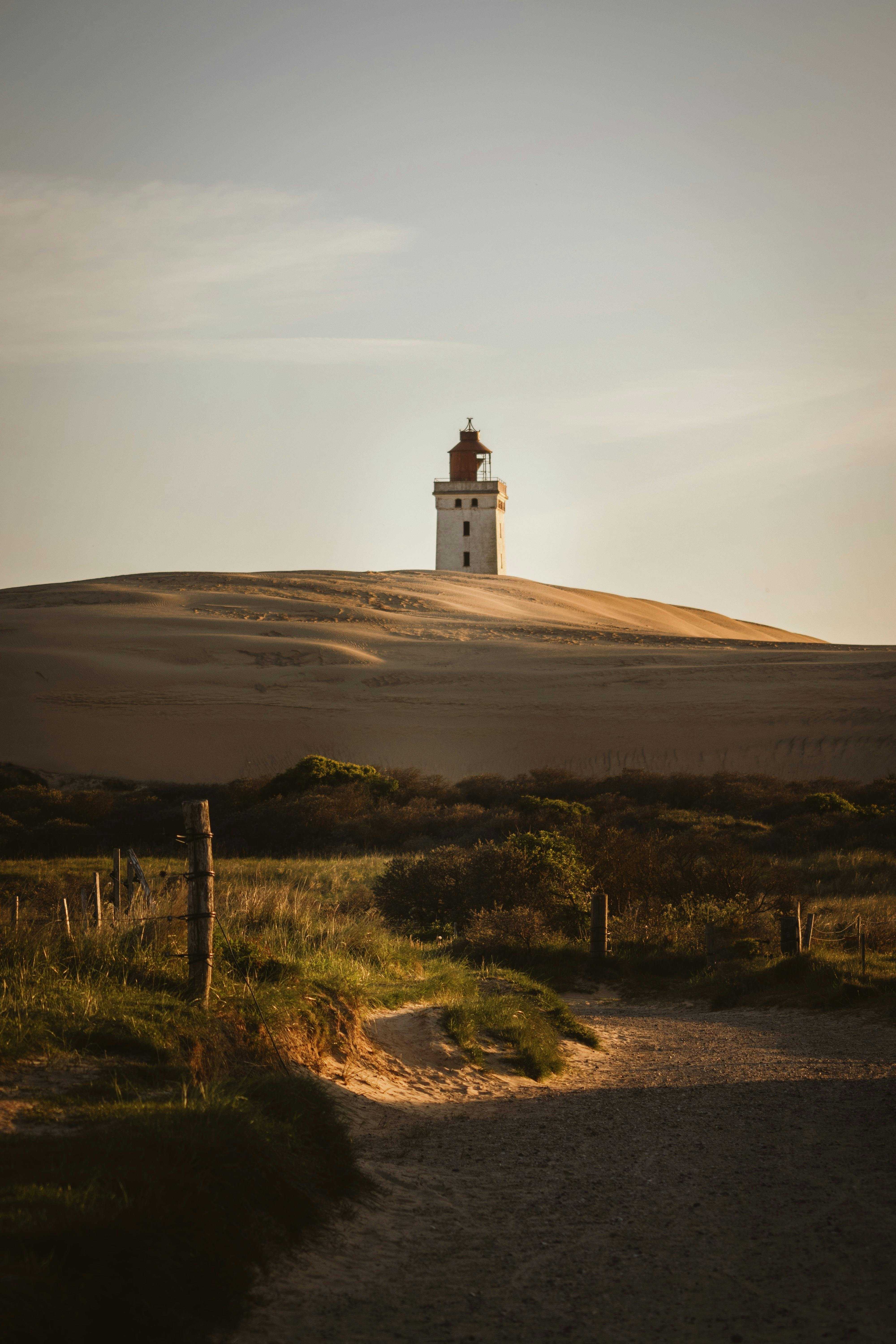
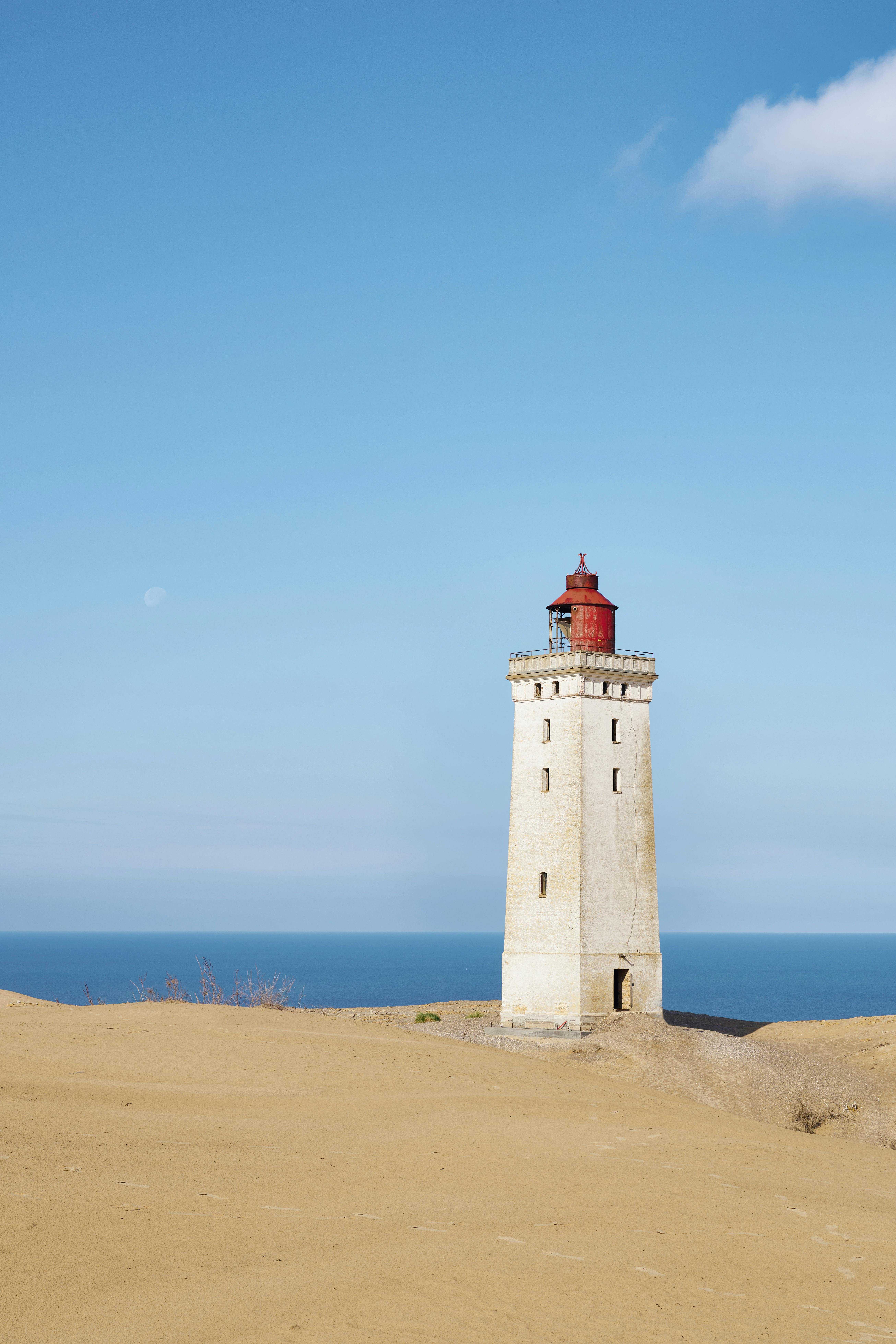
Escape to Nordjylland: Where Denmark Meets the Wild North Sea Nordjylland, the northernmost region of Denmark, beckons with a captivating blend of raw natural beauty, fascinating history, and a refreshingly laid-back atm…

#Nordjylland#Denmark#Scandinavia#Coastal#Rural
1/10

Top hotels & flights

Hand-picked stays and the best fares into Nordjylland.

Top Hotels in Nordjylland

Top Flights to Nordjylland

Popular activities

Tours, tickets and experiences travelers book most in Nordjylland.

Tours

Aalborg Zoo Visit

Explore the diverse wildlife and enjoy a day at the Aalborg Zoo.

Aalborg Historical Walk

Take a guided tour through the historical parts of Aalborg, visiting old buildings and museums.

Jomfru Ane Gade

Visit the famous street in Aalborg known for its vibrant nightlife and numerous bars and clubs.

Lindholm Høje Museum

Explore the ancient Viking burial site and museum showcasing Viking artifacts.

Shopping

Aalborg Shopping Street

Stroll through the bustling shopping district of Aalborg filled with shops ranging from high-end brands to local boutiques.

Outdoor

Skagen Beaches

Discover the unique beaches where two seas meet, and enjoy the scenic views.

Fårup Sommerland

Enjoy a day at one of Denmark's largest amusement parks, offering rides for all ages.

Rold Skov Hiking

Enjoy hiking in one of Denmark's largest forests with trails for all levels.

Location videos

Real reels from travelers, plus longer watches to get the full picture.

From travelers
Watch & explore

Practical info

The essentials for planning your time in Nordjylland.

Currency
kr. | DKK | Danish Krone
Population
The approximate estimated total population of Nordjylland, Denmark, is 0.6 million.
Languages
Danish, English

Local guide

What travelers love, what to watch for, and a deeper read on Nordjylland.

What people love

Nordjylland, located in Denmark, offers a variety of attractions and activities for travelers. Here are some of the pros of traveling to Nordjylland:

  1. Stunning nature: Nordjylland boasts beautiful landscapes, including sandy beaches, rolling hills, and lush forests. Nature lovers can enjoy outdoor activities such as hiking, cycling, and birdwatching in the region's many nature reserves and national parks.

  2. Rich history and culture: Nordjylland is home to several historic towns and villages, where visitors can explore ancient castles, churches, and museums. The region also has a vibrant cultural scene, with art galleries, music festivals, and traditional Danish events throughout the year.

  3. Delicious cuisine: Foodies will appreciate the local cuisine in Nordjylland, which includes fresh seafood, dairy products, and traditional Danish dishes. Visitors can sample local specialties such as smoked herring, pickled herring, and smørrebrød (open-faced sandwiches) at restaurants and cafes in the region.

  4. Family-friendly attractions: Nordjylland offers plenty of family-friendly activities, such as amusement parks, zoos, and indoor play centers. Families can also visit the North Sea Oceanarium, one of the largest aquariums in Europe, to see a wide variety of marine life up close.

  5. Friendly locals: Travelers to Nordjylland will find that the locals are welcoming and friendly, making it easy to connect with the community and learn more about Danish culture and traditions.

Overall, Nordjylland is a great destination for travelers looking to experience the natural beauty, history, and culture of Denmark in a relaxed and welcoming atmosphere.

Enjoy your trip to Nordjylland!

What to know

Traveling to Nordjylland, Denmark, can be a rewarding experience due to its scenic landscapes, cultural heritage, and coastal attractions. However, like any travel destination, there are potential downsides to consider:

  1. Weather Conditions: Nordjylland, like much of Denmark, experiences a temperate climate with relatively cold winters and cool summers. The weather can be unpredictable, with frequent rain and wind, especially in the coastal areas. Travelers looking for sunny and warm conditions might find the climate less appealing.

  2. Limited Public Transportation: While Denmark has a well-connected transportation system, rural areas in Nordjylland might have less frequent public transport services. Visitors may find it challenging to explore remote attractions without a car.

  3. Seasonal Limitations: Some attractions and accommodations may be seasonal, with limited availability or reduced hours outside the peak summer months. This could affect travelers visiting during the off-season.

  4. High Costs: Denmark is generally an expensive country for travelers, and Nordjylland is no exception. Costs for accommodation, dining, and activities can be high, which might be a drawback for budget-conscious travelers.

  5. Language Barrier: While many Danes speak English, travelers who do not speak Danish may still encounter language barriers, particularly in more rural areas where English proficiency might be less common.

  6. Limited Nightlife: Nordjylland is known for its natural beauty and tranquil environment rather than a vibrant nightlife. Travelers seeking nightlife and entertainment might find limited options compared to larger Danish cities like Copenhagen.

  7. Tourist Crowds in Peak Season: Popular tourist spots in Nordjylland, such as Skagen and Aalborg, can become crowded during peak travel seasons (summer months), which might detract from the experience for those seeking solitude or a more relaxed atmosphere.

These cons are not unique to Nordjylland and can be encountered in various forms in other travel destinations. Planning ahead and considering these factors can help mitigate potential downsides.

Nordjylland, also known as North Jutland, is a region in Denmark located at the northernmost part of the Jutland Peninsula. It is known for its rich history, distinctive landscapes, and cultural heritage.

Historical Overview

  1. Prehistoric Era:

    • The region has evidence of human settlement dating back to the Stone Age. Archaeological finds suggest that the earliest inhabitants were hunter-gatherers who later transitioned to farming communities.
  2. Viking Age:

    • Nordjylland was significant during the Viking Age (circa 800-1050 AD). The region's coastal areas facilitated seafaring and trade. Key artifacts and burial sites have been discovered, indicating the presence of a vibrant Viking culture.
  3. Middle Ages:

    • During the Middle Ages, Nordjylland became a part of various Danish kingdoms and principalities. The region saw the construction of numerous churches and abbeys, some of which still stand today.
  4. Renaissance and Early Modern Period:

    • The region was affected by the wars and conflicts that swept through Europe, including the Thirty Years' War. The 16th and 17th centuries saw the growth of towns and trade.
  5. 19th Century:

    • Nordjylland, like the rest of Denmark, experienced significant changes due to industrialization. Railroads and new technologies transformed the economy and society.
  6. 20th Century:

    • The region was impacted by both World Wars. During World War II, Denmark was occupied by Nazi Germany, and Nordjylland was no exception. There are several remnants from this period, including bunkers and fortifications.
    • Post-war, Nordjylland underwent modernization with improvements in infrastructure and education.

Significant Figures

  • Jens Bang (1575-1644): A wealthy Danish merchant who built the famous Jens Bang's House in Aalborg, a key historical building.
  • C.W. Obel (1807-1873): Founded one of the largest tobacco companies in Denmark, contributing significantly to the economy of the region.

Important Landmarks

  1. Aalborg:

    • Aalborg Historical Museum: Offers insights into the region's history.
    • Jens Bang's House: A well-preserved Renaissance building.
    • Aalborg Castle: A former royal residence.
  2. Lindholm Høje:

    • An ancient burial site with Viking and Iron Age origins, located near Aalborg, showcasing burial mounds and stone circles.
  3. Skagen:

    • Known for its unique light, it attracted many artists in the late 19th century, forming the Skagen Painters group.
    • Grenen: The northernmost point in Denmark, where the North Sea and the Baltic Sea meet.
  4. Råbjerg Mile:

    • A migrating coastal dune, one of the largest in Europe, showcasing the region's dynamic natural landscape.
  5. Hirtshals:

    • Known for its fishing industry and the Nordsøen Oceanarium, one of Europe's largest aquariums.

Nordjylland is a region with a rich history and diverse cultural heritage, shaped by its geography and strategic location. From its prehistoric roots to its modern development, Nordjylland remains a vital part of Denmark's identity.