Denmark
· DK

Denmark

Denmark

Discover the Magic of Denmark: Fairytales, History, and Hygge Denmark, a land of enchanting castles, vibrant cities, and breathtaking landscapes, invites you to experience its unique blend of history, culture, and modern…

#Scandinavia#European Union#Copenhagen#Hygge#Biking culture
1/15

Top hotels & flights

Hand-picked stays and the best fares into Denmark.

Top Hotels in Copenhagen

Top Flights to Copenhagen

Location videos

Real reels from travelers, plus longer watches to get the full picture.

From travelers
Watch & explore

Practical info

The essentials for planning your time in Denmark.

Currency
kr. | DKK | Danish Krone Denmark
Population
5.9 million
Languages
Danish, German, English
Average weather
Denmark
Jan
snow
3°-1°
Feb
snow
3°-1°
Mar
cloud
6°0°
Apr
cloud
11°3°
May
cloud
16°7°
Jun
sun
20°11°
Jul
sun
22°13°
Aug
sun
22°13°
Sep
cloud
18°10°
Oct
rain
13°7°
Nov
rain
8°3°
Dec
snow
5°0°

Local guide

What travelers love, what to watch for, and a deeper read on Denmark.

What people love

Traveling to Denmark has several pros, including:

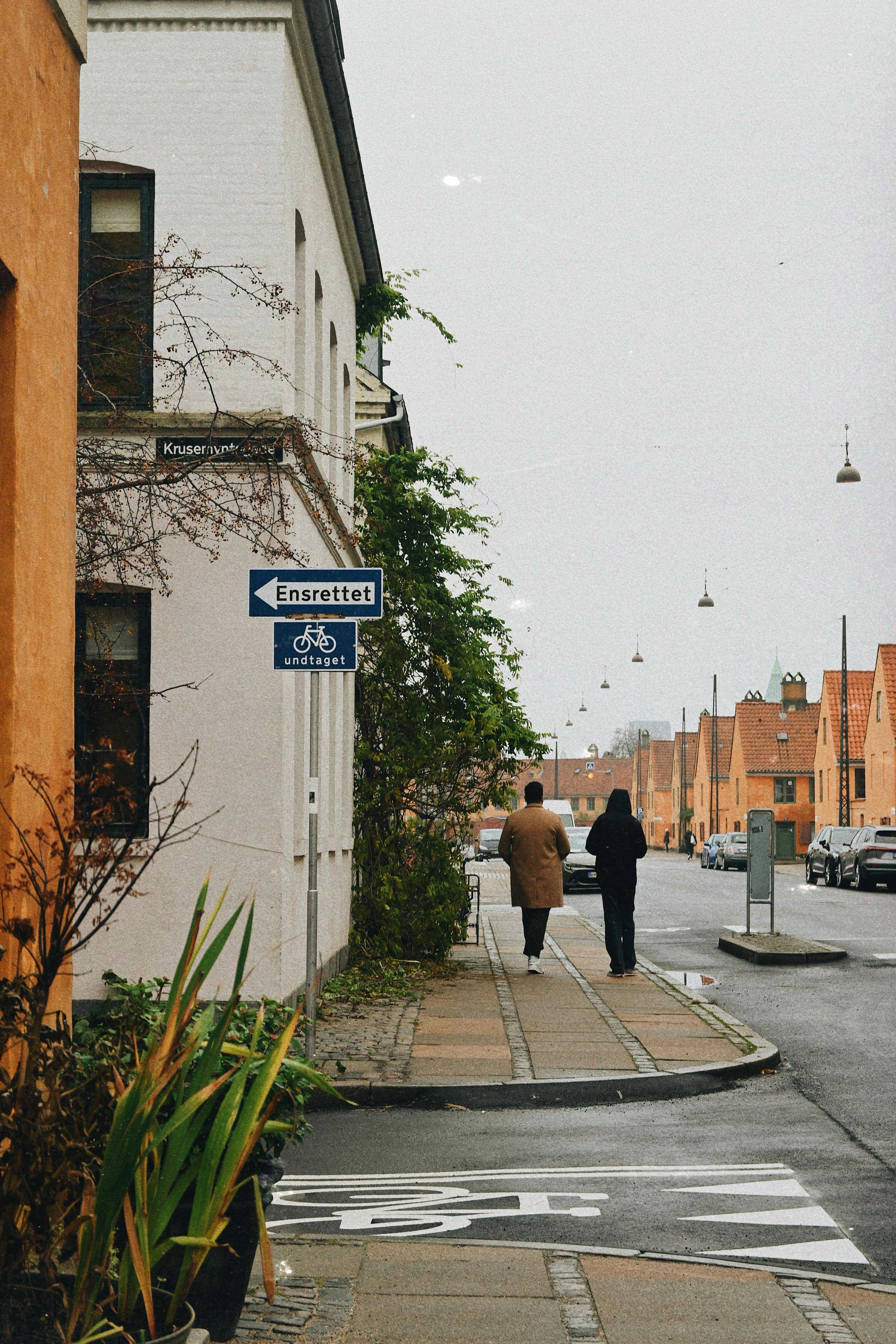
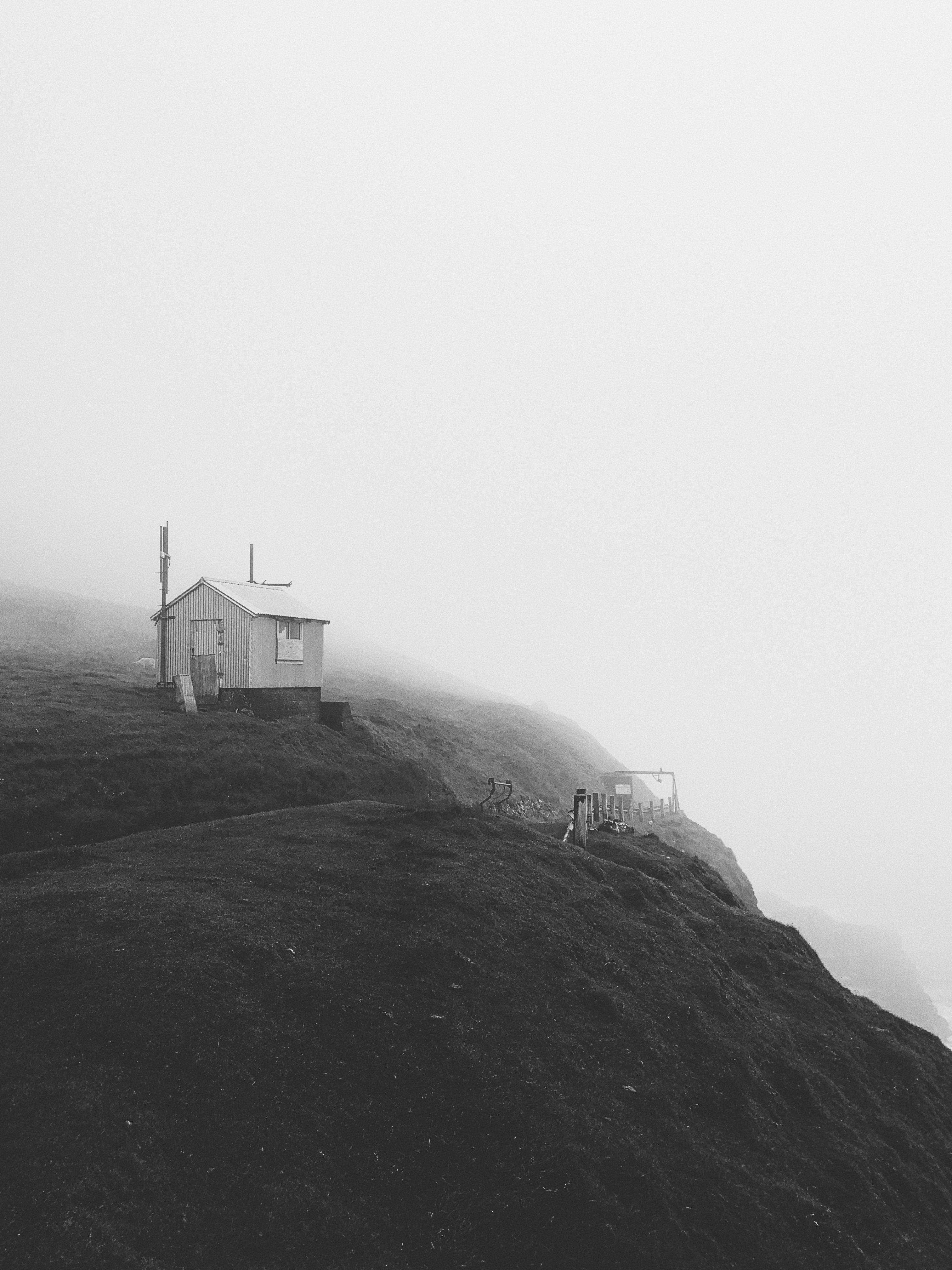
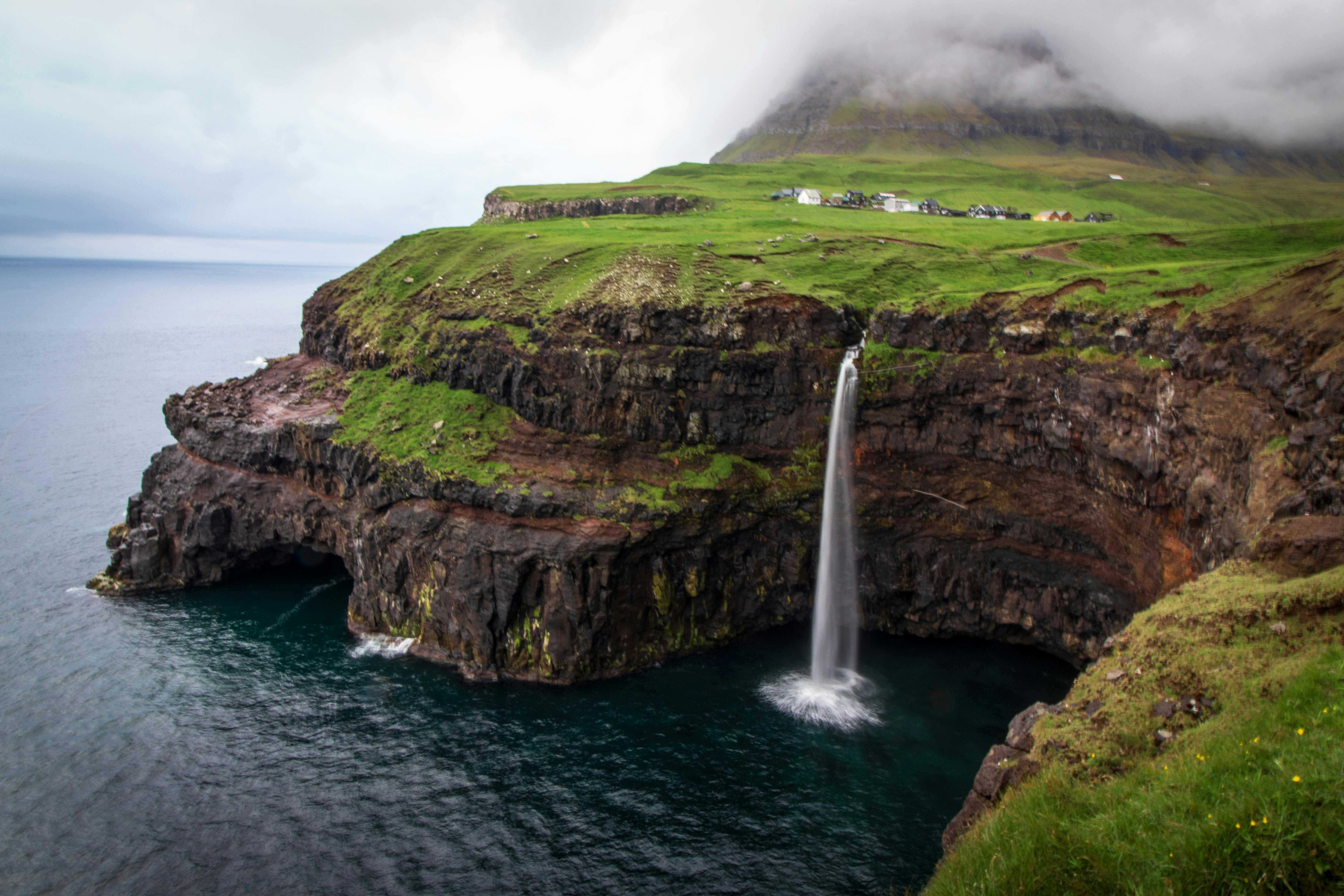
  1. Beautiful Scenery: Denmark is known for its picturesque landscapes, charming towns, and stunning coastline. Visitors can enjoy exploring the countryside, visiting historic castles, and relaxing on sandy beaches.

  2. Bicycle-friendly: Denmark is a bicycle-friendly country with well-maintained bike paths and designated cycling routes. Renting a bike is a popular way to explore the cities and countryside.

  3. Safety: Denmark consistently ranks as one of the safest countries in the world, making it an ideal destination for solo travelers and families.

  4. Danish Cuisine: Foodies will appreciate the delicious Danish cuisine, which includes traditional dishes like smørrebrød (open-faced sandwiches), frikadeller (meatballs), and æbleskiver (apple pancakes).

  5. Sustainability: Denmark is a leader in sustainability and green initiatives. Visitors can learn about renewable energy practices, sustainable agriculture, and eco-friendly transportation options.

Overall, traveling to Denmark offers a unique blend of natural beauty, cultural experiences, and sustainability initiatives that make it a desirable destination for many travelers.

What to know

Traveling to Denmark does come with some potential drawbacks that visitors should be aware of. Here are some cons of traveling to Denmark:

  1. High Cost of Living: Denmark is known for having a high cost of living, making it an expensive destination for travelers. Accommodation, dining, and transportation can be costly compared to other European countries.

  2. Weather: Denmark has a temperate maritime climate, which means the weather can be unpredictable and often rainy. Winters can be dark and cold, while summers are generally mild. Travelers should be prepared for changing weather conditions.

  3. Language Barrier: While many Danes speak English fluently, particularly in tourist areas, the official language is Danish. Travelers may encounter some language barriers, especially in more rural areas or when interacting with older individuals.

  4. Limited Opening Hours: Some shops, restaurants, and attractions in Denmark may have limited opening hours, especially on Sundays and public holidays. This can sometimes be frustrating for travelers who are used to more flexible schedules.

  5. Crowds in Tourist Areas: Popular tourist destinations in Denmark, such as Copenhagen and Aarhus, can get crowded during peak travel seasons. Visitors may have to contend with long lines, crowded attractions, and difficulty finding accommodations.

  6. Biking Culture: While biking is a popular and eco-friendly mode of transportation in Denmark, travelers who are not used to sharing the road with cyclists may find it challenging to navigate the streets safely.

Overall, while Denmark is a beautiful and welcoming country with much to offer visitors, it's important to be aware of these potential cons when planning a trip there.

Denmark, officially known as the Kingdom of Denmark, has a rich and varied history that spans thousands of years. Here is a detailed history of Denmark, highlighting significant events, historical figures, and important landmarks:

Prehistoric and Viking Age

  • Prehistory: Denmark has been inhabited since the Stone Age. The earliest evidence of human presence dates back to around 12,000 BC.
  • Viking Age (c. 800–1050 AD): Denmark is famously known for its Viking Age, where Danish Vikings were notorious raiders, traders, and explorers. They established settlements across Europe, including parts of England, Ireland, and Normandy.

Middle Ages

  • Unification and Christianization (10th-11th Century): King Harald Bluetooth (c. 958–986) is credited with uniting Denmark and converting it to Christianity. The Jelling Stones, runestones erected by Harald, are significant landmarks from this period.
  • Kalmar Union (1397): Denmark entered into a union with Norway and Sweden under a single monarch, known as the Kalmar Union. Queen Margrethe I played a crucial role in forming this union.

Early Modern Period

  • Reformation (1536): The Protestant Reformation reached Denmark, leading to the establishment of Lutheranism as the state religion. King Christian III was instrumental in this transition.
  • 17th Century Conflicts: Denmark was involved in numerous conflicts, including the Thirty Years' War and wars with Sweden, which resulted in territorial losses.

19th Century

  • Napoleonic Wars: Denmark sided with Napoleon and suffered defeat, leading to the loss of Norway to Sweden in 1814.
  • Constitutional Monarchy (1849): Denmark adopted a new constitution, establishing a constitutional monarchy.

20th Century

  • World War II (1940-1945): Germany occupied Denmark during WWII. The Danish resistance movement played a significant role, and the country is noted for its efforts to save Jewish citizens from the Holocaust.
  • Post-War Era: Denmark became a founding member of the United Nations in 1945 and joined NATO in 1949.

Modern Era

  • European Union: Denmark joined the European Economic Community (now the EU) in 1973 but has opted out of certain EU policies, including the euro currency.
  • Social and Political Developments: Denmark is known for its strong welfare state and progressive policies on issues like renewable energy and social equality.

Important Historical Figures

  • Harald Bluetooth (c. 910–986): United Denmark and introduced Christianity.
  • Margrethe I (1353–1412): Founder of the Kalmar Union.
  • Hans Christian Andersen (1805–1875): Renowned author known for fairy tales like "The Little Mermaid" and "The Ugly Duckling."

Important Landmarks

  • Jelling Stones: Runestones in Jelling, considered Denmark's birth certificate.
  • Kronborg Castle: Renaissance castle known as the setting for Shakespeare's "Hamlet."
  • Roskilde Cathedral: A UNESCO World Heritage site and burial place for Danish monarchs.
  • The Little Mermaid Statue: An iconic landmark in Copenhagen inspired by Andersen's fairy tale.

Denmark's history is characterized by its transition from a Viking society to a modern welfare state, marked by significant cultural and political developments over the centuries.