
Top Hotels in Nāranda
Top Flights to Nāranda
Top Activities in Nāranda
See it for yourself
Location videos
Reels and longer watches.
Traveller clips picked out for this place.
Good to know
Practical info
Weather, costs and getting around.
Scored from each month’s typical high and its usual conditions.
Nāranda typically experiences a tropical climate with hot and humid conditions throughout the year. The average temperatures range from 25°C to 35°C. The monsoon season brings heavy rainfall from June to September, while the winter months from November to February are cooler and more pleasant for outdoor activities. It is advisable to pack light and breathable clothing, as well as rain gear if traveling during the monsoon season.
All 12 monthshighs, lows and conditions


Know before you go
Local guide
A deeper read on Naranda.
What people love
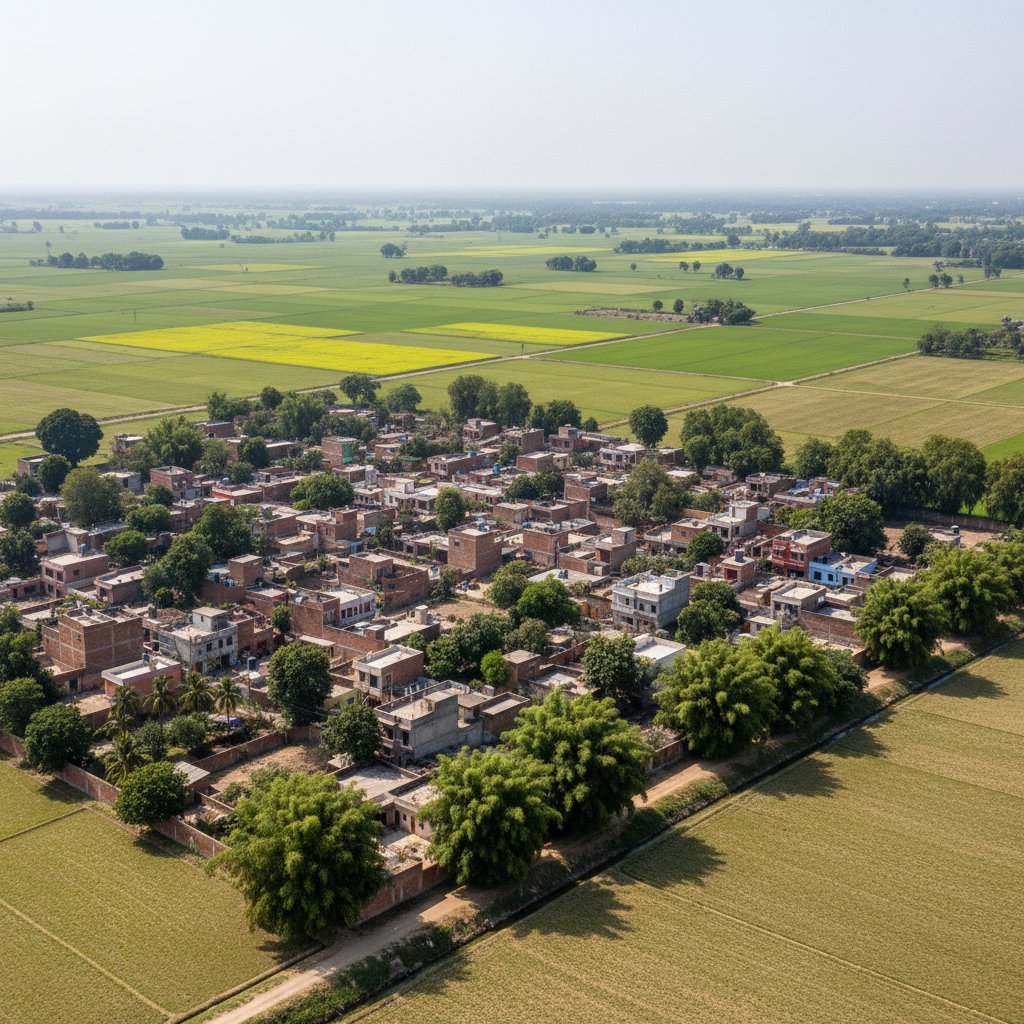
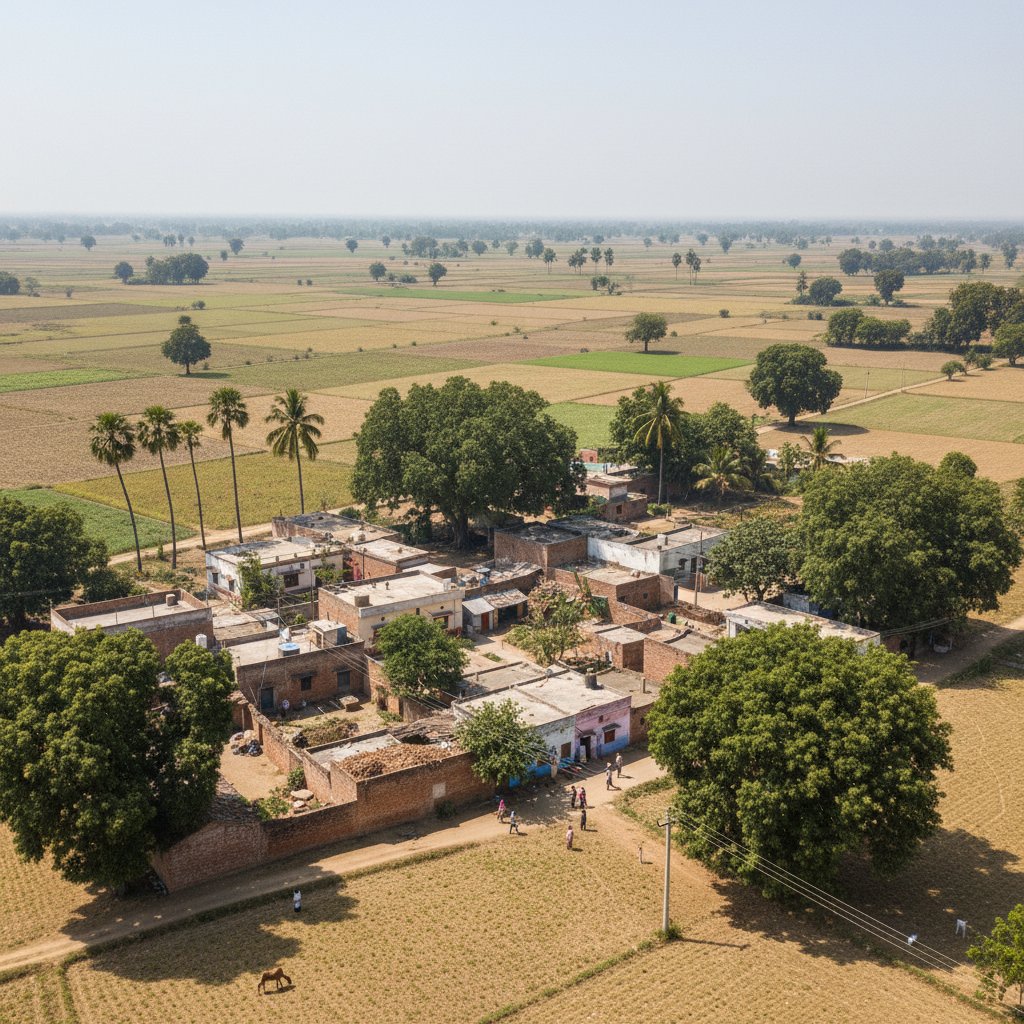
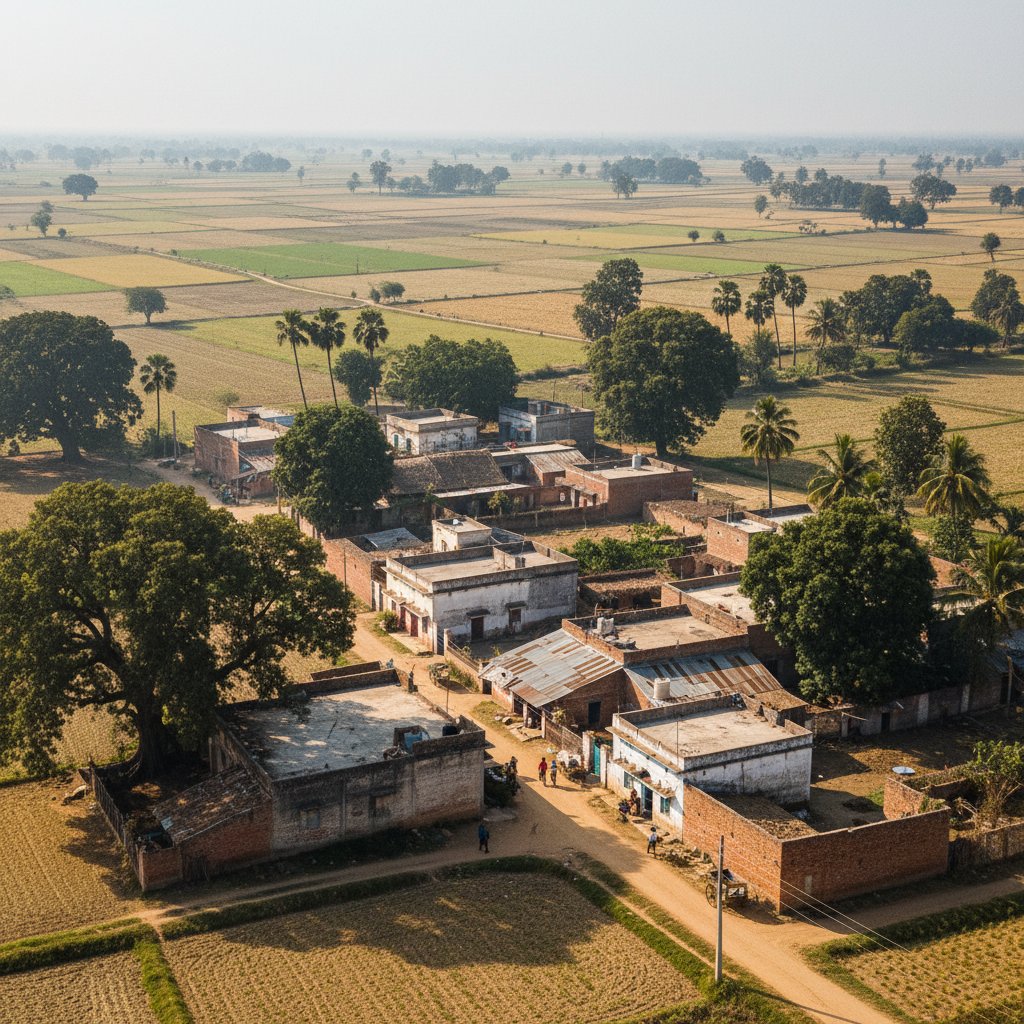
Nāranda is a small village located in the state of Maharashtra, India. While specific information about Nāranda village may not be readily available, there are several potential benefits of traveling to rural destinations like Nāranda:
-
Authentic Cultural Experience: Traveling to rural areas like Nāranda allows you to experience the authentic local culture and traditions of India. You may have the opportunity to interact with local villagers, participate in traditional activities, and witness unique cultural practices.
-
Peaceful and Serene Environment: Rural destinations are often quieter and less crowded than urban areas, providing a peaceful and serene environment for relaxation and reflection. Nāranda may offer a tranquil setting surrounded by nature, offering a break from the hustle and bustle of city life.
-
Scenic Landscapes and Nature: Rural areas typically boast beautiful natural landscapes, including lush greenery, rolling hills, and picturesque surroundings. Traveling to Nāranda may provide opportunities for nature walks, hikes, and exploration of the local flora and fauna.
-
Community Engagement and Volunteering: Visiting rural villages like Nāranda can offer opportunities for community engagement and volunteering. You may be able to participate in local development projects, support community initiatives, or contribute to sustainable tourism practices.
-
Support Local Economy: Tourism can play a vital role in supporting the local economy of rural areas by creating employment opportunities, promoting local businesses, and preserving cultural heritage. Traveling to Nāranda can help contribute to the livelihoods of residents and foster economic development in the region.
While specific details about Nāranda village in Maharashtra may not be readily available, exploring rural destinations can offer a unique and enriching travel experience. It is recommended to conduct further research or reach out to local tourism authorities for more information about Nāranda and its attractions.
What to know
Naranda lacks dedicated tourist infrastructure, including hotels, formal restaurants, and guided tours. Public transportation options are limited, making it difficult to reach without a private vehicle. There are no major attractions, monuments, or entertainment venues, which may not appeal to conventional tourists. Additionally, English is rarely spoken by the locals, so communication can be challenging for international visitors without some knowledge of Marathi or Hindi.