
Mazowieckie
· PL

Mazowieckie

Mazowieckie, Poland

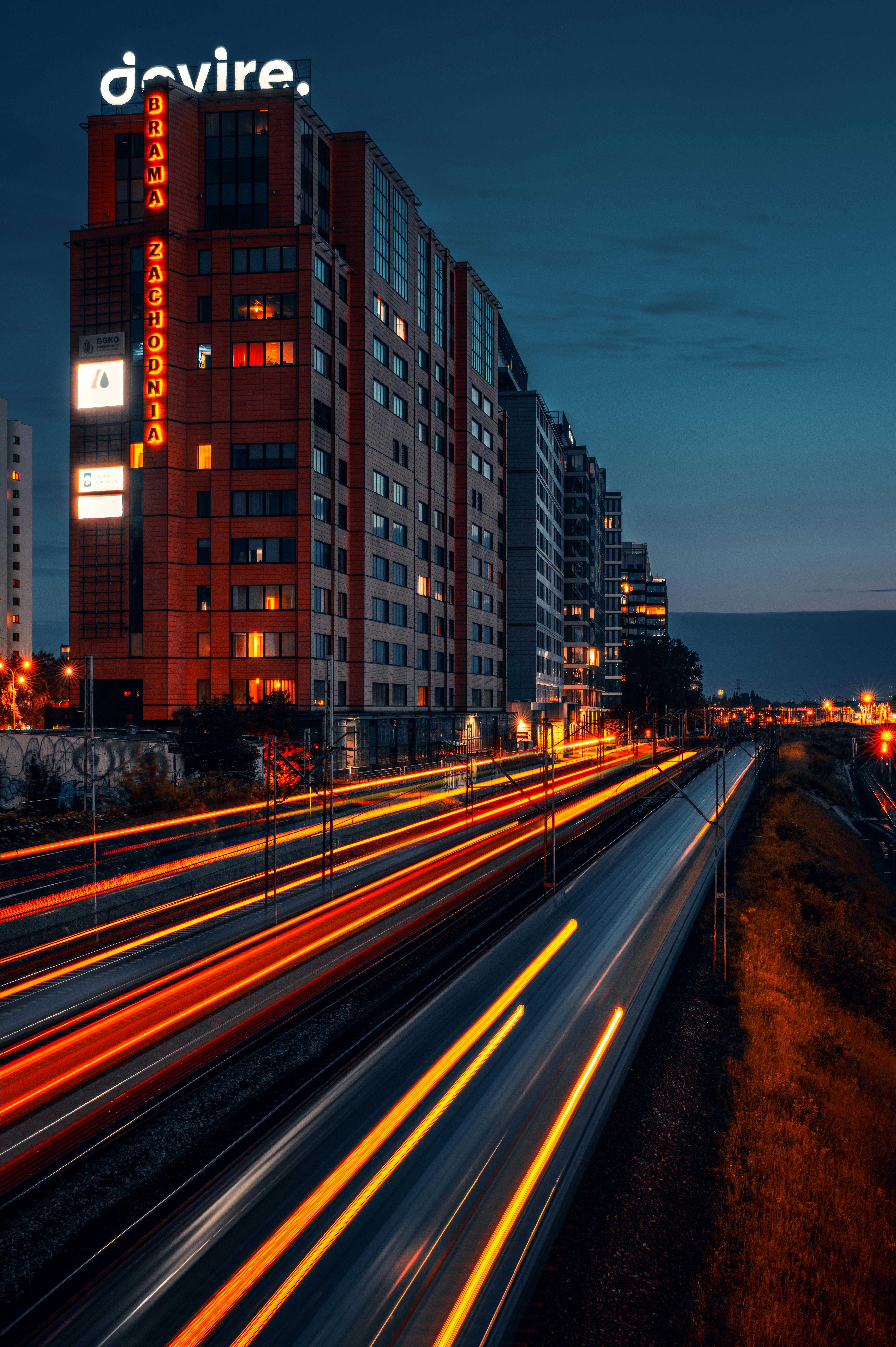
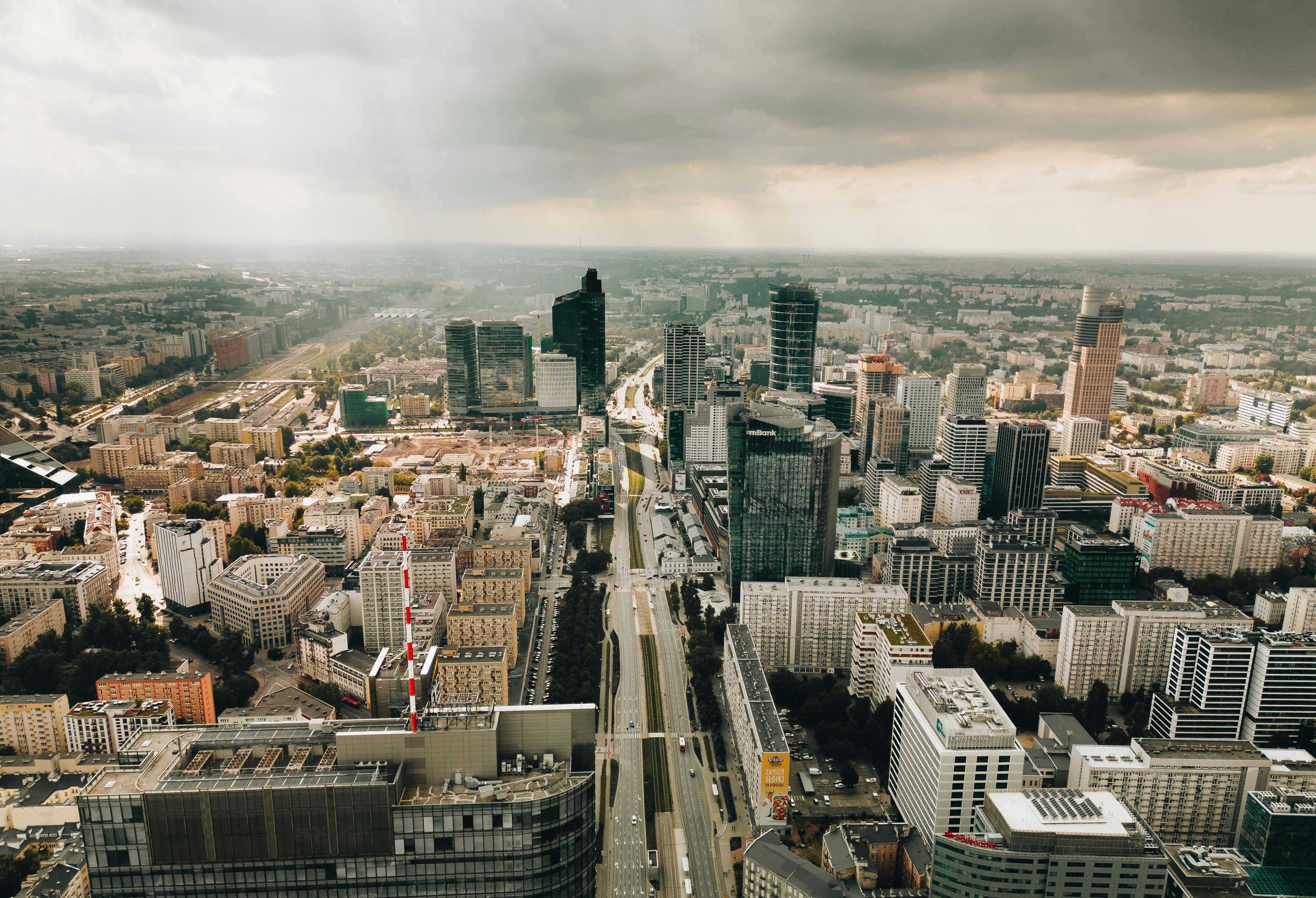
Discover the Heart of Poland: Mazowieckie Awaits Mazowieckie, the beating heart of Poland, invites you on a journey through time, culture, and captivating landscapes. Home to the vibrant capital of Warsaw and steeped in …

#Eastern Europe#Capital Region#Warsaw#Historic Sites#Cultural Attractions
1/9

Top hotels & flights

Hand-picked stays and the best fares into Mazowieckie.

Top Hotels in Mazowieckie

Top Flights to Mazowieckie

Location videos

Real reels from travelers, plus longer watches to get the full picture.

Watch & explore

Practical info

The essentials for planning your time in Mazowieckie.

Currency
zł | PLN | Polish Zloty
Population
5.5 million
Languages
Polish, Polish

Local guide

What travelers love, what to watch for, and a deeper read on Mazowieckie.

What people love

Mazowieckie is a province located in central Poland, with its capital being Warsaw. Traveling to Mazowieckie offers several advantages and unique experiences for visitors. Here are some pros of traveling to Mazowieckie:

  1. Rich History and Culture: Mazowieckie is home to Warsaw, the capital city of Poland, which is steeped in history and culture. Visitors can explore the Old Town, which has been meticulously restored after World War II, and visit numerous museums, galleries, and historical sites.

  2. Palaces and Castles: The province is dotted with beautiful palaces and castles, such as the Royal Castle in Warsaw, Łazienki Palace, and the Castle of the Masovian Dukes in Czersk. These magnificent structures offer a glimpse into Poland's royal past.

  3. Natural Beauty: Mazowieckie boasts picturesque landscapes, including the Kampinos National Park, which is perfect for outdoor activities such as hiking, cycling, and bird watching. The region also has several lakes and rivers, offering opportunities for water sports and relaxation.

  4. Culinary Delights: Visitors to Mazowieckie can savor traditional Polish cuisine, including pierogi (dumplings), bigos (hunter's stew), and delicious pastries. The province also has a vibrant food scene with trendy cafes, restaurants, and food markets.

  5. Convenient Transportation: Mazowieckie is well-connected by an extensive transportation network, making it easy for visitors to explore the region and travel to other parts of Poland. Warsaw's international airport, Warsaw Chopin Airport, serves as a major hub for air travel.

  6. Events and Festivals: Mazowieckie hosts various events and festivals throughout the year, celebrating music, art, culture, and traditions. Visitors can immerse themselves in the local festivities and experience the vibrant atmosphere of the region.

Overall, traveling to Mazowieckie offers a diverse range of experiences for visitors, from exploring historical landmarks to enjoying natural beauty and culinary delights. It is a destination worth considering for those interested in immersing themselves in Polish history and culture.

What to know

Mazowieckie is a province in central Poland, with its capital city being Warsaw. While Mazowieckie is a popular tourist destination with many attractions and historical sites, there are some potential cons to consider when traveling to this region:

  1. Crowded Tourist Areas: In peak tourist seasons, popular areas in Mazowieckie, especially in Warsaw, can get quite crowded with tourists. This may lead to longer waiting times at attractions, restaurants, and public transportation.

  2. Traffic Congestion: Warsaw, as the capital city of Poland and located in Mazowieckie, can experience heavy traffic congestion, particularly during rush hours. Navigating through the city by car can be challenging and time-consuming.

  3. Language Barrier: While many people in Mazowieckie, particularly in tourist areas, speak English, you may still encounter some language barriers when interacting with locals who only speak Polish. It could be challenging to communicate effectively in such situations.

  4. High Cost of Living: Warsaw, being the economic and financial hub of Poland, has a relatively high cost of living compared to other regions in the country. Accommodation, dining out, and entertainment expenses in Mazowieckie, especially in Warsaw, can be higher than in other parts of Poland.

  5. Weather: The weather in Mazowieckie, like much of Poland, can be unpredictable, with cold winters and hot summers. If you are not accustomed to these weather conditions, it may affect your travel experience.

  6. Tourist Scams: As with any tourist destination, there may be instances of tourist scams in Mazowieckie, particularly in crowded areas and popular tourist sites. It is advisable to stay vigilant and be cautious to avoid falling victim to scams.

While Mazowieckie offers many attractions and cultural experiences, it's essential to be aware of these potential cons to plan your trip effectively and make the most of your visit to this region.

Mazowieckie, also known as the Masovian Voivodeship, is a significant region in east-central Poland, with Warsaw as its capital. It has a rich history that has played a crucial role in the development of Poland. Here is a detailed history of Mazowieckie:

Early History

  • Prehistoric Times: The area that is now Mazowieckie was inhabited by various tribes during prehistoric times. Archeological findings suggest that it was a culturally diverse region long before the establishment of Poland as a nation.
  • Mazovian Tribe: The region takes its name from the ancient Mazovian tribe, which was one of the groups that formed the early Polish state in the 10th century.

Middle Ages

  • Formation of the Duchy of Masovia: In the 12th century, Mazovia became a separate duchy. The Duchy of Masovia was established in the late 12th century following the fragmentation of Poland and remained a significant political entity throughout the Middle Ages.
  • Teutonic Knights and the Union of Krewo: The region was involved in conflicts with the Teutonic Knights and played a role in the political landscape that led to the Union of Krewo in 1385, which began the personal union between Poland and Lithuania.

Renaissance and Baroque Period

  • Incorporation into the Polish Crown: In 1526, Mazovia was incorporated into the Polish Crown, strengthening the region's ties with the rest of Poland. This integration marked the end of the independent Duchy of Masovia.
  • Cultural Development: The Renaissance period saw significant cultural development in Mazovia, particularly in Warsaw, which was becoming an important center for arts and sciences.

18th and 19th Centuries

  • Partitions of Poland: During the late 18th century, Poland underwent three partitions, and Mazovia was affected significantly. The third partition in 1795 resulted in the dissolution of the Polish-Lithuanian Commonwealth, and Mazovia was incorporated into Prussia.
  • Duchy of Warsaw and Congress Poland: After the Napoleonic Wars, Mazovia became part of the Duchy of Warsaw, and later, it was incorporated into the Congress Kingdom of Poland, a semi-autonomous state under Russian influence.

20th Century

  • World Wars: During World War I, Mazovia was a battleground, and after the war, it became part of the newly re-established Polish state. During World War II, the region suffered greatly under German occupation, with significant resistance movements and tragic events like the Warsaw Uprising in 1944.
  • Post-War Era: After World War II, Mazovia became a central part of the Polish People's Republic. Warsaw, significantly damaged during the war, was reconstructed and became a symbol of resilience and recovery.

Modern Era

  • Economic and Cultural Hub: Today, the Masovian Voivodeship is the most populous and economically developed region in Poland, with Warsaw as a major European capital. It is a center for politics, culture, and education.
  • European Union: In 2004, Mazovia, as part of Poland, joined the European Union, further integrating the region into the European community.

Important Landmarks

  • Royal Castle in Warsaw: A historic site that has been the residence of Polish monarchs and is now a museum.
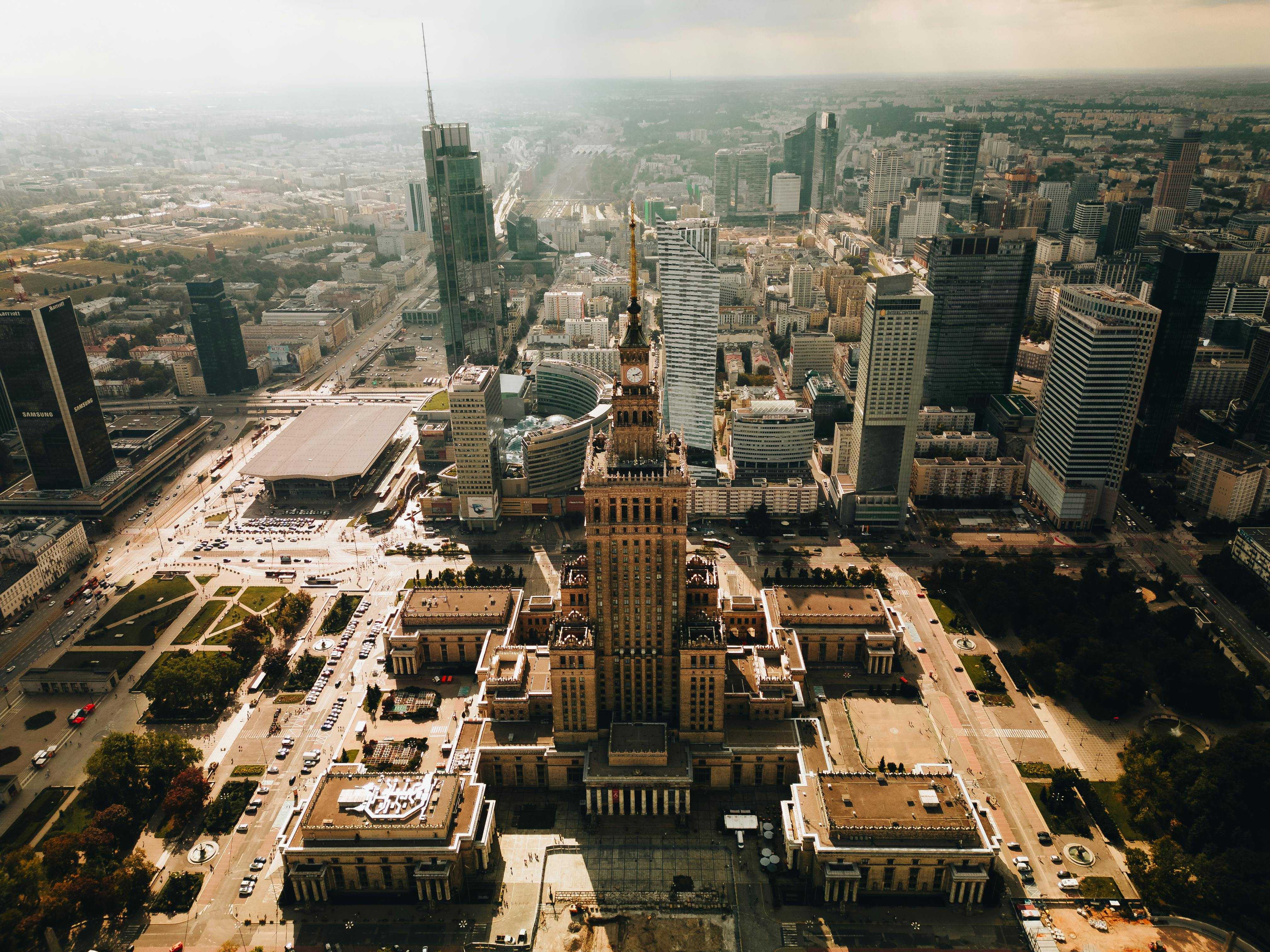
  • Palace of Culture and Science: A significant landmark in Warsaw, originally built as a gift from the Soviet Union, it is now a center for various cultural activities.
  • Wilanów Palace: A baroque royal residence that represents the rich history and architectural heritage of Mazovia.
  • Warsaw Uprising Museum: Commemorates the Warsaw Uprising of 1944, offering insights into the city's wartime history.

Notable Historical Figures

  • Józef Piłsudski: A prominent Polish statesman who played a crucial role in Poland's independence, with ties to the region.
  • Marie Curie: Born in Warsaw, she is one of the most famous scientists from the region, known for her pioneering research on radioactivity.

Mazowieckie continues to be a vital region in Poland, with a rich history that reflects its resilience and cultural significance.