
Marrakech-Safi
· MA

Marrakech-Safi

Marrakech-Safi, Morocco

Marrakech-Safi: Where Ancient Majesty Meets Modern Magic Marrakech-Safi, a region in the heart of Morocco, beckons travelers with a mesmerizing blend of ancient history, vibrant culture, and stunning natural beauty. From…

#Morocco#Marrakech-Safi#North Africa#Historical sites#Cultural destination
1/8

Top hotels & flights

Hand-picked stays and the best fares into Marrakech-Safi.

Top Hotels in Marrakech-Safi

Top Flights to Marrakech-Safi

Popular activities

Tours, tickets and experiences travelers book most in Marrakech-Safi.

Tours

Visit to Jardin Majorelle

Explore this famous garden designed by the French artist Jacques Majorelle, which features a captivating array of exotic plants and vibrant colors.

Visit Koutoubia Mosque

Explore the largest mosque in Marrakech, known for its beautiful minaret.

Bahia Palace Tour

Visit this beautiful 19th-century palace with its stunning architecture and gardens.

Relax at Menara Gardens

Enjoy the tranquility of the Menara Gardens, known for its olive groves and stunning pavilion.

Shopping

Explore the Souks of Medina

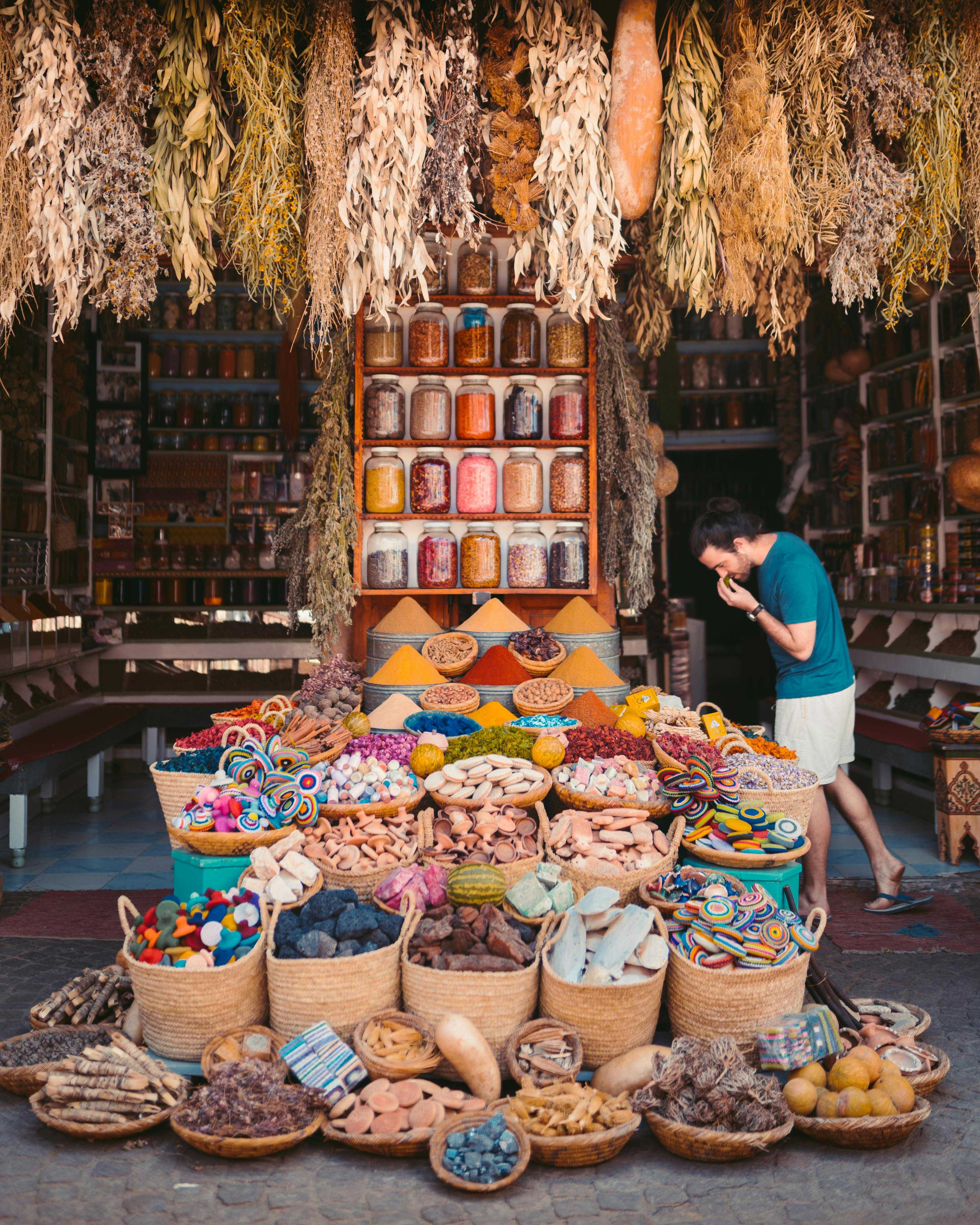
Wander through the bustling souks of Medina filled with spices, rugs, leather goods, and more.

Shopping at Gueliz

Discover modern boutiques and cafes in the trendy Gueliz district.

Outdoor

Camel Ride in the Palmeraie

Experience the desert landscape of the Palmeraie on a camel ride.

Quad Biking in Agafay Desert

Enjoy an exhilarating quad biking experience in the rocky Agafay Desert.

Hot Air Balloon Ride

Witness breathtaking views of Marrakech and the Atlas Mountains from a hot air balloon.

Hiking in the Atlas Mountains

Embark on a scenic hike in the breathtaking Atlas Mountains.

Location videos

Real reels from travelers, plus longer watches to get the full picture.

From travelers
Watch & explore

Practical info

The essentials for planning your time in Marrakech-Safi.

Currency
MAD | MAD | Moroccan Dirham
Population
The approximate estimated total population of Marrakech-Safi, Morocco, is 4.5 million.
Languages
Arabic, French, Berber

Local guide

What travelers love, what to watch for, and a deeper read on Marrakech-Safi.

What people love

Traveling to Marrakech-Safi in Morocco offers a unique and immersive experience for visitors. Here are some of the pros of visiting this region:

  1. Rich Culture and History: Marrakech-Safi is known for its vibrant culture and fascinating history. Visitors can explore historic sites such as the Medina of Marrakech, the Koutoubia Mosque, and the Bahia Palace, each offering insights into the region's rich heritage.

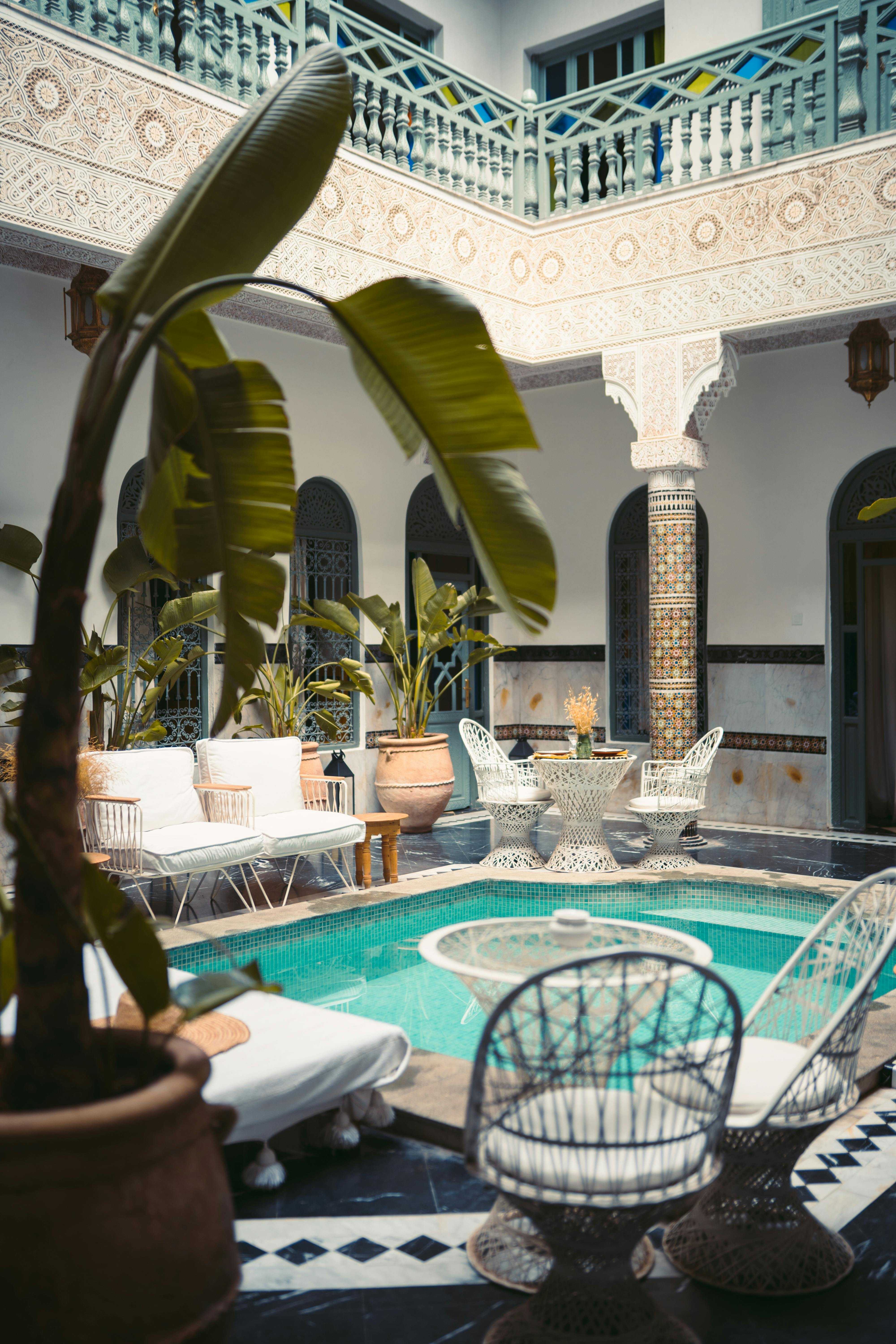
  2. Stunning Architecture: The region is renowned for its beautiful architecture, characterized by intricate tile work, ornate carvings, and colorful designs. Visitors can marvel at the stunning buildings and monuments that showcase the traditional craftsmanship of Morocco.

  3. Vibrant Markets: Marrakech-Safi is home to bustling markets, such as the famous Jemaa el-Fnaa square in Marrakech, where visitors can shop for unique souvenirs, spices, textiles, and handicrafts. The lively atmosphere and diverse array of goods make for an exciting shopping experience.

  4. Scenic Landscapes: The region boasts diverse landscapes, from the bustling city of Marrakech to the serene coastal towns along the Atlantic Ocean. Visitors can explore the picturesque Atlas Mountains, the stunning beaches of Essaouira, and the lush valleys and palm groves that dot the region.

  5. Culinary Delights: Marrakech-Safi offers a culinary journey for food enthusiasts, with a variety of traditional dishes and flavors to savor. Visitors can enjoy authentic Moroccan cuisine, such as tagines, couscous, and pastries, as well as fresh seafood along the coast.

Overall, traveling to Marrakech-Safi provides an opportunity to immerse oneself in the rich culture, history, and beauty of Morocco, making it a memorable and rewarding destination for visitors.

Enjoy your trip to Marrakech-Safi!

What to know

Some potential cons of traveling to Marrakech-Safi in Morocco include:

  1. Language barrier: While many people in Marrakech-Safi speak multiple languages, including French and English, the primary language spoken is Arabic. This can sometimes pose challenges for travelers who do not speak the language.

  2. Scams and touts: As with any popular tourist destination, there may be instances of scams and touts trying to take advantage of visitors. It's important to be cautious and aware of your surroundings to avoid falling victim to scams.

  3. Cultural differences: Morocco has a different cultural and social etiquette compared to Western countries. Travelers should be respectful of local customs, traditions, and dress codes to avoid inadvertently causing offense.

  4. Traffic and congestion: Marrakech-Safi can get quite busy, especially in popular tourist areas like the Medina. Traffic congestion and crowded streets can make getting around the city more challenging.

  5. Health concerns: Travelers to Marrakech-Safi should be mindful of food and water safety to avoid getting sick. It's also important to protect against sun exposure and stay hydrated, especially during the hotter months.

  6. Weather extremes: Marrakech-Safi experiences hot summers and mild winters. Travelers should be prepared for temperature fluctuations and plan their activities accordingly.

It's always a good idea to research and be aware of potential challenges before traveling to a new destination to ensure a safe and enjoyable trip.

Marrakech-Safi is an administrative region in central Morocco, known for its rich history, cultural significance, and diverse geography. Here is a detailed history of the region, including significant events, historical figures, and important landmarks:

Historical Background

  1. Founding of Marrakech (1070-1072):

    • Marrakech, the capital of the region, was founded by Abu Bakr ibn Umar, a leader of the Almoravid dynasty, around 1070-1072. It quickly became a political, economic, and cultural center.
  2. Almohad Period (1147–1269):

    • The Almohad dynasty conquered Marrakech in 1147, making it their capital. During this period, Marrakech flourished as a center of learning and art. The Koutoubia Mosque, one of the city's most iconic landmarks, was built during this time.
  3. Saadian Dynasty (16th Century):

    • The Saadian dynasty, which ruled from the 16th to the 17th centuries, is known for its architectural contributions to Marrakech. The Saadian Tombs, rediscovered in 1917, date back to this era.
  4. Alaouite Dynasty (17th Century - Present):

    • The current ruling dynasty of Morocco, the Alaouites, have also left their mark on the region. Marrakech has remained an important city throughout their reign.

Significant Historical Figures

  1. Yusuf ibn Tashfin (c. 1009–1106):

    • A leader of the Almoravid dynasty who played a crucial role in the expansion and consolidation of the empire. He made Marrakech a stronghold of the Almoravid dynasty.
  2. Ahmad al-Mansur (1549–1603):

    • A Saadian sultan known for his opulent court and architectural projects, including the construction of the El Badi Palace.

Important Landmarks

  1. Koutoubia Mosque:

    • The largest mosque in Marrakech, known for its stunning minaret, which has become a symbol of the city.
  2. Jemaa el-Fnaa:

    • The main square in Marrakech, famous for its vibrant atmosphere, street performers, and food stalls.
  3. Bahia Palace:

    • A beautiful 19th-century palace with intricate architecture and lush gardens, showcasing Moroccan craftsmanship.
  4. El Badi Palace:

    • Built by Ahmad al-Mansur, this palace is a testament to the grandeur of the Saadian dynasty, though now largely in ruins.
  5. Saadian Tombs:

    • The final resting place of many members of the Saadian dynasty, these tombs are renowned for their intricate decoration and historical significance.
  6. Menara Gardens:

    • A historic park with olive groves and a large reflecting pool, offering stunning views of the Atlas Mountains.

Cultural and Economic Significance

  • Marrakech-Safi is a major economic hub, particularly known for its tourism industry. Marrakech, with its historic medina, attracts millions of visitors annually.
  • The region is also known for its handicrafts, including pottery, textiles, and leather goods.

Modern Developments

  • In recent years, Marrakech has hosted various international events, including the United Nations Climate Change Conference (COP22) in 2016, highlighting its global importance.

Marrakech-Safi continues to be a region of historical and cultural significance in Morocco, blending its rich past with vibrant modernity.