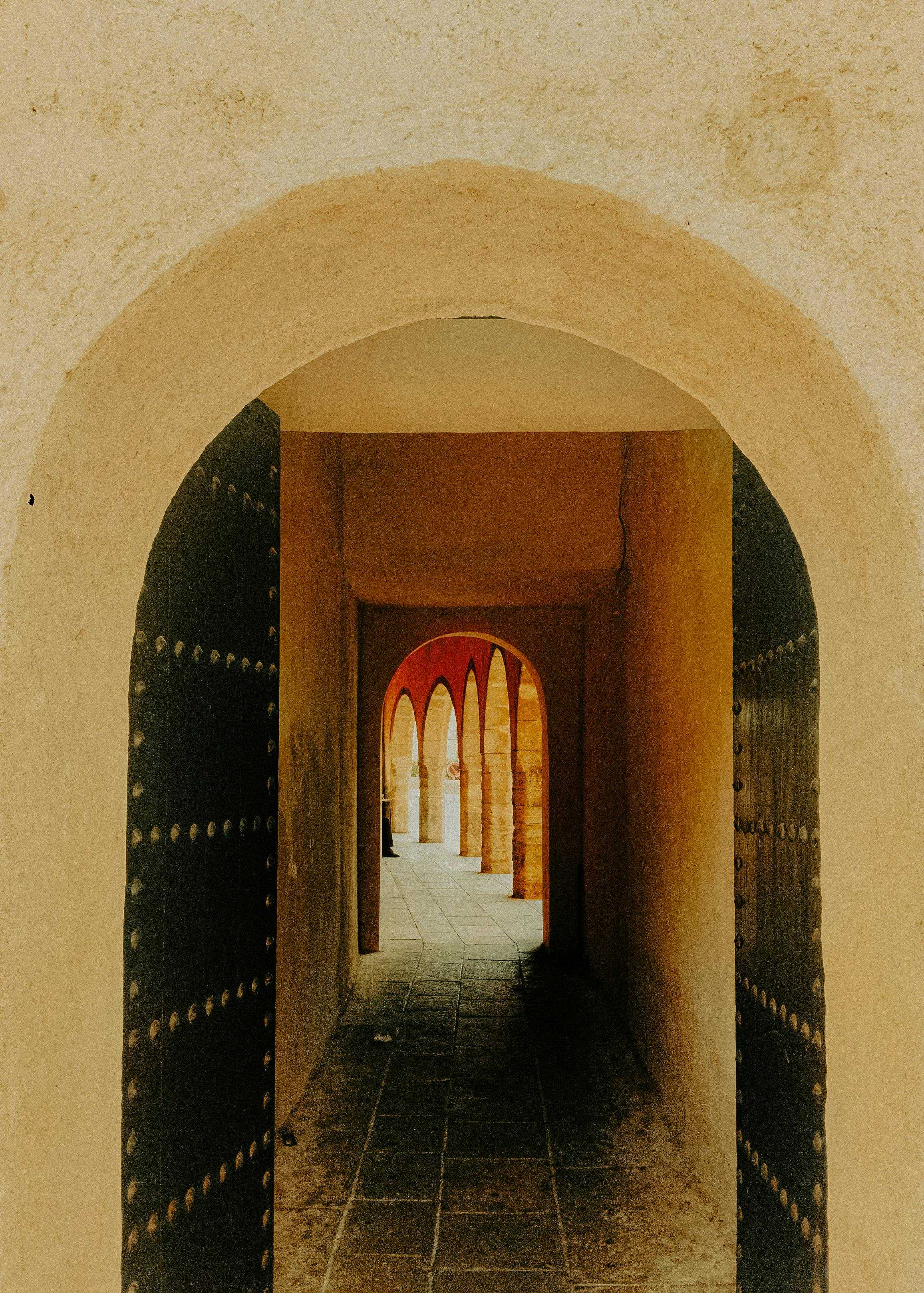
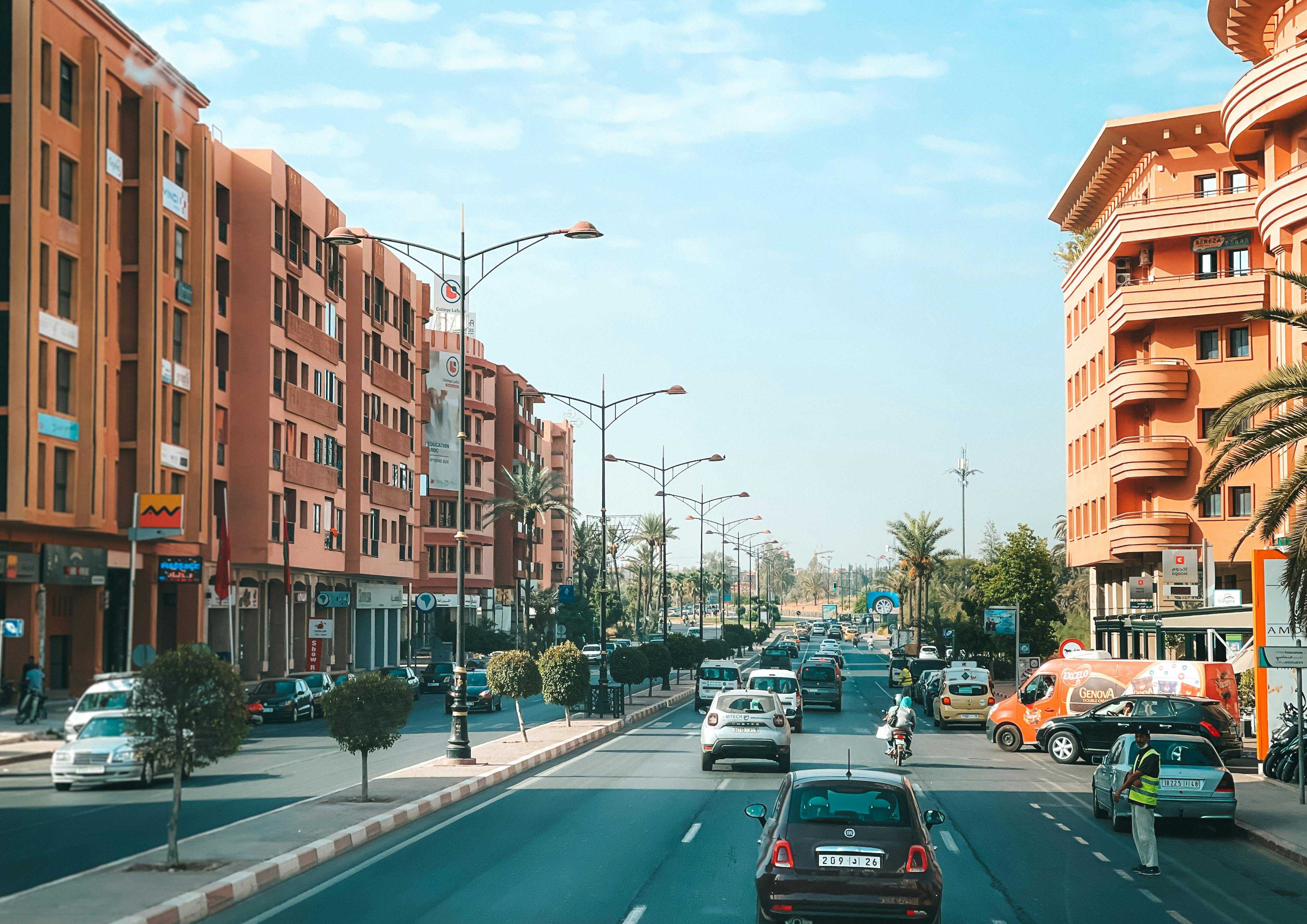
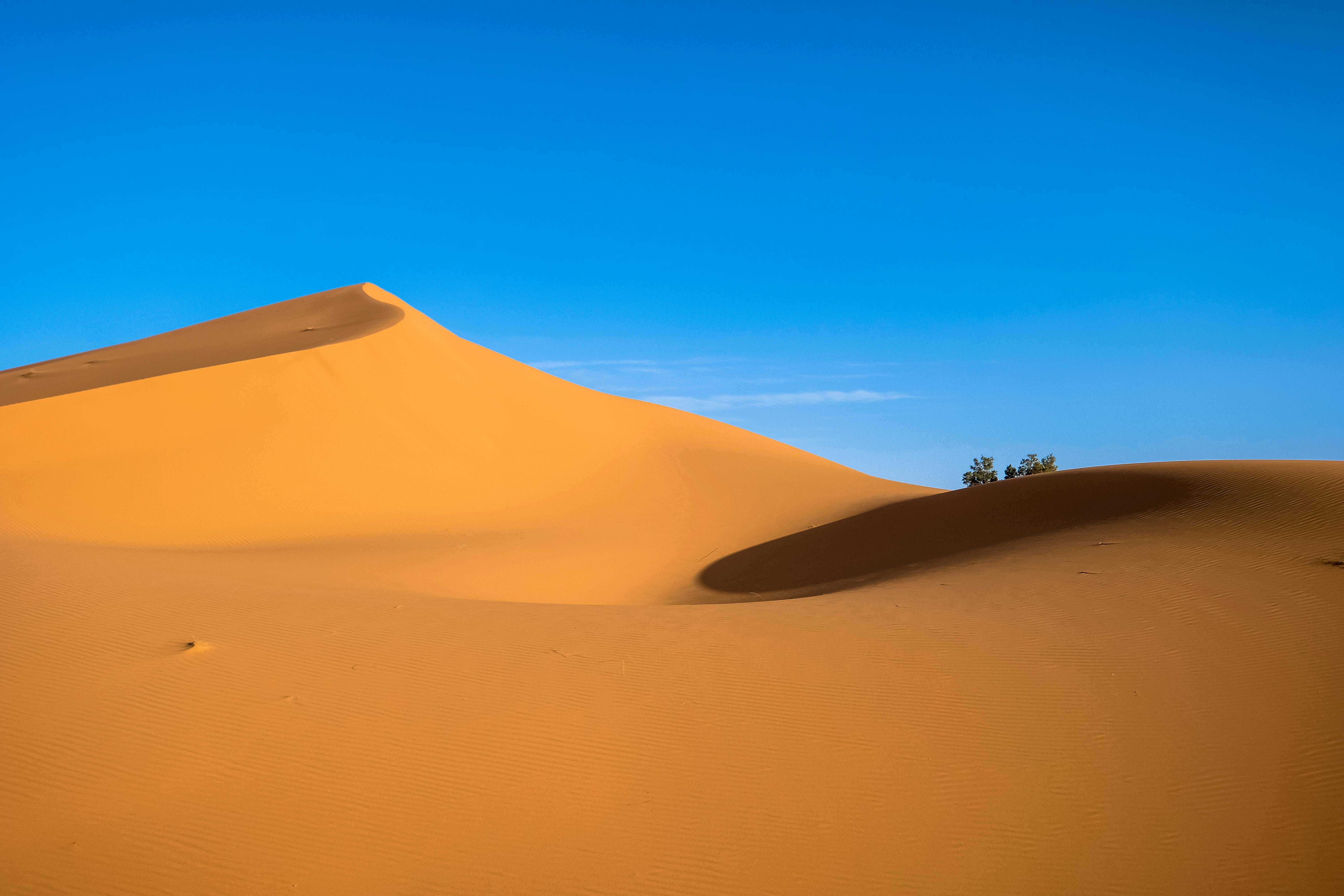

Morocco
· MA

Morocco

Morocco

Discover the Magic of Morocco: Where Ancient Wonders Meet Modern Marvels Morocco, a land of vibrant colors, tantalizing aromas, and captivating stories, beckons travelers to experience its unique blend of ancient traditi…

#North Africa#Mediterranean#Cultural Diversity#Historic Architecture#Desert Landscapes
1/20

Top hotels & flights

Hand-picked stays and the best fares into Morocco.

Top Hotels in Marrakech

Top Flights to Marrakech

Popular activities

Tours, tickets and experiences travelers book most in Morocco.

Tours

Explore Marrakech's Medina

An exotic experience in the heart of Marrakech, where you can wander through bustling souks, admire traditional Moroccan architecture, and soak in the vibrant atmosphere.

Visit the Blue City of Chefchaouen

Stroll through the charming blue-painted streets of Chefchaouen, a city known for its striking blue buildings and relaxed atmosphere.

Casablanca City Tour

Explore the economic capital of Morocco with its blend of modernism and history, the beautiful Hassan II Mosque, and the Corniche.

Ait Benhaddou Visit

Explore the ancient fortified village of Ait Benhaddou, a UNESCO World Heritage site known for its stunning earthen clay architecture.

Shopping

Shopping in the Souks of Fez

Discover the traditional crafts and vibrant atmosphere of Fez's markets, offering everything from spices to handmade textiles.

Outdoor

Hiking in the Atlas Mountains

Experience breathtaking landscapes, traditional Berber villages, and challenging hiking trails in the Atlas Mountains.

Sahara Desert Tour

An unforgettable journey through Morocco's Sahara Desert, including camel rides, camping under the stars, and exploring the stunning sand dunes.

Surfing in Taghazout

Catch some of the best waves in Morocco or learn to surf in the laid-back coastal village of Taghazout.

Location videos

Real reels from travelers, plus longer watches to get the full picture.

From travelers
Watch & explore

Practical info

The essentials for planning your time in Morocco.

Currency
د.م. | MAD | Moroccan Dirham
Population
37.8 million
Languages
Arabic, Arabic, French, Berber
Average weather
Morocco
Jan
rain
17°6°
Feb
rain
18°7°
Mar
cloud
20°9°
Apr
sun
22°11°
May
sun
25°14°
Jun
clear
29°18°
Jul
hot
35°22°
Aug
hot
35°22°
Sep
sun
30°19°
Oct
sun
26°15°
Nov
cloud
21°11°
Dec
rain
18°8°

Local guide

What travelers love, what to watch for, and a deeper read on Morocco.

What people love

There are several pros of traveling to Morocco:

  1. Rich history and culture: Morocco has a long and diverse history, with influences from various civilizations such as Arab, Berber, and European. Travelers can explore ancient cities, visit historic sites, and experience traditional Moroccan culture.

  2. Diverse landscapes: From the Sahara Desert to the Atlas Mountains to the beautiful coastline, Morocco offers a variety of landscapes for travelers to explore. You can go hiking, camel trekking, or simply relax on the beach.

  3. Delicious cuisine: Moroccan cuisine is known for its flavorful spices, fresh ingredients, and unique dishes such as tagine, couscous, and pastries. Food lovers will enjoy trying the local dishes and experiencing the vibrant food scene.

  4. Hospitality and friendliness: Moroccans are known for their warm hospitality and welcoming nature. Travelers will likely encounter friendly locals who are eager to share their culture and traditions.

  5. Shopping opportunities: Morocco is famous for its markets, or souks, where you can find a wide range of goods such as textiles, ceramics, jewelry, and spices. Bargaining is a common practice, so be prepared to haggle for the best prices.

Overall, traveling to Morocco offers a rich cultural experience, stunning landscapes, delicious food, and friendly locals, making it a popular destination for tourists from around the world.

What to know

Traveling to Morocco, like any other destination, has its cons. Some potential cons of traveling to Morocco include:

  1. Language barrier: While many people in Morocco speak multiple languages, including Arabic, French, and English, there may still be instances where communication can be challenging, especially in more rural areas.

  2. Scams: Tourists may encounter scams, especially in popular tourist areas like Marrakech and Fez. It is important to be cautious and aware of common scams to avoid falling victim to them.

  3. Harassment: Female travelers, in particular, may experience unwanted attention or harassment in certain parts of Morocco. It's important to dress modestly and be cautious when traveling alone, especially at night.

  4. Health and safety concerns: Like any travel destination, there are health and safety risks to consider in Morocco. Travelers should be mindful of food and water safety, as well as potential illnesses like traveler's diarrhea.

  5. Political instability: While Morocco is generally safe for tourists, there have been occasional protests and demonstrations in some areas. It's important to stay informed about the current political situation and avoid any areas of unrest.

It's essential to be prepared and informed before traveling to Morocco to ensure a safe and enjoyable experience.

Morocco, officially known as the Kingdom of Morocco, is a country located in North Africa. It has a rich and diverse history influenced by various cultures and civilizations over the centuries.

Ancient History

The region now known as Morocco has been inhabited since prehistoric times, with evidence of human presence dating back over 90,000 years. The indigenous Berber people, known as the Amazigh, have lived in the area for thousands of years.

Carthaginian and Roman Periods

Around the 5th century BCE, the Phoenicians established trading posts along the Moroccan coast, which were later taken over by the Carthaginians. The Romans conquered the region in the 1st century BCE, incorporating it into the province of Mauretania Tingitana. Volubilis, near the modern city of Meknes, became an important Roman city and remains a significant archaeological site today.

Islamic Influence and the Rise of Dynasties

In the 7th century CE, the Arab-Muslim expansion brought Islam to Morocco. The region saw the rise of several influential Berber dynasties, including:

  • The Idrisid Dynasty (788-974): Founded by Idris I, a descendant of the Prophet Muhammad, it was the first Arab-Muslim state in the region.
  • The Almoravid Dynasty (1040-1147): Known for their military prowess and religious reform, they established Marrakesh as their capital.
  • The Almohad Dynasty (1121-1269): They overthrew the Almoravids and expanded control over much of North Africa and Spain.

The Marinid and Saadi Dynasties

  • The Marinid Dynasty (1244-1465): They replaced the Almohads and built many madrasas and mosques, influencing the architectural style of cities like Fez.
  • The Saadi Dynasty (1549-1659): Known for their resistance against the Portuguese and Ottomans, they marked a golden age in Morocco under Sultan Ahmad al-Mansur.

The Alaouite Dynasty

The current ruling dynasty, the Alaouites, began their reign in 1666 with Moulay Rashid. They have played a significant role in maintaining Morocco's sovereignty, especially during periods of colonial pressure.

Colonial Era and Independence

In the 19th and early 20th centuries, European powers sought to expand their influence in Morocco. The country became a French protectorate in 1912, with Spain controlling parts of the north and south. Morocco gained independence from France and Spain in 1956, with Mohammed V becoming king.

Modern Era

Post-independence, Morocco has seen significant political and economic changes. King Hassan II, who ruled from 1961 to 1999, played a key role in the development of a modern state infrastructure. His son, King Mohammed VI, ascended the throne in 1999 and has focused on economic reforms and human rights improvements.

Significant Landmarks

  • Hassan II Mosque: Located in Casablanca, it is the largest mosque in Africa and the seventh largest in the world.
  • Koutoubia Mosque: An iconic 12th-century mosque in Marrakesh.
  • The Medina of Fez: A UNESCO World Heritage site and one of the best-preserved historic towns in the Arab-Muslim world.
  • Ait Benhaddou: A fortified village along the former caravan route between the Sahara and Marrakesh.
  • The Kasbah of the Udayas: A historic fortress in Rabat overlooking the Atlantic Ocean.

Conclusion

Morocco's history is a tapestry woven from various cultural and historical influences, from indigenous Berbers to Arab conquerors and European colonizers. Today, it stands as a nation rich in tradition and poised for continued growth and development.