
Top Hotels in Mandalay
Top Flights to Mandalay
Top Activities in Mandalay
See it for yourself
Location videos
Reels and longer watches.
Traveller clips picked out for this place.
Good to know
Practical info
Weather, costs and getting around.
Scored from each month’s typical high and its usual conditions.
Mandalay, located in Myanmar, has a tropical climate with three main seasons: the hot season from March to May, the rainy season from June to October, and the cool season from November to February. During the hot season, temperatures can be quite high, often exceeding 35°C (95°F). The rainy season brings heavy showers and high humidity, especially in August and September. The cool season is the most pleasant time to visit, with temperatures ranging from 20°C to 30°C (68°F to 86°F) and lower humidity. Travelers should pack accordingly, considering light clothing for the heat and rain gear for the wet season.
All 12 monthshighs, lows and conditions


Know before you go
Local guide
A deeper read on Mandalay.
What people love
Mandalay, located in Mandalay, Burma, offers a unique and culturally rich travel experience. Here are some of the pros of traveling to Mandalay:
-
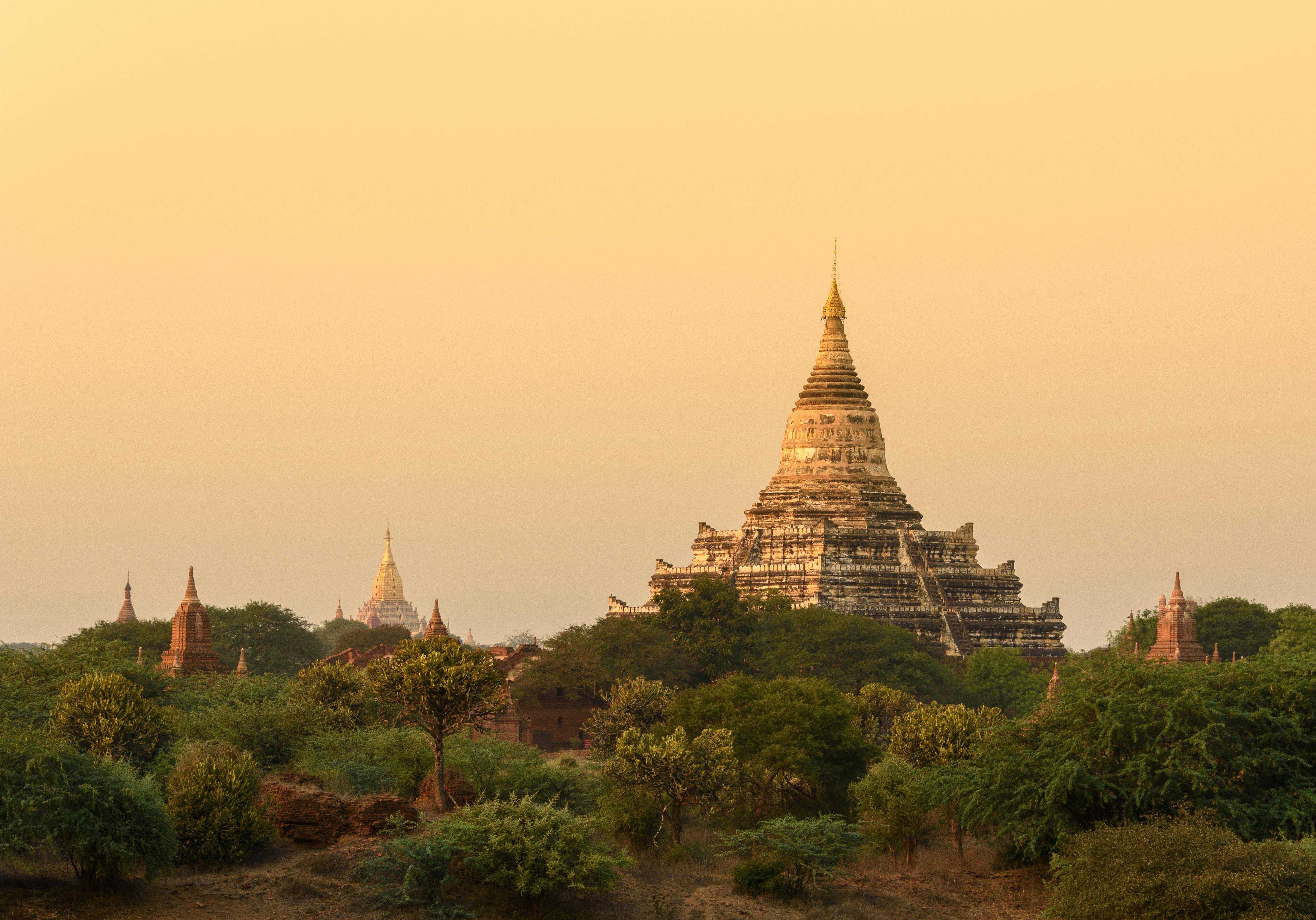
Rich Cultural Heritage: Mandalay is known as the cultural heart of Burma, with a history that dates back to ancient times. Visitors can explore numerous temples, monasteries, and pagodas that showcase the rich cultural heritage of the region.
-
Mandalay Hill: One of the most iconic landmarks in Mandalay, Mandalay Hill offers panoramic views of the city and the surrounding countryside. Visitors can climb to the top of the hill and enjoy breathtaking views of the sunset.
-
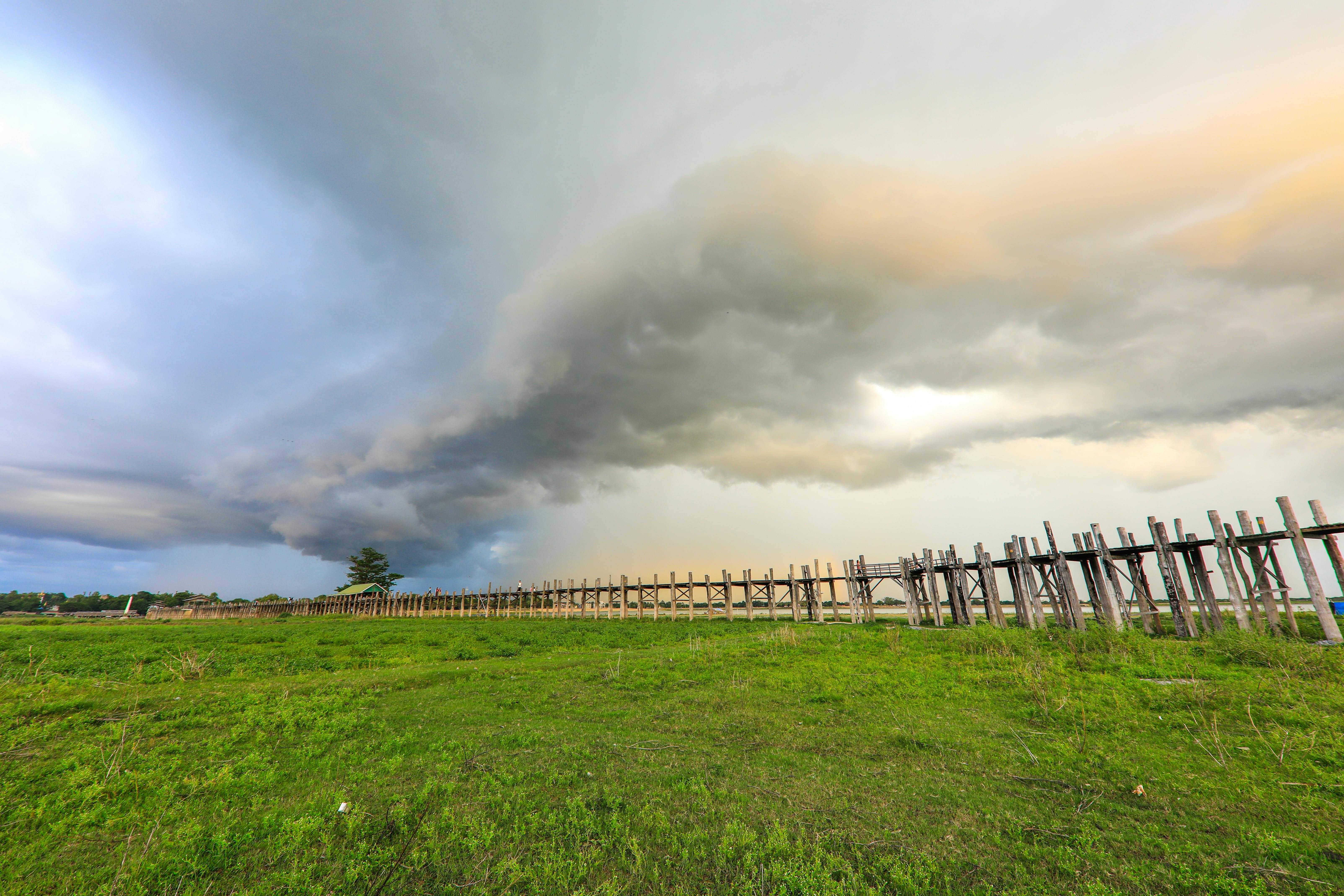
U Bein Bridge: Located near Mandalay, U Bein Bridge is the longest teak bridge in the world and a popular spot for tourists. Visitors can walk along the bridge and enjoy stunning views of the surrounding area.
-
Traditional Arts and Crafts: Mandalay is known for its traditional arts and crafts, including weaving, wood carving, and gold leaf making. Visitors can visit workshops and see artisans at work, creating beautiful handicrafts.
-
Mingun Pagoda: Just a short boat ride away from Mandalay, Mingun Pagoda is a must-visit attraction. The pagoda is an impressive unfinished structure that offers a glimpse into the grandeur of ancient Burmese architecture.
-
Local Cuisine: Mandalay is a paradise for food lovers, with a variety of local dishes to try. From traditional Burmese curries to street food snacks, visitors can indulge in the delicious flavors of the region.
Overall, traveling to Mandalay offers a unique opportunity to immerse yourself in Burmese culture, history, and cuisine, making it a memorable destination for travelers.
What to know
Some potential cons of traveling to Mandalay, Burma could include:
-
Weather: Mandalay has a tropical monsoon climate, which means it can get very hot and humid during the summer months, with temperatures reaching well over 40°C (104°F). This extreme heat can be uncomfortable for some travelers.
-
Pollution: Like many cities in Southeast Asia, Mandalay can suffer from air pollution, especially during the dry season. This can impact the air quality and potentially cause respiratory issues for sensitive individuals.
-
Traffic congestion: Mandalay is a bustling city with a growing population, which can lead to heavy traffic congestion, especially during peak hours. Navigating the city streets can be challenging and time-consuming.
-
Limited tourist infrastructure: While Mandalay is a popular tourist destination, the city's tourism infrastructure may not be as developed as other major cities in the region. This could lead to challenges in terms of finding quality accommodation, reliable transportation, and English-speaking services.
-
Cultural differences: Travelers to Mandalay should be aware of and respectful towards the local customs and traditions. Failure to do so could lead to misunderstandings or cultural faux pas.
It's important to note that these are general considerations and individual experiences may vary. It's always a good idea to research and prepare before traveling to any destination.