
Makkah al Mukarramah
· SA

Makkah al Mukarramah

Makkah al Mukarramah, Saudi Arabia

Journey to the Heart of Islam: Makkah al-Mukarramah Makkah al-Mukarramah, more commonly known as Mecca, is a city that resonates with spiritual significance. It's the birthplace of the Prophet Muhammad and the holiest ci…

#Holy city#Religious pilgrimage#Islamic culture#Historical site#Sacred landmarks
1/5

Top hotels & flights

Hand-picked stays and the best fares into Makkah al Mukarramah.

Top Hotels in Makkah al Mukarramah

Top Flights to Makkah al Mukarramah

Popular activities

Tours, tickets and experiences travelers book most in Makkah al Mukarramah.

Tours

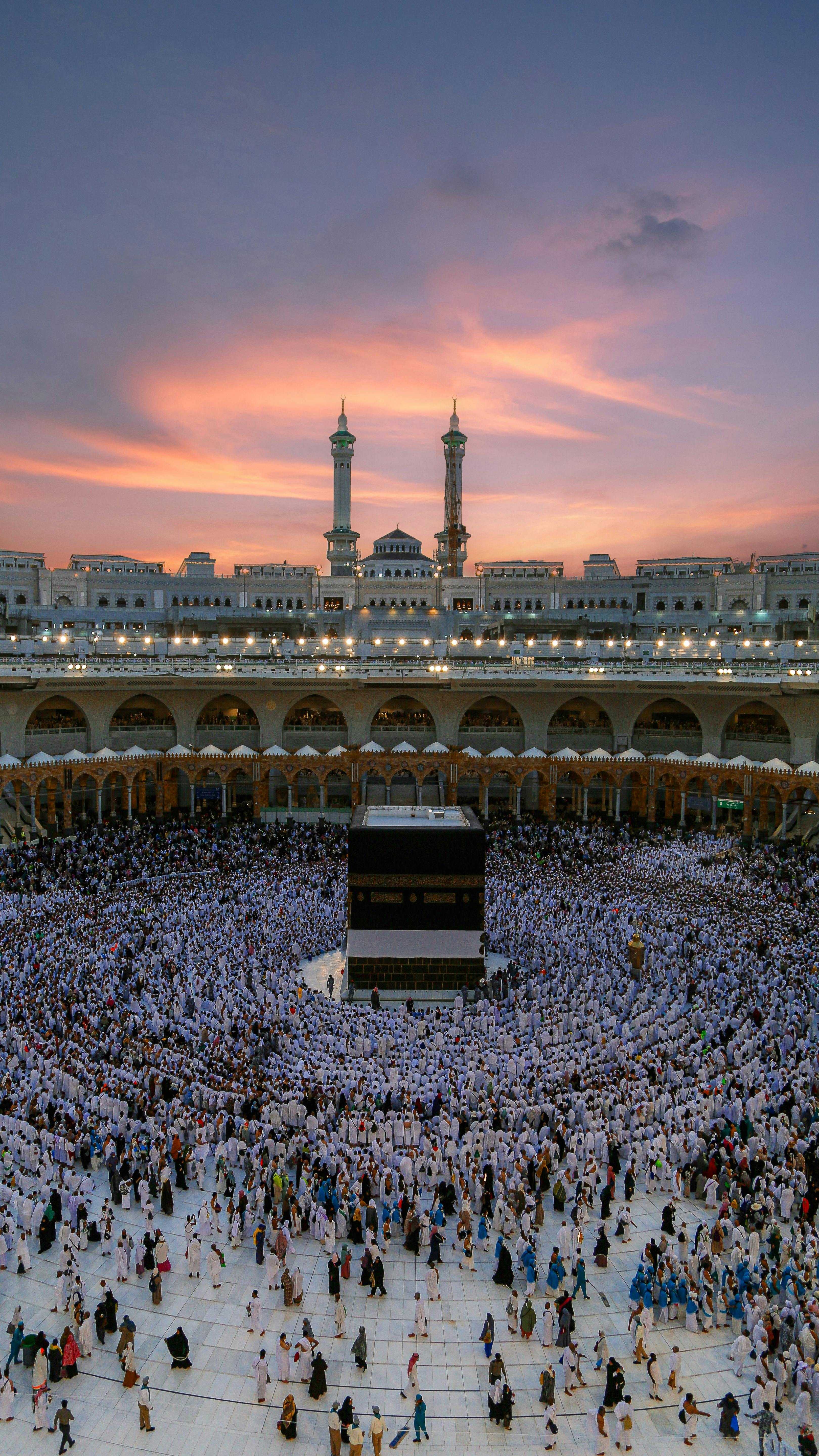
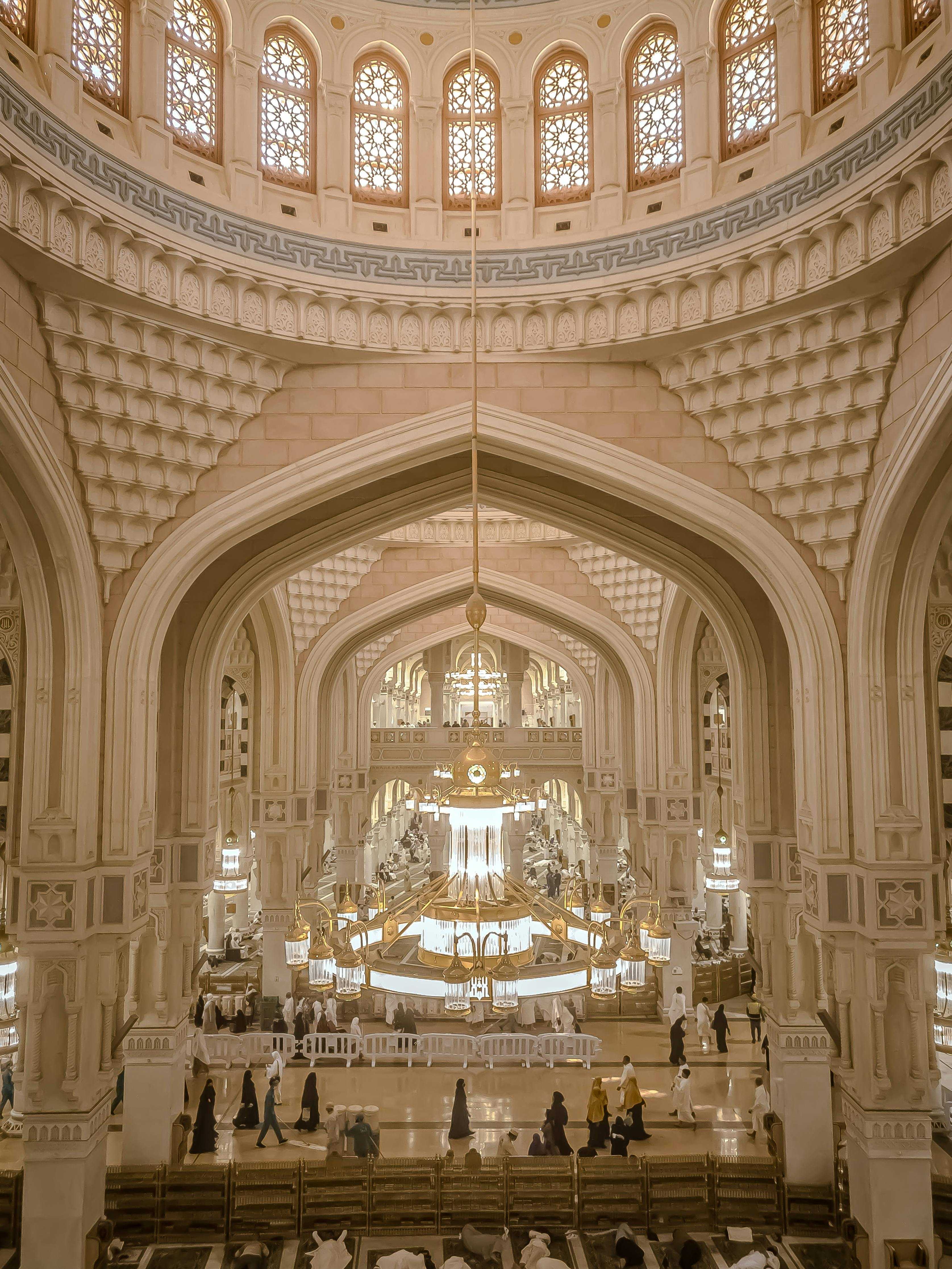
Visit the Grand Mosque (Masjid al-Haram)

Explore the sacred mosque that surrounds the Kaaba, the holiest site in Islam.

Tour the Makkah Museum

Learn about the history and culture of Makkah through various exhibits and artifacts.

Visit Mina and Muzdalifah

Discover the historical sites significant during Hajj.

Shopping

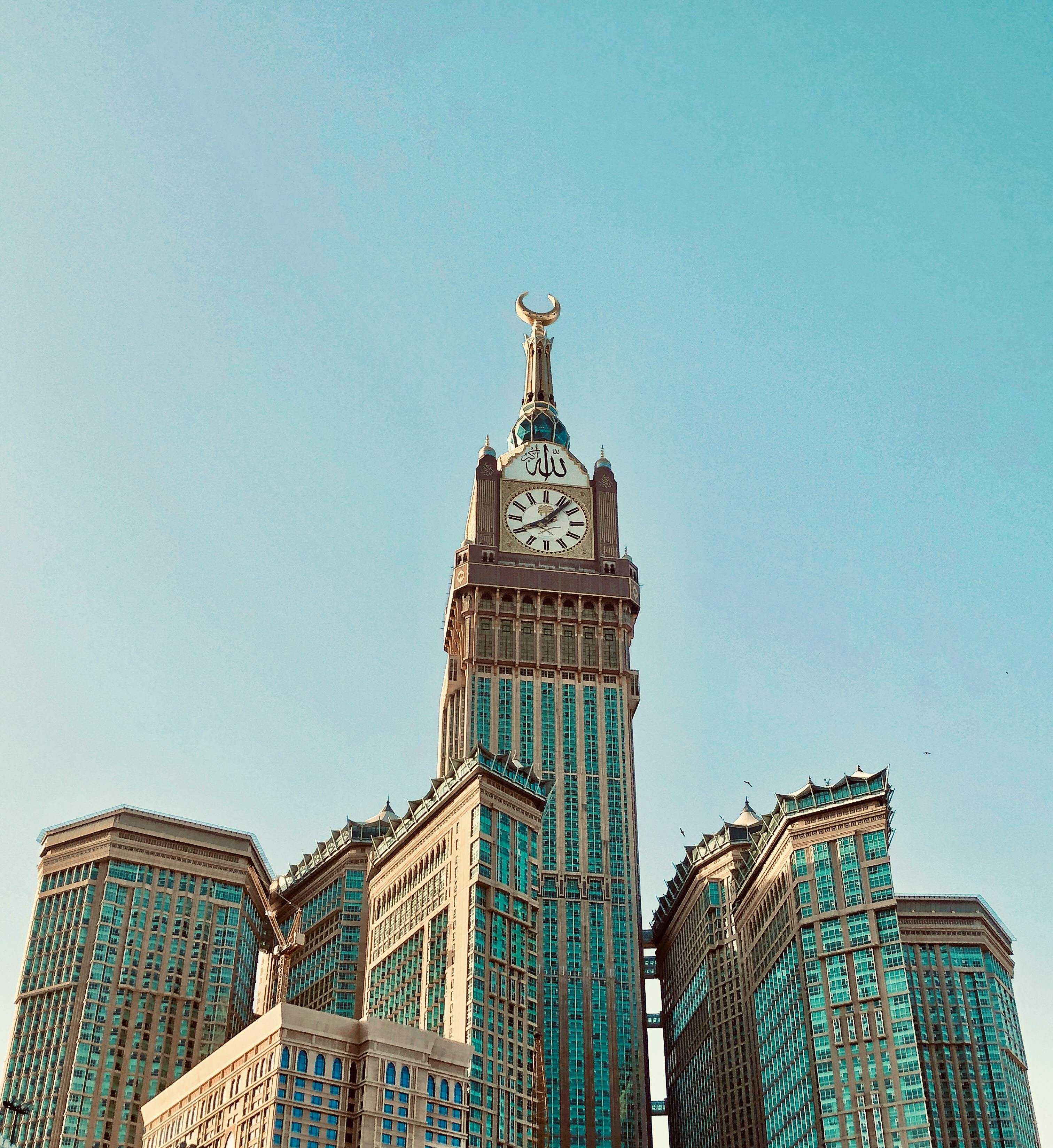
Explore Abraj Al Bait Shopping Complex

A luxury shopping center with international brands, dining, and entertainment options.

Outdoor

Hike Jabal al-Nour

Experience the mountain where Prophet Muhammad spent time in seclusion.

Location videos

Real reels from travelers, plus longer watches to get the full picture.

From travelers
Watch & explore

Practical info

The essentials for planning your time in Makkah al Mukarramah.

Currency
﷼ | SAR | Saudi Riyal
Population
Information not available.
Languages
Arabic, Arabic

Local guide

What travelers love, what to watch for, and a deeper read on Makkah al Mukarramah.

What people love

Traveling to Makkah al Mukarramah, located in Saudi Arabia, has several pros for those who are able to make the journey:

  1. Spiritual Experience: Makkah is considered the holiest city in Islam and is the birthplace of Prophet Muhammad. It is the site of the Kaaba, the most sacred site in Islam, towards which Muslims around the world pray. For Muslims, visiting Makkah is a deeply spiritual and rewarding experience.

  2. Hajj and Umrah: Makkah is the destination for the annual Hajj pilgrimage, which is one of the Five Pillars of Islam and a mandatory religious duty for Muslims who are physically and financially able to perform it. Additionally, Muslims can also perform Umrah, a pilgrimage that can be undertaken at any time of the year.

  3. Historical and Cultural Significance: Makkah is rich in history and culture, with many historical sites that are significant to Muslims. Visitors can explore the various historical landmarks and learn about the history of Islam.

  4. Community and Camaraderie: During peak pilgrimage seasons, Makkah is filled with Muslims from all over the world, creating a sense of community and unity among believers. The opportunity to meet and interact with people from diverse backgrounds can be a rewarding experience.

  5. Personal Growth: Many people who visit Makkah find that the journey is a transformative experience that leads to personal growth, self-reflection, and a deeper connection to their faith.

Overall, traveling to Makkah al Mukarramah can be a profoundly spiritual and culturally enriching experience for Muslims and non-Muslims alike.

I hope you find this information helpful.

What to know

Traveling to Makkah al Mukarramah, located in Saudi Arabia, for the purpose of performing Hajj or Umrah, has several potential cons:

  1. Crowds: Makkah is a popular destination for pilgrims from all around the world, especially during Hajj season. This can lead to overcrowding, long lines, and difficulty in moving around the holy sites.

  2. High Costs: Traveling to Makkah for Hajj or Umrah can be expensive. Costs include visa fees, flights, accommodation, food, and other expenses. Prices tend to increase during peak seasons.

  3. Weather: Makkah experiences extreme heat, especially during the summer months. This can make outdoor activities and rituals more challenging for pilgrims.

  4. Cultural Differences: Travelers may experience culture shock due to the conservative nature of Saudi Arabian society. It is important to respect local customs and dress code to avoid any issues.

  5. Health Concerns: With large crowds gathered in close proximity, there is a risk of the spread of infectious diseases. Pilgrims are advised to take necessary health precautions and vaccinations before traveling.

  6. Language Barrier: Arabic is the official language of Saudi Arabia, and not all locals may be fluent in English. This could pose a challenge for travelers who do not speak Arabic.

  7. Logistical Challenges: Navigating through the city of Makkah and accessing the holy sites can be challenging due to the large crowds and limited infrastructure.

It's important to note that despite these potential cons, many Muslims consider the journey to Makkah for Hajj or Umrah a deeply spiritual and rewarding experience. It is a once-in-a-lifetime opportunity for many believers and holds great significance in Islam.

Makkah al-Mukarramah, commonly known as Mecca, is a city of profound significance in Islam and holds a rich history that spans thousands of years. Situated in modern-day Saudi Arabia, it is the holiest city in Islam, and millions of Muslims visit it annually for the pilgrimage known as the Hajj.

Early History

  • Founding Legend: According to Islamic tradition, Makkah's history dates back to the time of the Prophet Ibrahim (Abraham) and his son Ismail (Ishmael), who are believed to have built the Kaaba, the cube-shaped structure at the center of Makkah's Al-Masjid al-Haram (the Sacred Mosque).
  • Zamzam Well: Another key element of Makkah's early history is the Zamzam Well, which is believed to have sprung up miraculously to provide water for Ismail and his mother Hajar (Hagar).

Pre-Islamic Era

  • Trade Center: Before the advent of Islam, Makkah was a bustling trade center and a site of pilgrimage due to the Kaaba, which housed numerous idols and was revered by the polytheistic tribes of the Arabian Peninsula.
  • Quraysh Tribe: The Quraysh tribe, which controlled Makkah, played a crucial role in its development as a center of commerce and pilgrimage.

The Birth of Islam

  • Prophet Muhammad: Makkah is the birthplace of the Prophet Muhammad in 570 CE. He began receiving revelations at the age of 40, marking the beginning of Islam.
  • Persecution and Migration: Muhammad and his followers faced severe persecution from the Quraysh. In 622 CE, he and his followers migrated to Medina, an event known as the Hijra, which marks the beginning of the Islamic calendar.

Islamic Era

  • Conquest of Makkah: In 630 CE, Muhammad returned to Makkah with his followers and peacefully conquered the city, cleansing the Kaaba of idols and establishing it as the holiest site in Islam.
  • Kaaba Rededication: The Kaaba became the focal point for Islamic worship, and the practice of Hajj was established, with rituals that include circumambulating the Kaaba.

Post-Prophetic History

  • Caliphate Period: Makkah remained an important religious site under the Rashidun, Umayyad, Abbasid, and later caliphates. It experienced periods of prosperity and decline, influenced by political changes across the Islamic world.
  • Ottoman Control: The city came under Ottoman control in the 16th century and remained so until the early 20th century.

Modern History

  • Saudi Control: In 1924, Makkah was seized by Abdulaziz Ibn Saud, founder of modern Saudi Arabia. Since then, it has been part of the Kingdom of Saudi Arabia.
  • Expansion Projects: In recent decades, the Saudi government has undertaken significant expansion and development projects to accommodate the growing number of pilgrims. This includes enlarging the Grand Mosque and modernizing the city's infrastructure.

Significant Landmarks

  • Al-Masjid al-Haram: The largest mosque in the world, it houses the Kaaba and is the destination for Hajj and Umrah pilgrimages.
  • Kaaba: The black-draped cubic structure is the qibla, the direction Muslims face during prayer.
  • Zamzam Well: A historic well located within the precincts of the Grand Mosque, it is revered for its religious significance.
  • Mount Arafat: A key site outside Makkah where pilgrims gather for the climax of the Hajj pilgrimage, known as the Day of Arafah.
  • Jabal al-Nour: The mountain that houses the Cave of Hira, where Muhammad is believed to have received his first revelations.

Cultural and Religious Significance

Makkah holds unparalleled religious significance for Muslims worldwide. The Hajj pilgrimage is one of the Five Pillars of Islam, and every Muslim is required to perform it at least once in their lifetime if they are physically and financially able.

Makkah's history and its status as the spiritual heart of Islam continue to make it a focal point of religious devotion and pilgrimage, attracting millions of visitors each year.