
Saudi Arabia
Country

Saudi Arabia

Saudi Arabia

Unveiling the Magic of Saudi Arabia: Ancient Wonders Meet Modern Marvels Journey to Saudi Arabia, a land of captivating contrasts where ancient…

#Middle East#Desert#Islamic culture#Oil-rich#Red Sea coast

Explore Saudi Arabia

Top cities in Saudi Arabia

Pick a city to open its guide.

See it for yourself

Location videos

Reels and longer watches.

Featured for Saudi Arabia

Traveller clips picked out for this place.

Watch & explore

Good to know

Practical info

Weather, costs and getting around.

Currency
SR | SAR | Saudi Riyal
Population
The approximate estimated total population of Saudi Arabia is '36.4 million'.
Languages
Arabic mainly
Budget / day
SAR100
Also known as
Arabian Peninsula, Arabia, Kingdom of Saudi Arabia, The Land of Two Holy Mosques, KSA

Know before you go

Local guide

A deeper read on Saudi Arabia.

What people love

Traveling to Saudi Arabia has several pros, including:

  1. Rich Cultural Experience: Saudi Arabia is home to a rich cultural heritage with historical sites, traditional markets (souks), and museums that offer insights into the country's history and traditions.

  2. Stunning Landscapes: From the vast deserts of the Empty Quarter to the Red Sea coast and the mountainous regions, Saudi Arabia offers diverse and stunning natural landscapes for travelers to explore.

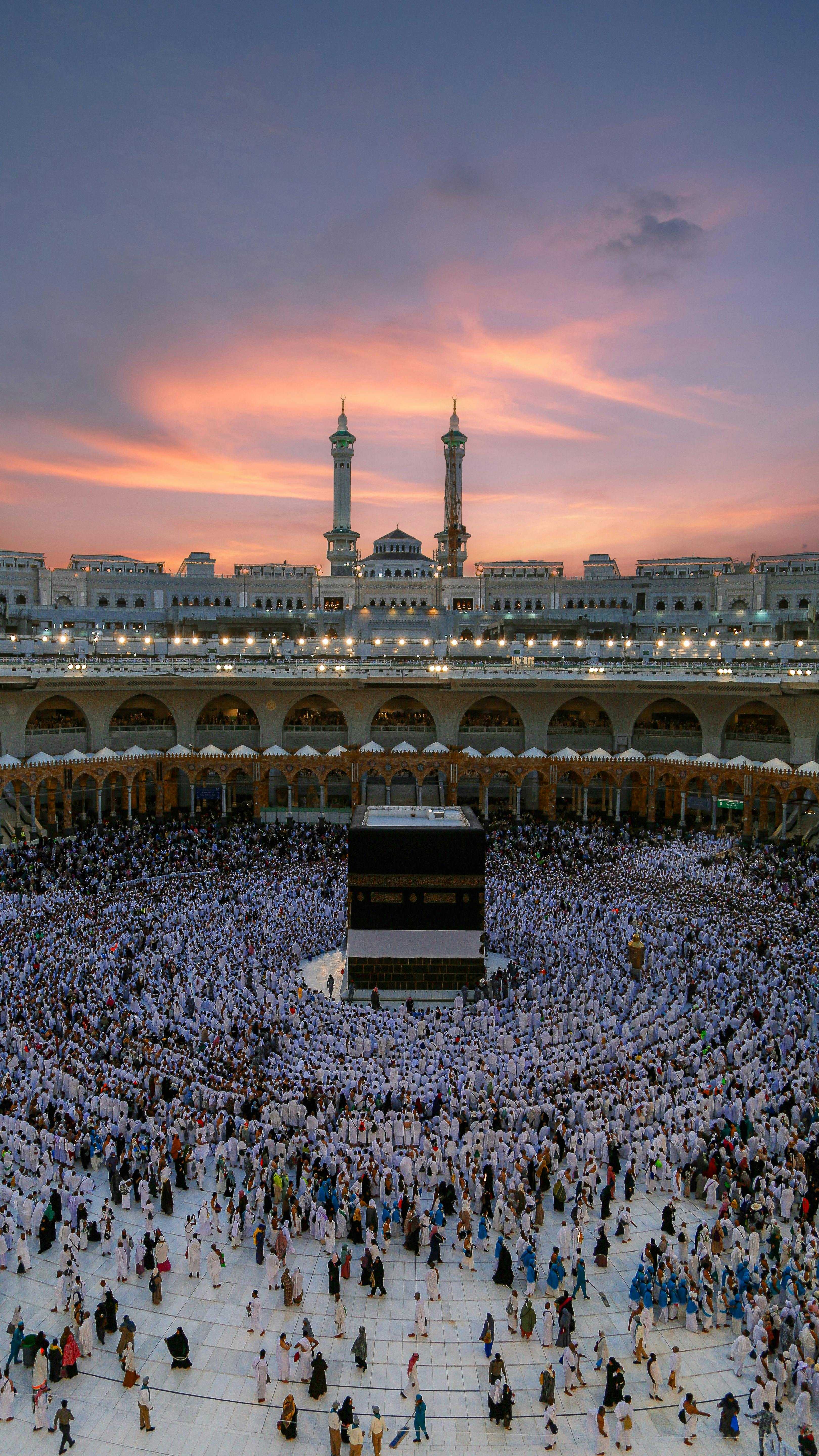
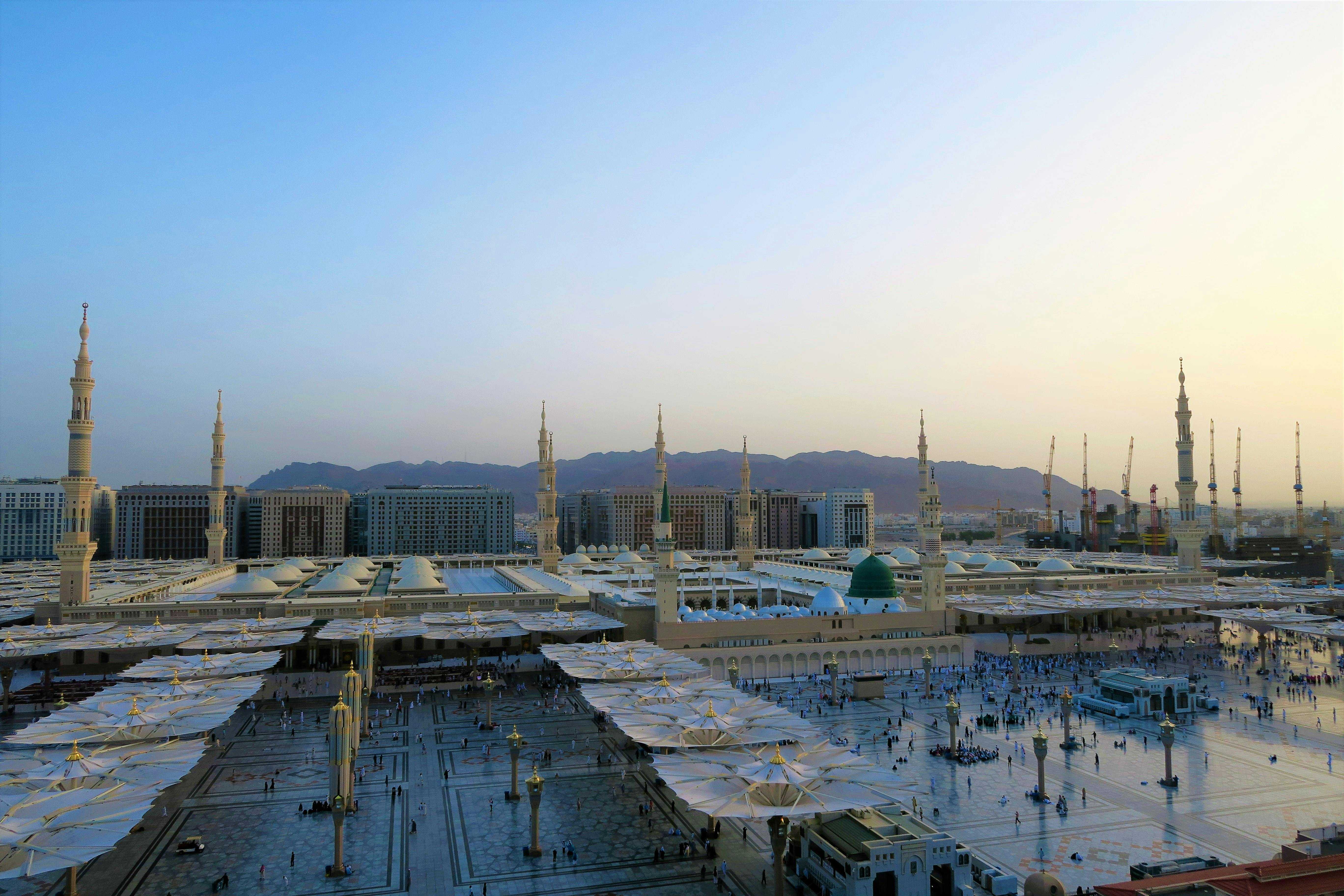
  3. Religious Sites: Saudi Arabia is home to two of the holiest cities in Islam - Mecca and Medina. Pilgrims from around the world visit these cities for religious purposes, but non-Muslims can also appreciate the significance and beauty of these sites.

  4. Modern Infrastructure: Saudi Arabia has made significant investments in its infrastructure, with modern amenities and facilities available for travelers, making it a comfortable destination to visit.

  5. Hospitality: Saudi Arabian people are known for their warm hospitality and welcoming nature towards visitors, ensuring a pleasant and memorable travel experience.

Overall, traveling to Saudi Arabia can offer a unique and enriching experience for those interested in exploring a country with a rich history, diverse landscapes, and strong cultural traditions.

What to know

Traveling to Saudi Arabia may have some cons, including:

  1. Strict laws and regulations: Saudi Arabia has strict laws regarding dress code, behavior in public, and religious practices. Violating these laws can result in severe penalties, including imprisonment, fines, or deportation.

  2. Limited freedoms: Freedom of speech and expression are restricted in Saudi Arabia. Criticizing the government or the royal family can lead to legal consequences.

  3. Gender segregation: Saudi Arabia practices gender segregation in many public places, which may limit interactions between men and women in certain settings.

  4. Human rights concerns: The Saudi government has been criticized for its human rights record, including issues such as lack of freedom of religion, restrictions on freedom of expression, and treatment of migrant workers.

  5. Health and safety concerns: The extreme heat in Saudi Arabia can pose health risks, especially for those not accustomed to such high temperatures. Additionally, the country has experienced outbreaks of diseases such as MERS (Middle East Respiratory Syndrome) in the past.

  6. Limited entertainment options: Saudi Arabia has strict regulations on entertainment, and options for nightlife and entertainment activities may be limited compared to other countries.

  7. Language barrier: Arabic is the official language in Saudi Arabia, and while English is widely spoken in urban areas, travelers may face communication challenges in more remote regions.

Please note that the situation in Saudi Arabia may change, and it is advisable to check for any travel advisories or updates from official sources before planning a trip.

Saudi Arabia, officially known as the Kingdom of Saudi Arabia, is a country located in the Middle East, on the Arabian Peninsula. Its history is rich and complex, shaped by its geographic location, cultural heritage, and the significant influence of Islam.

Pre-Islamic Period: Before Islam, the Arabian Peninsula was inhabited by nomadic tribes and was a center for trade routes. It was home to various ancient civilizations, including the Nabataeans and Thamud. The city of Mecca was an important religious and trade center, known for the Kaaba, which attracted pilgrims even in pre-Islamic times.

The Rise of Islam: The birth of Islam in the 7th century is a pivotal moment in the history of Saudi Arabia. The Prophet Muhammad was born in Mecca around 570 CE. In 610 CE, he began receiving revelations that would form the Quran, the holy book of Islam. Muhammad's teachings led to the unification of the Arabian Peninsula under Islam. After his death in 632 CE, the region was governed by a series of caliphates.

The Umayyad and Abbasid Caliphates: The Umayyad Caliphate (661-750) and the Abbasid Caliphate (750-1517) ruled over the region, during which time Mecca and Medina became central to the Islamic world. These cities remain the two holiest cities in Islam.

Ottoman Period: From the 16th century until the early 20th century, much of what is now Saudi Arabia was part of the Ottoman Empire. However, the interior regions, like the Najd, remained largely autonomous, governed by local tribal leaders.

The Emergence of the Saudi State: The modern state of Saudi Arabia traces its roots to the 18th century with the alliance between Muhammad ibn Saud, a tribal leader, and Muhammad ibn Abd al-Wahhab, a religious reformer. This alliance formed the basis for the first Saudi state in 1744, which emphasized a return to what they saw as pure Islam. The first Saudi state was eventually destroyed by the Ottoman Empire.

The Second Saudi State: A second Saudi state emerged in the 19th century but was short-lived due to internal conflicts and regional power struggles.

The Kingdom of Saudi Arabia: The modern Kingdom of Saudi Arabia was founded by Abdulaziz Ibn Saud. In 1902, he captured Riyadh, his ancestral home, and over the next three decades, he unified the different regions of the Arabian Peninsula. On September 23, 1932, the Kingdom of Saudi Arabia was proclaimed.

Discovery of Oil: The discovery of oil in 1938 in the Eastern Province transformed Saudi Arabia. Oil revenues have since played a crucial role in the country's development and wealth.

Recent History: Saudi Arabia has experienced significant changes in recent decades, with major developments in infrastructure, education, and healthcare. The country has also been a key player in regional and global politics. In recent years, under the leadership of King Salman and Crown Prince Mohammed bin Salman, the kingdom has embarked on Vision 2030, a plan to diversify its economy and reduce its dependency on oil.

Significant Landmarks:

  • Mecca and Medina: The Masjid al-Haram in Mecca, which houses the Kaaba, and the Prophet's Mosque in Medina are the two holiest sites in Islam.
  • Diriyah: The historic town of Diriyah, near Riyadh, was the original home of the Saudi royal family and is a UNESCO World Heritage site.
  • Al-Ula and Madain Saleh: Known for its ancient rock formations and tombs, Madain Saleh is another UNESCO World Heritage site.
  • The Red Sea Coast: Home to beautiful coral reefs and a growing tourism industry.

Saudi Arabia continues to be a country of strategic importance and cultural significance, deeply rooted in its Islamic heritage while navigating the challenges of modernity and globalization.