
· CL

Magallanes y de la Antártica Chilena

Magallanes y de la Antártica Chilena, Chile

Venture to the End of the Earth: Magallanes y de la Antártica Chilena Imagine a place where glaciers pierce the sky, penguins waddle on the shores, and the wind whispers tales of explorers past. This is Magallanes y de l…

#Southernmost region in Chile#Antarctic territory#Punta Arenas#Tierra del Fuego#Glaciers

Top hotels & flights

Hand-picked stays and the best fares into Magallanes y de la Antártica Chilena.

Top Hotels in Magallanes y de la Antártica Chilena

Top Flights to Magallanes y de la Antártica Chilena

Location videos

Real reels from travelers, plus longer watches to get the full picture.

Watch & explore

Practical info

The essentials for planning your time in Magallanes y de la Antártica Chilena.

Currency
$ | CLP | Chilean Peso
Population
Information not available.
Languages
Spanish, Spanish
Average weather
Magallanes y de la Antártica Chilena
Jan
clear
15°5°
Feb
clear
14°5°
Mar
cloud
12°3°
Apr
rain
9°1°
May
cold
6°-1°
Jun
snow
3°-3°
Jul
snow
2°-4°
Aug
cold
4°-3°
Sep
cloud
7°-1°
Oct
rain
10°1°
Nov
cloud
12°3°
Dec
clear
14°5°

Local guide

What travelers love, what to watch for, and a deeper read on Magallanes y de la Antártica Chilena.

What people love

Traveling to Magallanes y de la Antártica Chilena, located in the southern region of Chile, offers a unique and unforgettable experience for travelers. Here are some of the pros of traveling to this beautiful region:

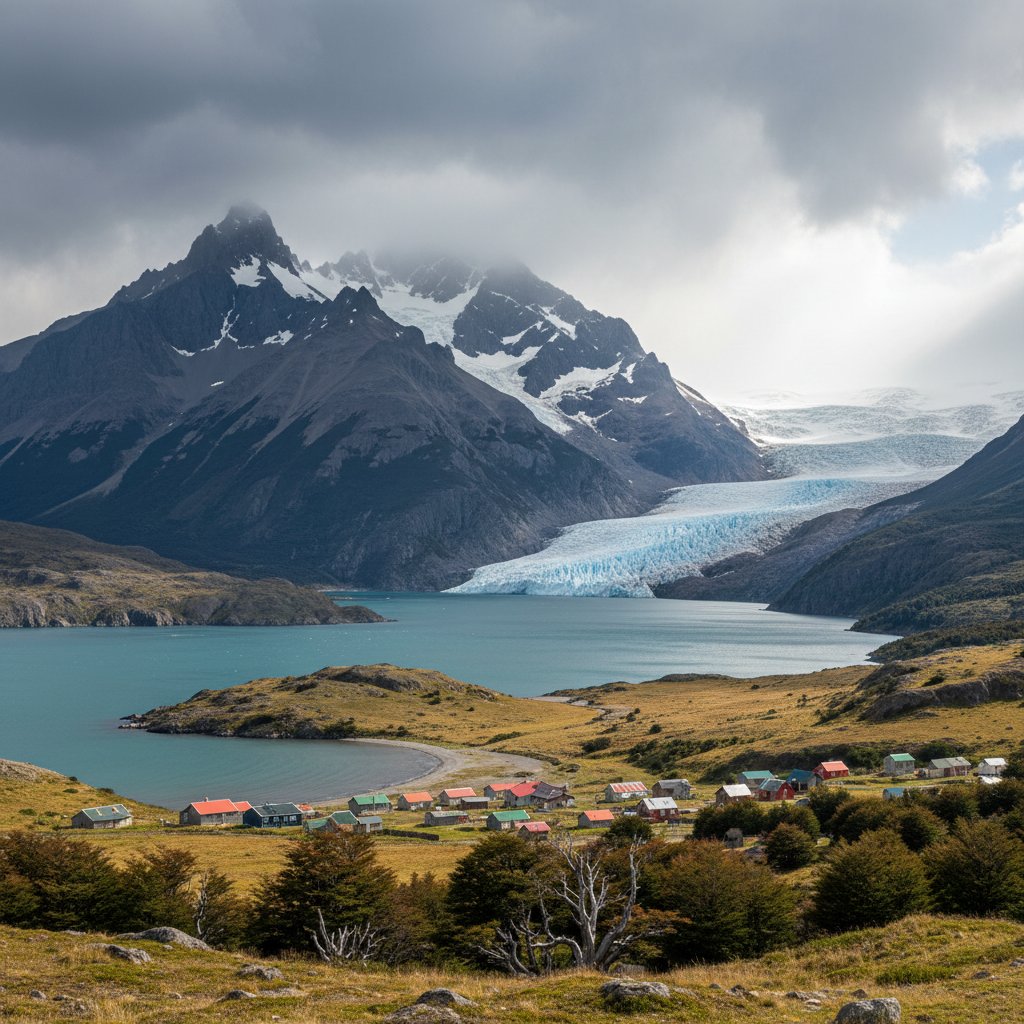
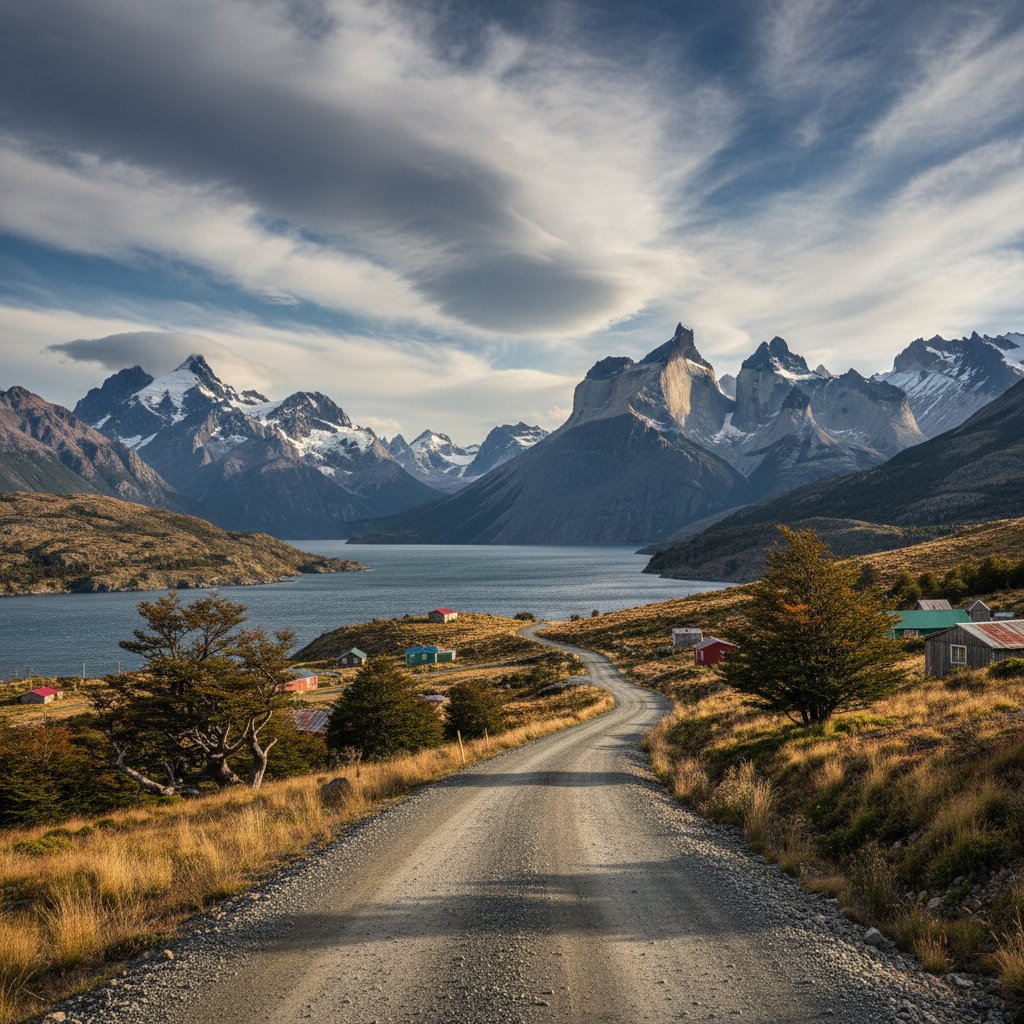
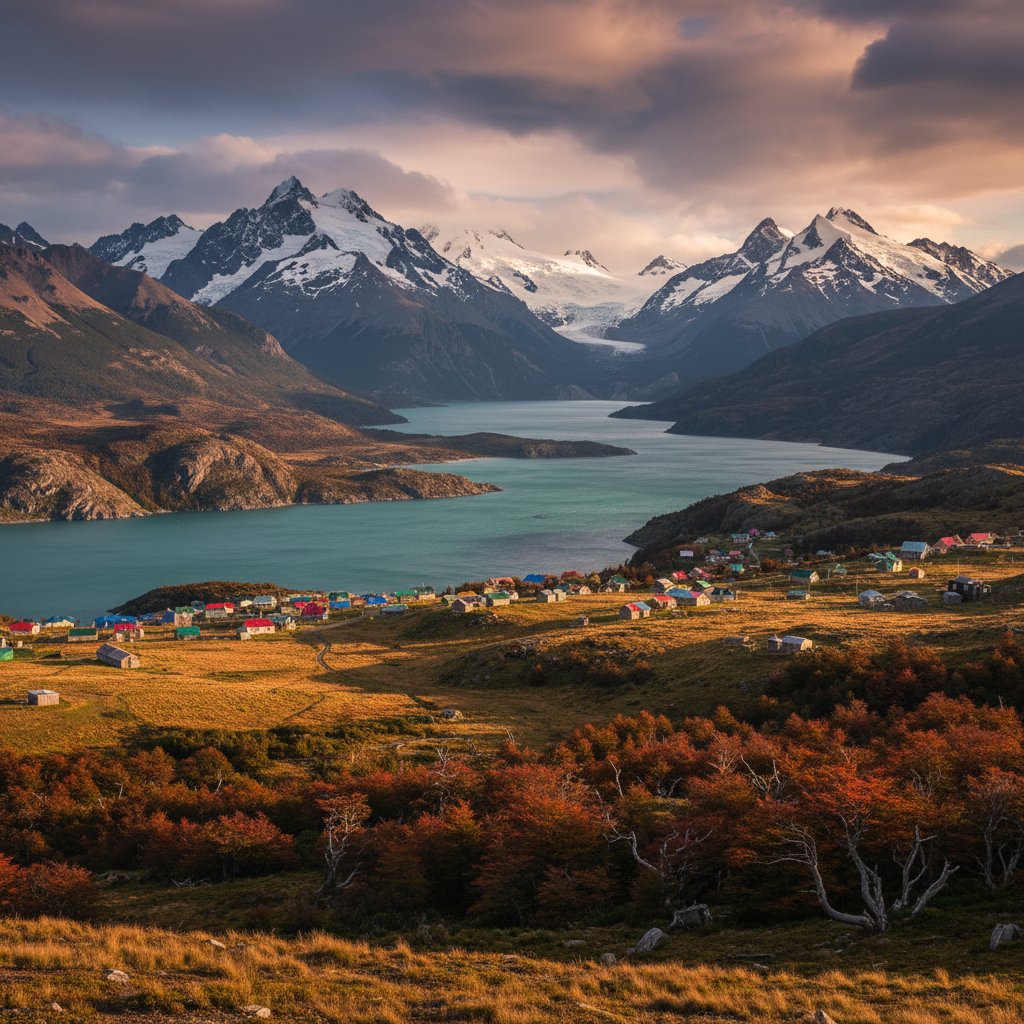
  1. Stunning natural landscapes: Magallanes y de la Antártica Chilena is known for its breathtaking scenery, including snow-capped mountains, glaciers, fjords, and pristine lakes. Travelers can explore Torres del Paine National Park, which is famous for its towering peaks and diverse wildlife.

  2. Adventure activities: The region offers a wide range of outdoor activities for adventure enthusiasts, such as hiking, trekking, kayaking, and wildlife watching. Visitors can also take boat tours to see glaciers up close or explore the remote Cape Horn.

  3. Unique cultural experiences: Traveling to Magallanes y de la Antártica Chilena provides an opportunity to learn about the region's rich history and culture. Visitors can visit historic sites, museums, and interact with the local indigenous communities.

  4. Gateway to Antarctica: Punta Arenas, the capital of Magallanes y de la Antártica Chilena, is a popular starting point for expeditions to Antarctica. Travelers can take cruises or flights to explore the frozen continent and witness its unique wildlife and landscapes.

  5. Tranquility and remoteness: Magallanes y de la Antártica Chilena offers a peaceful and remote environment for travelers looking to escape the hustle and bustle of city life. The region's vast and untouched wilderness provides a sense of tranquility and serenity.

Overall, traveling to Magallanes y de la Antártica Chilena offers a combination of natural beauty, adventure, cultural experiences, and the opportunity to explore one of the most remote and pristine regions in the world.

What to know

Traveling to Magallanes y de la Antártica Chilena, located at the southernmost tip of Chile, may present some challenges and drawbacks:

  1. Remote Location: Magallanes y de la Antártica Chilena is a remote region, which means that transportation options may be limited and travel times can be long. This can make it difficult to access the area and explore different attractions.

  2. Harsh Climate: The region experiences extreme weather conditions, including strong winds, cold temperatures, and unpredictable weather patterns. Travelers need to be prepared for these conditions, which can impact outdoor activities and sightseeing.

  3. Limited Infrastructure: Due to its remote location, Magallanes y de la Antártica Chilena may have limited infrastructure in terms of accommodation, restaurants, and amenities. Travelers may need to adjust their expectations and be prepared for basic facilities.

  4. Language Barrier: English may not be widely spoken in this region, so travelers who do not speak Spanish may face communication challenges. Having a basic understanding of Spanish can be helpful in navigating the area.

  5. High Costs: Traveling to a remote destination like Magallanes y de la Antártica Chilena can be expensive, especially in terms of transportation and accommodation. Budget-conscious travelers may find that costs add up quickly in this region.

  6. Limited Tourist Services: The region may not have a well-developed tourist infrastructure, which could impact the availability of guided tours, information centers, and other services that travelers typically rely on in more popular destinations.

Overall, while Magallanes y de la Antártica Chilena offers unique natural beauty and opportunities for adventure, travelers should be prepared for the challenges that come with visiting such a remote and rugged region.

The region of Magallanes y de la Antártica Chilena, located in the southernmost part of Chile, has a rich history that dates back to ancient times. The region is named after Ferdinand Magellan, the Portuguese explorer who led the first successful circumnavigation of the Earth in the 16th century. Here are some key events, figures, and landmarks associated with Magallanes y de la Antártica Chilena:

  1. Early Indigenous Inhabitants: The region was originally inhabited by various indigenous groups, including the Selk'nam, Kawésqar, and Yagán peoples. These groups lived in harmony with the harsh environment and left behind a cultural legacy that is still celebrated today.

  2. Exploration and Colonization: The arrival of European explorers, including Ferdinand Magellan in 1520, marked the beginning of European presence in the region. Spanish and later Chilean colonization efforts followed, leading to the establishment of settlements and forts along the coastline.

  3. Strait of Magellan: One of the most significant landmarks in the region is the Strait of Magellan, a navigable sea route separating mainland South America from Tierra del Fuego and the rest of the continent. The strait played a crucial role in global navigation and trade.

  4. Punta Arenas: The city of Punta Arenas, the regional capital, is a major landmark in Magallanes y de la Antártica Chilena. Founded in the 19th century, Punta Arenas became a key trading hub for the region and a gateway to Antarctica.

  5. Antarctic Exploration: The region's proximity to Antarctica has made it a strategic base for Antarctic exploration and research. Many expeditions to the South Pole have departed from Magallanes y de la Antártica Chilena, contributing to our understanding of the continent.

  6. Natural Wonders: The region is known for its stunning natural beauty, including the Torres del Paine National Park, a UNESCO World Biosphere Reserve famous for its rugged mountains, glaciers, and diverse wildlife.

  7. Modern Development: In recent years, Magallanes y de la Antártica Chilena has seen economic growth driven by tourism, mining, and energy production. The region's unique blend of natural wonders and cultural heritage continues to attract visitors from around the world.

Overall, Magallanes y de la Antártica Chilena is a region with a fascinating history shaped by exploration, colonization, and the enduring connection to the Antarctic continent.