
Chile
· CL

Chile

Chile

Chile, a land of dramatic contrasts, stretches along the southwestern coast of South America. Home to the driest desert in the world, the Atacama, and the icy landscapes of Patagonia, Chile offers a diverse range of expe…

#South America#Spanish-speaking#Andes Mountains#Pacific Ocean#Valparaiso
1/20

Top hotels & flights

Hand-picked stays and the best fares into Chile.

Top Hotels in Santiago

Top Flights to Santiago

Popular activities

Tours, tickets and experiences travelers book most in Chile.

Tours

Visit Santiago City

The bustling capital of Chile, with a mix of modern architecture and historical landmarks.

Relax in Viña del Mar

A coastal city known for its beautiful beaches and vibrant nightlife.

Discover Easter Island

An isolated volcanic island known for its archaeological sites, including nearly 900 monumental statues.

Outdoor

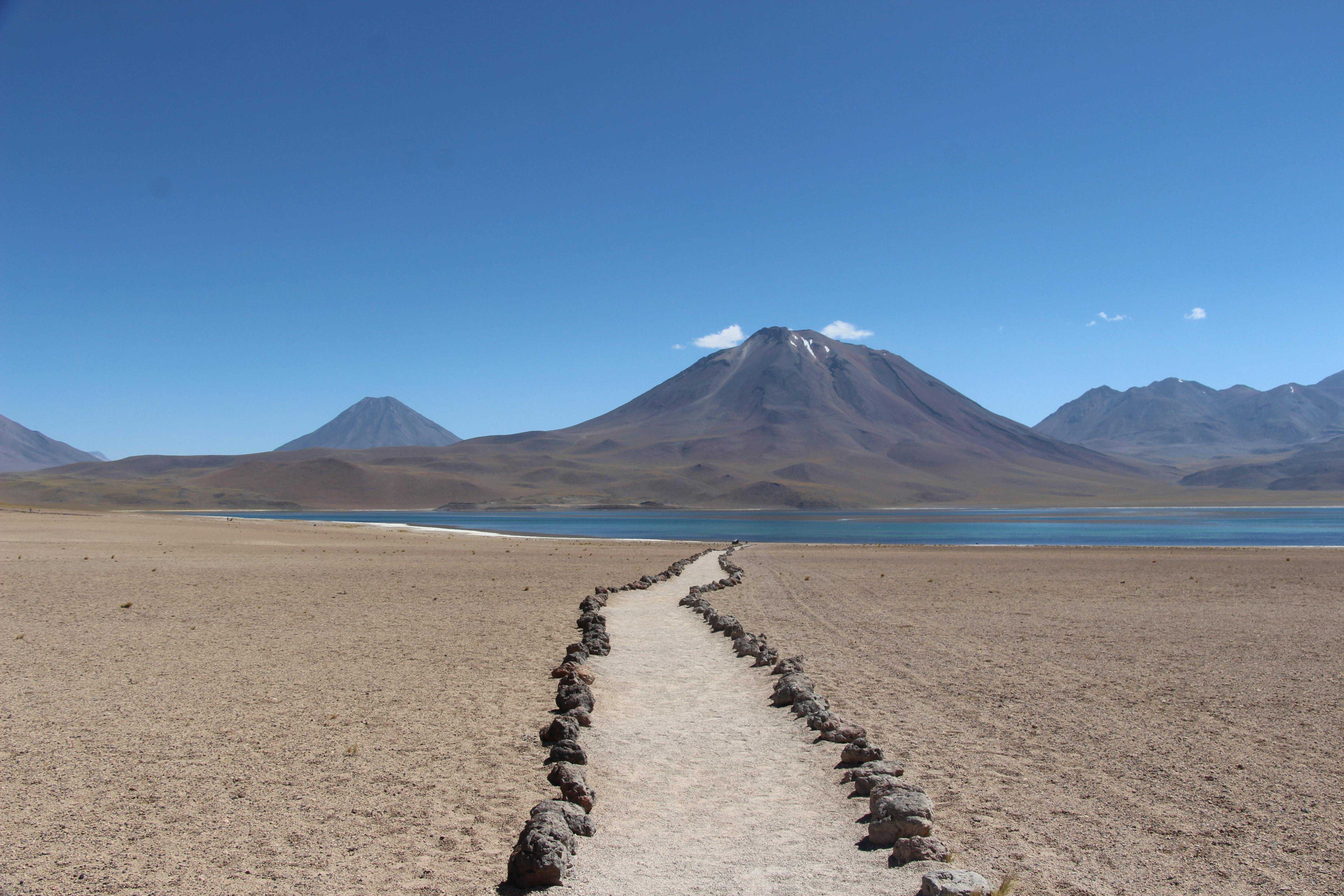
Explore the Atacama Desert

The Atacama Desert is the driest desert in the world, offering stunning landscapes, unique wildlife, and outdoor adventures.

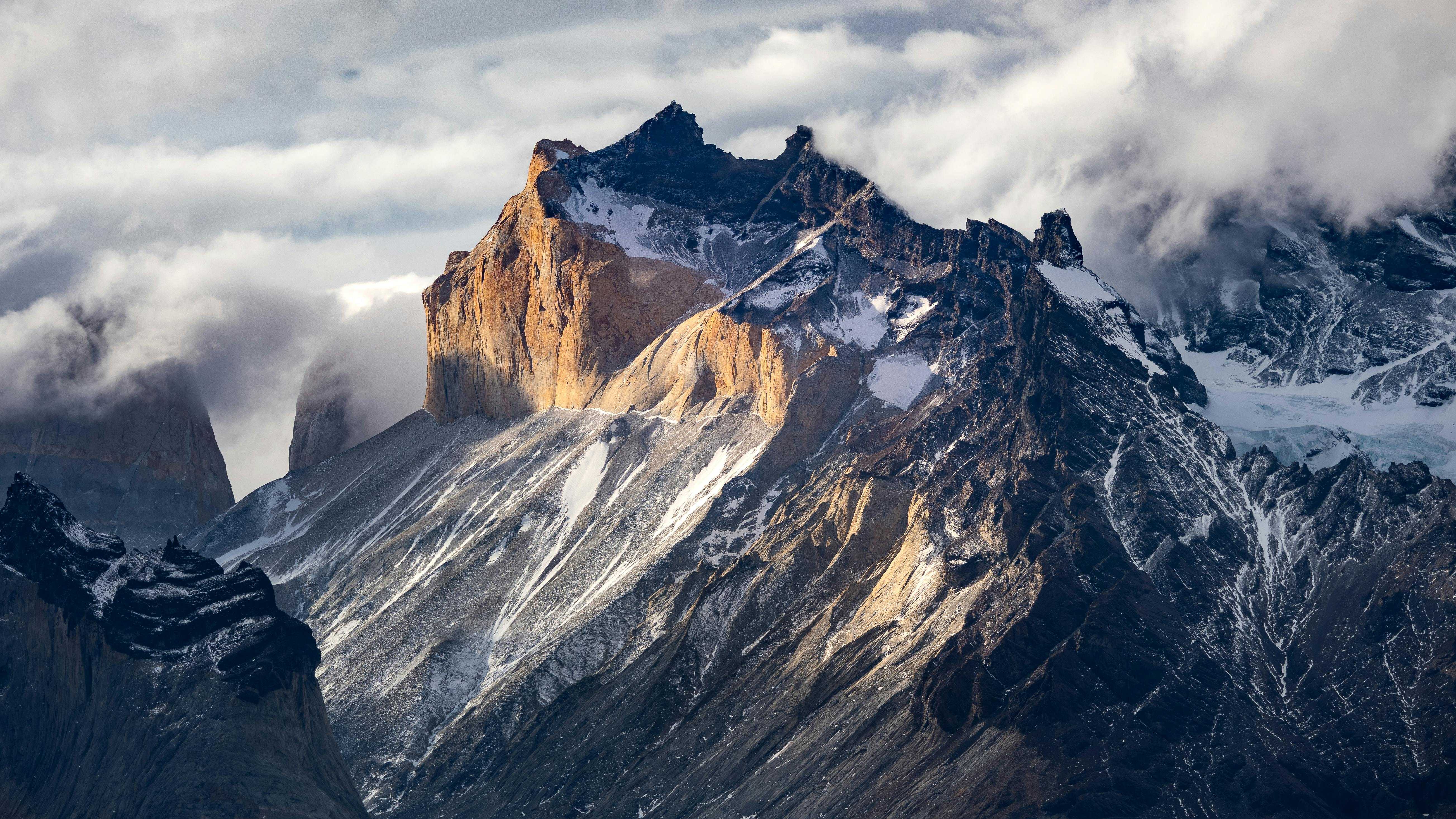
Hike in Torres del Paine

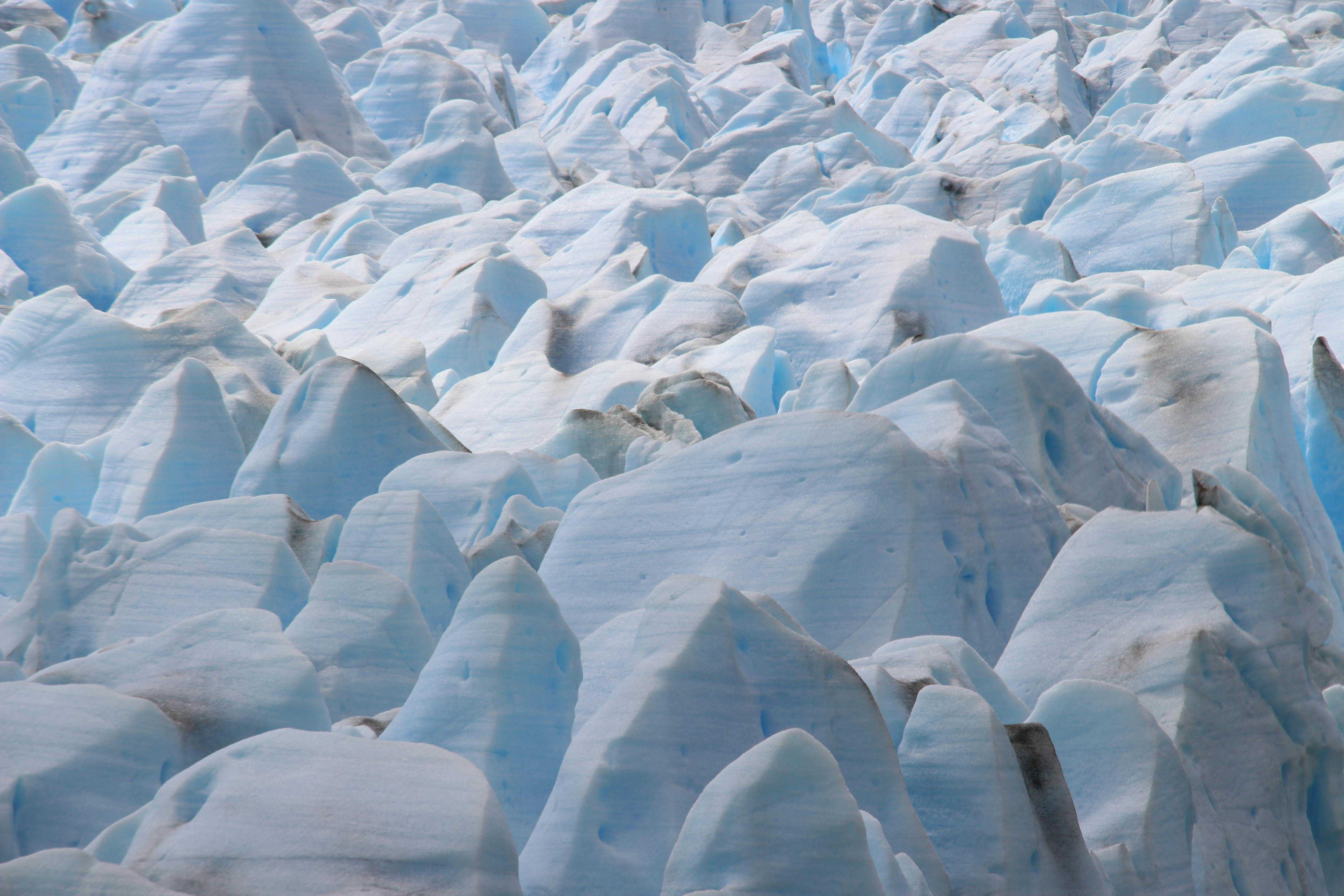
A national park known for its stunning mountains, glaciers, lakes, and rivers.

Location videos

Real reels from travelers, plus longer watches to get the full picture.

From travelers
Watch & explore

Practical info

The essentials for planning your time in Chile.

Currency
$ | CLP | Chilean Peso
Population
19.4 million
Languages
Spanish, Spanish, English
Average weather
Chile
Jan
sun
30°15°
Feb
sun
29°14°
Mar
sun
27°12°
Apr
clear
23°9°
May
cloud
19°7°
Jun
rain
16°5°
Jul
rain
15°4°
Aug
cloud
17°5°
Sep
clear
20°7°
Oct
clear
24°9°
Nov
sun
27°11°
Dec
sun
29°13°

Local guide

What travelers love, what to watch for, and a deeper read on Chile.

What people love

Chile is a diverse and beautiful country located in South America, offering a wide range of attractions and activities for travelers. Some of the pros of traveling to Chile include:

  1. Stunning natural landscapes: Chile is known for its diverse geography, including the Atacama Desert, the Andes Mountains, pristine lakes, and picturesque coastal areas. Travelers can explore unique landscapes such as the Moon Valley, Patagonia, and Easter Island.

  2. Adventure opportunities: Chile is a paradise for outdoor enthusiasts, offering a variety of activities such as hiking, skiing, surfing, and wine tasting. The country is home to numerous national parks and outdoor recreational areas for travelers to enjoy.

  3. Rich cultural heritage: Chile has a vibrant cultural scene with a mix of indigenous, European, and modern influences. Travelers can explore historic sites, museums, art galleries, and traditional markets to learn more about the country's history and culture.

  4. Delicious cuisine: Chilean cuisine is diverse and delicious, featuring fresh seafood, traditional dishes such as empanadas and pastel de choclo, and world-renowned wines. Travelers can indulge in a culinary adventure by trying local specialties and visiting wineries.

  5. Safety and infrastructure: Chile is considered one of the safest and most stable countries in South America, with a well-developed infrastructure for tourism. Travelers can easily navigate the country using public transportation, rent a car, or join guided tours to explore the highlights of Chile.

Overall, traveling to Chile offers a unique and rewarding experience for those seeking adventure, culture, and natural beauty in a safe and welcoming environment.

What to know

Some potential cons of traveling to Chile include:

  1. Earthquakes: Chile is located on the Pacific Ring of Fire and is prone to earthquakes. While the country has strict building codes to minimize damage, travelers should be aware of this risk.

  2. Altitude: Parts of Chile, such as the Andes Mountains, have high altitudes which can lead to altitude sickness for some travelers. It's important to acclimatize properly and stay hydrated.

  3. Crime: While Chile is generally considered safe compared to other countries in the region, petty crime such as pickpocketing can occur in tourist areas. Travelers should take common-sense safety precautions.

  4. Cost: Chile is not the cheapest country to travel in South America, with prices for accommodation, food, and transportation often higher than in neighboring countries.

  5. Language Barrier: While many Chileans speak some English, especially in tourist areas, the official language is Spanish. Travelers who don't speak Spanish may face challenges communicating outside major cities.

  6. Long Distances: Chile is a long and narrow country, and traveling between regions can involve long journeys. This can be tiring and time-consuming for travelers on a tight schedule.

It's important to note that these potential cons should not discourage travel to Chile, as the country offers stunning landscapes, vibrant culture, and warm hospitality. With proper planning and awareness, travelers can have a safe and enjoyable experience in Chile.

Chile is a country located in South America, known for its diverse landscapes, including the Andes mountains, the Atacama Desert, and its long Pacific coastline. Here is a brief history of Chile:

  1. Pre-Columbian Period: The region of present-day Chile was inhabited by various indigenous groups, including the Mapuche, Inca, and Araucanian peoples. These groups had their own distinct cultures and societies.

  2. Spanish Conquest: In the 16th century, Spanish conquistadors led by Pedro de Valdivia arrived in Chile and colonized the region. The Spanish established settlements and brought Christianity to the indigenous populations. The city of Santiago was founded in 1541.

  3. Independence: Chile declared its independence from Spain on September 18, 1810, although full independence was not achieved until 1818 after the Battle of Maipú. Bernardo O'Higgins and José de San Martín were key figures in the independence movement.

  4. War of the Pacific: In the late 19th century, Chile fought against Bolivia and Peru in the War of the Pacific (1879-1884), gaining significant territory in the process, including the region of Antofagasta.

  5. Political Turmoil: Chile experienced political instability in the 20th century, including the presidency of Salvador Allende, who was overthrown in a military coup led by General Augusto Pinochet in 1973. Pinochet's regime was marked by human rights abuses and repression.

  6. Return to Democracy: After years of military rule, Chile transitioned back to democracy in 1990 with the election of Patricio Aylwin. Since then, Chile has seen peaceful transitions of power and has become one of the more stable countries in Latin America.

  7. Landmarks: Chile is home to various significant landmarks, including the Atacama Desert, one of the driest places on Earth; Easter Island, known for its iconic moai statues; the Andes mountains, with peaks such as Mount Aconcagua; and the coastal cities of Valparaíso and Viña del Mar.

This overview provides a glimpse into the rich history of Chile, from its indigenous roots to its struggles for independence and democracy.