
Lisbon
· PT

Lisbon

Lisbon, Lisboa, Portugal

Lisbon: Where History Dances with Sun-Kissed Charm Perched on the edge of the Atlantic, Lisbon beckons with a captivating blend of old-world allure and vibrant modernity. This sun-drenched city, steeped in history and bu…

#Portugal#Lisbon#Lisboa#Europe#historic city
1/11

Top hotels & flights

Hand-picked stays and the best fares into Lisbon.

Top Hotels in Lisbon

Top Flights to Lisbon

Location videos

Real reels from travelers, plus longer watches to get the full picture.

Watch & explore

Practical info

The essentials for planning your time in Lisbon.

Currency
€ | EUR | Euro
Population
548703.0
Average weather
Lisbon
Jan
rain
15°8°
Feb
rain
16°9°
Mar
rain
18°11°
Apr
cloud
19°12°
May
sun
22°14°
Jun
sun
26°17°
Jul
hot
28°19°
Aug
hot
28°19°
Sep
sun
27°18°
Oct
rain
23°15°
Nov
rain
18°11°
Dec
rain
15°9°

Local guide

What travelers love, what to watch for, and a deeper read on Lisbon.

What people love

There are several pros to traveling to Lisbon, Portugal:

  1. Rich history and culture: Lisbon is a city with a rich history dating back centuries. Visitors can explore historic sites such as the Jerónimos Monastery, Belém Tower, and São Jorge Castle, as well as museums that showcase the city's cultural heritage.

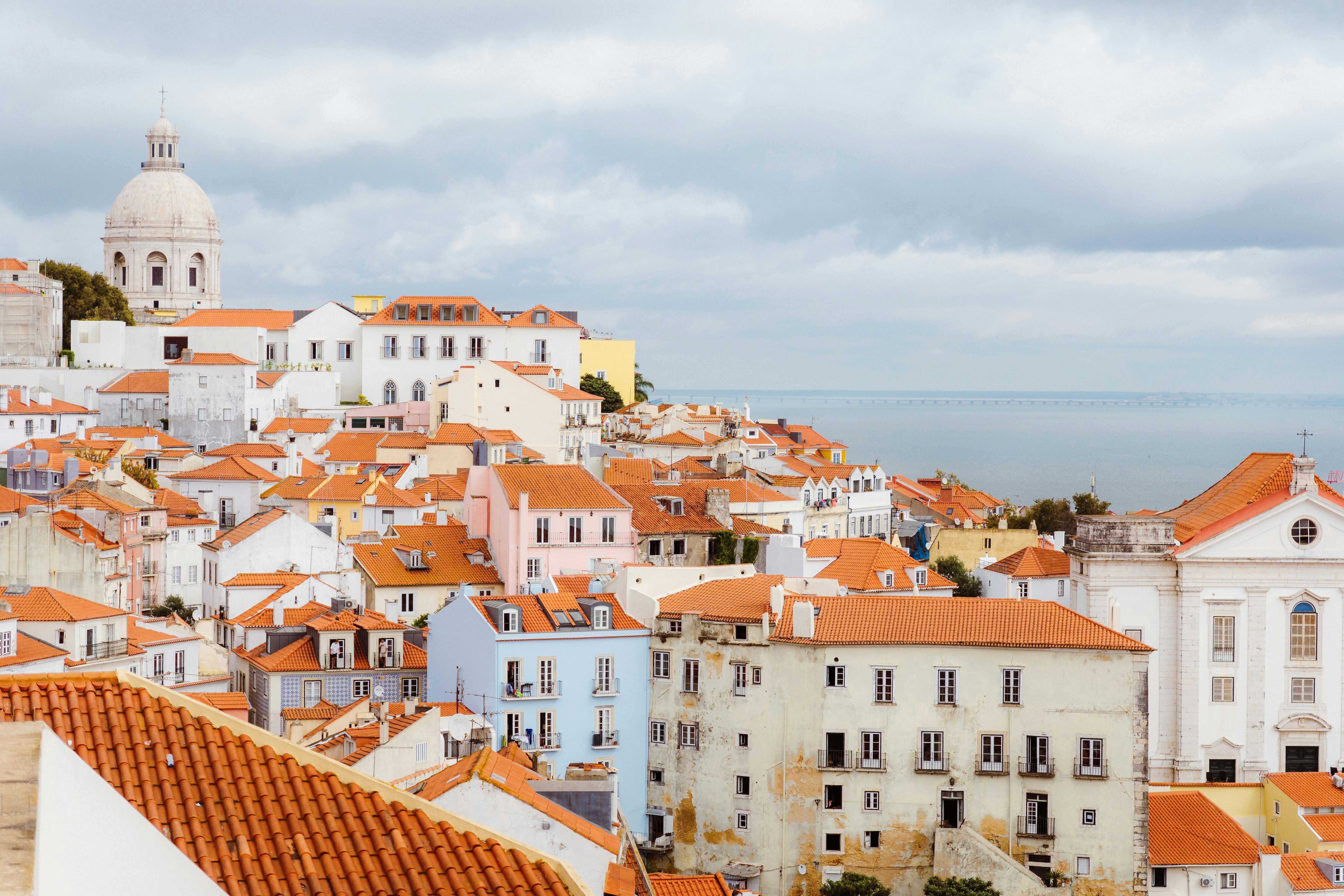
  2. Beautiful architecture: Lisbon is known for its stunning architecture, with a mix of styles ranging from Gothic and Baroque to Moorish and modern. The colorful buildings, narrow streets, and tiled facades make for a picturesque backdrop for exploring the city.

  3. Vibrant nightlife: Lisbon has a lively nightlife scene with plenty of bars, restaurants, and clubs to choose from. The Bairro Alto neighborhood is particularly popular for its bustling nightlife, where you can enjoy live music, traditional Fado performances, and delicious food and drinks.

  4. Scenic views: Lisbon is a city of hills, which means there are plenty of panoramic viewpoints offering stunning views of the city and the Tagus River. The Miradouros (viewpoints) of Santa Catarina, São Pedro de Alcântara, and Portas do Sol are just a few examples of places where you can enjoy breathtaking vistas.

  5. Delicious food and wine: Portugal is known for its delicious cuisine, and Lisbon is no exception. From fresh seafood dishes to pastéis de nata (custard tarts) and port wine, there is plenty to tempt your taste buds in the city.

Overall, Lisbon offers a mix of history, culture, architecture, nightlife, and culinary delights, making it a great destination for travelers looking to experience the best of Portugal.

What to know

Traveling to Lisbon, Portugal, like any destination, may have some potential drawbacks. Here are some cons to consider when planning a trip to Lisbon:

  1. Tourist Crowds: Lisbon is a popular tourist destination, especially during the peak travel seasons. This can result in crowded attractions, long lines, and difficulty finding accommodations. If you prefer quieter or more off-the-beaten-path destinations, Lisbon may not be the best choice.

  2. Hilly Terrain: Lisbon is known for its hilly terrain, which can be challenging for those with mobility issues or for travelers who prefer flat landscapes. Navigating the city's steep streets and staircases may require extra effort, especially in the older neighborhoods.

  3. Pickpocketing and Scams: As a major tourist hub, Lisbon can be prone to pickpocketing and scams targeting unsuspecting travelers. It's important to stay vigilant, especially in crowded areas, public transportation, and tourist hotspots to avoid falling victim to theft or fraud.

  4. High Cost of Living: Compared to other cities in Portugal, Lisbon has a higher cost of living, especially in terms of accommodation, dining, and transportation. Travelers on a budget may find that expenses add up quickly in the city, particularly in more touristy areas.

  5. Weather Variability: Lisbon's weather can be unpredictable, with rainy and windy conditions common during certain times of the year. Travelers should be prepared for sudden changes in weather and pack accordingly to ensure a comfortable trip.

  6. Language Barrier: While many locals in Lisbon speak English, the primary language is Portuguese. Travelers who do not speak Portuguese may encounter some language barriers, especially in more local or non-touristy areas.

Remember that these cons are relative and may not apply to every traveler. With proper planning and awareness, many of these potential drawbacks can be mitigated to ensure an enjoyable and memorable trip to Lisbon.

Lisbon, the capital city of Portugal, is one of the oldest cities in Europe, with a rich and diverse history that spans several millennia. Here's a detailed history of Lisbon, including significant events, historical figures, and important landmarks:

Ancient and Medieval History

  • Ancient Period: Lisbon's history dates back to the pre-Roman period when it was likely inhabited by indigenous tribes. It was later settled by the Phoenicians around 1200 BC, who established a trading post known as Alis-Ubo. The city became part of the Roman Empire in 205 BC, known as Olissipo. Under Roman rule, it was a significant trading hub and integrated into the Roman provincial structure.

  • Moorish Rule: In the 8th century, the Moors (Muslims from North Africa) conquered Lisbon, and it became part of the Al-Andalus territory. The city was known as Al-Ushbuna and flourished as a center of commerce and culture.

  • Reconquista: The Christian reconquest of Lisbon occurred in 1147, led by Afonso I of Portugal and supported by crusaders from Northern Europe. This event marked the city's integration into the emerging Portuguese kingdom.

The Age of Discoveries

  • 15th and 16th Centuries: Lisbon became a central hub for the Age of Discoveries. Notable figures such as Vasco da Gama and Ferdinand Magellan departed from Lisbon on their voyages, which expanded Portugal's empire and influence across the globe.

  • Landmarks: The Jerónimos Monastery and the Tower of Belém, both UNESCO World Heritage Sites, were built during this period and are iconic symbols of Portugal's maritime past.

The 1755 Earthquake

  • 1755 Earthquake: On November 1, 1755, Lisbon was devastated by a massive earthquake, followed by a tsunami and fires. The disaster destroyed much of the city, leading to significant loss of life and property.

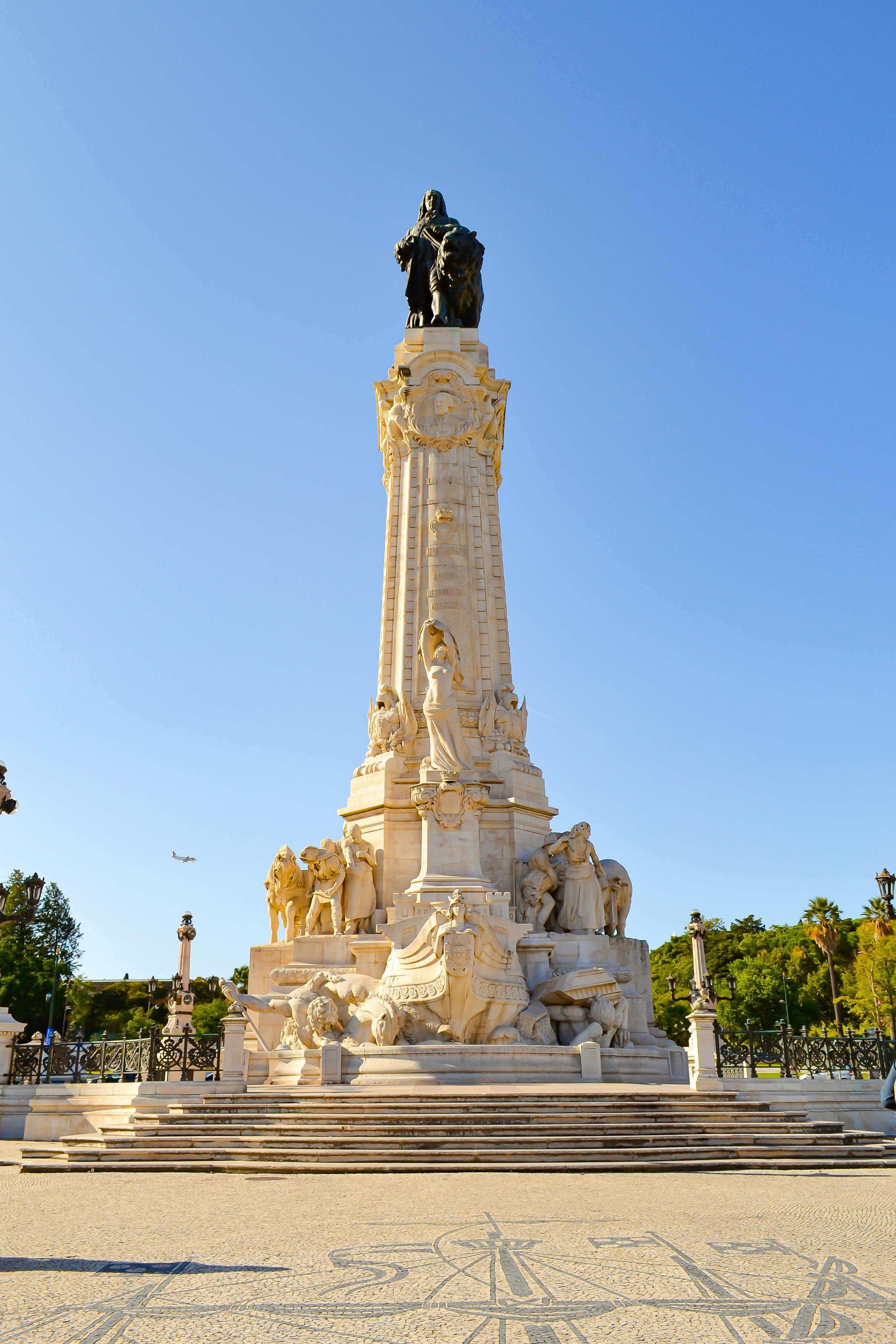
  • Reconstruction: The Marquis of Pombal, the Prime Minister at the time, led the reconstruction efforts. He implemented modern urban planning and architectural styles, resulting in the distinctive Pombaline architecture seen in the Baixa district today.

19th and 20th Centuries

  • Liberal Wars: Lisbon played a crucial role during the Liberal Wars, a series of civil wars in Portugal during the early 19th century between constitutionalists and absolutists.

  • 20th Century: Lisbon saw significant growth and modernization. The city was at the center of political changes, including the fall of the monarchy in 1910 and the establishment of the Portuguese Republic.

  • Carnation Revolution: On April 25, 1974, the Carnation Revolution, a nearly bloodless coup, took place in Lisbon, ending decades of dictatorship and leading to the establishment of a democratic government in Portugal.

Contemporary Lisbon

  • European Integration: In 1986, Portugal joined the European Economic Community (now the European Union), which brought economic development and modernization to Lisbon.

  • Expo '98: Lisbon hosted the World Exposition in 1998, which led to significant urban regeneration along the Tagus River, transforming the area into the modern Parque das Nações district.

Important Landmarks

  • São Jorge Castle: Overlooking the historic center, this castle dates back to medieval times and offers panoramic views of the city.

  • Commerce Square (Praça do Comércio): A grand square rebuilt after the 1755 earthquake, symbolizing Lisbon's resilience and prosperity.

  • Lisbon Cathedral (Sé de Lisboa): The city's oldest church, dating back to the 12th century, blending various architectural styles.

  • Alfama District: One of the oldest neighborhoods in Lisbon, known for its narrow streets, Fado music, and historical charm.

  • Calouste Gulbenkian Museum: One of the most renowned museums in Lisbon, housing a vast collection of art from around the world.

Lisbon's history is marked by resilience, exploration, and cultural richness, making it a vibrant city with a unique blend of the past and present.