
Lisboa
State · Portugal

Lisboa

Lisboa, Portugal

Lisbon, Portugal's sun-drenched capital, is a captivating city where historic charm meets vibrant modern culture. Spread across seven steep hills…

#Capital city#Historic architecture#Cultural hub#Portuguese cuisine#Tagus River

Explore Lisboa

Top cities in Lisboa

Pick a city to open its guide.

See it for yourself

Location videos

Reels and longer watches.

Featured for Lisboa

Traveller clips picked out for this place.

Watch & explore

Good to know

Practical info

Weather, costs and getting around.

Lisboa, Portugal Open in Google Maps
Currency
€ | EUR | Euro
Population
545,923 (2021)
Density
5,446 / km²
Local time
Languages
Portuguese mainly · English, Spanish, French
Budget / day
€70 - €300
Also known as
Lisabona (Roman name), Lisbon, Al-ʾIšbūnah (Arabic name), Olisipo (historical name)

Know before you go

Local guide

A deeper read on Lisboa.

What people love

Lisbon captivates visitors with its stunning architecture, rich maritime history, and breathtaking hilltop viewpoints. The city offers exceptional value for money compared to other Western European capitals, making it highly attractive for all budgets. Food enthusiasts will love the incredible culinary scene, featuring fresh seafood and iconic pastéis de nata. The Mediterranean climate ensures plenty of sunshine year-round, while the locals are known for their warm, welcoming hospitality. Additionally, its proximity to beautiful coastal towns like Cascais and the fairytale palaces of Sintra makes it an ideal base for diverse day trips.

What to know

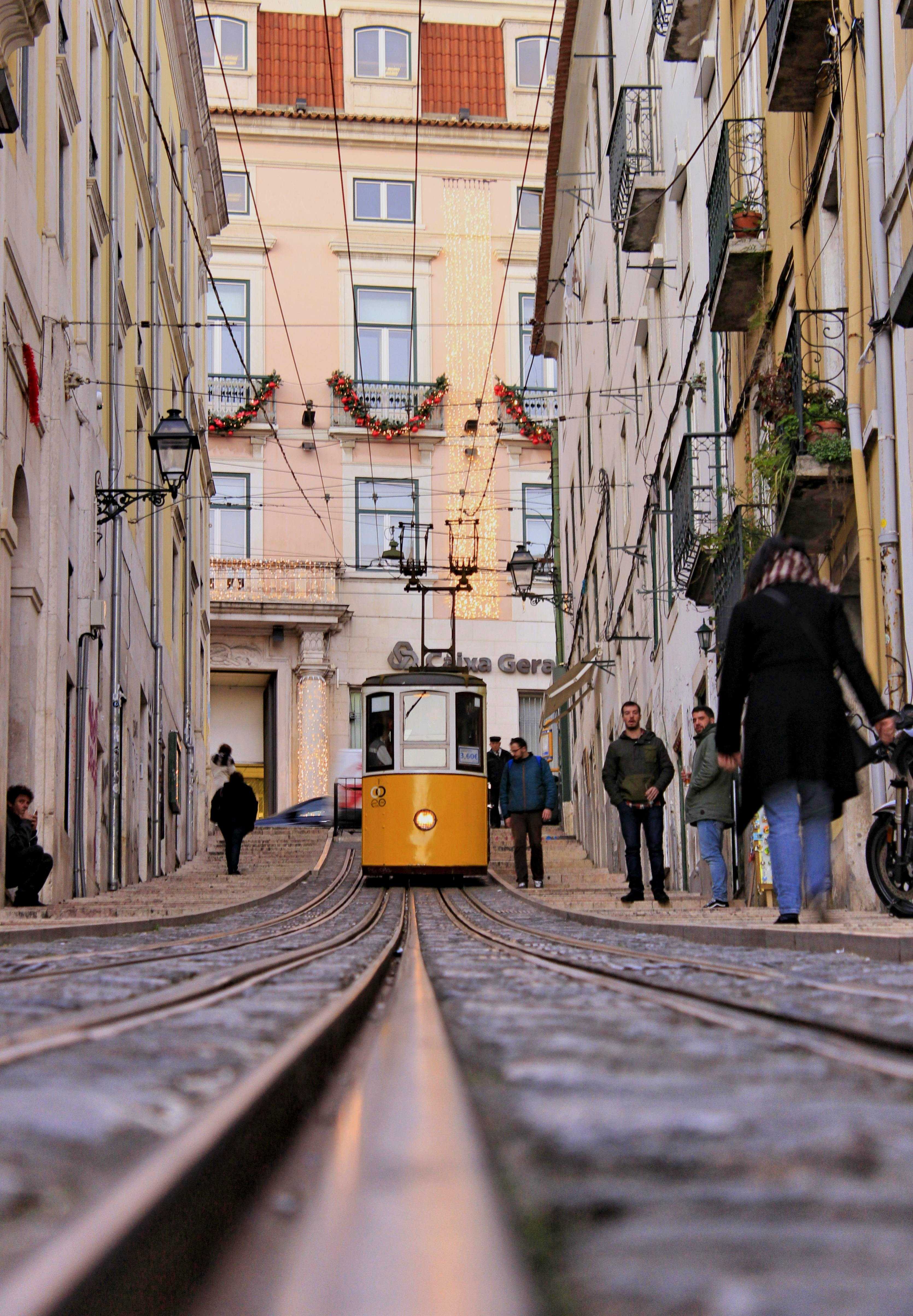
Lisbon's famous seven hills and uneven cobblestone streets can be physically demanding to navigate, posing significant challenges for travelers with mobility issues or heavy luggage. The city has become increasingly popular, leading to heavy crowds at major attractions and a rise in tourist traps, particularly in the downtown Baixa area. Pickpocketing is a common issue on crowded public transport, especially the iconic Tram 28. Additionally, the summer months can be uncomfortably hot, and the rapid influx of tourism has driven up local prices, somewhat diminishing the city's traditional, authentic charm in central neighborhoods.

Lisboa, the capital city of Portugal, has a rich history dating back thousands of years. It has been a significant center of trade, culture, and politics since ancient times. The city has faced numerous invasions, earthquakes, and revolutions throughout its history, shaping its development and character.

Significant Events:

  • Lisboa was originally founded by the Phoenicians and later occupied by the Romans, who called it Olissipo.
  • In 711 AD, the city was conquered by the Moors and became part of the Umayyad Caliphate.
  • Lisboa was retaken by Christian forces in 1147 during the Reconquista, led by King Afonso I of Portugal.
  • The city played a key role in the Age of Discovery, with explorers like Vasco da Gama departing from its port to discover new trade routes to India.
  • Lisboa was devastated by a massive earthquake in 1755, followed by a tsunami and fires that destroyed much of the city.
  • In the early 20th century, Lisboa was a center of political turmoil, culminating in the Carnation Revolution of 1974 that ended Portugal's dictatorship.

Historical Figures:

  • King Afonso I of Portugal, who conquered Lisboa from the Moors in 1147.
  • Vasco da Gama, the famous explorer who departed from Lisboa in 1497 on his voyage to India.
  • Marquis of Pombal, the prime minister who led the reconstruction efforts after the 1755 earthquake.
  • Fernando Pessoa, a renowned Portuguese poet and writer who lived in Lisboa in the early 20th century.

Important Landmarks:

  • Castelo de São Jorge: A historic castle overlooking the city, with roots dating back to Roman times.
  • Mosteiro dos Jerónimos: A magnificent monastery in the Belém district, built in the Manueline style.
  • Torre de Belém: A UNESCO World Heritage site, this tower served as a defense fortification during the Age of Discovery.
  • Praça do Comércio: A grand square facing the Tagus River, which has been a focal point of Lisboa's history and culture.

Lisboa is a vibrant city that blends its rich history with modern amenities, making it a popular destination for tourists and a dynamic cultural hub in Europe.