
Leningradskaya Oblast’
· RU

Leningradskaya Oblast’

Leningradskaya Oblast’, Russia

Escape the City Buzz: Discover the Natural Beauty and Imperial History of Leningradskaya Oblast' Just beyond the vibrant metropolis of St. Petersburg lies Leningradskaya Oblast', a region brimming with natural beauty, fa…

#Russia#Leningradskaya Oblast'#Northern Region#Historical Sites#Natural Landscapes
1/2

Top hotels & flights

Hand-picked stays and the best fares into Leningradskaya Oblast’.

Top Hotels in Leningradskaya Oblast’

Top Flights to Leningradskaya Oblast’

Popular activities

Tours, tickets and experiences travelers book most in Leningradskaya Oblast’.

Tours

Explore Peterhof Palace

Discover the grandeur of the Peterhof Palace, a stunning example of Russian imperial architecture, with beautiful gardens, fountains, and museums.

Shopping

Local Markets Shopping Experience

Visit vibrant local markets in Leningradskaya Oblast’ to buy traditional Russian goods, fresh produce, and unique souvenirs.

Outdoor

Hiking in the Leningradskaya Oblast' Forests

Explore the scenic beauty of the forests surrounding Leningradskaya Oblast', perfect for nature lovers and adventure seekers.

Location videos

Real reels from travelers, plus longer watches to get the full picture.

From travelers
Watch & explore

Practical info

The essentials for planning your time in Leningradskaya Oblast’.

Currency
₽ | RUB | Russian Ruble
Population
The approximate estimated total population of Leningradskaya Oblast’, Russia, is 1.9 million.
Languages
Russian, Russian

Local guide

What travelers love, what to watch for, and a deeper read on Leningradskaya Oblast’.

What people love

Leningradskaya Oblast, or Leningrad Oblast, is a region in Northwestern Russia that surrounds the city of Saint Petersburg. This area offers a variety of attractions and advantages for travelers. Here are some of the pros of visiting Leningrad Oblast:

  1. Proximity to Saint Petersburg: Leningrad Oblast surrounds Saint Petersburg, one of Russia's most famous cities, known for its rich history, stunning architecture, and cultural significance. Traveling to the oblast allows easy access to explore Saint Petersburg while enjoying a quieter, more natural setting.

  2. Cultural and Historical Sites: The region is home to numerous historical towns and sites. For instance, the town of Vyborg features a medieval castle and charming old town areas. The Ivangorod Fortress, located on the border with Estonia, is another significant historical site.

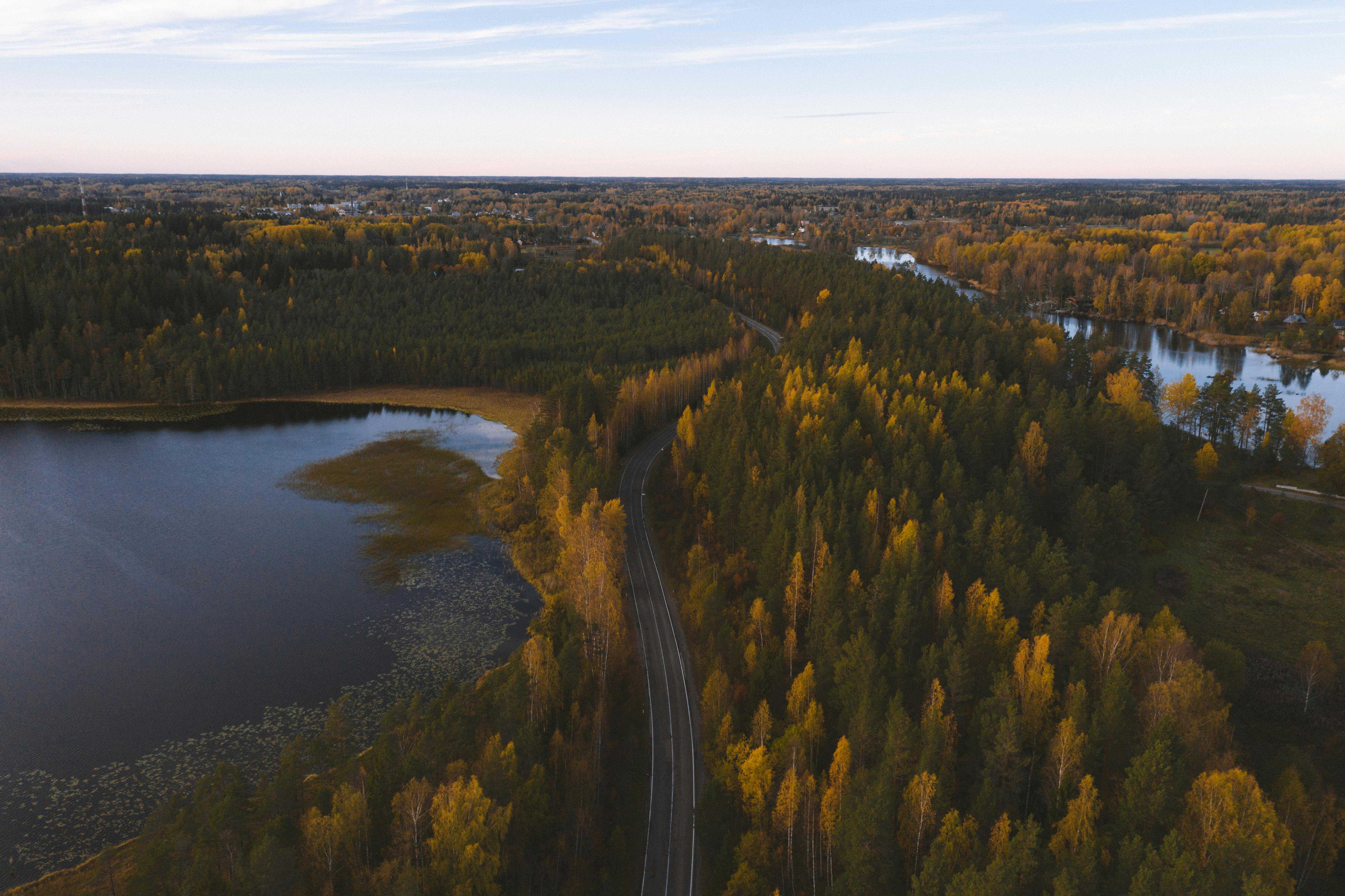
  3. Natural Beauty: Leningrad Oblast offers beautiful natural landscapes, including lakes, forests, and rivers. Lake Ladoga, the largest lake in Europe, is partially located in this region, offering opportunities for boating, fishing, and enjoying scenic views.

  4. Outdoor Activities: The region is great for outdoor enthusiasts. There are opportunities for hiking, camping, and exploring the natural parks and reserves. The Karelian Isthmus, for instance, is popular for its picturesque landscapes and outdoor recreation.

  5. Cultural Experiences: The oblast is known for its diverse cultural heritage, with influences from Swedish, Finnish, and Russian cultures. Visitors can experience local traditions, cuisine, and festivals that reflect this unique mix.

  6. Less Crowded: Compared to major tourist destinations, Leningrad Oblast is less crowded, allowing for a more relaxed and immersive experience. It can be a nice escape from the hustle and bustle of big cities.

  7. Historic Railways: The region has some historic railways that offer scenic train rides, providing a different perspective on the area's landscapes and history.

  8. Winter Activities: In winter, the oblast offers activities such as cross-country skiing, snowshoeing, and other winter sports, making it a year-round destination.

  9. Local Cuisine: Travelers can enjoy local Russian dishes and delicacies that are specific to this region, providing a taste of local culinary traditions.

Visiting Leningrad Oblast can be a rewarding experience for those interested in history, nature, and experiencing local culture away from the more tourist-heavy areas.

What to know

Some potential cons of traveling to Leningradskaya Oblast’, located in Leningradskaya Oblast’, Russia, could include:

  1. Weather: The region experiences long, cold winters with temperatures dropping significantly below freezing. This can make traveling and sightseeing uncomfortable for those not accustomed to such extreme weather conditions.

  2. Language barrier: English may not be widely spoken in this region, so communication with locals could be challenging for travelers who do not speak Russian.

  3. Limited tourist infrastructure: Leningradskaya Oblast’ may not have as developed tourist infrastructure as more popular destinations in Russia, which could impact the availability of services and accommodations.

  4. Remote locations: Some attractions in Leningradskaya Oblast’ may be located in remote areas, requiring extensive travel and possibly limited transportation options.

  5. Political tensions: Given the geopolitical situation in the region, travelers should stay informed about any political tensions or conflicts that may affect their safety and travel plans.

It's important to conduct thorough research and consider these factors before planning a trip to Leningradskaya Oblast’, Russia.

Leningradskaya Oblast’, now known as Leningrad Oblast, is a region in the northwestern part of Russia that surrounds the city of Saint Petersburg. Its history is rich and deeply intertwined with the development of the Russian state and the city of Saint Petersburg.

Early History

  • Pre-Russian Period: The area was originally inhabited by various Finno-Ugric tribes, including the Votes, Izhorians, and Ingrians.
  • Medieval Era: In the medieval period, the region became part of the Novgorod Republic, a prominent trading power. The area was influenced by both Russian and Swedish interests due to its strategic location.

Foundation and Development

  • 18th Century: With the foundation of Saint Petersburg by Peter the Great in 1703, the surrounding region, including what is now Leningrad Oblast, gained prominence. Saint Petersburg became the new Russian capital, and the oblast developed as part of the administrative and logistical network supporting the city.
  • 1721: The Treaty of Nystad concluded the Great Northern War, resulting in Russia acquiring significant territories in the Baltic, including areas in modern Leningrad Oblast.

19th Century

  • The oblast saw steady development throughout the 19th century, with the growth of infrastructure such as railways and roads, facilitating the movement of goods and people.
  • Significant Figures: Various Russian rulers, especially those from the Romanov dynasty, influenced the development of the region, as did prominent architects and engineers who contributed to its infrastructure.

Soviet Era

  • 1917: The Russian Revolution led to significant changes, with Saint Petersburg (then Petrograd) becoming a focal point of revolutionary activity.
  • 1927: Leningrad Oblast was officially established as an administrative region. Its name derives from the city of Leningrad (the name given to Saint Petersburg from 1924 to 1991 in honor of Vladimir Lenin).
  • World War II: One of the most significant events in the history of Leningrad Oblast was the Siege of Leningrad (1941-1944) during World War II. The area was heavily contested, and the siege resulted in immense hardship but also demonstrated remarkable resilience.
  • Post-War Period: After the war, Leningrad Oblast was rebuilt and industrialized, contributing to the Soviet economy.

Post-Soviet Era

  • 1991: With the dissolution of the Soviet Union, Leningrad Oblast became part of the Russian Federation. The city of Leningrad reverted to its original name, Saint Petersburg, but the oblast retained its Soviet-era name.
  • Modern Development: Leningrad Oblast today is an important industrial and agricultural region with a growing economy. It benefits from its proximity to Saint Petersburg, serving as a significant logistical and manufacturing hub.

Important Landmarks

  • Staraya Ladoga: Often referred to as the first capital of Russia, this ancient town is known for its historic architecture and archaeological significance.
  • Vyborg Castle: A medieval fortress built by the Swedes in the 13th century, located in the town of Vyborg.
  • Ivangorod Fortress: A fortress on the border with Estonia, highlighting the region's historical strategic importance.

Cultural and Natural Attractions

  • Karelian Isthmus: Known for its natural beauty, lakes, and forests, offering recreational activities and historical sites.
  • Mikhailovka Estate and Priory Palace: Examples of the region's architectural heritage.

Leningrad Oblast continues to play a crucial role in Russia's economy and culture, with a rich history that reflects the shifting tides of European and Russian history.