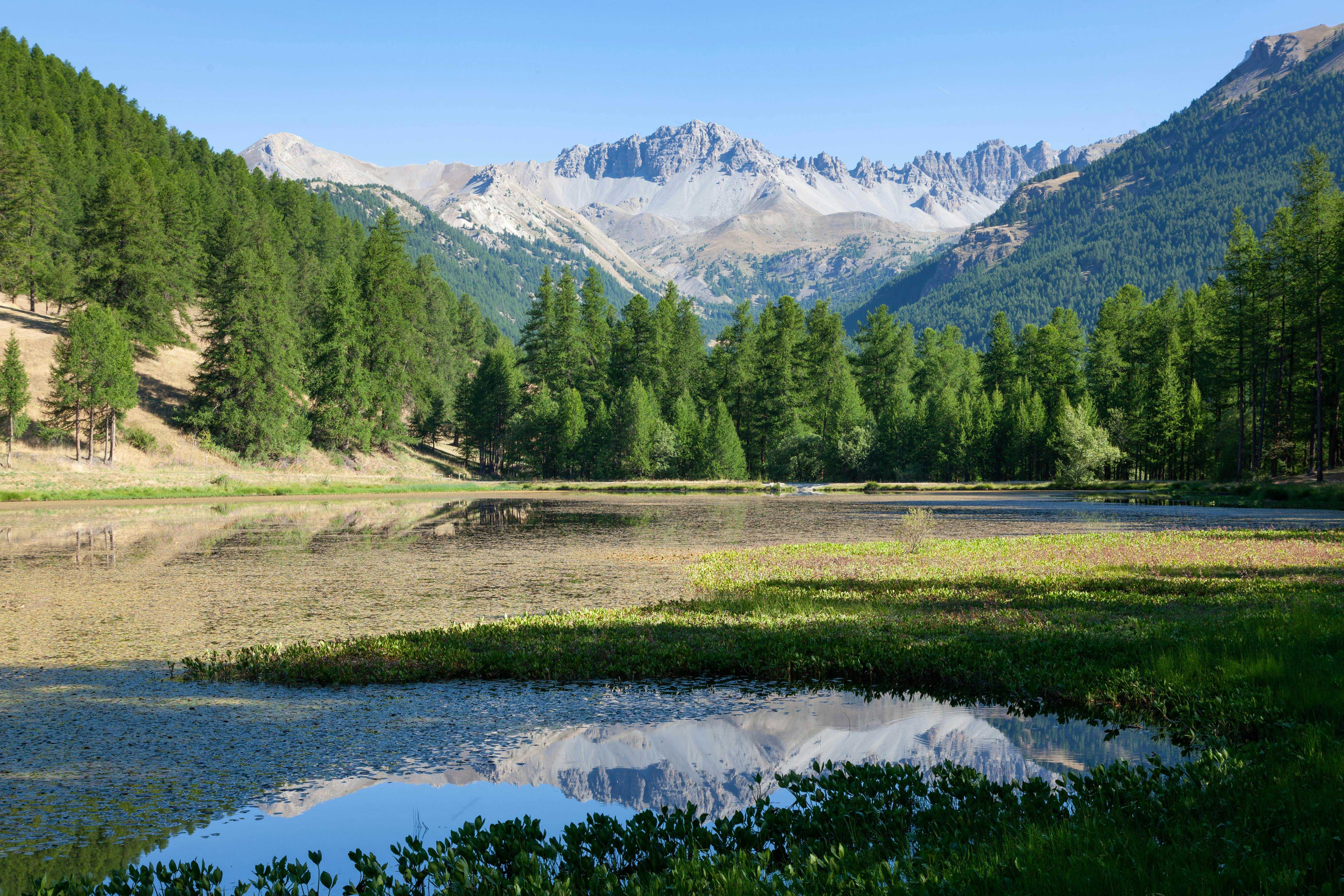

Lac
State · Chad

Lac

Lac, Chad

The Lac Region in western Chad is a remote and culturally fascinating destination defined by the sprawling, fragmented waters of Lake Chad. This vast…

#Lac#Chad#Lake Chad#Central Africa#Natural beauty

Explore Lac

Top cities in Lac

Pick a city to open its guide.

See it for yourself

Location videos

Reels and longer watches.

Featured for Lac

Traveller clips picked out for this place.

Watch & explore

Good to know

Practical info

Weather, costs and getting around.

Currency
FCFA | XAF | Central African CFA franc
Population
451,369 (2009)
Density
20 / km²
Local time
Languages
French mainly · Occitan, Arabic, Kanembu, Buduma
Budget / day
FCFA100 - FCFA200
Also known as
Mare de Tchad, Chari Lake, Lake Chad

Know before you go

Local guide

A deeper read on Lac.

What people love

The Lac Region offers a truly off-the-beaten-path adventure for intrepid travelers. The primary draw is Lake Chad itself, a unique wetland ecosystem teeming with birdlife, hippos, and crocodiles. Visitors have the rare opportunity to interact with the local Buduma and Kanembu communities, experiencing their traditional way of life and witnessing the use of distinctive papyrus boats. The region's remote nature ensures an authentic, uncommercialized experience far from typical tourist trails, providing stunning, untouched landscapes and a deep sense of isolation and discovery.

What to know

Traveling to the Lac Region presents significant challenges. The area suffers from a severe lack of tourism infrastructure, with very basic accommodation and limited transportation options. Security is a major concern due to regional instability and the presence of armed groups, making comprehensive research and professional local guides essential. The climate can be harsh, with extreme heat and difficult travel conditions during the rainy season. Additionally, healthcare facilities are virtually non-existent, and language barriers are prominent, as English is rarely spoken outside of official circles.

The Lac Region of Chad, encompassing the Chadian portion of the iconic Lake Chad, is a land steeped in profound historical significance and ancient civilizations. For a curious traveler, understanding the history of this region means delving into the legacy of some of Africa's most enduring empires and the environmental transformations of one of the continent's most vital water sources.

Long before the borders of modern Chad were drawn, the Lake Chad basin was home to the enigmatic Sao civilization. Flourishing from around the 6th century BC to the 16th century AD, the Sao were renowned for their impressive terracotta sculptures, walled cities, and advanced metalworking. They laid the cultural and demographic foundations for the empires that would subsequently dominate the region.

By the 8th century, the Kanem Empire emerged around the northern and eastern shores of Lake Chad. Founded by nomadic peoples who gradually settled, the empire grew wealthy by controlling the trans-Saharan trade routes that connected sub-Saharan Africa with the Mediterranean coast. Goods such as copper, salt, and horses flowed through the region. In the 11th century, the Kanem rulers converted to Islam, fundamentally shaping the cultural and religious landscape of the Lac region for centuries to come. Following internal strife and external pressures, the center of power shifted to the western shores of the lake, giving rise to the Bornu Empire, which reached its zenith in the 16th century under the legendary ruler Idris Alooma.

The late 19th century brought dramatic changes with the arrival of the Sudanese warlord Rabih az-Zubayr, who conquered the region before being defeated by French colonial forces at the Battle of Kousséri in 1900. The Lac region was subsequently incorporated into French Equatorial Africa. During the colonial period, traditional power structures were altered, and new administrative boundaries were imposed.

Following Chad's independence in 1960, the Lac region faced new, unprecedented challenges. The most defining historical event of the late 20th and early 21st centuries has been the dramatic shrinking of Lake Chad. Once one of Africa's largest freshwater lakes, its surface area has diminished significantly due to climate change and increased agricultural demands, profoundly impacting the traditional livelihoods of the local Kanembu and Buduma peoples who rely on fishing, agriculture, and pastoralism. Today, the Lac region stands as a poignant testament to the resilience of its people, bearing the physical and cultural marks of ancient empires, colonial encounters, and ongoing environmental shifts.