
Chad
· TD

Chad

Chad

Chad: Untamed Beauty and Ancient Wonders Await Escape the ordinary and embark on an adventure to Chad, a landlocked nation in Central Africa brimming with raw beauty, ancient cultures, and unparalleled stargazing opportu…

#Central Africa#Landlocked country#Saharan desert landscape#Ethnically diverse#French colonial influence
1/3

Top hotels & flights

Hand-picked stays and the best fares into Chad.

Top Hotels in N'Djamena

Top Flights to N'Djamena

Popular activities

Tours, tickets and experiences travelers book most in Chad.

Tours

Explore Zakouma National Park

Discover the diverse wildlife of Zakouma, one of Africa's last secure areas for elephants and other large wildlife species.

Visit the Chad National Museum

Learn about Chad's rich history and culture through its impressive collection of artifacts.

Shopping

Shopping in N'Djamena Market

Discover a variety of local products, from handicrafts to fresh produce, in N'Djamena's bustling markets.

Outdoor

Adventure at Tibesti Mountains

Embark on an adventurous journey in the Tibesti Mountains, known for its stunning landscapes and unique rock formations.

Location videos

Real reels from travelers, plus longer watches to get the full picture.

From travelers
Watch & explore

Practical info

The essentials for planning your time in Chad.

Currency
FCFA | XAF | Central African CFA franc Republic of Chad, Central Africa
Population
As of the latest estimates, the total population of Chad is approximately 17.2 million.
Languages
Arabic, French, Sara, Sango
Average weather
Chad
Jan
clear
28°13°
Feb
clear
31°15°
Mar
hot
35°19°
Apr
hot
38°23°
May
hot
39°25°
Jun
hot
37°24°
Jul
rain
33°22°
Aug
rain
31°21°
Sep
rain
32°21°
Oct
hot
35°22°
Nov
clear
33°18°
Dec
clear
29°14°

Local guide

What travelers love, what to watch for, and a deeper read on Chad.

What people love

Chad, located in Central Africa, offers a unique and authentic travel experience for adventurous travelers. Here are some pros of traveling to Chad:

  1. Rich Cultural Heritage: Chad is home to diverse ethnic groups, each with its own traditions, languages, and customs. Travelers can immerse themselves in the local culture by visiting traditional villages, attending cultural festivals, and interacting with the friendly locals.

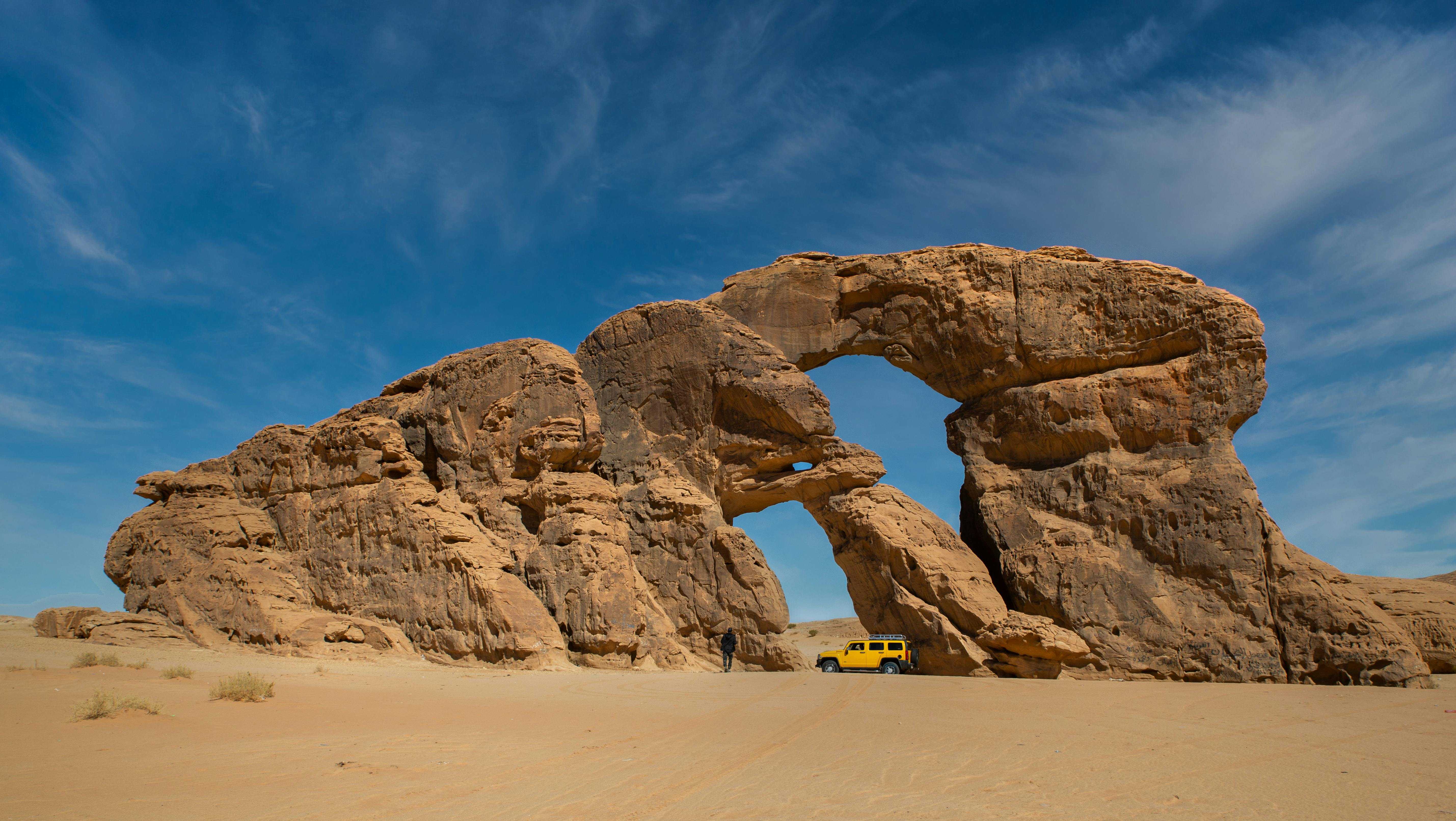
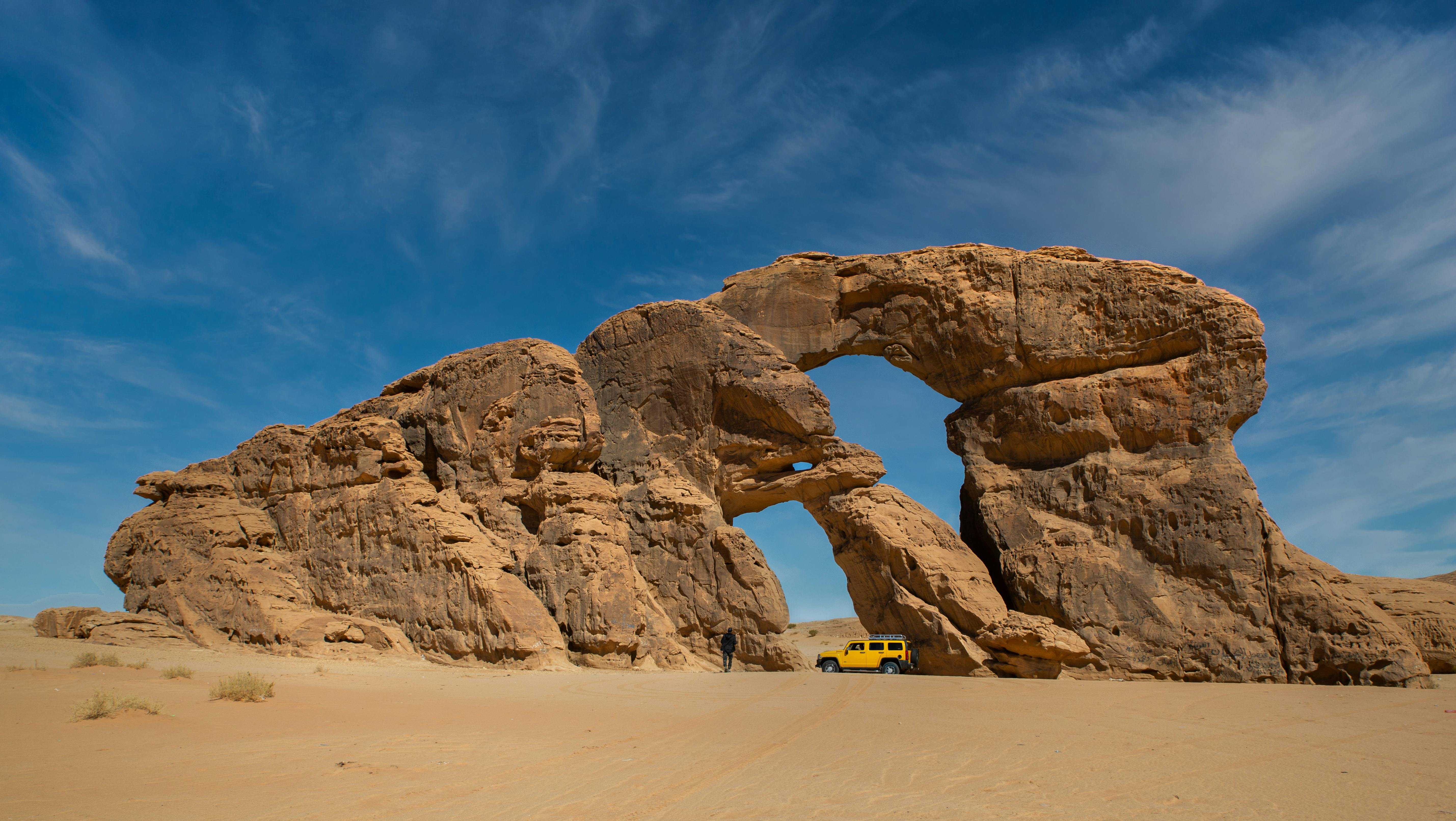
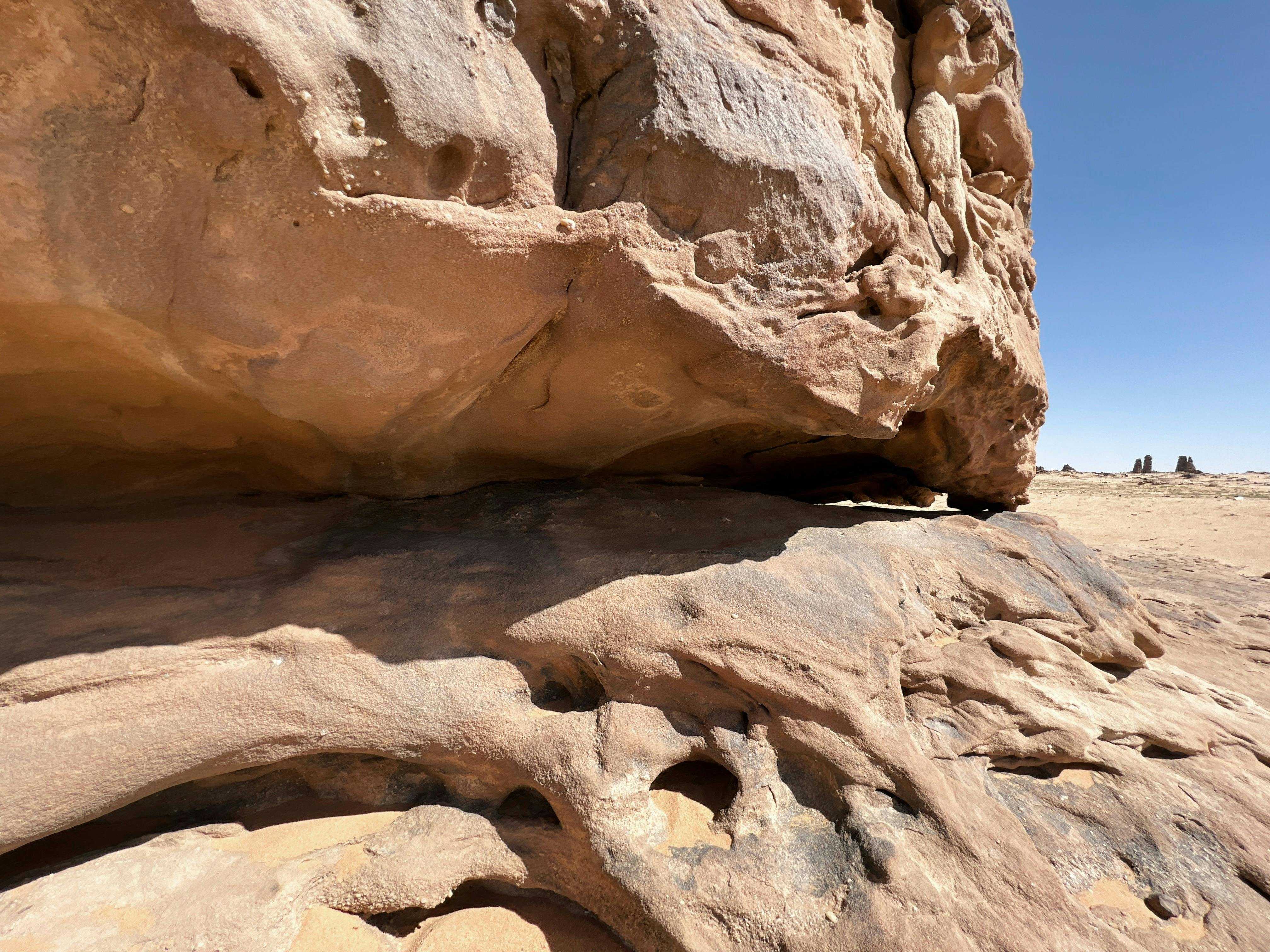
  2. Stunning Landscapes: Chad boasts a variety of landscapes, including deserts, mountains, and lakes. Travelers can explore the majestic Tibesti Mountains, the picturesque Ennedi Plateau, and the surreal landscapes of the Sahara Desert, offering plenty of opportunities for outdoor activities such as hiking, camping, and wildlife viewing.

  3. Wildlife Viewing: Chad is home to several national parks and wildlife reserves, where travelers can spot a wide range of wildlife, including elephants, lions, giraffes, and various bird species. Zakouma National Park is particularly famous for its diverse wildlife population and is a popular destination for safari enthusiasts.

  4. Adventure Tourism: Chad is a paradise for adventure seekers, offering activities such as camel trekking in the desert, exploring ancient rock art in the Ennedi Plateau, and discovering the stunning Ounianga Lakes, a UNESCO World Heritage Site. Travelers can also experience traditional nomadic life by staying in Bedouin camps and participating in local activities.

  5. Authentic Cultural Experiences: Traveling to Chad provides an opportunity to connect with the local communities and learn about their way of life. Whether it's sharing a meal with a nomadic family, participating in traditional ceremonies, or shopping for unique handicrafts at local markets, travelers can gain a deeper understanding of Chad's rich cultural heritage.

Overall, Chad offers a truly off-the-beaten-path travel experience with its diverse landscapes, rich culture, and warm hospitality. However, it's important to note that Chad can be a challenging destination in terms of infrastructure and safety, so travelers should exercise caution and be well-prepared for their trip.

What to know

There are several potential cons of traveling to Chad that you should be aware of:

  1. Security Concerns: Chad has experienced political instability and internal conflict in recent years. There are certain regions, especially near the borders with Sudan, Libya, and the Central African Republic, that are considered dangerous due to the presence of armed groups and banditry. The threat of terrorism also exists in the country, particularly in the Lake Chad region.

  2. Health Risks: Chad has limited healthcare infrastructure and access to medical services can be a challenge, especially in rural areas. The country also faces health issues such as malaria, cholera, and meningitis. It is important to take appropriate health precautions before traveling to Chad, including vaccinations and carrying necessary medications.

  3. Poor Infrastructure: The transportation infrastructure in Chad is underdeveloped, with many roads in poor condition. Traveling within the country can be difficult and time-consuming, especially during the rainy season when roads may become impassable.

  4. Cultural Sensitivities: Chad is a conservative Muslim-majority country, and travelers should be respectful of local customs and traditions. It is important to dress modestly and adhere to local norms regarding behavior and interactions with the opposite sex.

  5. Limited Tourist Facilities: Chad is not a popular tourist destination and lacks the tourist infrastructure found in more established travel destinations. Accommodation options may be limited, especially outside of major cities, and English may not be widely spoken.

It is essential to research and plan your trip carefully if you decide to travel to Chad, taking into consideration the above factors and any current travel advisories issued by your government.

Chad, located in north-central Africa, is a landlocked country with a rich history that spans several millennia. Here is a detailed overview of Chad's history, significant events, historical figures, and important landmarks:

Ancient and Pre-Colonial History

  • Prehistoric Era: Chad has been inhabited for thousands of years, with evidence of human presence dating back to the Neolithic era. The region, particularly the area around Lake Chad, was once fertile and supported large populations. Rock art in the Tibesti Mountains and the Ennedi Plateau indicates a thriving culture of hunter-gatherers and pastoralists.

  • Sao Civilization: Around the 6th century BCE, the Sao civilization emerged near Lake Chad. They are known for their advanced society and are considered the first significant civilization in the region. The Sao were skilled in metallurgy and pottery.

  • Kanem-Bornu Empire: By the 8th century CE, the Kanem Empire, and later the Kanem-Bornu Empire, rose to prominence. It became a powerful trading empire, controlling trans-Saharan trade routes and expanding its influence throughout the region. Its capital was initially in Kanem, northeast of Lake Chad, and later in Bornu.

  • Wadai Empire: In the east, the Wadai Empire emerged in the 16th century and became an influential Islamic kingdom, involved in trade and conflict with neighboring states.

Colonial History

  • French Colonization: In the late 19th century, European powers scrambled for control over Africa. Chad became part of French Equatorial Africa in 1900 after France established control over the region. French rule was formalized in 1920, and Chad was administered as a colony.

  • Colonial Resistance: Throughout the colonial period, various ethnic groups resisted French control. The most notable resistance was led by the leader Rabih az-Zubayr, who fought against French forces until his defeat in 1900.

Independence and Post-Colonial Era

  • Independence: Chad gained independence from France on August 11, 1960. François Tombalbaye became the first President of Chad.

  • Tombalbaye's Rule: Tombalbaye's rule was marked by authoritarianism and ethnic tensions, leading to unrest. His unpopular policies, including attempts to impose southern cultural practices on the north, fueled conflict.

  • Civil War: In 1965, civil war broke out, primarily between the government and northern Muslim rebels. The conflict continued for decades, characterized by coups, rebellions, and foreign interventions.

  • Hissène Habré Regime: In 1982, Hissène Habré seized power. His regime, which lasted until 1990, was marked by widespread human rights abuses, including torture and political repression.

  • Idriss Déby Era: In 1990, Idriss Déby overthrew Habré and became President. Déby's rule was characterized by attempts to stabilize the country, although conflicts persisted, especially in eastern Chad with spillovers from Darfur in Sudan.

  • Recent Developments: In April 2021, Idriss Déby died on the battlefield fighting rebels. His son, Mahamat Idriss Déby Itno, took over as interim leader, amid ongoing challenges of political instability and economic difficulties.

Significant Historical Figures

  • Rabih az-Zubayr: A prominent leader who resisted French colonial forces in the late 19th century.

  • François Tombalbaye: Chad's first president post-independence, known for his authoritarian rule.

  • Hissène Habré: Former dictator known for his brutal regime from 1982 to 1990.

  • Idriss Déby: President from 1990 until his death in 2021, who led efforts to stabilize Chad.

Important Landmarks

  • Lake Chad: Once one of the largest lakes in Africa, it has significantly shrunk but remains a critical water resource and biodiversity hotspot.

  • Zakouma National Park: One of the most significant wildlife reserves in Central Africa, known for its diverse fauna, including elephants and birds.

  • Tibesti Mountains: Featuring dramatic landscapes and home to ancient rock art.

  • Ennedi Plateau: A UNESCO World Heritage Site known for its stunning sandstone formations and prehistoric rock art.

  • N’Djamena: The capital city, which is the political and economic center of Chad.

Chad's history is marked by its strategic location, diverse cultures, and the interplay of indigenous traditions with external influences, particularly through trade and colonialism. The country continues to face challenges but remains a testament to resilience and cultural diversity.