
KwaZulu-Natal
· ZA

KwaZulu-Natal

KwaZulu-Natal, South Africa

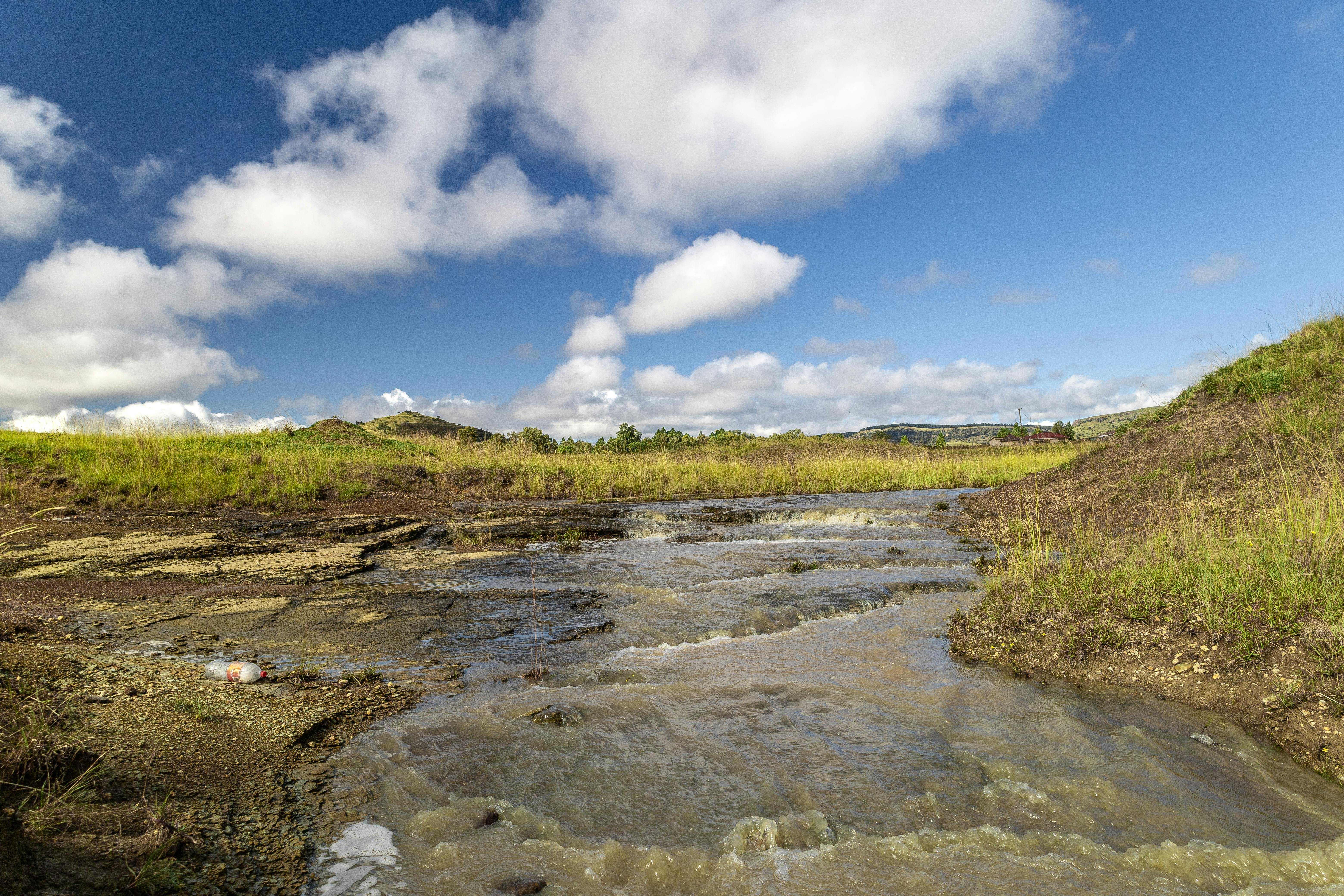
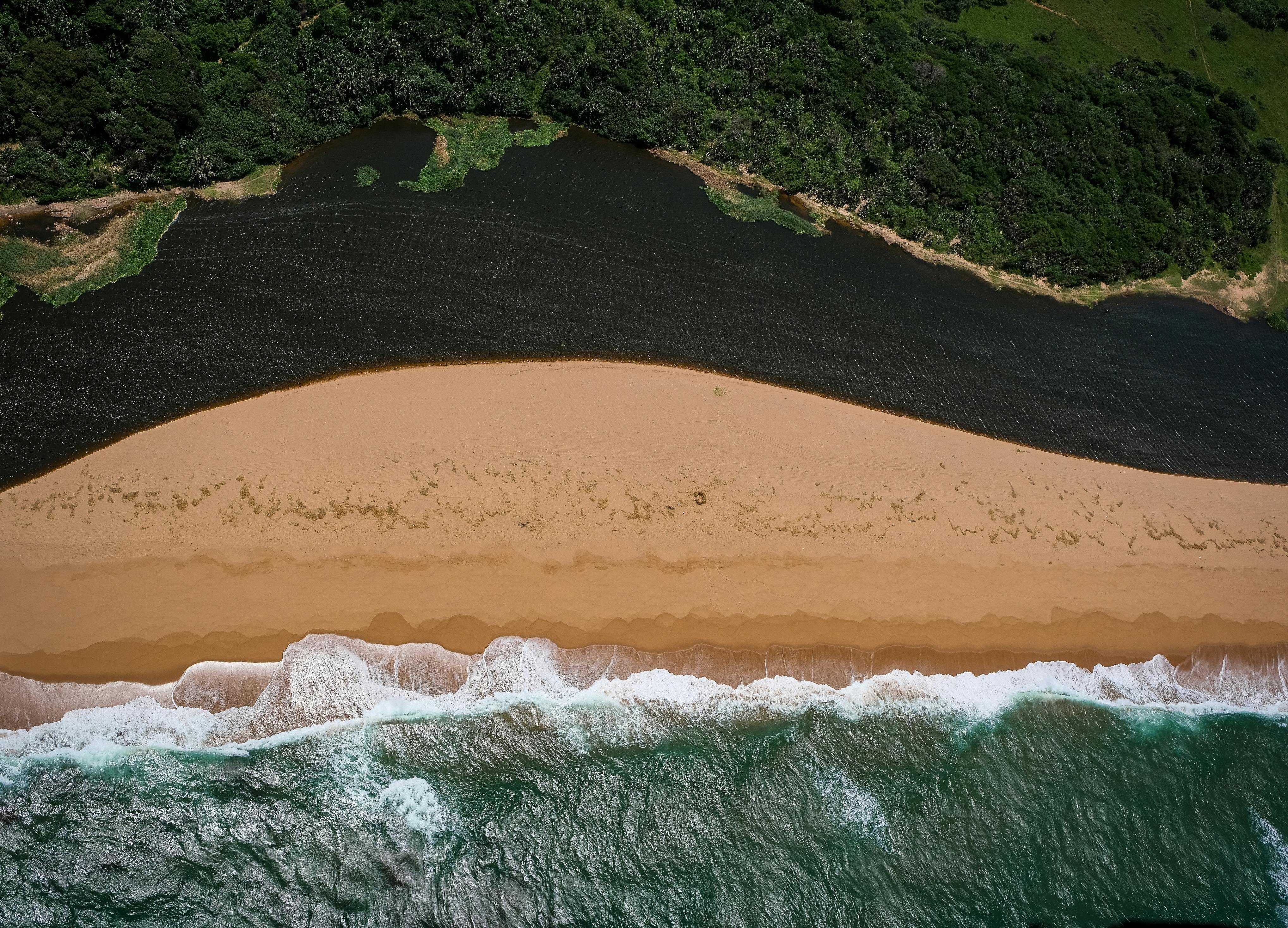
Discover the Untamed Beauty and Rich Heritage of KwaZulu-Natal KwaZulu-Natal, a captivating province on South Africa's east coast, beckons with a vibrant tapestry of experiences. From the majestic Drakensberg Mountains t…

#Coastal#Zulu culture#Wildlife#Drakensberg Mountains#Beaches
1/2

Top hotels & flights

Hand-picked stays and the best fares into KwaZulu-Natal.

Top Hotels in KwaZulu-Natal

Top Flights to KwaZulu-Natal

Popular activities

Tours, tickets and experiences travelers book most in KwaZulu-Natal.

Tours

Visit the Drakensberg Mountains

Experience the breathtaking beauty of the Drakensberg Mountains, a UNESCO World Heritage site known for its gentle hikes, stunning vistas, and rich biodiversity.

Explore Durban's Golden Mile

Walk along Durban's famous beachfront promenade, featuring beaches, restaurants, and markets.

Shopping

Shop at the Midlands Meander

Discover local crafts, artisan foods, and unique gifts along this scenic route.

Outdoor

Visit Hluhluwe-iMfolozi Park

Explore one of Africa's oldest game reserves, known for its Big Five wildlife and conservation efforts.

Location videos

Real reels from travelers, plus longer watches to get the full picture.

From travelers
Watch & explore

Practical info

The essentials for planning your time in KwaZulu-Natal.

Currency
R | ZAR | South African Rand
Population
11.5 million
Languages
Zulu, English, Afrikaans, isiXhosa

Local guide

What travelers love, what to watch for, and a deeper read on KwaZulu-Natal.

What people love

KwaZulu-Natal, located in South Africa, offers a variety of unique attractions and experiences that make it a great destination for travelers. Here are some of the pros of traveling to KwaZulu-Natal:

  1. Diverse Landscapes: KwaZulu-Natal boasts a diverse range of landscapes, including stunning beaches along the Indian Ocean coast, majestic mountains such as the Drakensberg range, and wildlife-rich national parks like Hluhluwe-Imfolozi Park.

  2. Cultural Heritage: The province is home to the Zulu people, who have a rich cultural heritage that can be experienced through visits to traditional villages, cultural performances, and historical sites like the Battlefields Route, where significant battles took place.

  3. Wildlife Viewing: KwaZulu-Natal is a prime destination for wildlife enthusiasts, with opportunities to see the Big Five (lion, leopard, elephant, buffalo, and rhino) in various game reserves and parks, including the iconic iSimangaliso Wetland Park.

  4. Adventure Activities: The province offers a wide range of adventure activities, such as hiking in the Drakensberg Mountains, surfing along the coast, and shark cage diving in Durban.

  5. Warm Climate: KwaZulu-Natal enjoys a warm and sunny climate throughout the year, making it an ideal destination for beach lovers and outdoor enthusiasts.

  6. Vibrant Cities: The cities of Durban and Pietermaritzburg offer a mix of urban attractions, including vibrant markets, museums, and delicious cuisine that reflects the diverse cultural influences of the region.

Overall, traveling to KwaZulu-Natal provides a mix of natural beauty, cultural experiences, and adventure opportunities that cater to a wide range of interests. It is a destination that has something to offer for every type of traveler.

What to know

Some potential cons of traveling to KwaZulu-Natal in South Africa may include:

  1. Safety concerns: Like many regions in South Africa, KwaZulu-Natal has some areas with higher crime rates. Travelers should be cautious and take necessary precautions to ensure their safety, such as avoiding walking alone at night and keeping belongings secure.

  2. Health risks: Certain areas of KwaZulu-Natal are known to have a higher prevalence of diseases such as malaria and HIV/AIDS. Travelers should consult with a healthcare provider before visiting to understand the necessary vaccinations and health precautions.

  3. Traffic congestion: Some parts of KwaZulu-Natal, particularly urban areas like Durban, may experience heavy traffic congestion, especially during peak hours. This can impact travel plans and potentially cause delays.

  4. Limited public transportation options: While KwaZulu-Natal does have some public transportation options, they may not be as extensive or reliable as in other regions. Renting a car may be necessary for getting around efficiently.

  5. Language barriers: While English is widely spoken in South Africa, there are many indigenous languages spoken in KwaZulu-Natal, such as Zulu. Travelers may encounter language barriers in certain areas, particularly in more rural or remote locations.

It's important to note that these are general considerations, and individual experiences may vary. It's always recommended to research specific travel advisories, consult with local authorities, and take necessary precautions to ensure a safe and enjoyable trip.

KwaZulu-Natal, located on the eastern coast of South Africa, has a rich and diverse history shaped by indigenous cultures, European colonization, and the struggle against apartheid. Here's a detailed history of the region:

Early History

  • Indigenous Inhabitants: The region has been inhabited by the Nguni-speaking peoples, primarily the Zulu, for centuries. Before the rise of the Zulu Kingdom, multiple smaller chiefdoms existed in the area.

The Rise of the Zulu Kingdom

  • Shaka Zulu (1787–1828): Perhaps the most famous historical figure associated with KwaZulu-Natal is Shaka Zulu, who transformed the Zulu tribe into a powerful kingdom in the early 19th century. Through military innovation and strategic alliances, Shaka expanded the Zulu influence across the region.
  • Dingane and Mpande: Following Shaka’s assassination, his half-brother Dingane became king, and later, Mpande, another half-brother, took the throne. Mpande’s rule was characterized by relative peace and prosperity.

European Colonization

  • Arrival of the Portuguese: The first Europeans to visit the region were Portuguese explorers in the late 15th century.
  • British and Dutch Settlement: In the 19th century, both British and Boer settlers moved into the area. The British established the colony of Natal in 1843, after defeating the Boers and annexing their republic.
  • Voortrekkers: Dutch-speaking settlers, known as Voortrekkers, migrated into the region during the Great Trek, leading to conflicts with the Zulu.

The Anglo-Zulu War

  • Battle of Isandlwana (1879): A significant event during the Anglo-Zulu War, where the Zulu achieved a major victory against British forces.
  • Battle of Rorke's Drift: Following Isandlwana, a small British garrison successfully defended the mission station at Rorke's Drift, becoming a celebrated event in British military history.

The Colony and Province of Natal

  • Colony of Natal: The British formally established the Colony of Natal in 1843, which later became part of the Union of South Africa in 1910.
  • Indian Migration: Beginning in 1860, large numbers of indentured laborers from India were brought to work on sugarcane plantations, contributing to the province's multicultural heritage.

Apartheid Era

  • Resistance Movements: As elsewhere in South Africa, apartheid policies led to significant resistance. The African National Congress (ANC) and the Inkatha Freedom Party (IFP) had a strong presence in the province.
  • Violence in the 1980s and 1990s: KwaZulu-Natal was a flashpoint for political violence, particularly between the ANC and IFP supporters.

Post-Apartheid Era

  • Integration into a Democratic South Africa: With the end of apartheid in 1994, KwaZulu-Natal became one of the nine provinces of South Africa.
  • Economic Development: The province has since focused on economic growth, leveraging its natural beauty and cultural heritage to boost tourism.

Important Landmarks

  • uKhahlamba-Drakensberg Park: A UNESCO World Heritage Site known for its stunning mountain range and ancient rock art.
  • Hluhluwe-Imfolozi Park: One of the oldest proclaimed nature reserves in Africa, known for its efforts in rhino conservation.
  • Durban: The largest city in the province, known for its beaches, multicultural atmosphere, and the Moses Mabhida Stadium.

Notable Figures

  • Mahatma Gandhi: Although not native to the region, Gandhi spent 21 years in South Africa, including time in KwaZulu-Natal, where he developed his philosophy of nonviolent resistance.
  • Albert Luthuli: The first African to win the Nobel Peace Prize, Luthuli was a key figure in the ANC and hailed from KwaZulu-Natal.

KwaZulu-Natal remains a vibrant and historically rich province, reflecting the complex interplay of indigenous culture, colonial legacy, and modern challenges in South Africa.