
South Africa
· ZA

South Africa

South Africa

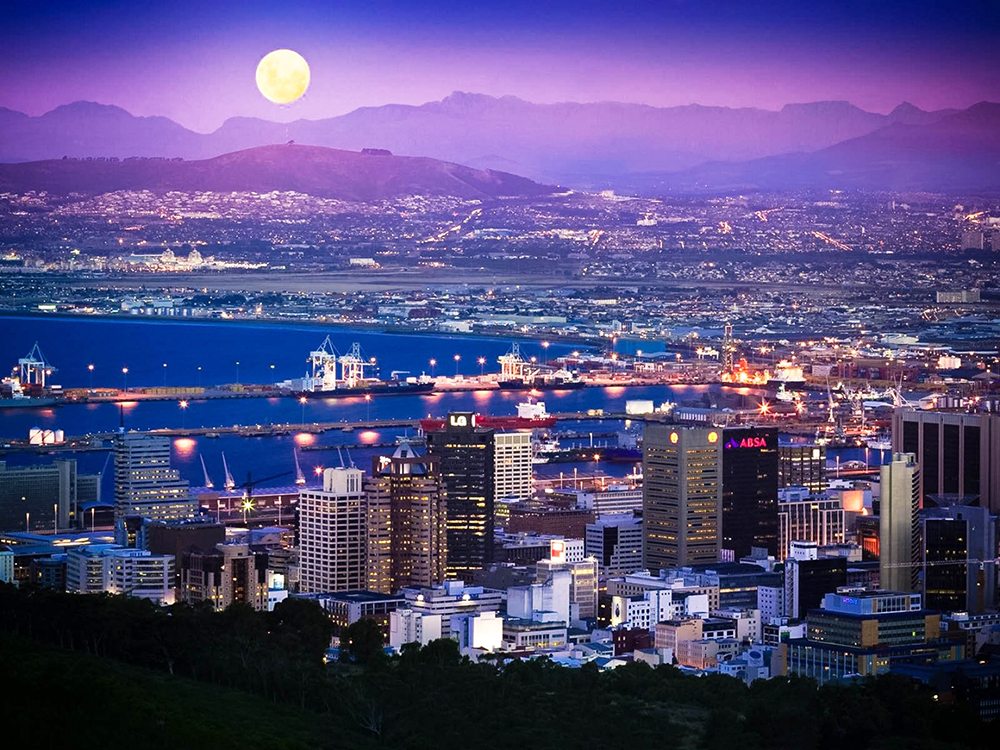
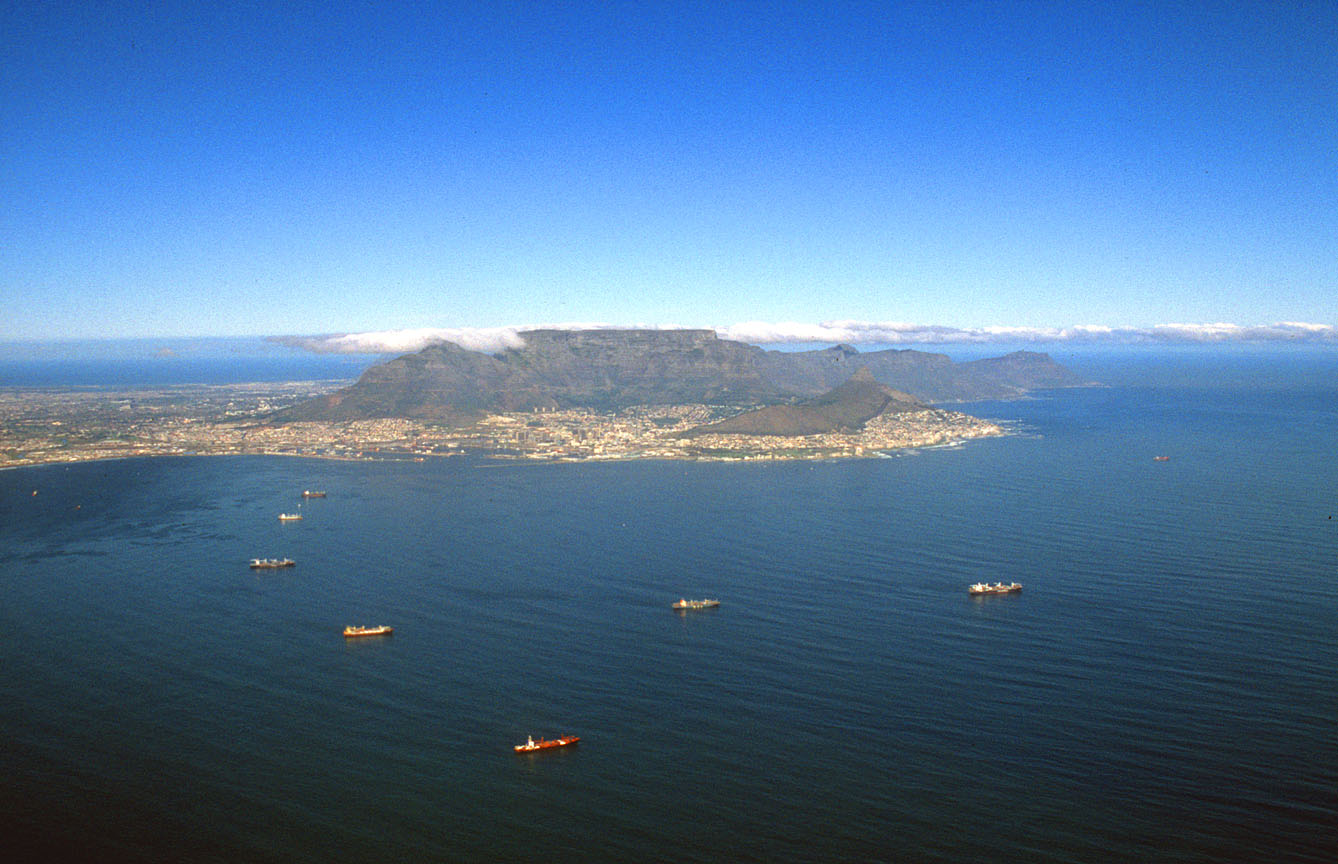
South Africa, a vibrant nation situated at the southern tip of Africa, boasts an intoxicating blend of natural beauty, cultural diversity, and pulsating urban landscapes. From the iconic Table Mountain overlooking Cape T…

#African continent#diverse culture#Safari destination#historical landmarks#beautiful landscapes
1/8

Top hotels & flights

Hand-picked stays and the best fares into South Africa.

Top Hotels in Cape Town

Top Flights to Cape Town

Popular activities

Tours, tickets and experiences travelers book most in South Africa.

Tours

Robben Island Museum Tour

Visit the historic Robben Island, where Nelson Mandela was imprisoned.

Boulders Beach Penguin Colony

Meet the African penguin colony at the picturesque Boulders Beach.

Shopping

V&A Waterfront Shopping

Enjoy shopping and dining at Cape Town's most popular destination.

Outdoor

Table Mountain Hiking

Experience breathtaking views of Cape Town by hiking up the iconic Table Mountain.

Safari in Kruger National Park

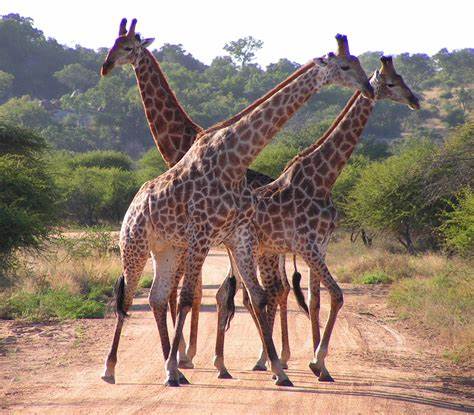
Embark on a thrilling wildlife safari and spot the Big Five in their natural habitat.

Location videos

Real reels from travelers, plus longer watches to get the full picture.

From travelers
Watch & explore

Practical info

The essentials for planning your time in South Africa.

Currency
R | ZAR | South African Rand
Population
59.6 million
Languages
Afrikaans, English, Afrikaans, isiZulu, isiXhosa, Sepedi, Setswana, Sesotho, Xitsonga, siSwati, Tshivenda, Ndebele
Average weather
South Africa
Jan
sun
30°16°
Feb
sun
29°16°
Mar
sun
28°14°
Apr
clear
25°11°
May
clear
22°7°
Jun
cold
19°4°
Jul
cold
19°4°
Aug
clear
22°6°
Sep
clear
25°10°
Oct
sun
27°13°
Nov
sun
28°14°
Dec
sun
30°16°

Local guide

What travelers love, what to watch for, and a deeper read on South Africa.

What people love

Traveling to South Africa offers a wide range of benefits and unique experiences. Here are some detailed pros of visiting South Africa:

  1. Diverse Wildlife: South Africa is famous for its diverse wildlife, including the "Big Five" (lion, leopard, rhinoceros, elephant, and buffalo). Visitors can go on safari tours in national parks such as Kruger National Park to see these majestic animals up close.

  2. Stunning Landscapes: From beautiful coastlines to dramatic mountain ranges, South Africa boasts a variety of breathtaking landscapes. The iconic Table Mountain in Cape Town and the scenic Garden Route are just a couple of the many natural wonders waiting to be explored.

  3. Rich Culture and History: South Africa has a complex history that includes the struggle against apartheid and the legacy of Nelson Mandela. Visitors can learn about the country's diverse cultures, visit historical sites like Robben Island, and engage with local communities to gain a deeper understanding of its past and present.

  4. Adventure Activities: Whether you're into shark cage diving, bungee jumping, or surfing, South Africa offers plenty of adrenaline-pumping activities for thrill-seekers. The country's varied terrain also provides opportunities for hiking, mountain biking, and other outdoor adventures.

  5. Wine Tourism: South Africa is known for its world-class wine regions, such as Stellenbosch and Franschhoek. Wine enthusiasts can enjoy tastings at vineyards, explore historic wine estates, and savor delicious food pairings in picturesque settings.

  6. Vibrant Cities: South Africa's cities like Cape Town, Johannesburg, and Durban offer a mix of urban sophistication and cultural vibrancy. Visitors can explore museums, art galleries, markets, and trendy neighborhoods, as well as indulge in diverse culinary experiences.

  7. Affordable Travel: South Africa is relatively affordable for international travelers, especially when compared to other destinations. Accommodation, dining, transportation, and activities can be budget-friendly, allowing visitors to make the most of their trip without breaking the bank.

Overall, traveling to South Africa provides a rich tapestry of experiences that cater to a wide range of interests, making it a popular destination for adventurers, nature lovers, culture enthusiasts, and more.

What to know

Traveling to South Africa, like any destination, has its own set of challenges and cons. Here are some of the cons of traveling to South Africa:

  1. Safety concerns: South Africa has a reputation for high crime rates, especially in major cities like Johannesburg, Cape Town, and Durban. Travelers need to be cautious and take necessary precautions to ensure their safety.

  2. Health risks: South Africa is in a region where certain diseases like malaria and HIV/AIDS are prevalent. Travelers should take appropriate health precautions, such as getting vaccinations and taking antimalarial medication if necessary.

  3. Traffic and road conditions: South Africa has a high rate of road accidents, so travelers should be extra cautious when driving or using public transportation. Roads can be poorly maintained in some areas, leading to challenging driving conditions.

  4. Economic disparities: South Africa has a history of economic disparities, resulting in visible inequality between different communities. Travelers may witness poverty and social issues that can be unsettling.

  5. Wildlife concerns: While South Africa is known for its diverse wildlife and safaris, there are concerns about the conservation of endangered species and the impact of tourism on the environment. Travelers should be mindful of their interactions with wildlife and choose responsible tour operators.

  6. Language barriers: South Africa has 11 official languages, which can sometimes create language barriers for travelers. English is widely spoken, but some rural areas may have limited English proficiency.

  7. Visa requirements: Depending on your nationality, you may need a visa to enter South Africa. It's important to check the visa requirements well in advance and ensure that you have all the necessary documentation.

  8. Seasonal considerations: South Africa experiences different seasons depending on the region, so travelers should be aware of the weather conditions and plan their trip accordingly. Summer can be hot and humid, while winter can be cold in some areas.

Overall, while South Africa is a beautiful and diverse destination with much to offer, travelers should be aware of these cons and take appropriate precautions to have a safe and enjoyable trip.

South Africa, located at the southernmost tip of the African continent, has a rich and complex history shaped by colonization, slavery, apartheid, and struggle for independence. Here is a detailed history of South Africa:

  1. Indigenous Peoples: South Africa has a history of human habitation dating back over 100,000 years. The indigenous Khoisan and Bantu peoples were among the earliest inhabitants, with the Bantu migrating into the region around 2,000 years ago.

  2. Colonial Era: The Portuguese were the first Europeans to reach South Africa in the 15th century. Dutch settlers, known as Boers or Afrikaners, established the first permanent European settlement in Cape Town in the mid-17th century. The British seized control of the Cape Colony in the early 19th century.

  3. The Boer Wars: The late 19th century saw conflict between the British Empire and the Boer republics of the Transvaal and the Orange Free State. The Boer Wars (1880-1881 and 1899-1902) resulted in British victory and the establishment of the Union of South Africa in 1910, a self-governing dominion within the British Empire.

  4. Apartheid: The National Party came to power in 1948 and implemented apartheid, a system of institutionalized racial segregation and discrimination. Non-white South Africans, especially black Africans, were subjected to harsh laws and restrictions on their rights and freedoms.

  5. Struggle for Independence: The African National Congress (ANC) and other anti-apartheid movements, including the Pan Africanist Congress (PAC) and the South African Communist Party, led the struggle against apartheid. Leaders such as Nelson Mandela, Walter Sisulu, Oliver Tambo, and Desmond Tutu played key roles in the fight for freedom and equality.

  6. End of Apartheid: International pressure, internal resistance, and negotiations led to the end of apartheid. In 1994, South Africa held its first democratic elections, with Nelson Mandela becoming the country's first black president. This marked the beginning of a new era of democracy and reconciliation.

  7. Important Landmarks:

    • Robben Island: A former prison where Nelson Mandela and other political prisoners were held.
    • Table Mountain: A prominent natural landmark overlooking Cape Town.
    • Soweto: A township near Johannesburg known for its role in the struggle against apartheid.
    • Kruger National Park: One of the largest game reserves in Africa, known for its diverse wildlife.

South Africa's history is a complex tapestry of triumphs and challenges, marked by resilience, courage, and the ongoing pursuit of justice and equality for all its people.