
Khyber Pakhtunkhwa
State · Pakistan

Khyber Pakhtunkhwa

Khyber Pakhtunkhwa, Pakistan

Journey to the Land of Peaks and Hospitality: Khyber Pakhtunkhwa Khyber Pakhtunkhwa, nestled in the heart of northwest Pakistan, beckons adventurers…

#mountains#culture#history#Pakhtunwali#tourism

Explore Khyber Pakhtunkhwa

Top cities in Khyber Pakhtunkhwa

Pick a city to open its guide.

See it for yourself

Location videos

Reels and longer watches.

Featured for Khyber Pakhtunkhwa

Traveller clips picked out for this place.

Watch & explore

Good to know

Practical info

Weather, costs and getting around.

Khyber Pakhtunkhwa, Pakistan Open in Google Maps
Currency
₨ | PKR | Pakistani Rupee
Population
The approximate estimated total population of Khyber Pakhtunkhwa, Pakistan, is '40.9 million'.
Languages
Pashto mainly · Urdu
Also known as
NWFP, Pashtunkhwa, North-West Frontier Province, KPK

Know before you go

Local guide

A deeper read on Khyber Pakhtunkhwa.

What people love

Khyber Pakhtunkhwa, located in Pakistan, is a region with rich cultural heritage, stunning landscapes, and a variety of attractions for travelers. Some of the pros of traveling to Khyber Pakhtunkhwa include:

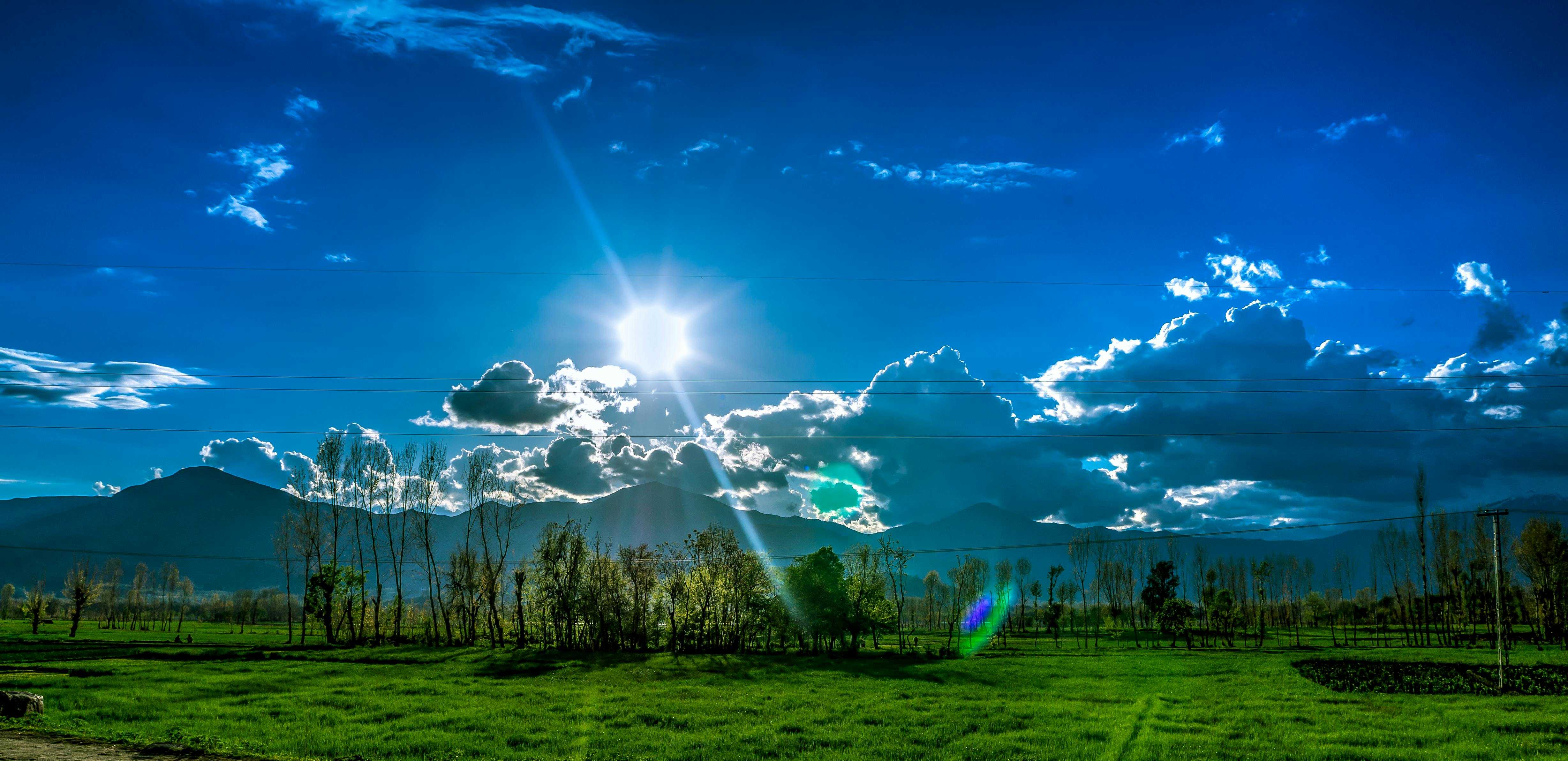
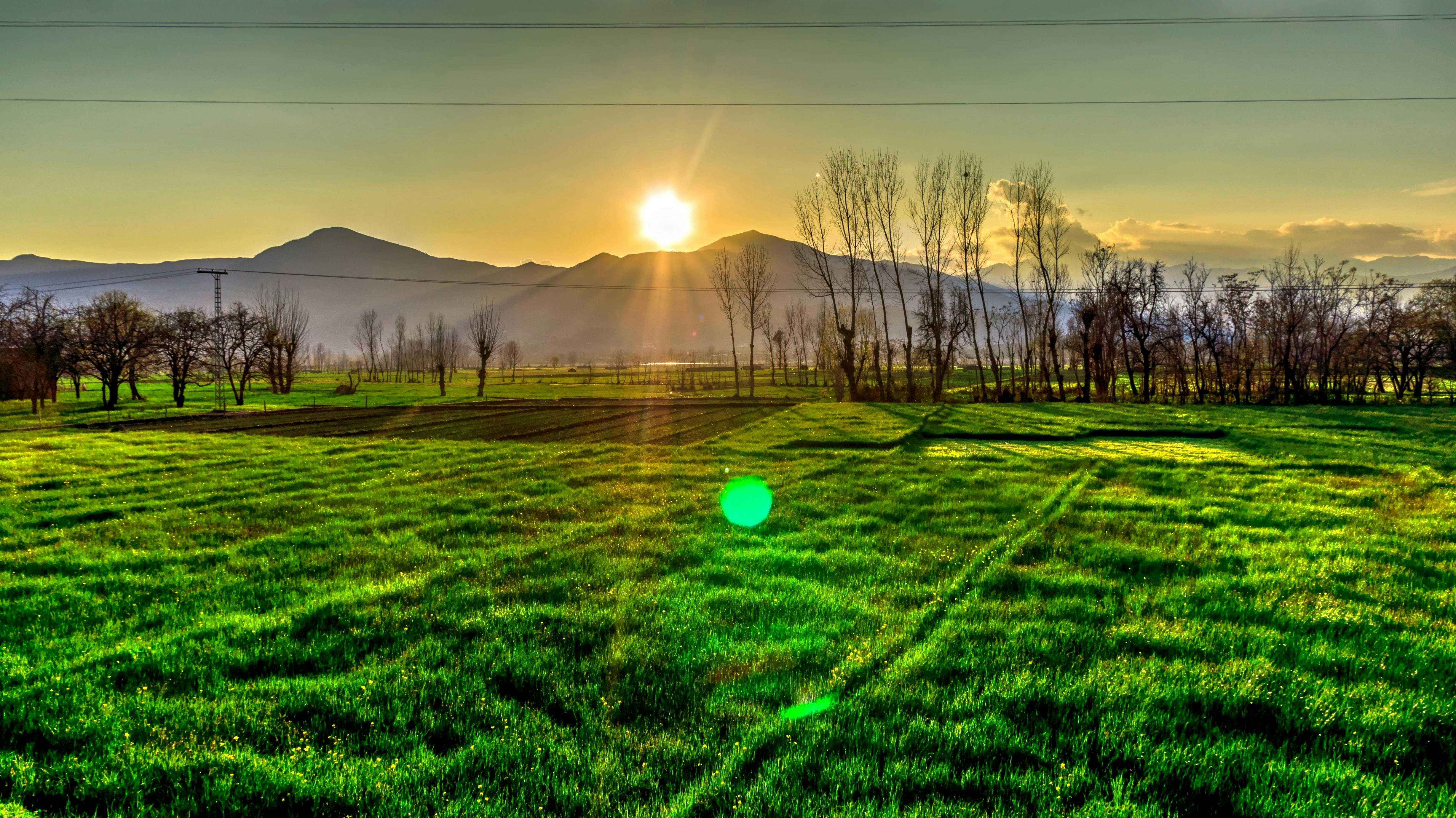
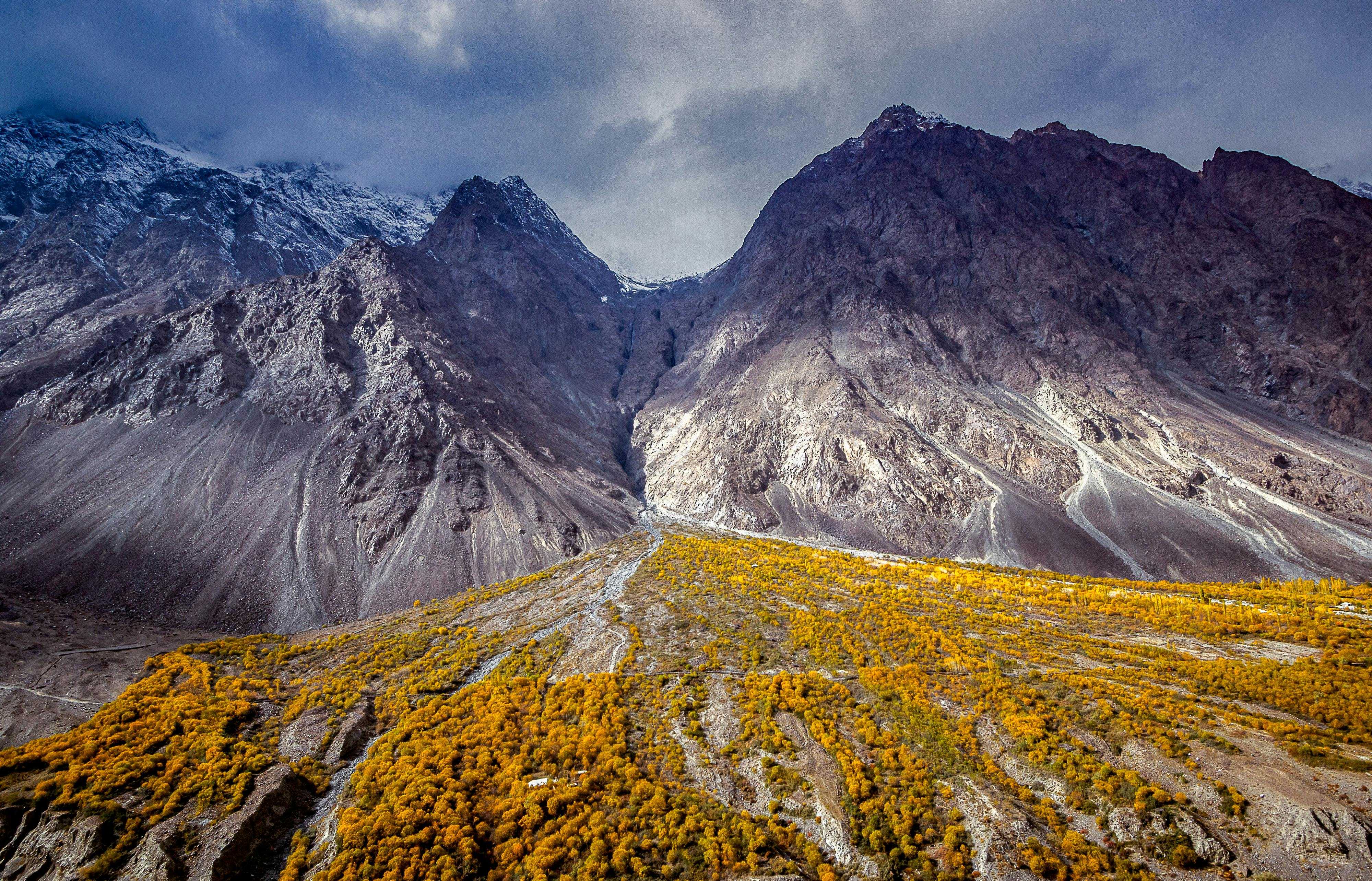
  1. Scenic Beauty: Khyber Pakhtunkhwa is known for its breathtaking natural beauty, with lush green valleys, snow-capped mountains, and crystal-clear rivers. The region is home to popular tourist destinations such as Swat Valley, Hunza, and Fairy Meadows.

  2. Historical Sites: Khyber Pakhtunkhwa is steeped in history, with numerous archaeological sites and ancient ruins dating back thousands of years. Visitors can explore sites like Takht-i-Bahi, a UNESCO World Heritage Site, and the ancient city of Taxila.

  3. Adventure Activities: The region offers a wide range of adventure activities for thrill-seekers, including trekking, mountaineering, white-water rafting, and paragliding. The rugged terrain of Khyber Pakhtunkhwa provides the perfect backdrop for outdoor adventures.

  4. Cultural Diversity: Khyber Pakhtunkhwa is home to a diverse mix of cultures and ethnicities, each with its own unique traditions and customs. Travelers can experience the warm hospitality of the locals and immerse themselves in the rich cultural tapestry of the region.

  5. Culinary Delights: The cuisine of Khyber Pakhtunkhwa is a highlight for food enthusiasts, with a variety of traditional dishes to savor. From kebabs and pulao to chapli kebabs and sajji, visitors can enjoy a gastronomic journey through the flavors of the region.

Overall, traveling to Khyber Pakhtunkhwa offers a unique and enriching experience for travelers looking to explore a region with a rich history, stunning landscapes, and warm hospitality.

What to know

Some potential cons of traveling to Khyber Pakhtunkhwa in Pakistan may include:

  1. Security Concerns: Khyber Pakhtunkhwa has faced security challenges due to its proximity to the Afghan border and past incidents of terrorism and unrest. Travelers should stay informed about the current situation and follow government travel advisories.

  2. Limited Infrastructure: Some areas in Khyber Pakhtunkhwa may have limited infrastructure, including roads, medical facilities, and accommodations. Travelers may need to be prepared for basic amenities and plan their trip accordingly.

  3. Cultural Sensitivities: Khyber Pakhtunkhwa is known for its conservative culture and adherence to traditional values. Travelers should respect local customs, dress modestly, and be mindful of cultural sensitivities to avoid any misunderstandings or conflicts.

  4. Language Barrier: While English is widely spoken in tourist areas, local languages such as Pashto and Urdu are predominant in Khyber Pakhtunkhwa. Travelers may face communication challenges in remote areas or with individuals who do not speak English.

  5. Weather Conditions: Khyber Pakhtunkhwa experiences extreme weather conditions, with hot summers and cold winters. Travelers should be prepared for fluctuations in temperature and pack appropriate clothing and gear.

It's important to research further and stay updated on the current situation in Khyber Pakhtunkhwa before planning a trip to ensure a safe and enjoyable travel experience.

Khyber Pakhtunkhwa (KP), formerly known as the North-West Frontier Province (NWFP), is a province in Pakistan with a rich history that dates back thousands of years. It is known for its strategic location and cultural diversity. Here is a detailed history of Khyber Pakhtunkhwa, including significant events, historical figures, and important landmarks:

Ancient and Medieval History

  • Early History and Gandhara Civilization: The region was part of the ancient Gandhara civilization, which thrived around the 6th century BCE. It was a major center of Buddhist culture and learning. The city of Taxila, near KP's current boundaries, was an important hub.
  • Achaemenid and Maurya Empires: It came under the influence of the Achaemenid Empire and later the Maurya Empire under Emperor Ashoka, who promoted Buddhism.
  • Greco-Bactrian and Indo-Greek Kingdoms: After Alexander the Great's invasion, the region saw the rise of Greco-Bactrian and later Indo-Greek kingdoms, which left a significant cultural impact.
  • Kushan Empire: The Kushans, who were great patrons of Buddhism, established their control over the region, further enriching its cultural heritage.
  • Hindu Shahi Dynasty: Before the arrival of Islam, the Hindu Shahi dynasty ruled parts of the region, leaving behind numerous archaeological sites.

Islamic and Mughal Period

  • Arrival of Islam: In the 7th century, following the advent of Islam, the region saw a gradual conversion to Islam, influenced by traders and Sufi missionaries.
  • Ghaznavid and Ghurid Empires: The Ghaznavids and later the Ghurids incorporated the region into their empires, spreading Islamic culture and architecture.
  • Mughal Era: Under the Mughals, particularly Emperor Akbar, the region was integrated into the broader Indian subcontinent, though it retained a degree of autonomy due to its tribal nature.

British Colonial Rule

  • Annexation by the British: In the 19th century, the British Empire annexed the region following the Anglo-Sikh wars. It was named the North-West Frontier Province (NWFP) in 1901.
  • Resistance and Revolts: The region was known for its fierce resistance to British rule, with figures like the Faqir of Ipi leading uprisings. The tribal areas were governed under a unique system known as the Frontier Crimes Regulations (FCR).
  • Role in Independence Movement: Leaders like Abdul Ghaffar Khan, also known as Bacha Khan or the Frontier Gandhi, played a crucial role in the non-violent independence movement alongside the Indian National Congress.

Post-Independence Era

  • Integration into Pakistan: After the partition of India in 1947, the NWFP became part of Pakistan. It played a significant role during the Afghan-Soviet War in the 1980s, serving as a base for Afghan mujahideen.
  • Renaming and Administrative Changes: In 2010, the province was renamed Khyber Pakhtunkhwa to reflect the ethnic Pashtun majority. The Federally Administered Tribal Areas (FATA) were merged into KP in 2018, bringing significant administrative changes.

Significant Landmarks

  • Khyber Pass: A historic mountain pass connecting Pakistan and Afghanistan, it has been a strategic military and trade route for centuries.
  • Takht-i-Bahi: An ancient Buddhist monastic complex near Mardan, it is a UNESCO World Heritage Site.
  • Swat Valley: Known for its stunning natural beauty and archaeological significance, it was an important center of Buddhism.
  • Peshawar: The provincial capital, Peshawar is one of the oldest cities in South Asia, with historical sites like the Qissa Khwani Bazaar and Bala Hisar Fort.

Historical Figures

  • Abdul Ghaffar Khan (Bacha Khan): A prominent leader in the Indian independence movement, known for his non-violent philosophy and advocacy for education.
  • Malala Yousafzai: A global advocate for girls' education and the youngest-ever Nobel laureate, she hails from the Swat Valley in KP.

Khyber Pakhtunkhwa's history is marked by a blend of cultures, religions, and historical events, making it a region of great significance in South Asian history.