

Pakistan
· PK

Pakistan

Pakistan

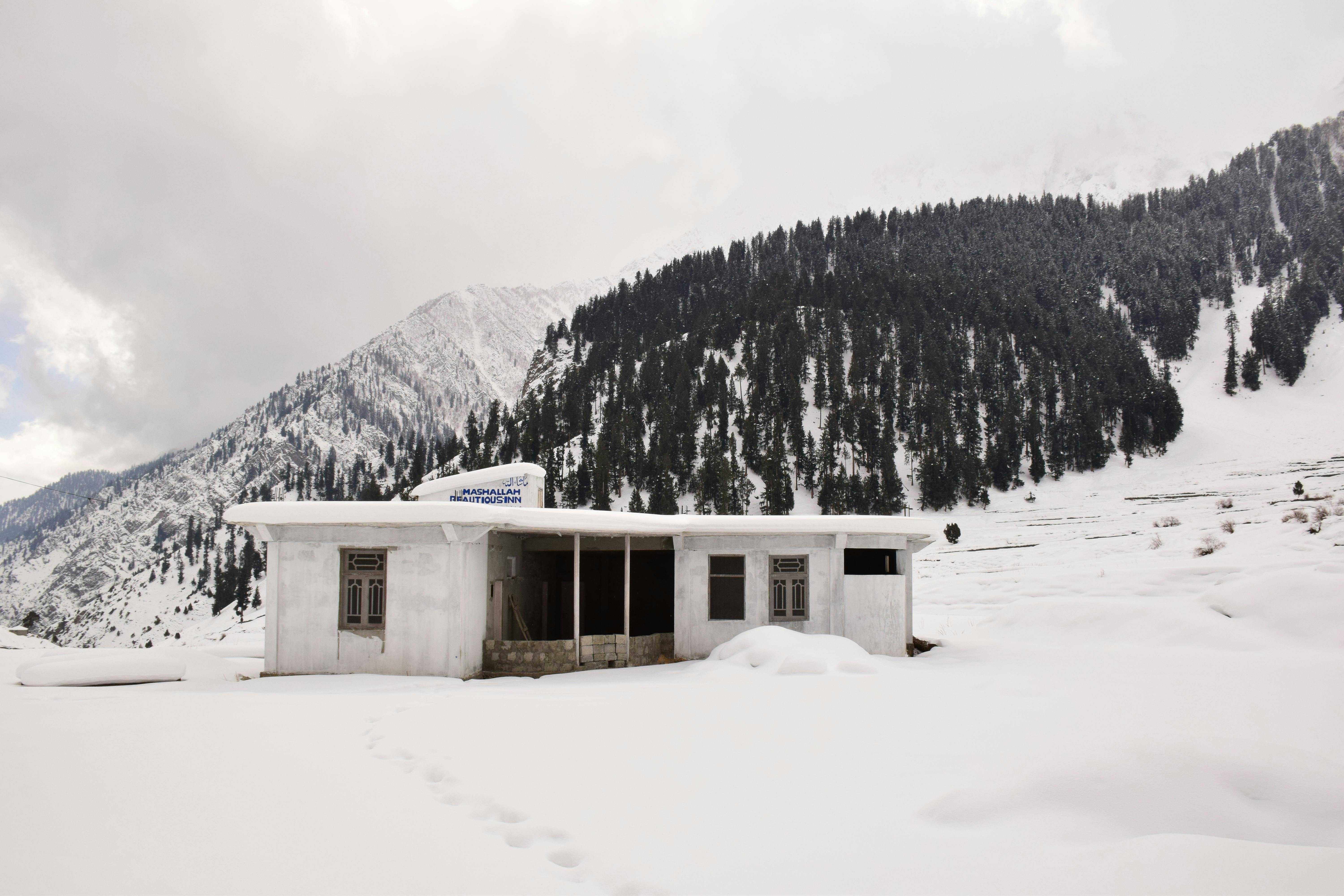
Pakistan, officially the Islamic Republic of Pakistan, is a country in South Asia. It is the world\'s fifth-most populous country, with a population exceeding 225.2 million, and has the world\'s second-largest Muslim pop…

#South Asia#Islamic Republic#Karachi#Lahore#Himalayas
1/18

Top hotels & flights

Hand-picked stays and the best fares into Pakistan.

Top Hotels in Lahore

Top Flights to Lahore

Popular activities

Tours, tickets and experiences travelers book most in Pakistan.

Tours

Explore Lahore Fort

Discover the historical Lahore Fort, a UNESCO World Heritage Site with stunning architecture and rich history.

Discover Mohenjo-Daro Ruins

Step back in time at the ancient ruins of Mohenjo-Daro, one of the earliest urban settlements.

Experience Pakistan Monument

Visit the Pakistan Monument, a symbol of national unity representing four provinces.

Shopping

Visit Anarkali Bazaar

Experience bustling local life and shop for traditional goods at one of the oldest markets in South Asia.

Shopping at Dolmen Mall Clifton

A premier shopping destination in Karachi with a variety of local and international brands.

Outdoor

Trekking in Fairy Meadows

Enjoy the breathtaking views of Nanga Parbat from the lush green Fairy Meadows.

Boating in Rawal Lake

Enjoy a peaceful day of boating at Rawal Lake, surrounded by tranquil nature.

Location videos

Real reels from travelers, plus longer watches to get the full picture.

Watch & explore

Practical info

The essentials for planning your time in Pakistan.

Currency
₨ | PKR | Pakistani Rupee
Population
225 million
Languages
Urdu, Urdu, English
Average weather
Pakistan
Jan
cold
17°5°
Feb
cold
19°7°
Mar
clear
24°12°
Apr
clear
30°17°
May
hot
35°22°
Jun
hot
38°26°
Jul
rain
36°27°
Aug
rain
35°26°
Sep
hot
34°24°
Oct
clear
30°18°
Nov
clear
24°12°
Dec
cold
19°7°

Local guide

What travelers love, what to watch for, and a deeper read on Pakistan.

What people love

Pakistan is a diverse and vibrant country with a rich history, stunning landscapes, and warm hospitality. Some of the pros of traveling to Pakistan include:

  1. Cultural Heritage: Pakistan is home to ancient civilizations such as the Indus Valley Civilization and Gandhara, offering a wealth of historical sites and cultural attractions for travelers to explore.

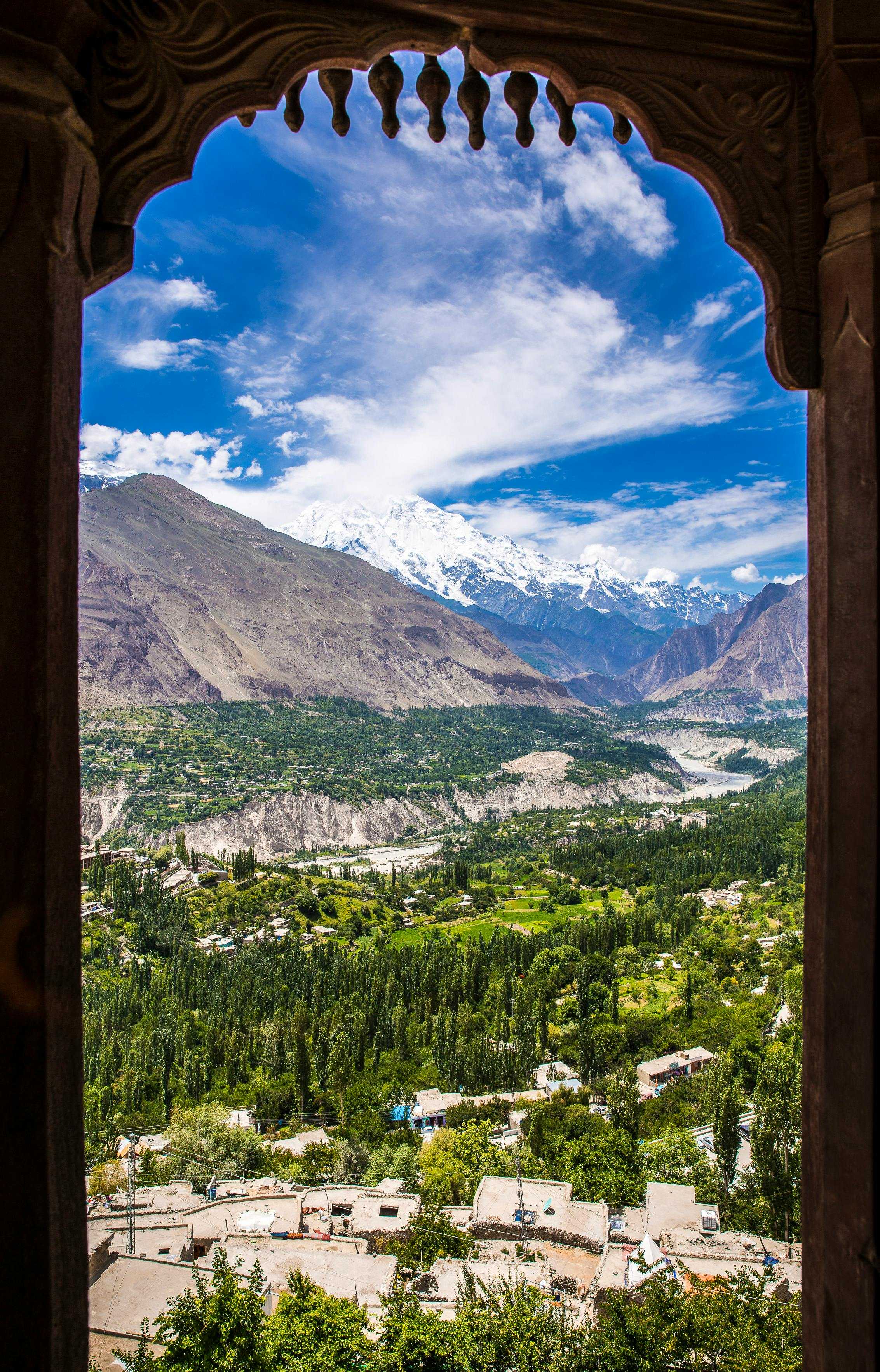
  2. Scenic Beauty: From the towering peaks of the Karakoram and Himalayan mountain ranges to the lush valleys of Swat and Hunza, Pakistan boasts breathtaking natural beauty that is a paradise for nature lovers and adventure enthusiasts.

  3. Hospitality: Pakistani people are known for their hospitality and friendliness towards guests, making visitors feel welcome and comfortable during their stay.

  4. Culinary Delights: Pakistani cuisine is rich and flavorful, offering a wide variety of dishes that cater to different tastes and preferences. From spicy curries to succulent kebabs, food lovers will delight in the diverse gastronomic experiences that Pakistan has to offer.

  5. Affordability: Traveling in Pakistan is relatively affordable compared to many other destinations, making it an attractive option for budget-conscious travelers looking to explore a new and exciting destination.

  6. Adventure Opportunities: Pakistan offers a range of adventure activities such as trekking, mountaineering, white-water rafting, and paragliding, providing thrill-seekers with plenty of exciting opportunities to satisfy their adrenaline cravings.

Overall, traveling to Pakistan can be a rewarding and enriching experience for those looking to immerse themselves in a vibrant culture, explore stunning landscapes, and create lasting memories.

What to know

Traveling to Pakistan can have some potential cons, including:

  1. Security concerns: Pakistan has experienced political instability and occasional incidents of terrorism. Travelers should stay informed about the current security situation and consider any travel advisories before visiting.

  2. Health risks: Some parts of Pakistan may have limited access to clean water and sanitation facilities, increasing the risk of waterborne diseases. It is important to take necessary health precautions, such as drinking bottled water and getting vaccinated before traveling.

  3. Cultural differences: Pakistan is a conservative country with strict social norms and customs. Travelers should be respectful of local traditions, dress modestly, and be aware of any cultural taboos to avoid unintentionally causing offense.

  4. Language barrier: While English is widely spoken in urban areas and tourist destinations, communication may be challenging in more remote regions where Urdu or other local languages are predominant.

  5. Infrastructure challenges: Pakistan's infrastructure may not be as developed as in some Western countries, leading to issues such as unreliable public transportation, frequent power outages, and limited access to healthcare facilities in rural areas.

  6. Bureaucratic hurdles: Obtaining visas, permits, and navigating bureaucratic processes in Pakistan can be time-consuming and complex, especially for independent travelers.

It is important for travelers to research and prepare adequately before visiting Pakistan to ensure a safe and enjoyable experience.

Pakistan, officially known as the Islamic Republic of Pakistan, is a country situated in South Asia. It shares its borders with India to the east, Afghanistan and Iran to the west, and China to the north. The Arabian Sea lies to the south of Pakistan.

History:

  • The region that is now Pakistan has a rich history dating back thousands of years. It has been home to several ancient civilizations, including the Indus Valley Civilization, one of the world's earliest urban societies.
  • In 1947, Pakistan gained independence from British rule as a separate Muslim-majority nation. This event, known as Partition, led to the creation of two separate countries, India and Pakistan.
  • Pakistan's founder, Muhammad Ali Jinnah, played a pivotal role in the country's creation and is considered a national hero.
  • Over the years, Pakistan has experienced periods of political instability, military rule, and conflicts with neighboring countries, particularly India.

Significant Events:

  • The Indo-Pakistani War of 1947-48 was the first war between India and Pakistan over the region of Kashmir.
  • The Indo-Pakistani War of 1965 was fought over Kashmir and ended in a stalemate.
  • The Indo-Pakistani War of 1971 led to the creation of Bangladesh (formerly East Pakistan) after a brutal conflict.
  • Pakistan has also been involved in various conflicts with Afghanistan and has faced internal challenges such as terrorism and sectarian violence.

Historical Figures:

  • Muhammad Ali Jinnah: Founder of Pakistan and its first Governor-General.
  • Allama Iqbal: A poet and philosopher who inspired the Pakistan Movement.
  • Benazir Bhutto: The first female Prime Minister of Pakistan.
  • Pervez Musharraf: Former President and military ruler of Pakistan.

Important Landmarks:

  • Badshahi Mosque in Lahore: A stunning example of Mughal architecture.
  • Faisal Mosque in Islamabad: One of the largest mosques in the world.
  • Lahore Fort: A UNESCO World Heritage Site known for its historical significance.
  • K2 Mountain: The second-highest mountain in the world, located in the Karakoram Range in Pakistan.

This overview provides a glimpse into the history and key aspects of Pakistan. For a more comprehensive understanding, further research and exploration are recommended.