Khatlon
· TJ

Khatlon

Khatlon, Tajikistan

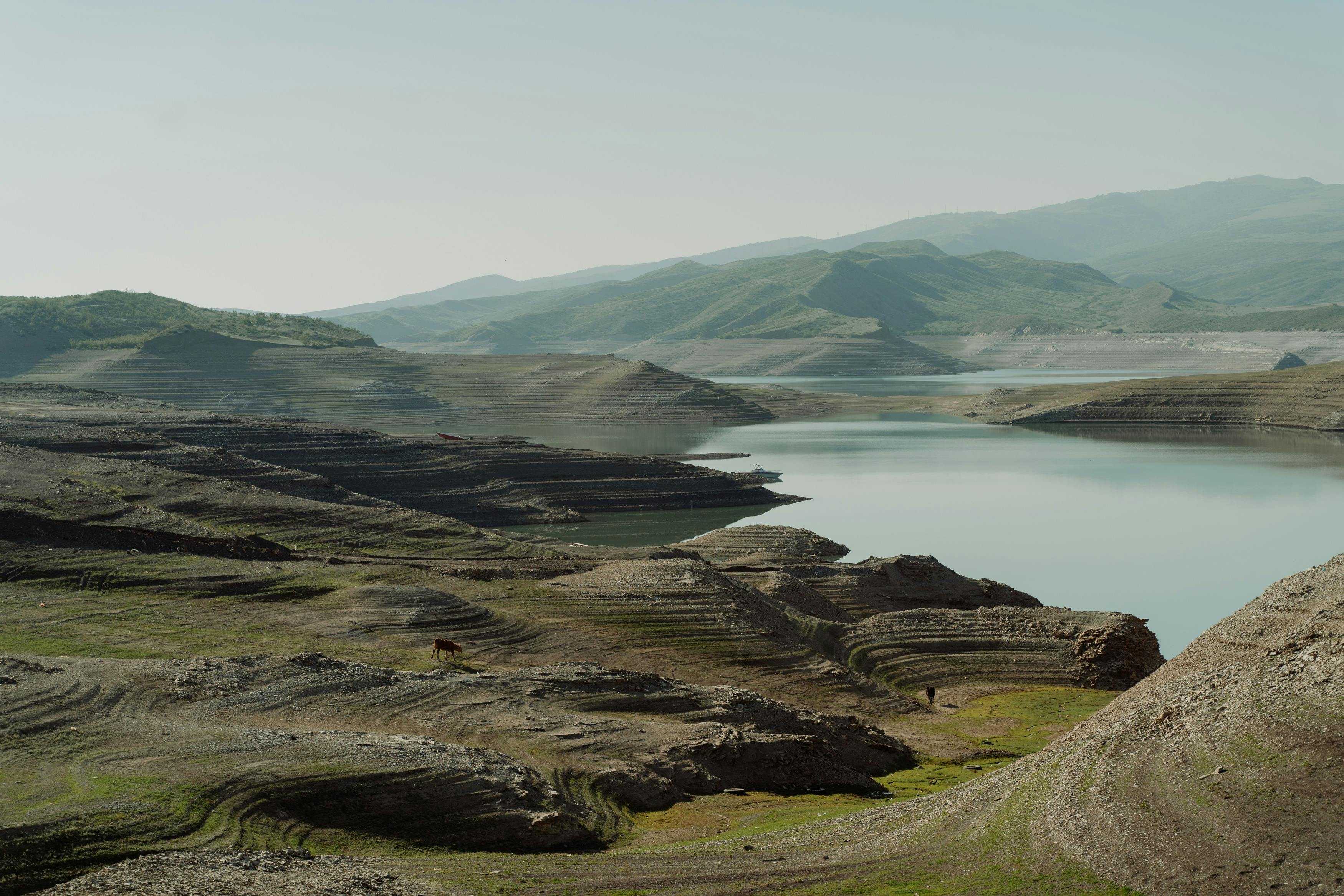
Unveiling Khatlon: Tajikistan's Fertile Heartland Escape the ordinary and journey into the heart of Tajikistan, where the Khatlon region awaits with open arms. Nestled amidst towering mountains and threaded by the mighty…

#Khatlon#Tajikistan#Southern region#Cultural heritage#Historical sites
1/1

Top hotels & flights

Hand-picked stays and the best fares into Khatlon.

Top Hotels in Khatlon

Top Flights to Khatlon

Popular activities

Tours, tickets and experiences travelers book most in Khatlon.

Tours

Explore the Ancient Hulbuk Fortress

Discover the history of Khatlon by visiting the ancient Hulbuk Fortress, a significant archaeological site in the region.

Historical Tour of Kulob City

Dive into the rich history of Kulob, exploring ancient sites and local museums.

Buddhas of Ajina Tepa Visit

Visit the Buddhas of Ajina Tepa, a historical site with ancient Buddhist remnants.

Visit the Mausoleum of Mir Sayyid Ali Hamadani

A cultural and spiritual journey to the mausoleum of a revered figure, Mir Sayyid Ali Hamadani, in Khatlon.

Shopping

Kulob Bazaar Shopping Experience

Immerse yourself in the local culture by exploring the bustling Kulob Bazaar, offering a wide variety of goods.

Shopping at Qurghonteppa Central Market

Browse through an array of local goods and produce at the Qurghonteppa Central Market.

Outdoor

Vakhsh River Rafting Adventure

Experience the thrill of rafting on the Vakhsh River, surrounded by stunning landscapes.

Tigrovaya Balka Nature Reserve Hiking

Enjoy a day of hiking in the Tigrovaya Balka Nature Reserve, home to diverse wildlife and unique landscapes.

Khovaling Mountain Climb

Challenge yourself with a climb in the Khovaling Mountains, offering panoramic views of Khatlon.

Lakeside Picnic at Lake Sarez

Relax and enjoy a picnic by the serene Lake Sarez, surrounded by stunning mountain scenery.

Location videos

Real reels from travelers, plus longer watches to get the full picture.

From travelers
Watch & explore

Practical info

The essentials for planning your time in Khatlon.

Currency
ЅМ | TJS | Tajikistani Somoni
Population
The approximate estimated total population of Khatlon, Tajikistan is not available.
Languages
Tajik, Uzbek, Russian

Local guide

What travelers love, what to watch for, and a deeper read on Khatlon.

What people love

Khatlon Province, located in southwestern Tajikistan, offers a range of attractions and experiences for travelers. Here are some of the pros of traveling to Khatlon:

  1. Rich Cultural Heritage: Khatlon is home to ancient cities and sites that offer insights into the region's rich history and cultural diversity. Travelers can explore historical landmarks and learn about the area's past.

  2. Natural Beauty: The province boasts diverse landscapes, from the majestic Pamir Mountains to lush valleys and rivers. This makes it an excellent destination for nature lovers and outdoor enthusiasts who enjoy activities such as hiking and trekking.

  3. Warm Hospitality: Visitors often remark on the warm and welcoming nature of the local people. Experiencing the hospitality of the Tajik people can be a highlight of the trip.

  4. Local Cuisine: Travelers can enjoy traditional Tajik cuisine, which includes dishes like plov (a rice dish), kebabs, and fresh local produce. The culinary experience can be a delightful aspect of visiting the region.

  5. Cultural Festivals: Depending on the time of year, travelers might have the opportunity to participate in or observe local festivals and celebrations, which can provide deeper insights into the local customs and traditions.

  6. Off-the-Beaten-Path Experience: Khatlon is less frequented by international tourists compared to other parts of Central Asia, offering a more authentic and less commercialized travel experience.

  7. Historical Sites: The province is home to several significant archaeological sites and historical monuments, such as the ancient settlement of Hulbuk, which provide a glimpse into the region's historical importance.

Travelers interested in history, culture, and nature will find Khatlon a rewarding destination. However, it's important to prepare adequately for travel in terms of logistics, safety, and cultural considerations, as the region is still developing in terms of tourism infrastructure.

What to know

Traveling to Khatlon, Tajikistan, can be an enriching experience, but like any destination, it may have its drawbacks. Here are some potential cons to consider:

  1. Infrastructure: Khatlon, like much of Tajikistan, may not have the same level of infrastructure development as more tourist-heavy destinations. Roads can be in poor condition, and public transportation options might be limited or less reliable.

  2. Language Barrier: The primary languages spoken in Khatlon are Tajik and Russian. English is not widely spoken, which can pose a challenge for travelers who do not speak these languages.

  3. Limited Tourist Facilities: The region may have limited facilities specifically geared towards tourists, such as high-quality hotels, restaurants, and informational resources. This can make travel planning a bit more challenging.

  4. Healthcare Facilities: Access to healthcare facilities could be limited, and the quality of care may not be up to the standards found in more developed countries. It's advisable for travelers to have comprehensive travel insurance.

  5. Political and Social Stability: While Tajikistan is generally stable, the region has a history of political instability. Travelers should stay informed about the current political situation and any travel advisories issued by their government.

  6. Remote Areas: Some of the attractions in Khatlon may be in remote areas, which could pose challenges in terms of accessibility and safety. Travelers should plan accordingly and consider hiring local guides.

  7. Cultural Sensitivity: As with any travel, it's important to be aware of and respect local customs and traditions. This includes dress codes, especially in rural areas, and behavior in social situations.

Overall, while Khatlon can offer a unique travel experience, it requires careful planning and consideration of these potential challenges.

Khatlon is a region located in the southwestern part of Tajikistan. It is one of the four administrative divisions in the country, known for its rich history and cultural heritage. Here is a detailed history of Khatlon:

Ancient and Medieval History

  • Ancient Era: The region that is now Khatlon has been inhabited since ancient times. It was part of the Persian Empire under the Achaemenids and later came under the influence of the Greco-Bactrian Kingdom after the conquests of Alexander the Great.

  • Sassanian Period: Khatlon was part of the Sassanian Empire, which lasted from approximately 224 to 651 AD. The Sassanians were known for their contributions to art, architecture, and commerce.

  • Islamic Conquest: In the 7th century, the region was conquered by Arab forces, marking the beginning of the Islamic era. During this time, Islam spread throughout Central Asia, and Khatlon became part of various Islamic states and empires, including the Samanids.

  • Timurid Dynasty: In the 14th and 15th centuries, Khatlon was part of the Timurid Empire, founded by Timur (Tamerlane). This period was marked by significant developments in art and architecture.

Modern History

  • Russian Empire and Soviet Era: In the late 19th century, Khatlon, like much of Central Asia, was incorporated into the Russian Empire. Following the Russian Revolution of 1917, it became part of the Soviet Union as the Tajik Soviet Socialist Republic.

  • Post-Soviet Independence: Tajikistan declared independence from the Soviet Union in 1991. Khatlon, as part of Tajikistan, experienced the civil war that erupted shortly thereafter, from 1992 to 1997, which was a challenging period for the region.

Significant Events and Historical Figures

  • Civil War in Tajikistan: The civil war in the 1990s was a significant event that affected Khatlon. The conflict was characterized by battles between different factions, and Khatlon, being a populous region, was greatly impacted.

  • Rebuilding Efforts: Following the end of the civil war, efforts were made to rebuild the region's infrastructure and economy. International aid and government initiatives focused on restoring stability and fostering development.

Important Landmarks

  • Hulbuk Fortress: Located near the town of Khovaling, this ancient fortress dates back to the 9th century and is a significant archaeological site. It provides insights into the region’s historical architecture and strategic importance.

  • The Mausoleum of Mir Sayyid Ali Hamadani: Located in Kulob, this mausoleum honors Mir Sayyid Ali Hamadani, a 14th-century Persian Sufi scholar and poet who played a key role in spreading Islam in the region.

  • Nurek Dam: Although not ancient, the Nurek Dam is a significant modern landmark. It is one of the tallest dams in the world and is crucial for Tajikistan's hydroelectric power production.

Cultural Heritage

Khatlon is home to diverse ethnic groups and a rich cultural heritage. Traditional music, dance, and crafts play an important role in the cultural identity of the region.

In summary, Khatlon has a history that spans from ancient empires to modern independence, marked by cultural richness and resilience through periods of conflict and reconstruction.