Tajikistan
· TJ

Tajikistan

Tajikistan

Tajikistan: Adventure Awaits in the Heart of Central Asia Nestled amongst the soaring peaks of the Pamir Mountains, Tajikistan is a land of raw beauty and ancient history, ripe for adventurous travelers seeking off-the-b…

#Central Asia#Mountainous#Landlocked#Cultural Diversity#Silk Road
1/8

Top hotels & flights

Hand-picked stays and the best fares into Tajikistan.

Top Hotels in Dushanbe

Top Flights to Dushanbe

Location videos

Real reels from travelers, plus longer watches to get the full picture.

Watch & explore

Practical info

The essentials for planning your time in Tajikistan.

Currency
ЅМ | TJS | Tajikistani Somoni
Population
9.5 million
Languages
Tajik, Russian, Uzbek
Average weather
Tajikistan
Jan
cold
5°-5°
Feb
cold
8°-3°
Mar
cloud
14°2°
Apr
cloud
20°8°
May
clear
25°12°
Jun
hot
30°16°
Jul
hot
35°20°
Aug
hot
34°19°
Sep
clear
28°14°
Oct
cloud
20°8°
Nov
cloud
14°3°
Dec
cold
8°-2°

Local guide

What travelers love, what to watch for, and a deeper read on Tajikistan.

What people love

Tajikistan is a beautiful country located in Central Asia with a diverse range of attractions and activities to offer to travelers. Some of the pros of traveling to Tajikistan include:

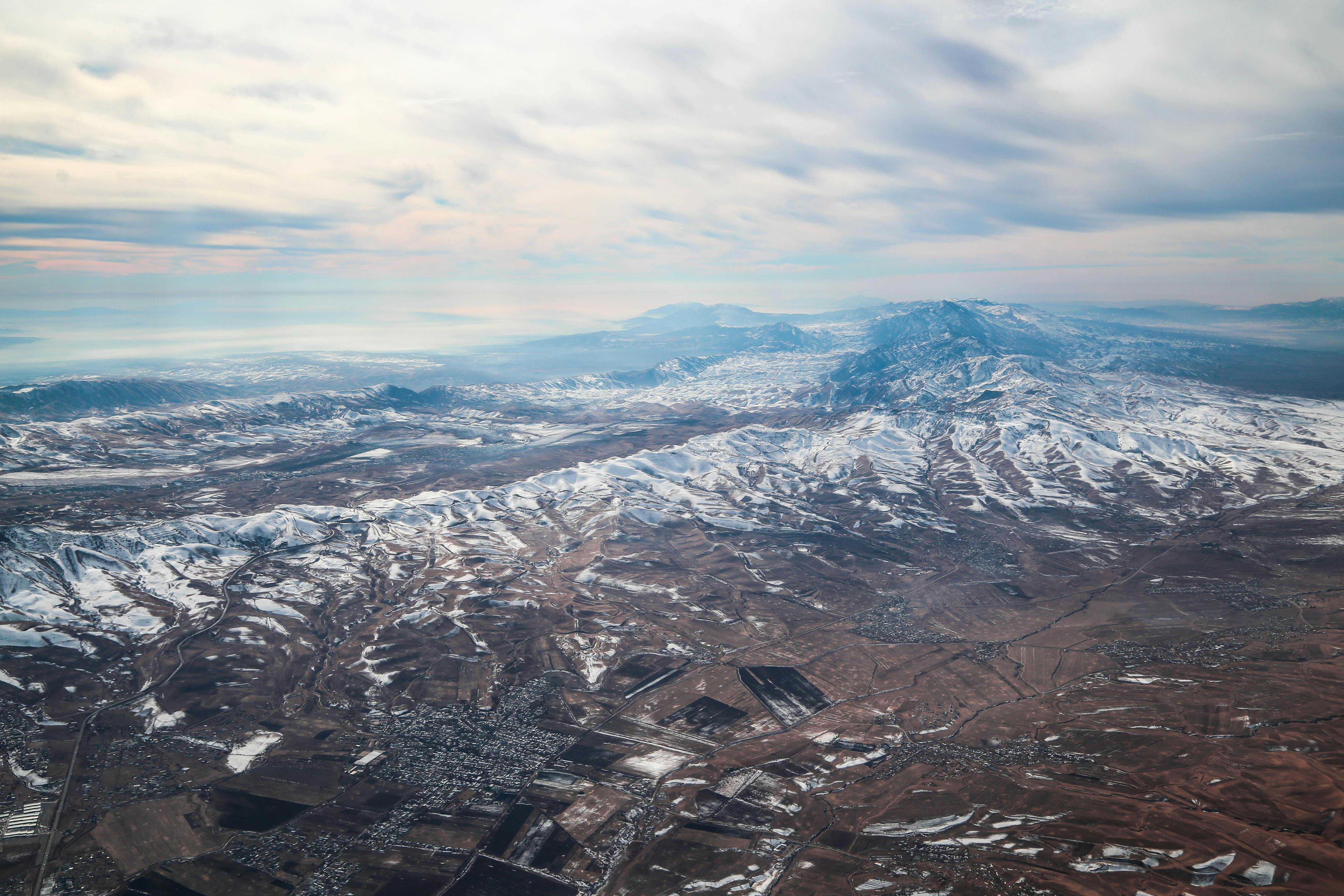
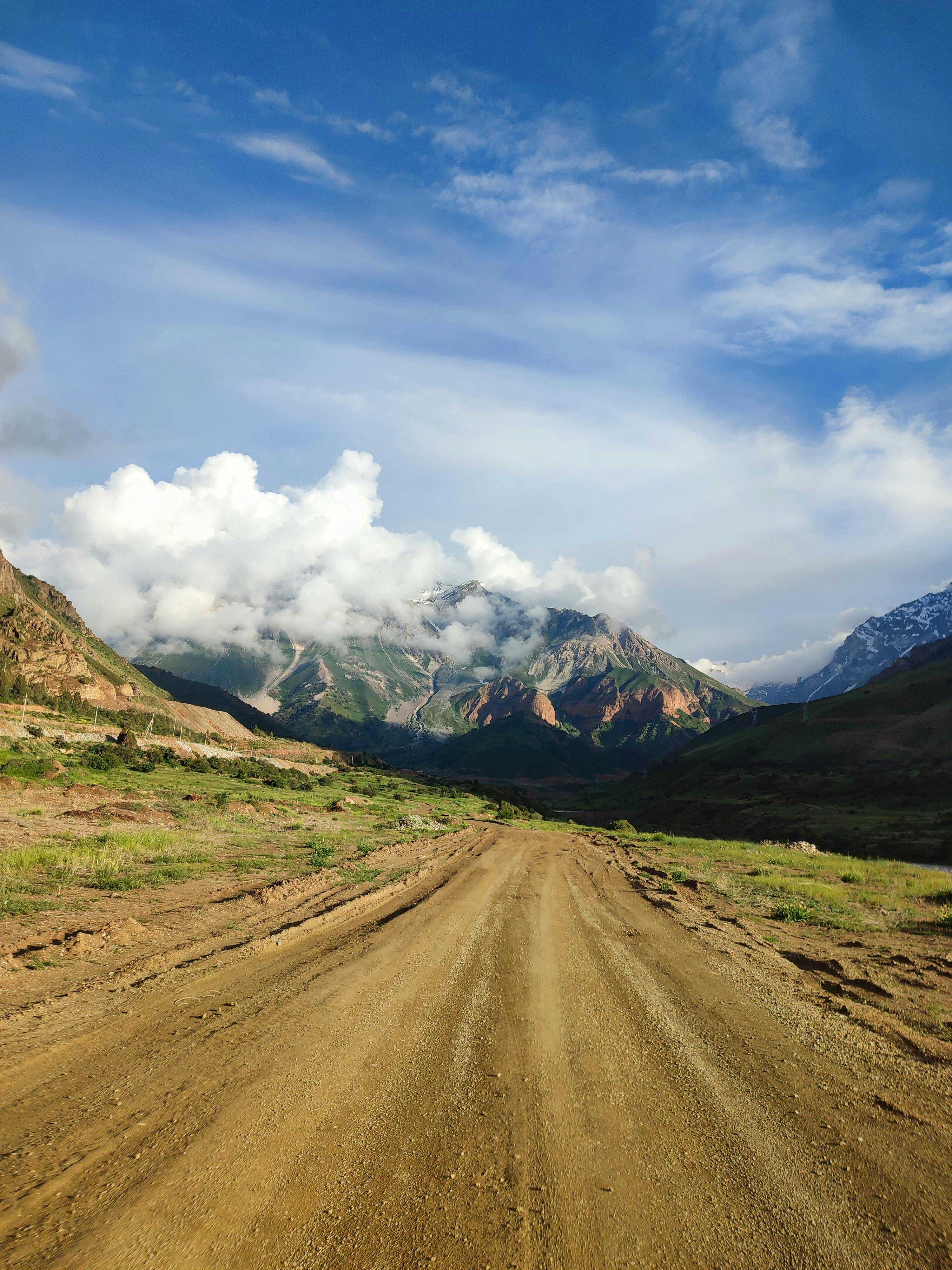
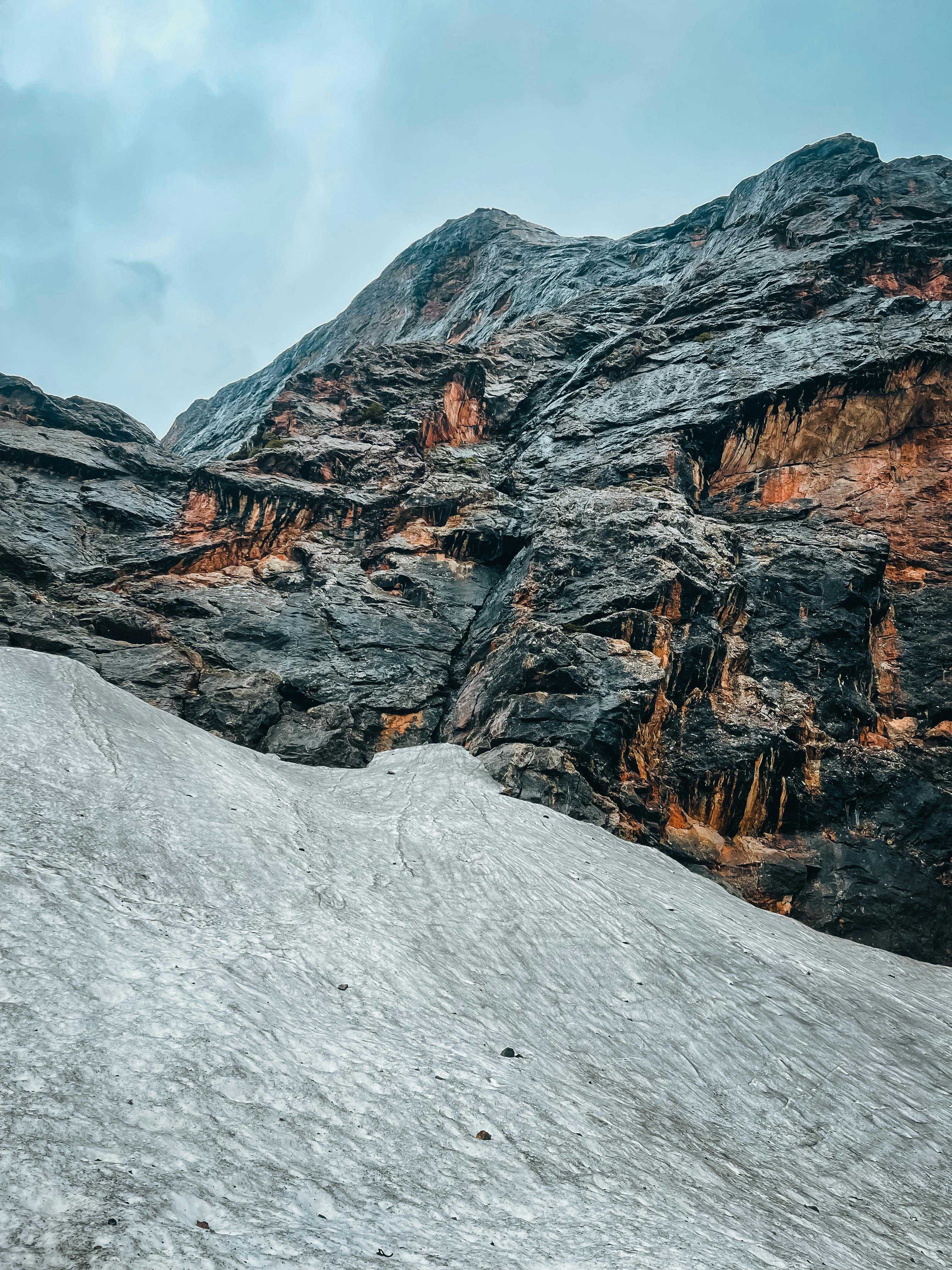
  1. Stunning natural landscapes: Tajikistan is known for its breathtaking mountain ranges, including the Pamir Mountains and the famous Wakhan Corridor. Travelers can enjoy hiking, trekking, and mountaineering in these pristine natural settings.

  2. Rich cultural heritage: Tajikistan has a rich history and cultural heritage, with influences from Persian, Islamic, and Soviet traditions. Travelers can explore ancient cities, monuments, and traditional crafts, as well as interact with the friendly local population.

  3. Adventure opportunities: Tajikistan is a paradise for adventure enthusiasts, offering activities such as whitewater rafting, skiing, paragliding, and camel trekking. The country's rugged terrain and diverse climates provide ample opportunities for outdoor adventures.

  4. Authentic travel experiences: Tajikistan is still relatively undiscovered by mass tourism, allowing travelers to experience authentic and off-the-beaten-path destinations. This provides a unique opportunity to immerse oneself in the local culture and way of life.

  5. Affordable travel destination: Compared to other popular tourist destinations, Tajikistan is relatively affordable, making it an attractive option for budget-conscious travelers. Accommodation, transportation, and food are generally affordable, allowing travelers to get more value for their money.

Overall, traveling to Tajikistan offers a unique and enriching experience for those seeking adventure, cultural exploration, and stunning natural beauty in a less-visited destination.

What to know

Some potential cons of traveling to Tajikistan include:

  1. Limited infrastructure: Tajikistan's infrastructure, including roads, public transportation, and facilities for tourists, may be underdeveloped compared to other countries. This could make travel within the country challenging and less comfortable.

  2. Safety concerns: Certain regions of Tajikistan, especially near the borders with Afghanistan and Uzbekistan, may have security risks due to political instability, terrorism, or criminal activity. Travelers should exercise caution and stay informed about the current situation.

  3. Language barrier: The official language of Tajikistan is Tajik, which is a form of Persian. While English may be spoken in tourist areas and hotels, communication could be difficult in more remote areas where locals may not speak English.

  4. Limited healthcare facilities: Medical facilities in Tajikistan may not meet international standards, especially outside of major cities. Travelers should have comprehensive travel insurance that covers medical emergencies and consider bringing necessary medications with them.

  5. Cultural differences: Tajikistan has a conservative Muslim culture, and travelers should be respectful of local customs, traditions, and dress codes. Alcohol consumption is also restricted in some areas.

  6. Visa requirements: Travelers to Tajikistan may need to obtain a visa in advance, which can be a time-consuming process. It's important to check the latest visa requirements and allow enough time for processing.

  7. Limited tourist infrastructure: Tajikistan is still an emerging tourist destination, so amenities such as hotels, restaurants, and tourist services may be limited in some areas. This could affect the overall travel experience for some visitors.

It's important to research and plan your trip carefully to mitigate these potential challenges and ensure a safe and enjoyable travel experience in Tajikistan.

Tajikistan, officially the Republic of Tajikistan, is a landlocked country in Central Asia. It shares borders with Afghanistan to the south, Uzbekistan to the west, Kyrgyzstan to the north, and China to the east. Here is a detailed history of Tajikistan:

Ancient and Medieval History

  • Early History: The territory of modern-day Tajikistan has been inhabited since the late Paleolithic era. The region was part of the ancient Persian Empire and later, the Greco-Bactrian and Kushan Empires.
  • Sogdiana and Bactria: The region was known as Sogdiana and Bactria in ancient times, famous for being a cultural and trade center on the Silk Road. Alexander the Great conquered the area in the 4th century BCE, leading to the Hellenistic influence.
  • Islamic Caliphate: In the 7th and 8th centuries, Arab invaders brought Islam to the region, which gradually replaced Zoroastrianism and other local religions.

Middle Ages

  • Samanid Empire: From the 9th to the 10th centuries, the Samanid Empire, with its capital in Bukhara, flourished as a Persianate state, fostering the development of science, culture, and art.

Mongol Invasion and Timurid Period

  • Mongol Empire: In the 13th century, the Mongols invaded Central Asia, leading to the destruction of many cities and a shift in power dynamics.
  • Timurid Renaissance: In the 14th century, Timur (Tamerlane) established the Timurid Empire, with Samarkand as a prominent cultural center, bringing prosperity and advancements in art and architecture.

Russian Empire and Soviet Era

  • Russian Conquest: By the late 19th century, the Russian Empire gradually extended its control over Central Asia, incorporating the region into the Russian Empire.
  • Soviet Union: After the Russian Revolution of 1917, Tajikistan became part of the Soviet Union. In 1929, the Tajik Soviet Socialist Republic was established as a separate entity from the Uzbek SSR.

Modern History

  • Independence: Tajikistan declared independence from the Soviet Union on September 9, 1991.
  • Civil War: The country plunged into a civil war from 1992 to 1997 between different factions, causing significant loss of life and economic hardship. The war ended with a peace agreement in 1997.
  • Post-war era: Since the end of the civil war, Tajikistan has been working on rebuilding its economy and infrastructure. Emomali Rahmon, who has been in power since 1992, has played a significant role in the country's political landscape.

Significant Historical Figures

  • Ismail Samani: Founder of the Samanid dynasty, known for promoting culture and science.
  • Emomali Rahmon: The current president who has been in power since 1992 and has overseen the country’s recovery post-civil war.

Important Landmarks

  • Ismaili Centre: Located in Dushanbe, it is a cultural, educational, and religious center for the Ismaili Shia Muslim community.
  • Fann Mountains: Known for their stunning natural beauty, popular among hikers and trekkers.
  • Hissar Fortress: A historic site near Dushanbe, dating back to the 16th century.
  • Pamir Mountains: Often referred to as the "Roof of the World," this region is known for its breathtaking landscapes and is a UNESCO World Heritage site.

Tajikistan is a country rich in history and culture, shaped by its position at the crossroads of various empires and civilizations throughout history.