
Jawa Timur
· ID

Jawa Timur

Jawa Timur, Indonesia

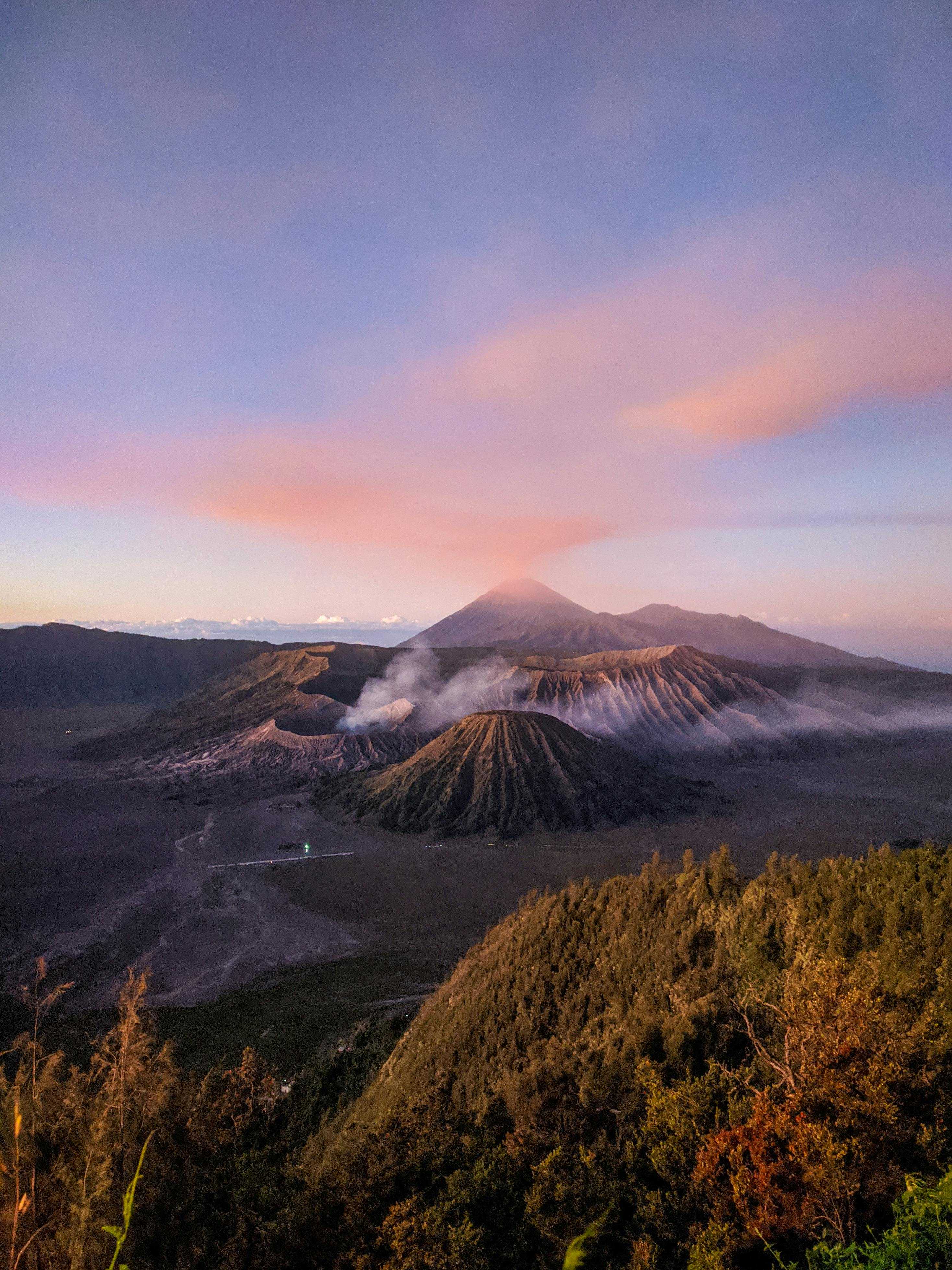
Jawa Timur, an Indonesian province on the island of Java, is home to Mount Bromo, an active volcano with magnificent sunrise views. It boasts diverse landscapes, from volcanic mountains and crater lakes to stunning beach…

#East Java#Indonesia#Island of Java#Cultural diversity#Volcanic landscapes
1/5

Top hotels & flights

Hand-picked stays and the best fares into Jawa Timur.

Top Hotels in Jawa Timur

Top Flights to Jawa Timur

Popular activities

Tours, tickets and experiences travelers book most in Jawa Timur.

Tours

Visit Mount Bromo

Experience the stunning sunrise views and unique volcanic landscape at Mount Bromo.

Explore Trowulan

Discover the ancient ruins of the Majapahit Kingdom in Trowulan.

Shopping

Shopping in Surabaya

Enjoy a shopping spree in Surabaya's vibrant malls and traditional markets.

Outdoor

Hiking in Ijen Crater

Take an adventurous night hike to the Ijen Crater to see the blue flames and stunning views.

Location videos

Real reels from travelers, plus longer watches to get the full picture.

From travelers
Watch & explore

Practical info

The essentials for planning your time in Jawa Timur.

Currency
Rp | IDR | Indonesian Rupiah
Population
Information not available.
Languages
Javanese, Javanese, Indonesian

Local guide

What travelers love, what to watch for, and a deeper read on Jawa Timur.

What people love

Jawa Timur, also known as East Java, is a diverse and culturally rich region in Indonesia with plenty to offer to travelers. Here are some of the pros of traveling to Jawa Timur:

  1. Cultural Heritage: Jawa Timur is home to various cultural sites, including ancient temples such as Candi Penataran and Candi Jago, which offer insights into the region's rich history and traditions.

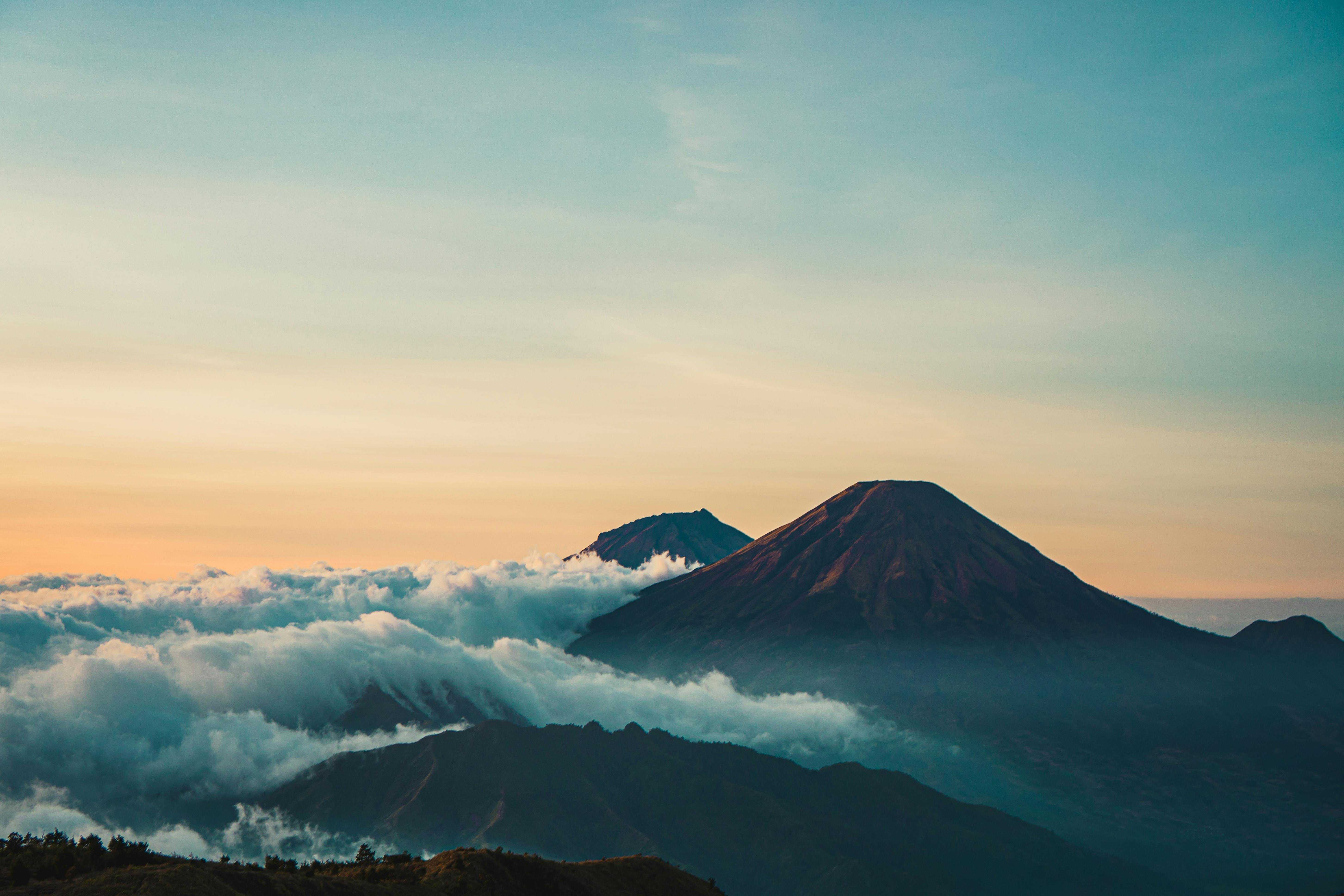
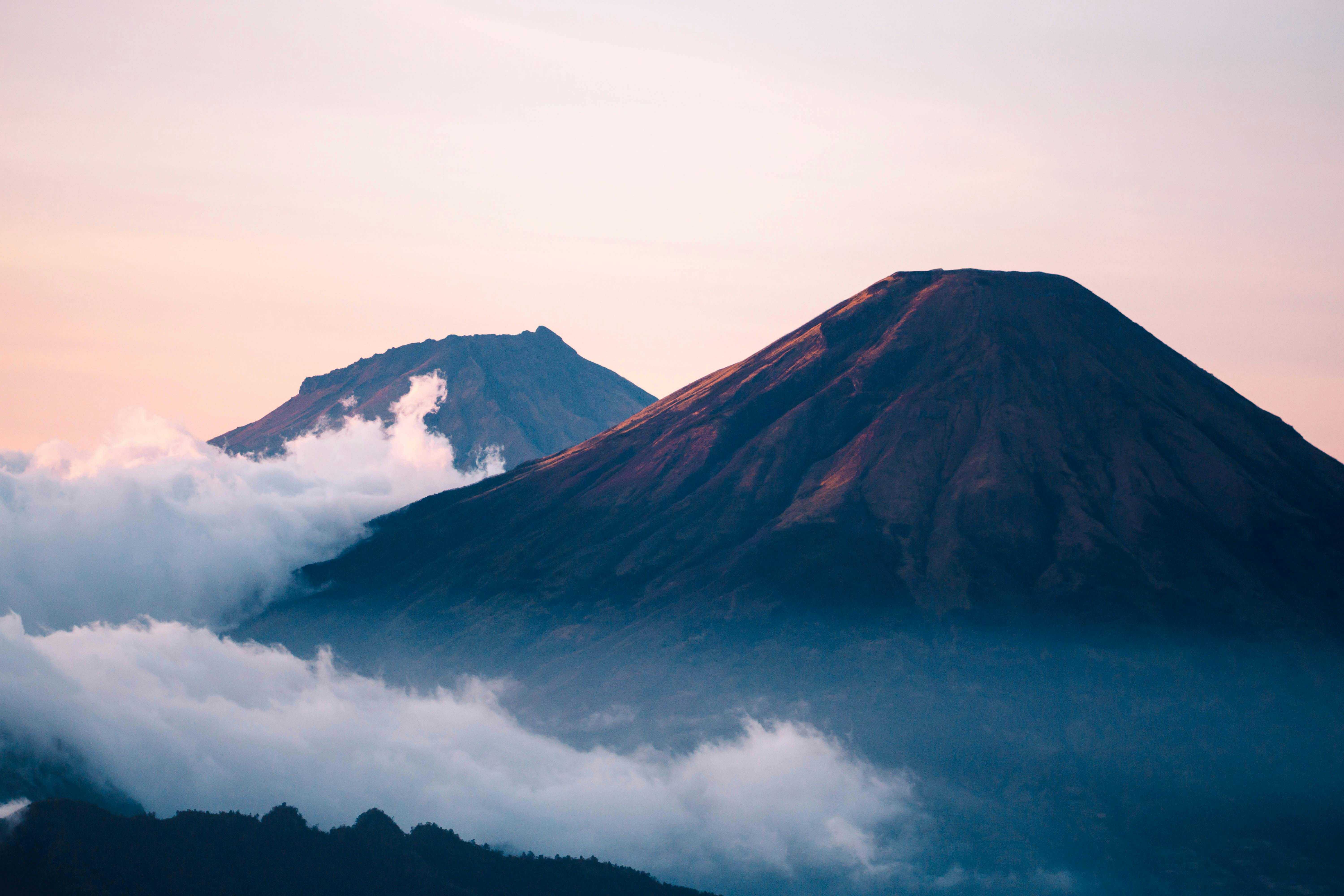
  2. Natural Beauty: The region boasts stunning natural landscapes, including majestic volcanoes such as Mount Bromo and Mount Semeru, beautiful beaches like Pantai Papuma and Pantai Goa Cina, and lush green rice terraces in areas like Pacitan and Bondowoso.

  3. Adventure Opportunities: Jawa Timur is a paradise for adventure seekers, with activities such as hiking, trekking, surfing, and diving available in various parts of the region.

  4. Culinary Delights: The local cuisine in Jawa Timur is diverse and delicious, with specialties like rawon (beef black soup), soto ayam (chicken soup), and lontong sayur (vegetable rice cake) that you must try during your visit.

  5. Friendly Locals: The people of Jawa Timur are known for their hospitality and friendliness, making visitors feel welcome and at home throughout their stay in the region.

Overall, traveling to Jawa Timur offers a unique opportunity to explore Indonesia's cultural and natural treasures while enjoying warm hospitality and unforgettable experiences.

What to know

There are some potential cons to traveling to Jawa Timur, Indonesia, which is located on the island of Java. It's important to consider these factors before planning your trip:

  1. Weather: Jawa Timur experiences a tropical climate, which means it can be hot and humid throughout the year. Monsoon season typically occurs from November to March, bringing heavy rainfall and potential flooding. This may affect your travel plans and outdoor activities.

  2. Traffic congestion: Like many urban areas in Indonesia, Jawa Timur can have heavy traffic congestion, especially in major cities like Surabaya. This can make getting around more challenging and time-consuming, impacting your itinerary and travel experience.

  3. Language barrier: While Bahasa Indonesia is the official language, not everyone in Jawa Timur may speak English fluently. This could pose communication challenges, particularly in more remote areas or when seeking assistance from locals.

  4. Health and safety concerns: As with any travel destination, it's important to be aware of potential health risks such as mosquito-borne diseases like dengue fever and malaria. It's advisable to take necessary precautions, such as using insect repellent and seeking medical advice before your trip.

  5. Cultural differences: Jawa Timur has a rich cultural heritage, but it's essential to respect local customs and traditions. Being mindful of cultural sensitivities, dressing modestly in certain areas, and observing local customs can help you have a more positive and respectful experience.

Overall, while Jawa Timur offers many attractions and unique experiences for travelers, it's important to be prepared for the potential challenges that may arise during your visit. Planning ahead, staying informed, and being respectful of the local culture can help you have a memorable and enjoyable trip.

Jawa Timur, or East Java, is a province in Indonesia located on the eastern part of the island of Java. It is known for its rich history, cultural heritage, and significant economic contributions to Indonesia. Here is a detailed history of the region:

Early History

  • Prehistoric Era: Human settlement in East Java dates back to prehistoric times, as evidenced by the discovery of fossils and artifacts in areas like Trinil and Ngandong, where the remains of Homo erectus, known as "Java Man," were found.

Hindu-Buddhist Kingdoms

  • Kingdom of Kanjuruhan: One of the earliest known kingdoms in East Java was the Kanjuruhan Kingdom, centered around present-day Malang.
  • Singhasari Kingdom (1222-1292): Founded by Ken Arok, the Singhasari Kingdom was a powerful Hindu-Buddhist kingdom that played a significant role in the history of Java. It was notable for its military campaigns and cultural achievements.
  • Majapahit Empire (1293-1527): Following the decline of Singhasari, the Majapahit Empire emerged as one of the greatest and most powerful empires in Southeast Asian history. Under the leadership of Gajah Mada, the empire expanded its influence across the archipelago.

Islamic Influence and Colonial Period

  • Islamic Sultanates: With the decline of Majapahit, Islamic sultanates like Demak began to rise in power. Islam spread throughout the region, influencing culture, society, and politics.
  • Dutch Colonial Period: East Java came under Dutch control in the 18th century as part of the Dutch East Indies. The region was an important agricultural and trading area, with the Dutch exploiting resources such as coffee, sugar, and rubber.

Struggle for Independence

  • Japanese Occupation (1942-1945): During World War II, East Java, like the rest of Indonesia, was occupied by Japan. This period was marked by hardship but also spurred nationalist movements.
  • Indonesian National Revolution (1945-1949): After World War II, the struggle for Indonesian independence began. East Java was the site of significant battles, including the Battle of Surabaya in 1945, which became a symbol of Indonesian resistance against colonial powers.

Post-Independence Era

  • Economic and Cultural Development: In the years following independence, East Java has grown into an important economic hub, with Surabaya, its capital, being the second-largest city in Indonesia. The province is known for its agricultural output, manufacturing, and trade.

Significant Historical Figures

  • Ken Arok: Founder of the Singhasari Kingdom, known for his rise from humble beginnings to kingship.
  • Gajah Mada: The prime minister of Majapahit, famous for his vow, the "Sumpah Palapa," to unify the archipelago under Majapahit rule.
  • Bung Tomo: A national hero known for his leadership during the Battle of Surabaya in the Indonesian National Revolution.

Important Landmarks

  • Mount Bromo: An active volcano and a significant cultural landmark, known for its stunning landscapes and the annual Yadnya Kasada festival.
  • Trowulan: The archaeological site of the Majapahit Empire, featuring ruins and relics from one of the most powerful empires in Southeast Asia.
  • Suramadu Bridge: The longest bridge in Indonesia, connecting the city of Surabaya and the island of Madura, symbolizing modern development.

East Java continues to be a region rich in cultural diversity, historical depth, and economic significance within Indonesia.