
Jammu and Kashmir
State · India

Jammu and Kashmir

Jammu and Kashmīr, India

Nestled in the northern reaches of the Indian subcontinent, Jammu and Kashmir is a breathtaking Union Territory renowned for its dramatic alpine…

#mountains#lakes#temples#trekking#snow

Explore Jammu and Kashmir

Top cities in Jammu and Kashmir

Pick a city to open its guide.

See it for yourself

Location videos

Reels and longer watches.

Featured for Jammu and Kashmir

Traveller clips picked out for this place.

Watch & explore

Good to know

Practical info

Weather, costs and getting around.

Jammu and Kashmīr, India Open in Google Maps
Currency
₹ | INR | Indian Rupee
Population
12,267,013 (2011)
Density
296 / km²
Local time
Languages
Kashmiri mainly · Dogri, Hindi, Ladakhi, Pahari, Urdu, Gojri
Budget / day
₹2000 - ₹12000
Also known as
Heaven on Earth, J & K, Jammu and Kashmir, Paradise on Earth

Know before you go

Local guide

A deeper read on Jammu and Kashmir.

What people love

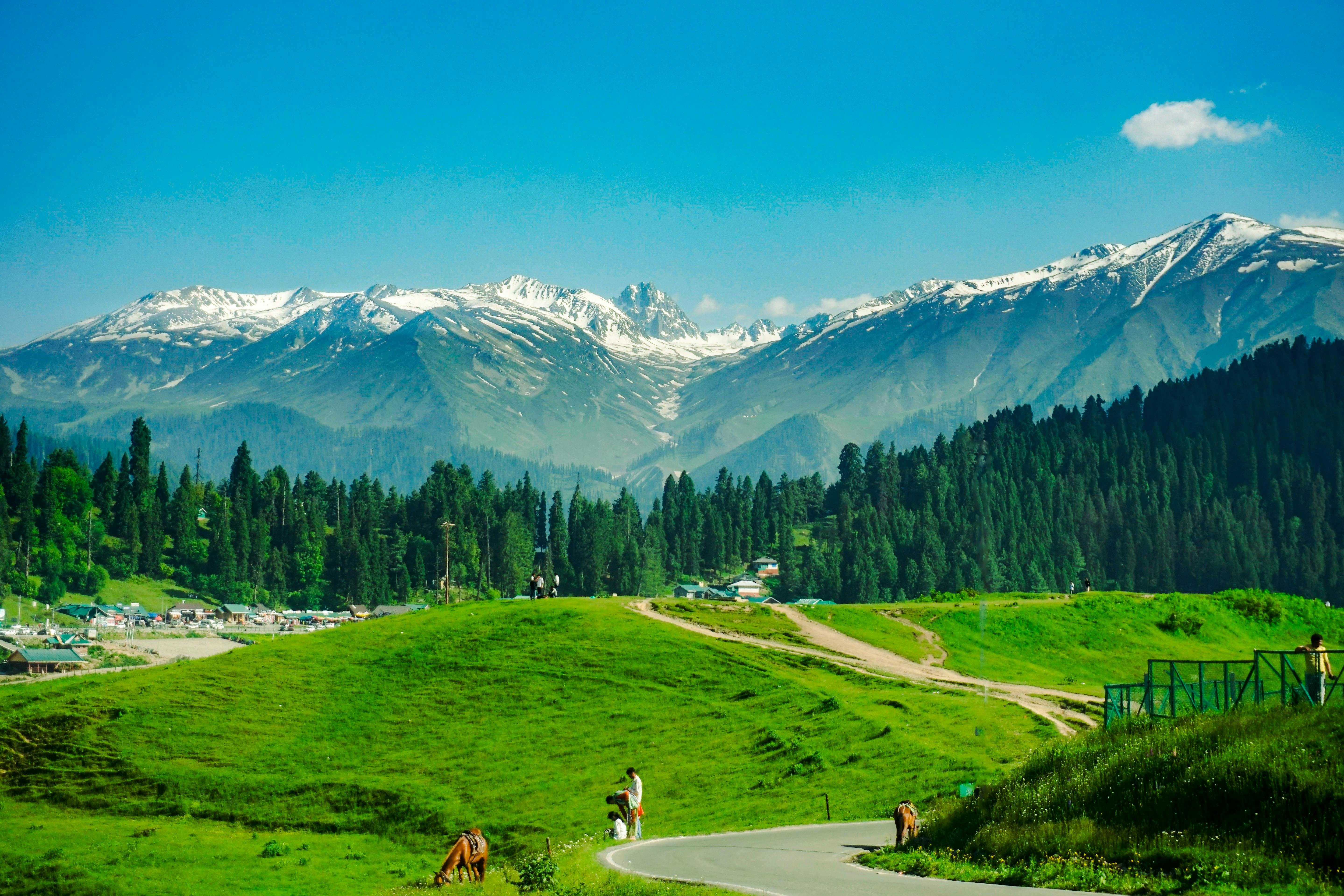
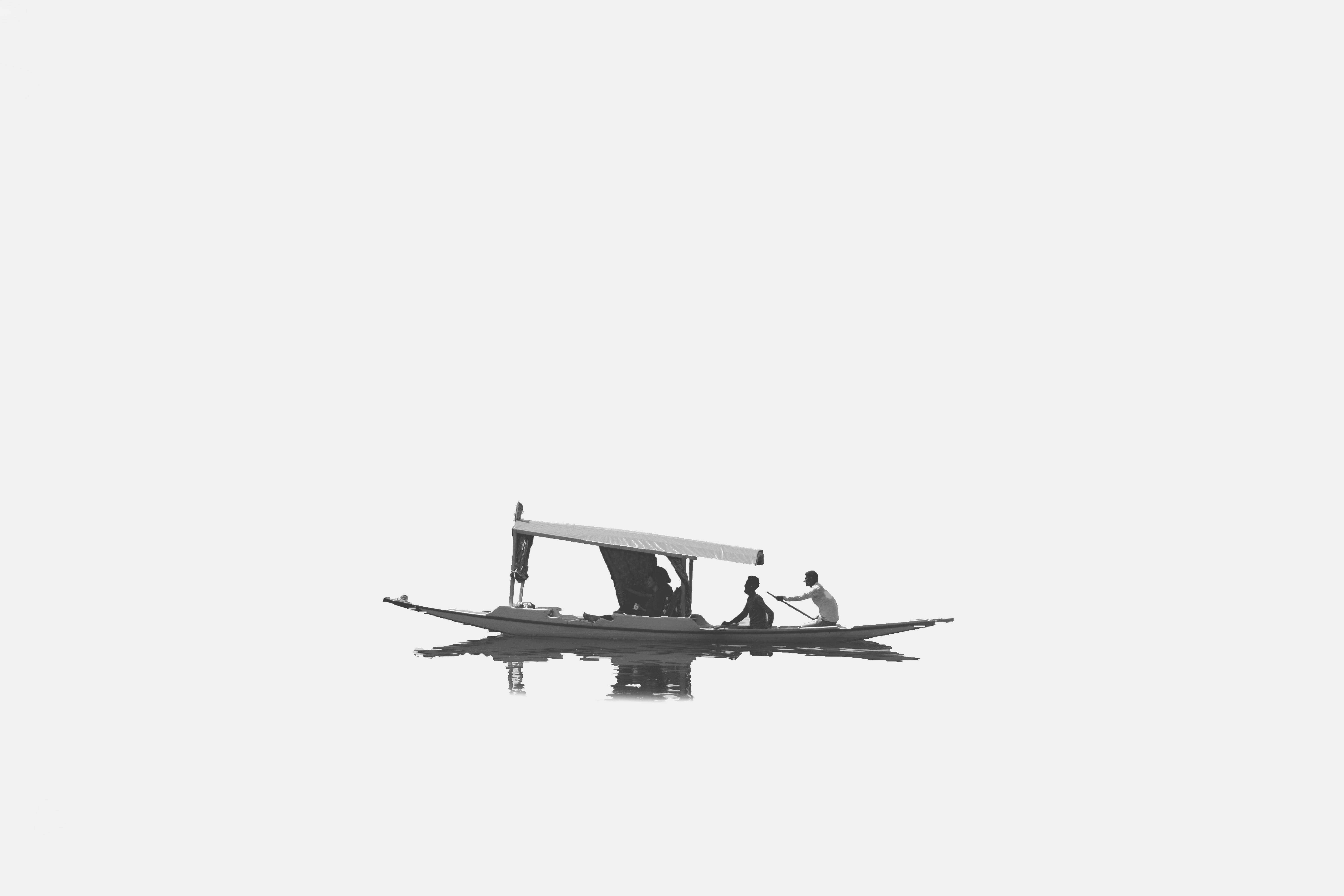
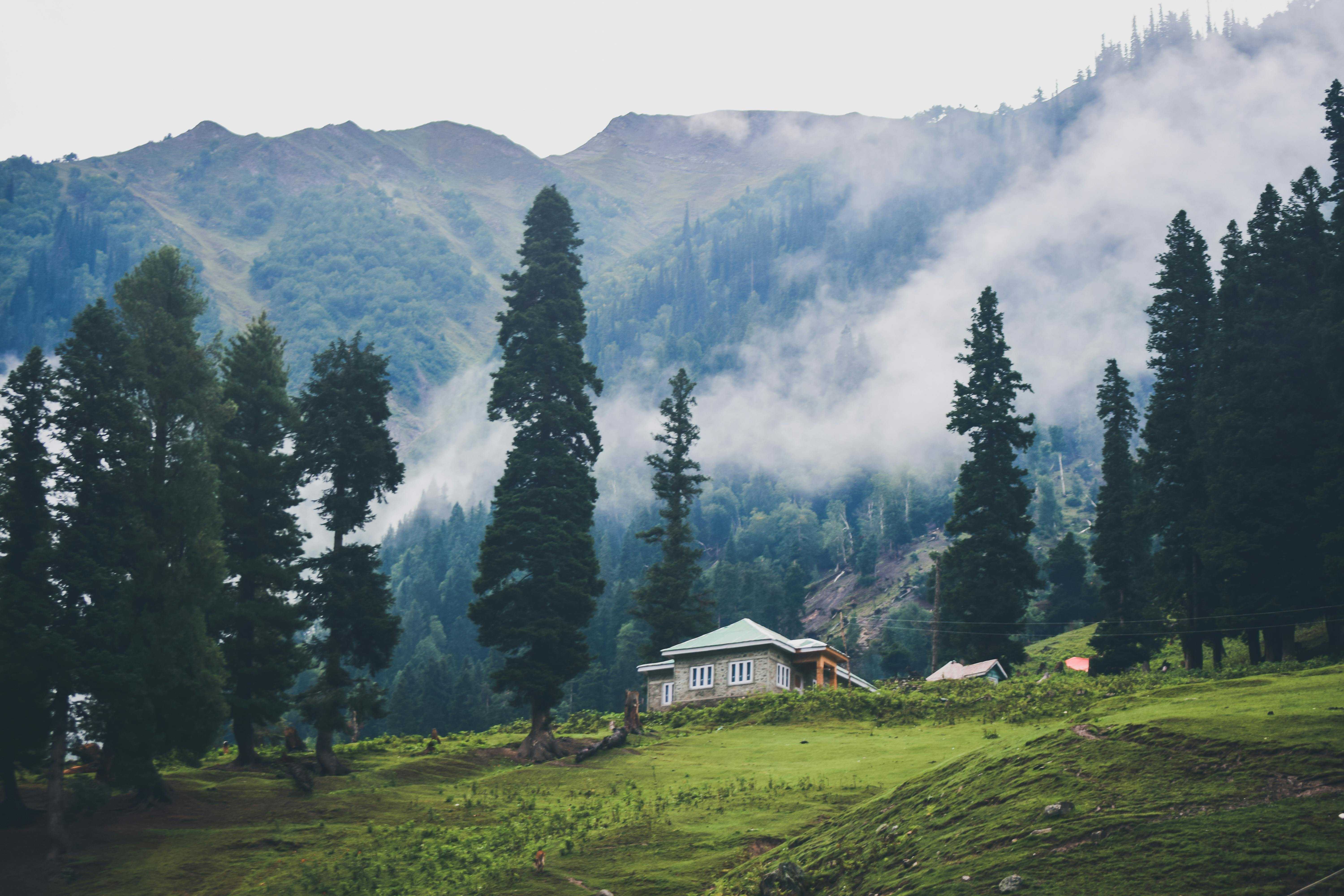
Jammu and Kashmir offers some of the most spectacular alpine scenery in Asia, featuring snow-capped Himalayan peaks, lush pine forests, and pristine lakes. It is a premier destination for adventure enthusiasts, offering world-class skiing in Gulmarg, scenic trekking in Pahalgam, and thrilling river rafting. The region boasts a rich, syncretic culture with magnificent Mughal gardens, historic temples, and unique houseboat stays on Dal Lake. Visitors are consistently charmed by the warm local hospitality and the opportunity to indulge in the rich, aromatic flavors of traditional Kashmiri Wazwan cuisine.

What to know

The primary drawback of visiting Jammu and Kashmir is the unpredictable security situation due to ongoing geopolitical tensions. Heavy military presence, occasional curfews, and sudden internet blackouts can disrupt travel plans. The region's mountainous terrain and harsh winters often lead to road closures, particularly on the Jammu-Srinagar highway, causing significant travel delays. Infrastructure in remote areas can be basic, and the lack of conventional nightlife or widespread alcohol availability may disappoint some tourists. Travelers must remain vigilant, stick to well-trodden tourist circuits, and constantly monitor local news and government advisories.

Jammu and Kashmir, a region of breathtaking landscapes and profound historical significance, boasts a complex heritage shaped by millennia of shifting empires, diverse cultures, and strategic importance. Nestled in the northern reaches of the Indian subcontinent, its history begins in antiquity. Early texts like the Rajatarangini, penned by the Kashmiri historian Kalhana in the 12th century, trace the region's origins to a legendary lake drained by the sage Kashyapa. Historically, it was a melting pot of Hinduism and Buddhism, falling under the sway of the Mauryan Empire—most notably during Ashoka's reign, which saw the founding of the original city of Srinagar—and later the Kushan Empire, which hosted the Fourth Buddhist Council here.

In the 14th century, the region experienced a significant cultural shift with the advent of Islam. Shah Mir established the first Muslim dynasty in 1339, ushering in an era of Islamic rule that peaked under Zain-ul-Abidin, a ruler celebrated for his religious tolerance and patronage of the arts. By the late 16th century, the Mughal Empire, led by Akbar, annexed Kashmir. The Mughals were captivated by its natural beauty, famously dubbing it "Paradise on Earth," and left an indelible mark by constructing magnificent terraced gardens like Shalimar Bagh and Nishat Bagh along the shores of Dal Lake.

As Mughal power waned in the 18th century, the Afghan Durrani Empire seized control, followed by the Sikh Empire under Maharaja Ranjit Singh in 1819. The modern political entity of Jammu and Kashmir began to take shape in 1846 after the First Anglo-Sikh War. Through the Treaty of Amritsar, the British East India Company sold the Kashmir Valley to Gulab Singh, the Dogra ruler of Jammu, creating the princely state of Jammu and Kashmir. The Dogra dynasty ruled until the partition of India in 1947.

During Partition, the princely state's last ruler, Maharaja Hari Singh, initially sought independence. However, following an invasion by tribal militias backed by Pakistan, he signed the Instrument of Accession to India, sparking the first Indo-Pakistani War. This conflict resulted in the division of the region between India and Pakistan, a dispute that remains unresolved and has led to subsequent wars.

For decades, the Indian-administered state of Jammu and Kashmir enjoyed special autonomous status under Article 370 of the Indian Constitution. In August 2019, the Government of India revoked this special status and reorganized the state into two distinct Union Territories: Jammu and Kashmir, and Ladakh. Today, the Union Territory of Jammu and Kashmir continues to be celebrated for its resilient people, rich tapestry of Sufi shrines, ancient temples like Vaishno Devi, and unparalleled natural splendor, even as it navigates its complex modern political reality.