
Iran
· IR

Iran

Iran

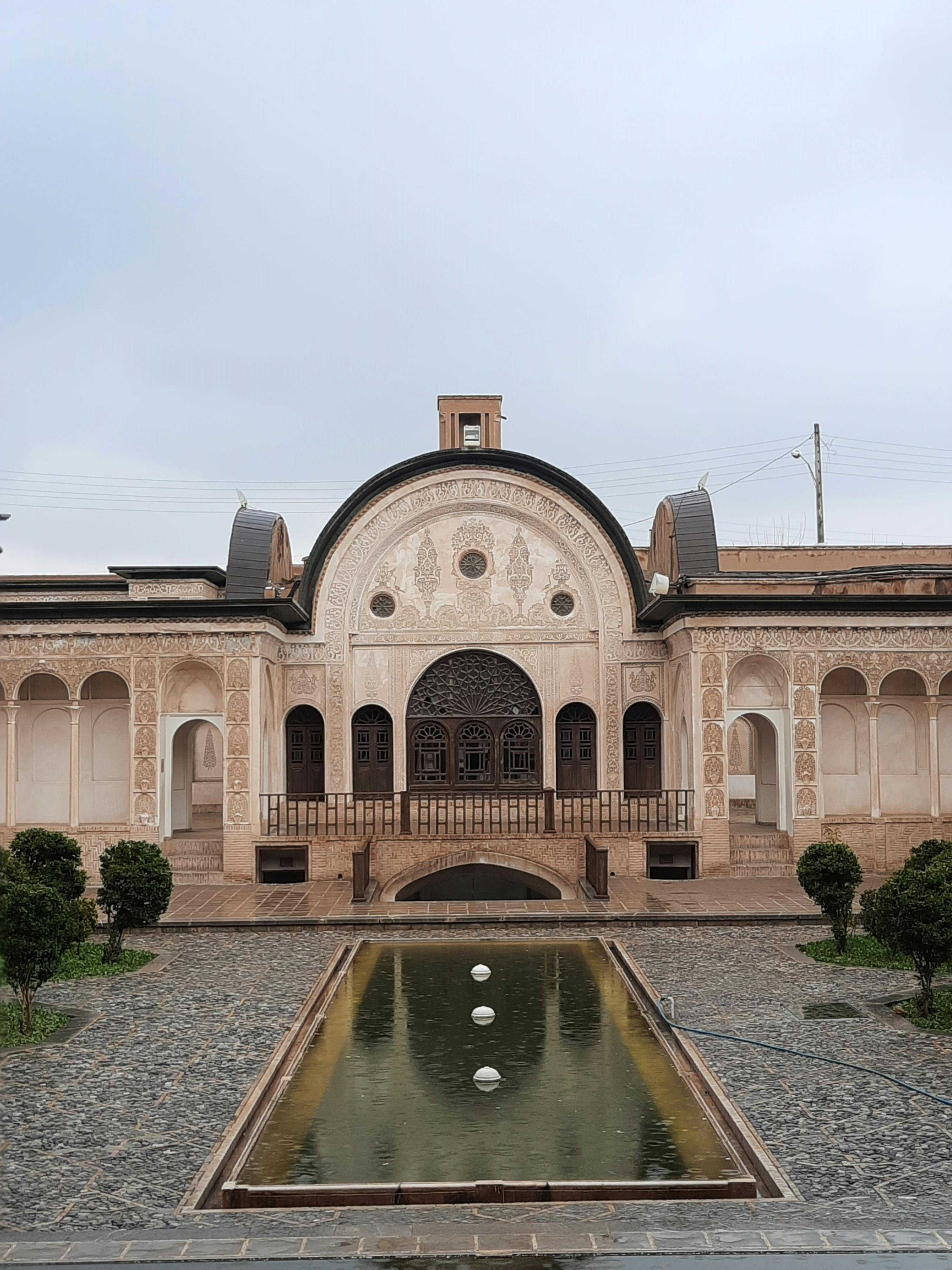
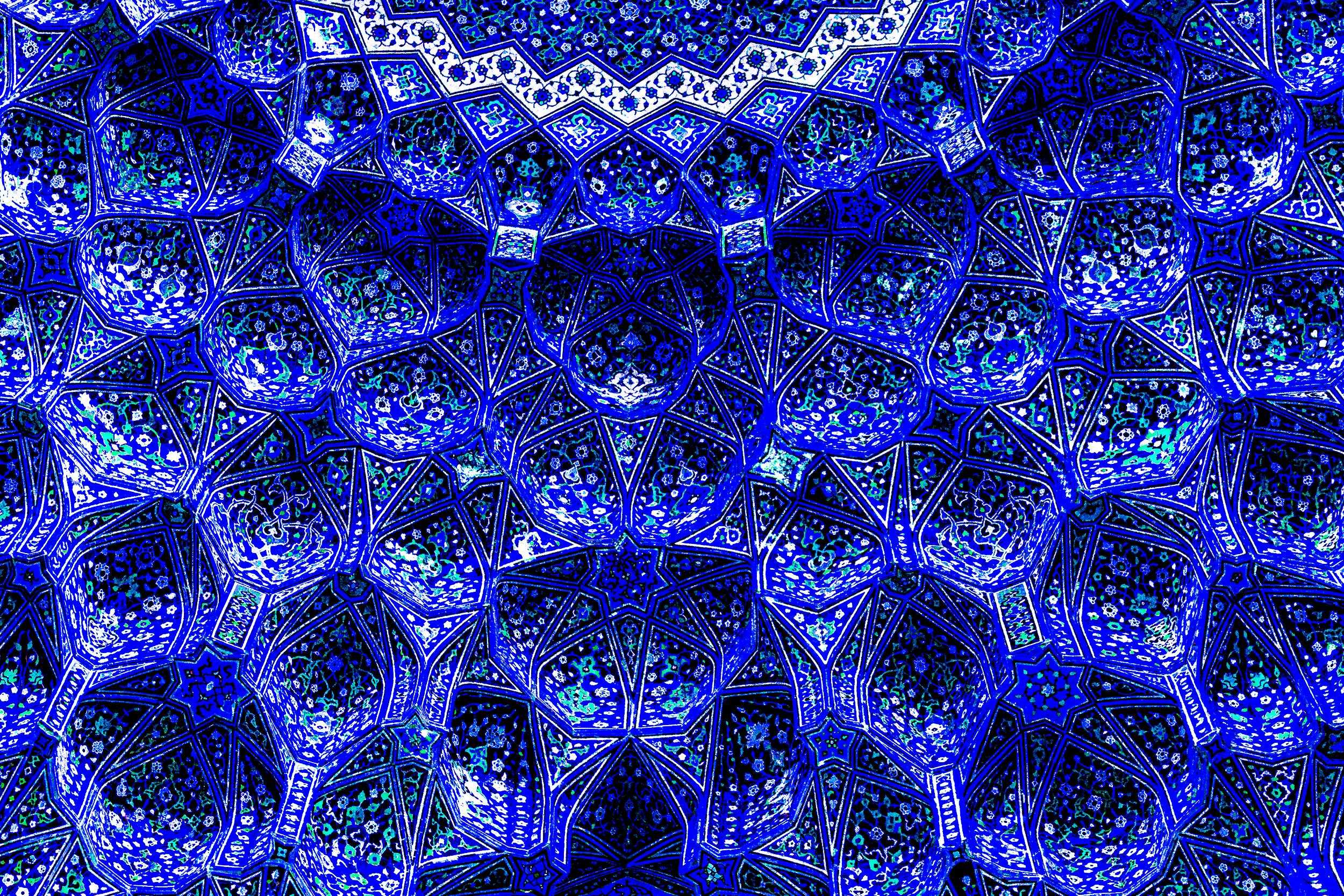
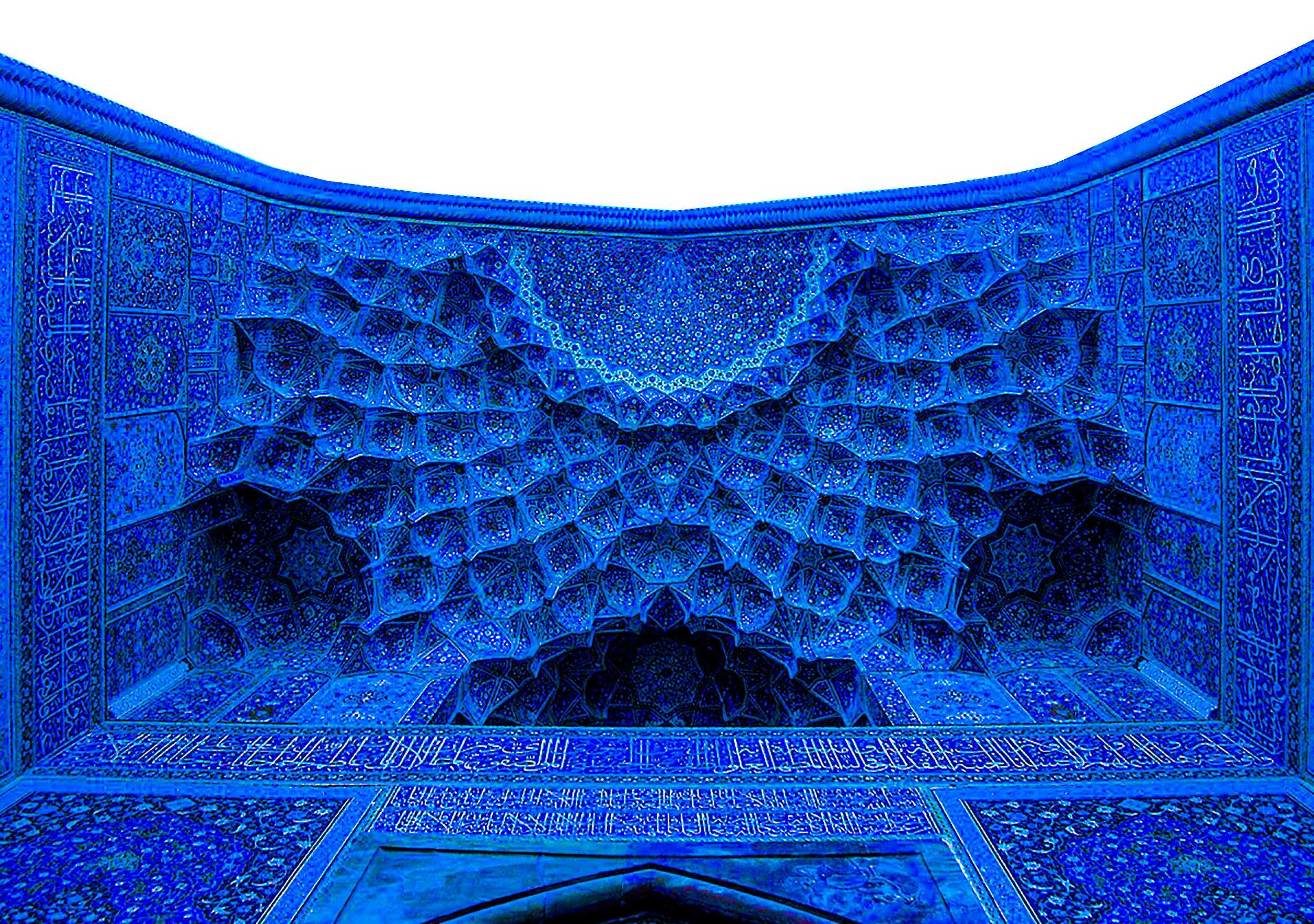
Iran, an ancient land steeped in history and culture, offers a captivating travel experience. From the bustling bazaars of Tehran to the majestic ruins of Persepolis, Iran unveils a tapestry of architectural wonders, war…

#Middle East#Persian culture#Islamic architecture#Ancient history#Tehran
1/3

Top hotels & flights

Hand-picked stays and the best fares into Iran.

Top Hotels in Tehran

Top Flights to Tehran

Popular activities

Tours, tickets and experiences travelers book most in Iran.

Tours

Persepolis Ancient Ruins Visit

Visit the magnificent Persepolis, a UNESCO World Heritage site and the ceremonial capital of the Achaemenid Empire.

Discover the Golestan Palace

Explore the stunning Golestan Palace in Tehran, known for its intricate architecture and rich history as the seat of the Qajar dynasty.

Visit the Historic City of Isfahan

Explore the historic city of Isfahan, known for its stunning architecture, vibrant bazaars, and beautiful bridges.

Shopping

Explore Tehran's Grand Bazaar

Discover the bustling atmosphere of Tehran's Grand Bazaar, a historical market with a myriad of shops offering everything from spices to carpets.

Outdoor

Climb Mount Damavand

Experience the thrill of climbing the highest peak in the Middle East, Mount Damavand, and enjoy stunning views of the Alborz mountain range.

Hike Through Alamut Valley

Journey through the Alamut Valley, famous for its breathtaking landscapes and historical significance, including the Alamut Castle ruins.

Kish Island Water Activities

Enjoy a range of water activities such as scuba diving, jet skiing, and snorkeling in the clear waters of the Persian Gulf on Kish Island.

Location videos

Real reels from travelers, plus longer watches to get the full picture.

From travelers

Practical info

The essentials for planning your time in Iran.

Currency
﷼ | IRR | Iranian Rial
Population
88 million
Languages
Persian, Persian, Azerbaijani, Kurdish
Average weather
Iran
Jan
cold
8°-2°
Feb
cold
10°0°
Mar
clear
15°4°
Apr
clear
21°9°
May
sun
27°14°
Jun
hot
33°19°
Jul
hot
37°22°
Aug
hot
36°21°
Sep
clear
31°16°
Oct
clear
24°11°
Nov
cloud
16°5°
Dec
cold
10°0°

Local guide

What travelers love, what to watch for, and a deeper read on Iran.

What people love

Traveling to Iran has several pros, including:

  1. Rich History and Culture: Iran has a long and fascinating history, with numerous historical sites, ancient ruins, and cultural attractions. Visitors can explore the UNESCO World Heritage Sites such as Persepolis, Isfahan's Imam Square, and the ancient city of Yazd.

  2. Hospitality: Iranians are known for their warm hospitality and friendliness towards visitors. Travelers often find themselves welcomed with open arms by locals, who are eager to share their culture and traditions.

  3. Diverse Landscapes: Iran boasts a diverse range of landscapes, from lush forests and green valleys to vast deserts and rugged mountains. Travelers can enjoy outdoor activities such as hiking, skiing, and desert camping.

  4. Delicious Cuisine: Iranian cuisine is known for its rich flavors and exotic ingredients. Visitors can indulge in dishes such as kebabs, stews, and rice pilafs, as well as a variety of sweets and pastries.

  5. Affordable Travel: Compared to many other destinations, traveling in Iran can be relatively affordable. Accommodation, transportation, and dining options are often budget-friendly, making it a great destination for travelers on a budget.

Overall, traveling to Iran can offer a unique and memorable experience for those seeking to explore a country with a rich history, diverse culture, and warm hospitality.

What to know

Some potential cons of traveling to Iran include:

  1. Political Tensions: Iran has had strained relations with some Western countries, which could affect travelers from those countries. Political tensions could lead to changes in visa requirements, travel advisories, and potential risks for travelers.

  2. Cultural Differences: Iran has a conservative Islamic culture, and travelers may need to adhere to certain dress codes and social norms. Public displays of affection, consuming alcohol in public, and certain behaviors may not be acceptable in Iranian society.

  3. Language Barrier: Persian (Farsi) is the official language in Iran, and while English is spoken in some tourist areas, communication could be a challenge in more remote regions.

  4. Safety Concerns: While Iran is generally considered safe for tourists, there have been isolated incidents of terrorism and political unrest in the past. Travelers should stay informed about the current situation and take necessary precautions.

  5. Restricted Internet Access: Iran has strict internet censorship, and some popular websites and social media platforms may be blocked. This could limit travelers' ability to access information and stay connected with friends and family.

  6. Health and Hygiene: Standards of hygiene and healthcare facilities may vary in different parts of Iran. Travelers should take precautions to avoid illnesses and be prepared for any medical emergencies.

It's important to note that these are general considerations, and individual experiences may vary. It's always a good idea to research thoroughly and consult with local authorities or travel experts before planning a trip to Iran.

Iran, historically known as Persia, has a rich and complex history that spans thousands of years. Here is a detailed overview of Iran's history, significant events, historical figures, and important landmarks:

Ancient Persia

  • Elamite Period (c. 2700–539 BCE): One of the earliest civilizations in the region, centered in the southwest of modern-day Iran.

  • Achaemenid Empire (c. 550–330 BCE): Founded by Cyrus the Great, the Achaemenid Empire was one of the largest empires in history, extending from the Balkans and Eastern Europe to the Indus Valley. Key figures include Cyrus the Great and Darius I. The capital was Persepolis, a significant archaeological landmark.

  • Greco-Persian Wars (499–449 BCE): Series of conflicts between the Greek city-states and the Persian Empire.

  • Alexander the Great and the Seleucid Empire (c. 330–150 BCE): Conquered the Achaemenid Empire and introduced Hellenistic culture. The Seleucid Empire followed after Alexander's death.

Parthian and Sassanian Empires

  • Parthian Empire (c. 247 BCE–224 CE): Known for its heavy cavalry and conflicts with the Roman Empire.

  • Sassanian Empire (224–651 CE): The last pre-Islamic Persian empire, noted for its achievements in art, science, and architecture. Key figures include Ardashir I and Khosrow I. The Sassanian capital, Ctesiphon, was one of the great cities of the ancient world.

Islamic Conquest and Caliphates

  • Islamic Conquest (651 CE): The Sassanian Empire fell to the Rashidun Caliphate, initiating the Islamic period in Iran.

  • Umayyad and Abbasid Caliphates (661–1258 CE): Iran was under the control of these caliphates, but it retained significant Persian cultural influences.

Medieval and Early Modern Iran

  • Safavid Dynasty (1501–1736): Established Shi'a Islam as the state religion and contributed to the cultural renaissance. Significant figures include Shah Abbas I. Isfahan became a major cultural and architectural center, with landmarks like the Shah Mosque.

  • Afsharid, Zand, and Qajar Dynasties (1736–1925): Periods of political instability, with notable figures like Nader Shah and Karim Khan Zand. The Qajar era saw increasing foreign influence and modernization efforts.

20th Century and Modern Iran

  • Pahlavi Dynasty (1925–1979): Reza Shah and his son, Mohammad Reza Shah, sought to modernize Iran but faced political challenges. The White Revolution was a series of reforms aimed at modernizing the economy and society.

  • Iranian Revolution (1979): Led to the overthrow of the Pahlavi dynasty and the establishment of the Islamic Republic under Ayatollah Khomeini.

  • Iran-Iraq War (1980–1988): A devastating conflict initiated by Iraq's invasion of Iran, resulting in significant loss of life and economic damage.

Recent History

  • Post-War Era and Reform Movements: Iran has experienced periods of reform and conservative resurgence. The election of reformist president Mohammad Khatami in 1997 marked a period of liberalization.

  • Nuclear Program and International Relations: Iran's nuclear program has been a point of international tension, leading to negotiations and sanctions.

Important Landmarks

  • Persepolis: The ceremonial capital of the Achaemenid Empire, a UNESCO World Heritage site.

  • Naqsh-e Rustam: An ancient necropolis with rock-cut tombs of Achaemenid kings.

  • Golestan Palace: A historic royal complex in Tehran from the Qajar era.

  • Azadi Tower: A symbol of Tehran, built in 1971 to commemorate the 2,500th anniversary of the Persian Empire.

  • Imam Square in Isfahan: One of the largest city squares in the world, featuring stunning Safavid architecture.

Iran's history is characterized by its cultural achievements, diverse empires, and significant influence on regional and global affairs.