Hovedstaden
· DK

Hovedstaden

Hovedstaden, Denmark

Discover Hovedstaden: Where Fairytale Charm Meets Modern Cool Hovedstaden, literally meaning "The Capital" in Danish, is more than just a name; it's an experience. This vibrant region of Denmark, encompassing the capital…

#Capital Region#Denmark#Urban#Cultural hub#Historic landmarks
1/7

Top hotels & flights

Hand-picked stays and the best fares into Hovedstaden.

Top Hotels in Hovedstaden

Top Flights to Hovedstaden

Popular activities

Tours, tickets and experiences travelers book most in Hovedstaden.

Tours

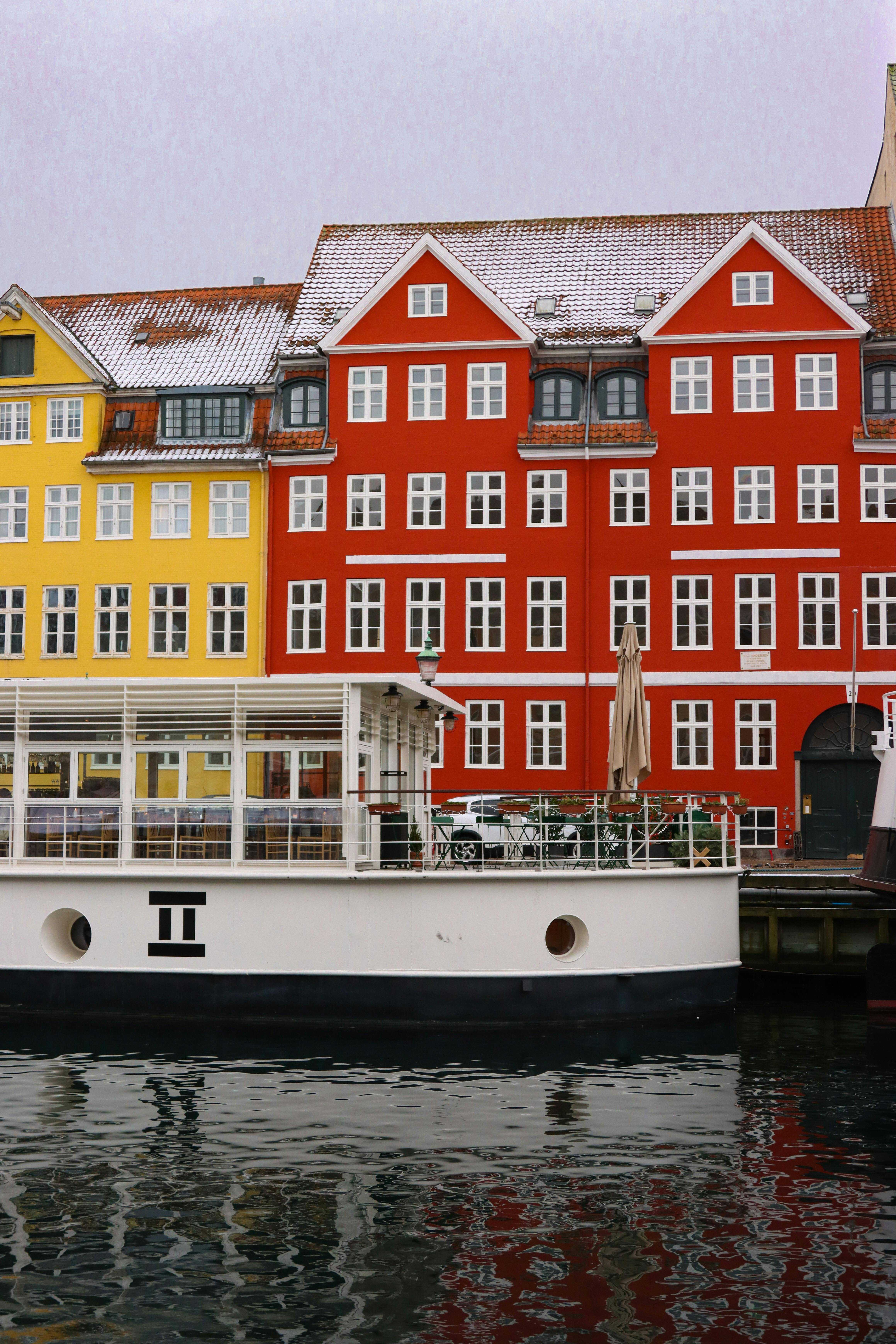
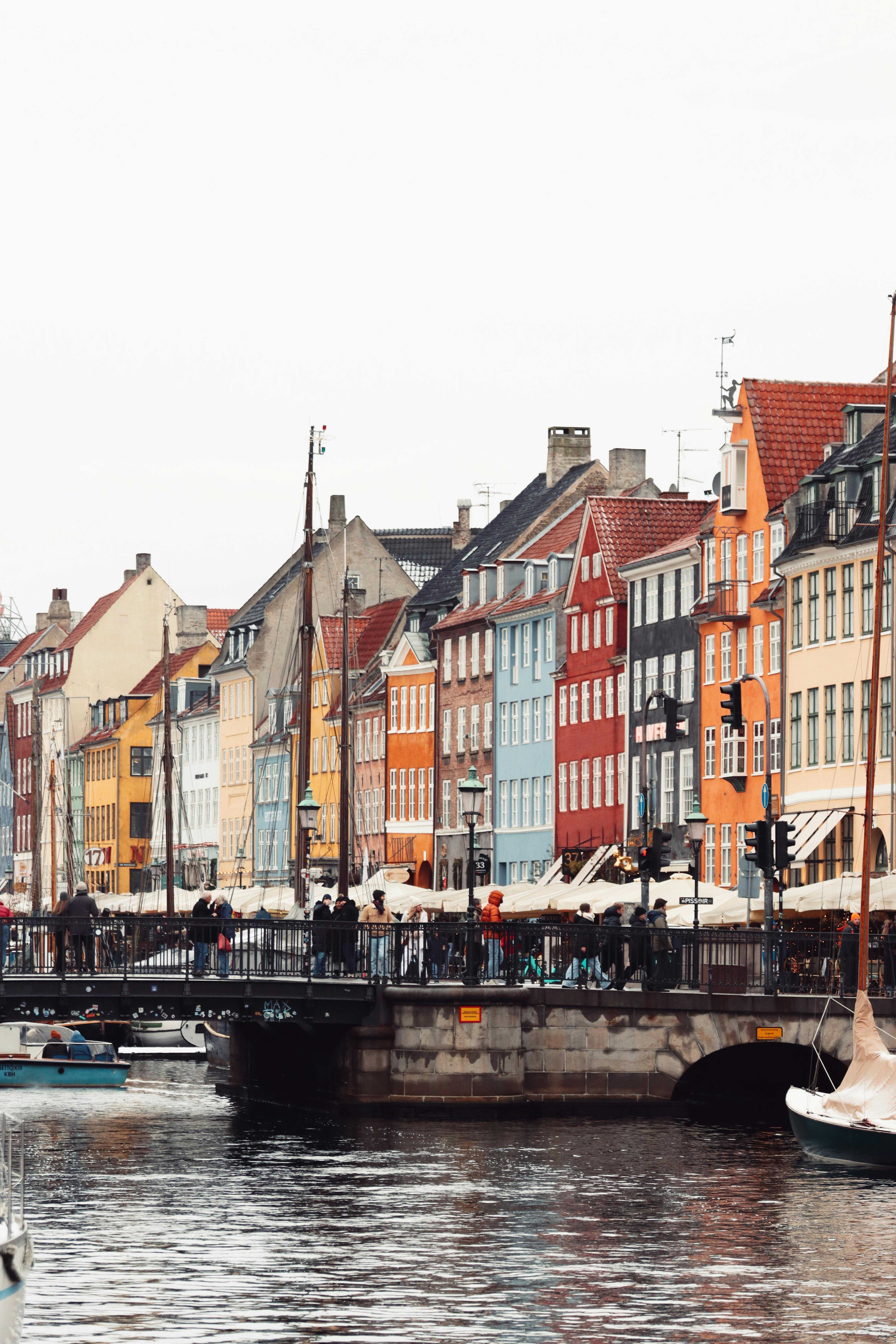
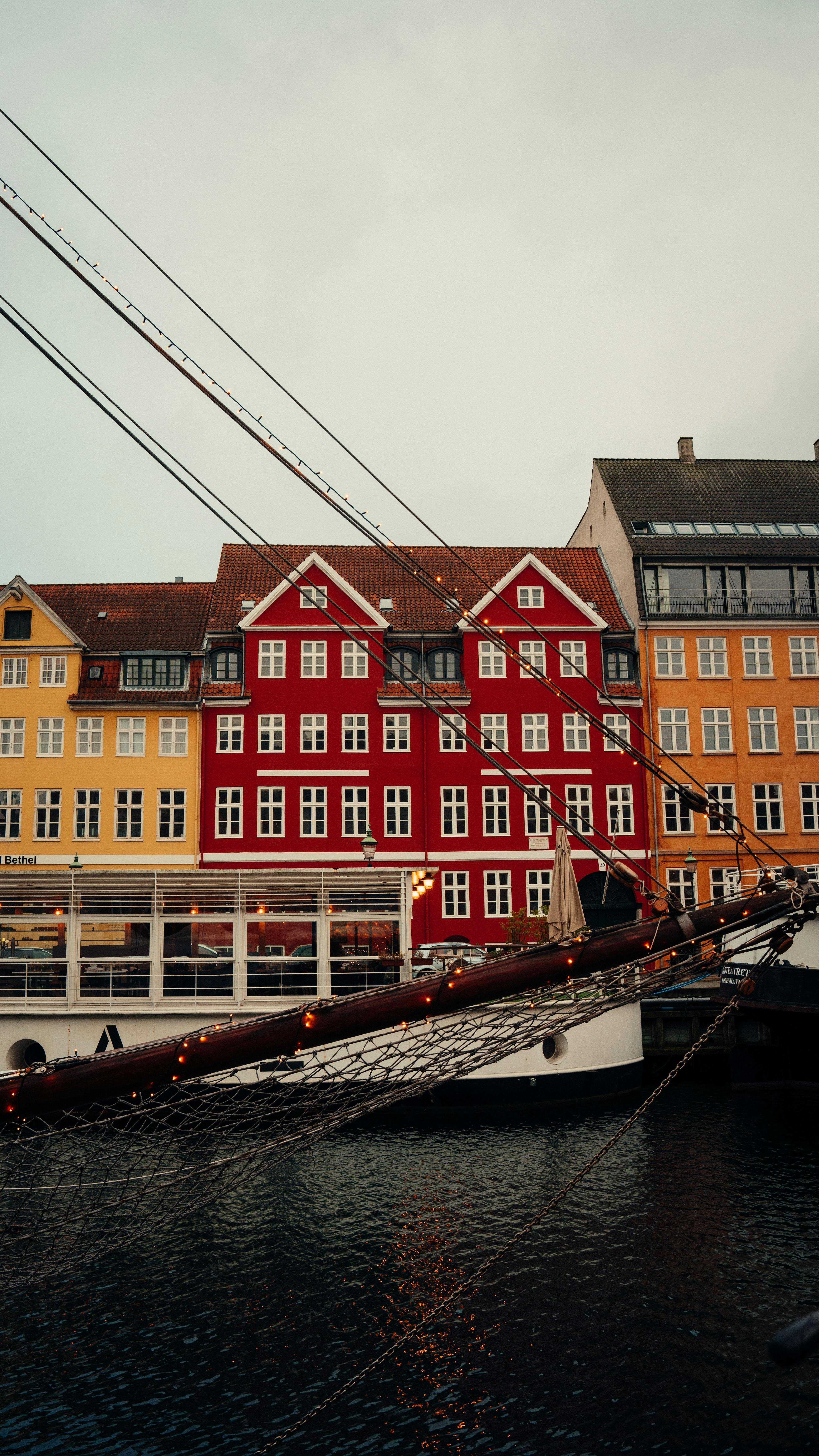
Explore Copenhagen's Nyhavn Waterfront

Stroll along Nyhavn, a 17th-century waterfront, canal, and entertainment district lined with brightly colored townhouses, bars, cafes, and restaurants.

Visit The Little Mermaid

See the iconic statue of The Little Mermaid, a Copenhagen landmark inspired by Hans Christian Andersen's fairy tale.

Shopping

Shopping at Strøget Street

Enjoy a shopping spree along Strøget, one of Europe's longest pedestrian streets, filled with shops ranging from budget-friendly brands to high-end boutiques.

Outdoor

Experience Tivoli Gardens

Visit one of the world's oldest amusement parks, offering rides, concerts, and beautiful gardens right in the heart of Copenhagen.

Location videos

Real reels from travelers, plus longer watches to get the full picture.

From travelers
Watch & explore

Practical info

The essentials for planning your time in Hovedstaden.

Currency
kr | DKK | Danish Krone
Population
1.8 million
Languages
Danish, Danish

Local guide

What travelers love, what to watch for, and a deeper read on Hovedstaden.

What people love

Hovedstaden, also known as the Capital Region of Denmark, is a vibrant and culturally rich destination with many attractions and advantages for travelers. Here are some of the pros of traveling to Hovedstaden:

  1. Copenhagen: Hovedstaden is home to Copenhagen, the capital city of Denmark, known for its beautiful architecture, historic sites, and modern design. Visitors can explore iconic landmarks such as the Little Mermaid statue, Tivoli Gardens, Rosenborg Castle, and Nyhavn waterfront.

  2. Cultural attractions: Hovedstaden boasts a wealth of cultural attractions, including world-class museums, art galleries, and theaters. Visitors can immerse themselves in Danish history and culture at institutions like the National Museum of Denmark, the Glyptotek art museum, and the Royal Danish Opera.

  3. Culinary delights: Hovedstaden offers a diverse culinary scene, with restaurants serving traditional Danish cuisine as well as international fare. Visitors can sample local delicacies such as smørrebrød (open-faced sandwiches), Danish pastries, and fresh seafood at the city's many eateries.

  4. Green spaces: Hovedstaden is known for its beautiful parks and gardens, providing peaceful retreats from the hustle and bustle of the city. Visitors can relax in parks like Frederiksberg Have, Botanical Garden, and Fælledparken, or take a leisurely stroll along the waterfront.

  5. Day trips: Hovedstaden's central location makes it an ideal base for exploring other parts of Denmark. Travelers can easily take day trips to nearby attractions such as the Louisiana Museum of Modern Art, Kronborg Castle in Helsingør, and the historic town of Roskilde.

Overall, traveling to Hovedstaden offers a mix of cultural experiences, culinary delights, and natural beauty that is sure to enchant visitors.

What to know

Some potential cons of traveling to Hovedstaden, located in Denmark, could include:

  1. Cost of Living: Denmark is known to be an expensive country to visit, with high prices for accommodation, dining, and transportation in the capital region of Hovedstaden.

  2. Weather: The weather in Hovedstaden can be quite unpredictable, with cold, wet winters and mild, rainy summers. Travelers may need to pack accordingly for varying weather conditions.

  3. Language Barrier: While many people in Denmark speak English, there may still be instances where communication could be challenging, especially in more remote areas or with older individuals.

  4. Crowds: Hovedstaden is a popular tourist destination, especially in cities like Copenhagen, which can lead to crowded attractions and longer wait times during peak tourist seasons.

  5. Limited Opening Hours: Some shops, restaurants, and attractions in Denmark may have limited opening hours, especially on weekends and holidays, which could impact travelers' plans.

It's important to note that these are general cons and may vary based on individual preferences and experiences.

Hovedstaden, meaning "The Capital Region" in Danish, is one of the administrative regions of Denmark. It encompasses the city of Copenhagen and its surrounding areas. Here is a detailed history of this significant region:

Early History

  • Prehistoric Times: The area now known as Hovedstaden has been inhabited since prehistoric times. Archaeological finds suggest that the region was settled by Stone Age communities.

Middle Ages

  • Copenhagen's Founding: The city of Copenhagen, which is the heart of Hovedstaden, was officially founded in the early 12th century. It began as a small fishing village known as "Havn" and was given by Bishop Absalon to the Roskilde Cathedral around 1167.
  • Growth as a Trade Center: By the late Middle Ages, Copenhagen had grown into a significant trade center due to its strategic position on the Baltic Sea, leading to increased wealth and influence.

Renaissance and Early Modern Period

  • Capital Status: In 1443, Copenhagen was officially designated as the capital of Denmark, which marked a period of rapid growth and urban development.
  • Reformation: The Lutheran Reformation in the 16th century had a profound impact on the region, as Denmark officially became a Protestant nation, leading to the confiscation of church lands and wealth.

17th and 18th Centuries

  • The Renaissance Transformation: Under the reign of King Christian IV in the 17th century, Copenhagen underwent significant transformation, with the construction of notable buildings such as the Børsen (the old stock exchange) and Rosenborg Castle.
  • Wars with Sweden: The region experienced turbulence during the wars with Sweden in the 17th century, including the Siege of Copenhagen (1658-1660).
  • Great Fire of 1728: A significant event in the 18th century was the Great Fire of Copenhagen in 1728, which destroyed large parts of the city, leading to extensive rebuilding efforts.

19th Century

  • Industrialization: The 19th century saw the industrialization of Copenhagen and its surroundings, with rapid urbanization and the establishment of new industries.
  • Cultural Golden Age: This period also witnessed a cultural renaissance, with figures such as Hans Christian Andersen and Søren Kierkegaard contributing to Denmark's rich cultural heritage.

20th Century

  • World War II: During World War II, Denmark was occupied by Nazi Germany. The region played a crucial role in the Danish resistance movement, and Copenhagen was the site of several significant events, including the rescue of Danish Jews in 1943.
  • Post-war Development: Following the war, Hovedstaden saw significant development and modernization, with improvements in infrastructure and housing.

Present Day

  • Modern Hovedstaden: Today, Hovedstaden is a vibrant and culturally rich region, known for its high quality of life, progressive policies, and as a hub of design and innovation.
  • Landmarks: Some of the most important landmarks in Hovedstaden include the Tivoli Gardens, the Little Mermaid statue, Amalienborg Palace, and the modern architectural marvel of the Copenhagen Opera House.

Historical Figures

  • Bishop Absalon: Often credited as the founder of Copenhagen.
  • King Christian IV: Known for his extensive building projects and influence on Copenhagen's development.
  • Hans Christian Andersen: The famous fairy tale writer who spent much of his life in Copenhagen.
  • Søren Kierkegaard: Regarded as the father of existentialism and a key figure in Copenhagen's intellectual history.

Hovedstaden's history is a testament to its resilience, cultural richness, and continuous evolution as a capital region.