
Himāchal Pradesh
· IN

Himāchal Pradesh

Himāchal Pradesh, India

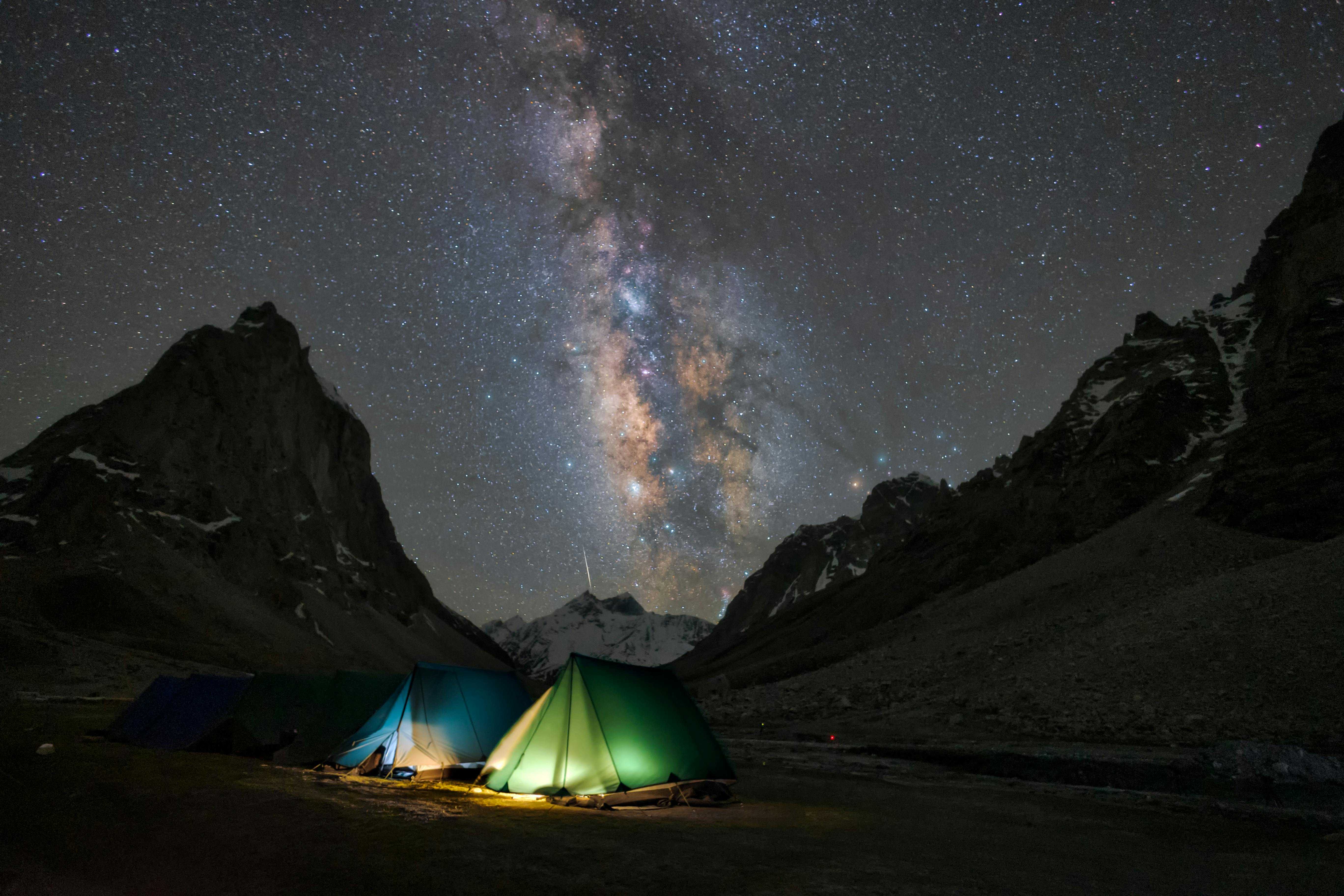
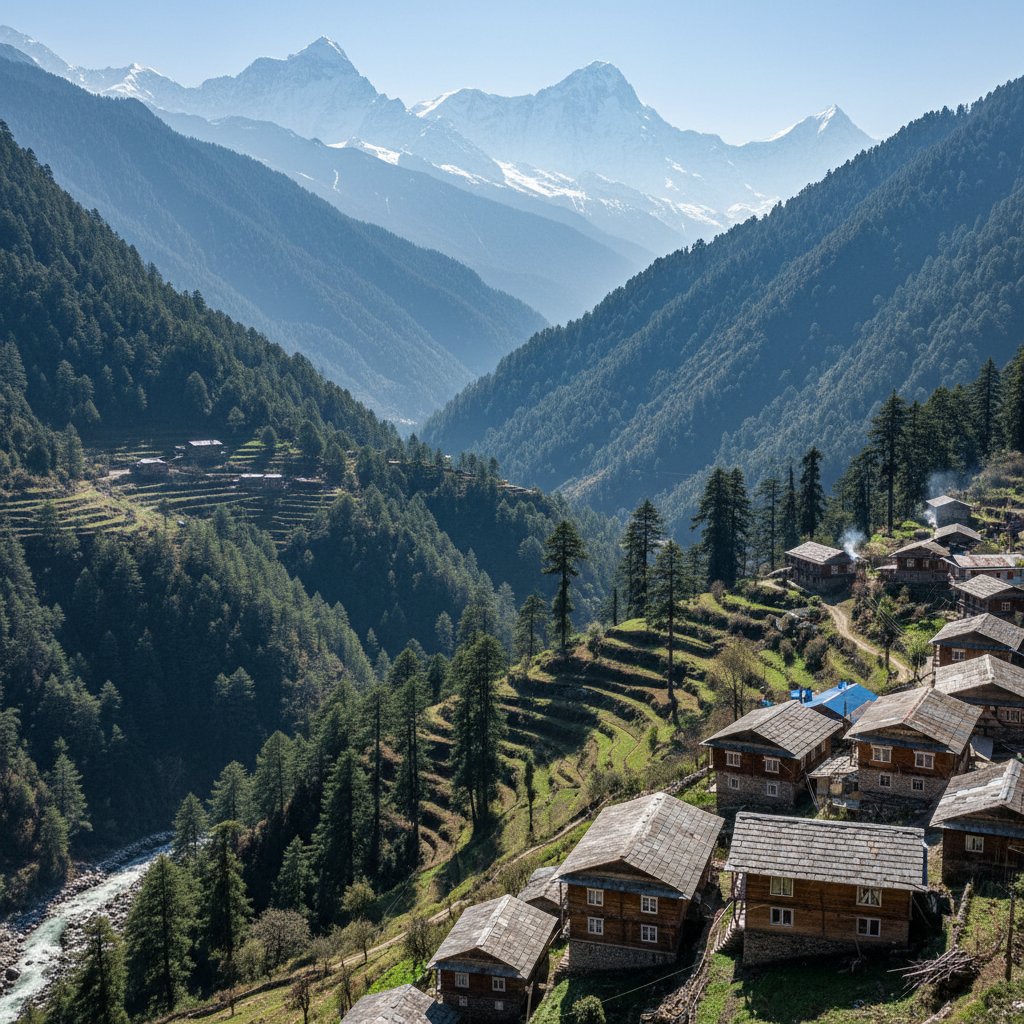
Escape to the Himalayas: Discover the Magic of Himachal Pradesh Nestled amidst the majestic Himalayas, Himachal Pradesh beckons with a captivating blend of natural beauty, adventure, and spiritual serenity. A land of sno…

#mountains#Himalayas#hill stations#nature#trekking
1/2

Top hotels & flights

Hand-picked stays and the best fares into Himāchal Pradesh.

Top Hotels in Himāchal Pradesh

Top Flights to Himāchal Pradesh

Popular activities

Tours, tickets and experiences travelers book most in Himāchal Pradesh.

Tours

Visit Manali's Hadimba Temple

Explore the ancient Hadimba Temple, surrounded by cedar forests and known for its unique architecture.

Walk through McLeod Ganj

Stroll through the charming streets of McLeod Ganj, experiencing Tibetan culture and visiting local markets.

Explore Kullu Valley

Discover the beauty of Kullu Valley, dotted with traditional villages, apple orchards, and stunning scenery.

Shopping

Explore Shimla's Mall Road

Visit the famous Mall Road in Shimla, a bustling center for shopping and dining, offering beautiful views of the surrounding hills.

Outdoor

Trekking in Triund

Enjoy a trekking experience in Triund, a beautiful ridge situated in the Dhauladhar range, offering breathtaking views of Kangra Valley.

Paragliding in Bir Billing

Experience thrilling paragliding adventures at Bir Billing, one of the best paragliding sites in the world.

Skiing at Solang Valley

Enjoy skiing and other winter sports at Solang Valley, a popular destination near Manali.

Location videos

Real reels from travelers, plus longer watches to get the full picture.

From travelers
Watch & explore

Practical info

The essentials for planning your time in Himāchal Pradesh.

Currency
₹ | INR | Indian Rupee
Population
The approximate estimated total population of Himachal Pradesh, India is '7.3 million'.
Languages
Hindi, Pahari, Hindi, Punjabi

Local guide

What travelers love, what to watch for, and a deeper read on Himāchal Pradesh.

What people love

Traveling to Himachal Pradesh, located in northern India, offers a wide range of benefits and experiences for visitors. Some of the pros of traveling to Himachal Pradesh include:

  1. Scenic Beauty: Himachal Pradesh is known for its stunning natural beauty, with snow-capped mountains, lush valleys, and picturesque landscapes. Visitors can enjoy breathtaking views of the Himalayas and explore beautiful hill stations like Shimla, Manali, and Dharamshala.

  2. Adventure Activities: Himachal Pradesh is a paradise for adventure enthusiasts, offering a wide range of activities such as trekking, camping, paragliding, river rafting, and skiing. Visitors can experience thrilling adventures amidst the stunning backdrop of the Himalayas.

  3. Rich Culture and Heritage: Himachal Pradesh is home to a vibrant culture and rich heritage, with colorful festivals, traditional music and dance performances, and ancient temples and monasteries. Visitors can immerse themselves in the local culture and learn about the region's history and traditions.

  4. Peaceful Retreats: Himachal Pradesh also offers plenty of opportunities for relaxation and rejuvenation. Visitors can unwind at tranquil hill resorts, yoga and meditation centers, and spa retreats nestled amidst the serene natural surroundings.

  5. Delicious Cuisine: Himachal Pradesh boasts a diverse and flavorful cuisine, influenced by Tibetan, Punjabi, and North Indian flavors. Visitors can savor delicious local dishes like Sidu, Madra, and Chha Gosht, as well as try traditional Himachali teas and snacks.

Overall, traveling to Himachal Pradesh provides a unique and memorable experience for visitors seeking adventure, natural beauty, cultural immersion, and relaxation.

Enjoy your trip to Himachal Pradesh!

What to know

Some potential cons of traveling to Himachal Pradesh in India include:

  1. Altitude sickness: Himachal Pradesh is a region with varying altitudes, and some visitors may experience altitude sickness due to the high elevation. It is important to acclimatize properly and stay hydrated to avoid this issue.

  2. Harsh weather conditions: The weather in Himachal Pradesh can be unpredictable, with heavy snowfall in winter and monsoon rains in the summer. Travelers should be prepared for sudden changes in weather and plan their trip accordingly.

  3. Remote locations: Some parts of Himachal Pradesh are remote and may have limited access to basic amenities such as healthcare facilities, ATMs, and reliable transportation. Travelers should be prepared for this and carry necessary supplies with them.

  4. Traffic congestion: Popular tourist destinations in Himachal Pradesh, such as Shimla and Manali, can experience heavy traffic congestion during peak tourist seasons. This can lead to delays and frustration for travelers trying to navigate the region.

  5. Environmental impact: The influx of tourists to Himachal Pradesh can put a strain on the local environment, leading to issues such as pollution, waste disposal, and damage to natural habitats. Travelers should be mindful of their impact on the environment and practice responsible tourism.

Please note that these are potential cons and may vary depending on individual experiences and preferences.

Himachal Pradesh, a state located in the northern part of India, has a rich and varied history. Here's a detailed overview:

Ancient and Medieval History

  • Ancient Period: The region that is now Himachal Pradesh was inhabited as early as the Indus Valley Civilization. There are references to tribes such as the Dasas, Dasyus, Khasas, and the Kinnauras.

  • Mauryan Empire: The region came under the influence of the Mauryan Empire during the reign of Ashoka. Archaeological evidence suggests the presence of Buddhism during this period.

  • Gupta Empire: The Gupta Empire also had its influence in this region, with the spread of Hinduism.

Rajput Era

  • Early Rajput Kingdoms: From the 6th century onwards, several small kingdoms emerged in the Himalayan foothills. The region saw the rise of numerous Rajput principalities, which remained largely independent due to the difficult terrain.

  • Medieval Kingdoms: Prominent kingdoms included those of Chamba, Kangra, and Mandi. The rulers of these kingdoms were known for their patronage of Hindu temples and art.

Mughal Influence

  • Mughal Period: During the Mughal period, Himachal Pradesh's hill kingdoms were nominally under Mughal suzerainty, though they retained a large degree of autonomy. The Mughals had limited influence due to the region's geography.

British Colonial Period

  • Annexation by the British: After the decline of the Mughal Empire and during the Anglo-Gorkha War, parts of Himachal came under British control. The British annexed the region after defeating the Gorkhas in the early 19th century.

  • Simla: The British developed Simla (now Shimla) as their summer capital in the 19th century, which became the center of British administration during the summer months.

Post-Independence

  • Formation of Himachal Pradesh: After India gained independence in 1947, Himachal Pradesh was formed as a union territory on April 15, 1948, by merging 30 princely states.

  • Statehood: On January 25, 1971, Himachal Pradesh was granted full statehood, becoming the 18th state of India.

Significant Historical Figures

  • Raja Sahil Varman: A significant ruler of the Chamba kingdom known for his contributions to art and architecture.

  • Raja Sansar Chand: A notable ruler of the Kangra kingdom, known for his patronage of the arts.

Important Landmarks

  • Kangra Fort: One of the oldest forts in India, the Kangra Fort holds historical significance and has witnessed many battles.

  • Bhuri Singh Museum: Located in Chamba, it houses a rich collection of artifacts and paintings reflecting the history of the region.

  • Hadimba Temple: An ancient cave temple dedicated to Hadimba Devi in Manali, representing the architectural style of the region.

  • Shimla: Known for its colonial architecture, including the Viceregal Lodge and Christ Church.

Himachal Pradesh today is known for its scenic beauty, rich culture, and as a thriving tourist destination, while still reflecting its historical legacy.