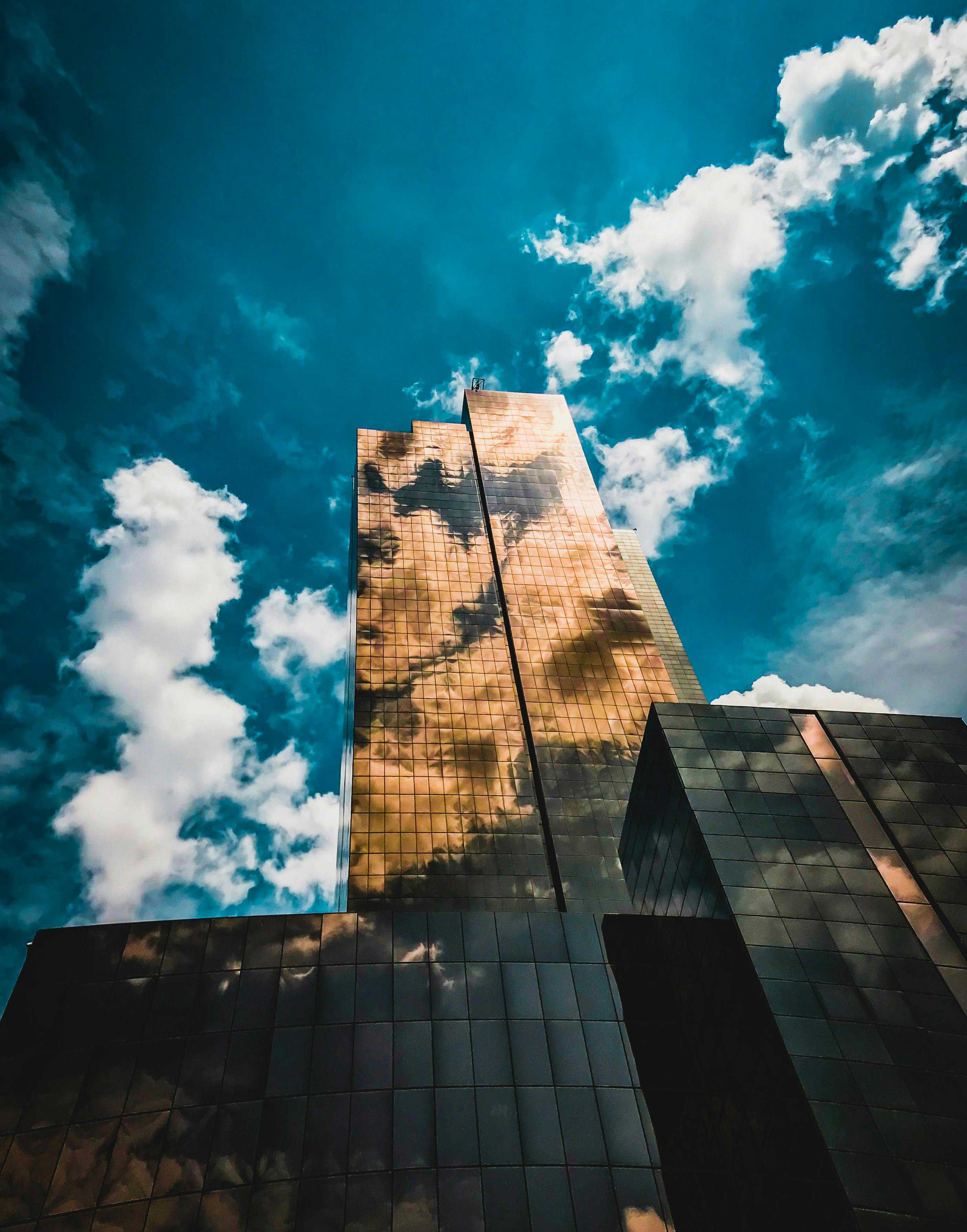

Gauteng
· ZA

Gauteng

Gauteng, South Africa

Gauteng, the smallest province in South Africa, is a vibrant hub with a rich history and diverse culture. Home to Johannesburg, the "City of Gold," Gauteng offers a blend of urban excitement and natural beauty. Explore …

#urban#business hub#diverse population#cultural attractions#economic center
1/1

Top hotels & flights

Hand-picked stays and the best fares into Gauteng.

Top Hotels in Gauteng

Top Flights to Gauteng

Popular activities

Tours, tickets and experiences travelers book most in Gauteng.

Tours

Explore Johannesburg City

Discover the vibrant culture and history of Johannesburg, South Africa's largest city.

Pretoria Cultural Visit

Explore the rich heritage and historical landmarks of Pretoria, the administrative capital of South Africa.

Shopping

Sandton City Shopping Excursion

Visit one of the largest shopping centers in Africa, offering a wide range of shops and dining options.

Outdoor

Lion and Safari Park Adventure

Experience a guided tour of a wildlife park featuring lions, cheetahs, and other animals.

Magaliesberg Canopy Tour

An exhilarating eco-adventure by zip-lining through the Magaliesberg mountains.

Location videos

Real reels from travelers, plus longer watches to get the full picture.

From travelers
Watch & explore

Practical info

The essentials for planning your time in Gauteng.

Currency
R | ZAR | South African Rand
Population
16.1 million
Languages
English, Afrikaans, Zulu, Southern Sotho, Northern Sotho, Tswana, Xitsonga, Swati, Venda, Ndebele, English

Local guide

What travelers love, what to watch for, and a deeper read on Gauteng.

What people love

Gauteng, located in South Africa, is a popular travel destination known for its vibrant cities, cultural diversity, and numerous attractions. Here are some of the pros of traveling to Gauteng:

  1. Johannesburg: As the largest city in South Africa, Johannesburg offers a bustling urban experience with a mix of modern skyscrapers, historic sites, and cultural attractions. Visitors can explore the Apartheid Museum, visit the vibrant neighborhoods of Maboneng and Melville, or go shopping at the trendy malls and markets.

  2. Pretoria: The administrative capital of South Africa, Pretoria is known for its beautiful jacaranda-lined streets, historic buildings, and museums. Visitors can explore the Union Buildings, Voortrekker Monument, and the National Zoological Gardens, among other attractions.

  3. Soweto: This famous township near Johannesburg offers a glimpse into South Africa's history and culture. Visitors can take guided tours to learn about the anti-apartheid struggle, visit the Nelson Mandela House, or enjoy traditional South African cuisine and music.

  4. Cradle of Humankind: Located just outside Johannesburg, this UNESCO World Heritage Site is home to a complex of limestone caves that have yielded some of the oldest hominid fossils ever discovered. Visitors can explore the Sterkfontein Caves, Maropeng Visitor Center, and learn about human evolution.

  5. Outdoor activities: Gauteng offers a range of outdoor activities for nature lovers and adventure seekers. From hiking in the Magaliesberg Mountains to hot air balloon rides over the countryside, there are plenty of opportunities to enjoy the great outdoors.

Overall, traveling to Gauteng offers a diverse mix of cultural, historical, and outdoor experiences that can appeal to a wide range of travelers.

What to know

Some potential cons of traveling to Gauteng, South Africa, specifically in the province of Gauteng, may include:

  1. Crime: Gauteng, particularly Johannesburg and Pretoria, have higher crime rates compared to other regions in South Africa. Travelers should be cautious and vigilant about their safety, especially in certain areas known for crime.

  2. Traffic and congestion: Gauteng is one of the most densely populated provinces in South Africa, leading to heavy traffic congestion, particularly during peak hours. This can make traveling within the province time-consuming and stressful.

  3. Air pollution: Gauteng is an industrial hub with significant air pollution levels, which can affect air quality and potentially impact travelers, especially those with respiratory issues.

  4. High cost of living: Gauteng, especially cities like Johannesburg and Pretoria, can be expensive for travelers in terms of accommodation, dining, and transportation.

  5. Limited outdoor recreational opportunities: While Gauteng offers some beautiful parks and nature reserves, the province is primarily urbanized, which may limit opportunities for outdoor activities and natural attractions compared to other regions in South Africa.

Please note that these are general considerations, and your experience may vary based on your specific travel plans and preferences.

Gauteng, South Africa's smallest province by land area but the most populous, has a rich and complex history that reflects the broader narratives of South Africa. Here is a detailed account of its history, significant events, historical figures, and important landmarks:

Early History

  • Pre-Colonial Era: Before the arrival of European settlers, the region that is now Gauteng was inhabited by various African ethnic groups, including the Sotho-Tswana people. Archaeological findings, such as those at the Cradle of Humankind, suggest that the area has been home to hominins dating back millions of years.

Colonial Period

  • Gold Discovery: The discovery of gold on the Witwatersrand in 1886 was transformative for the region. It led to the establishment of Johannesburg, which rapidly became the economic center of South Africa. This gold rush attracted a diverse population, including many European settlers, and laid the foundation for the province's economic significance.

  • Boer War (1899-1902): The Anglo-Boer War was a pivotal conflict between the British Empire and the two Boer republics, the South African Republic (Transvaal) and the Orange Free State. Key battles occurred in what is today Gauteng, and the war led to British control over the region.

20th Century Developments

  • Union of South Africa (1910): Gauteng became part of the Transvaal Province when the Union of South Africa was established. The region continued to grow as an economic hub, with Johannesburg at its center.

  • Apartheid Era (1948-1994): Gauteng, particularly Johannesburg and Pretoria, played significant roles during the apartheid era. Pretoria was the administrative capital, and Johannesburg was the site of numerous protests and movements against apartheid policies.

  • Soweto Uprising (1976): Soweto, an urban area within Johannesburg, was the epicenter of a significant uprising against apartheid. The protest began as a student demonstration against the imposition of Afrikaans as a medium of education and became a broader struggle against apartheid.

Post-Apartheid Era

  • Formation of Gauteng Province (1994): With the end of apartheid and the establishment of a democratic South Africa in 1994, Gauteng was officially formed as a province. It includes Johannesburg and Pretoria, with Johannesburg serving as the provincial capital.

Significant Figures

  • Nelson Mandela: Though not born in Gauteng, Mandela's political activities were deeply connected to Johannesburg. His Rivonia Trial took place in the province, leading to his imprisonment.

  • Walter Sisulu and Oliver Tambo: Both significant figures in the anti-apartheid struggle, they were active in Johannesburg and contributed to the liberation movement.

Important Landmarks

  • Cradle of Humankind: A UNESCO World Heritage Site, this area is one of the richest hominid fossil sites in the world.

  • Apartheid Museum: Located in Johannesburg, the museum provides an in-depth look at the history of apartheid.

  • Union Buildings: Situated in Pretoria, these buildings are the official seat of the South African government and the president's offices.

  • Constitution Hill: A former prison complex in Johannesburg, it now serves as a museum and the site of the Constitutional Court of South Africa.

  • Mandela House: Located in Soweto, this is the former home of Nelson Mandela and is now a museum.

Gauteng remains a vibrant and economically significant province in South Africa, reflecting both the challenges and successes of the nation's history.