



Top hotels & flights
Hand-picked stays and the best fares into Fukushima.
Top Hotels in Fukushima
Top Flights to Fukushima
Location videos
Real reels from travelers, plus longer watches to get the full picture.
Practical info
The essentials for planning your time in Fukushima.


Local guide
What travelers love, what to watch for, and a deeper read on Fukushima.
What people love
Fukushima, located in Fukushima Prefecture, Japan, offers several pros for travelers:
-
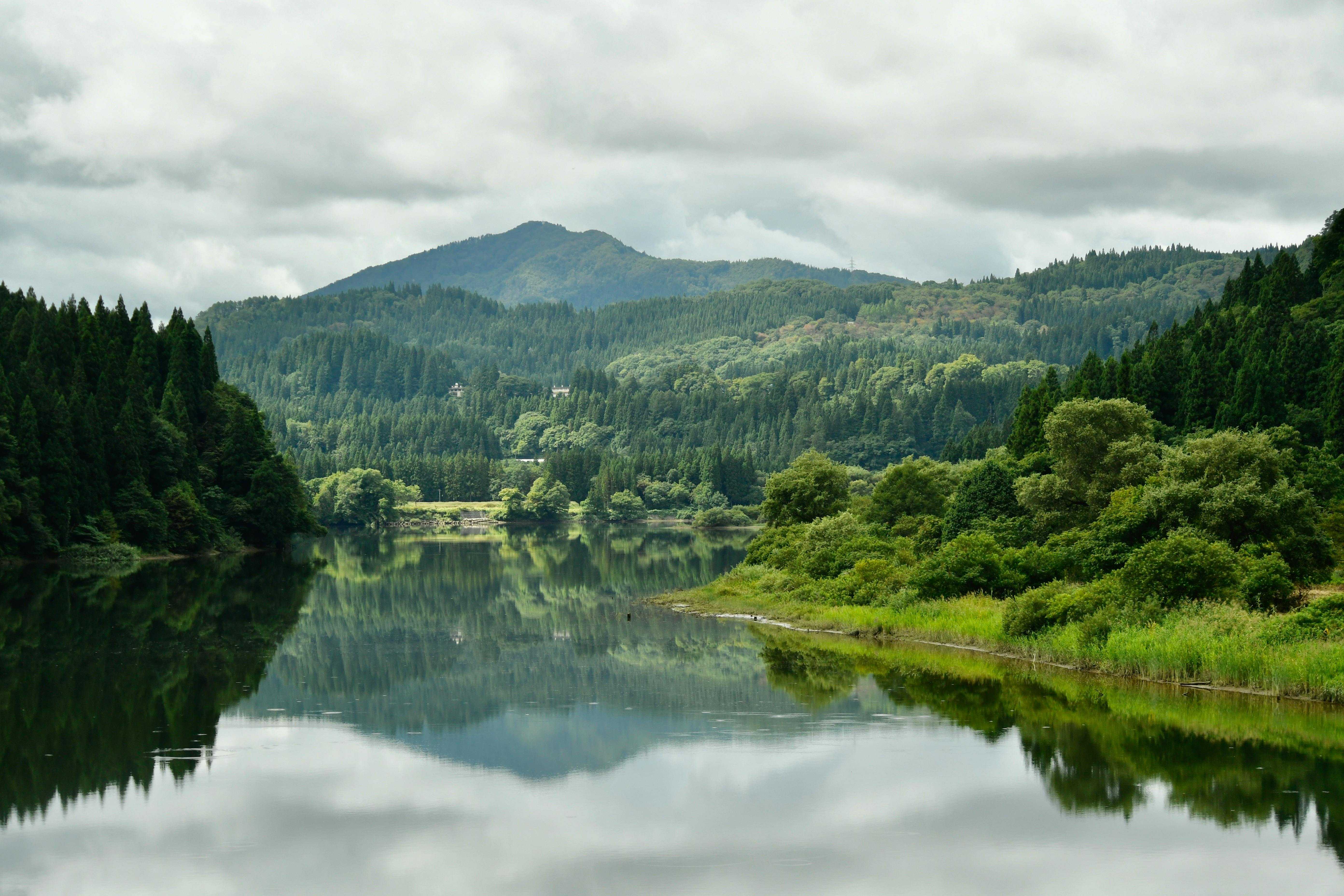
Natural Beauty: Fukushima is known for its stunning natural landscapes, including beautiful mountains, rivers, and forests. Visitors can enjoy outdoor activities such as hiking, skiing, and hot spring baths.
-
Historical and Cultural Sites: Fukushima is home to several historical and cultural attractions, including ancient temples, shrines, and traditional villages. Visitors can learn about the region's rich history and traditional customs.
-
Local Cuisine: Fukushima is famous for its delicious local cuisine, including fresh seafood, wagyu beef, and sake. Food lovers can enjoy trying unique dishes and specialties that are specific to the region.
-
Friendly Locals: Travelers often praise the warm hospitality and friendliness of the local residents in Fukushima. Visitors can expect to receive a warm welcome and experience the genuine kindness of the people.
-
Safety and Recovery: Despite the past challenges faced by the Fukushima region due to the 2011 earthquake and nuclear disaster, significant efforts have been made to rebuild and recover. Traveling to Fukushima can support the local economy and contribute to the ongoing recovery process.
Overall, Fukushima offers a unique travel experience with its natural beauty, cultural heritage, delicious cuisine, friendly locals, and opportunities to contribute to the region's recovery and growth.
Please note that conditions and attractions may change, so it is recommended to check for the latest travel information before planning a trip.
What to know
Traveling to Fukushima, located in Fukushima, Japan, may have some cons due to its history of being the site of a nuclear disaster in 2011. Here are some potential cons to consider:
-
Radiation Concerns: While significant efforts have been made to decontaminate the affected areas, there may still be lingering concerns about radiation levels in certain parts of Fukushima. It is essential to follow safety guidelines and stay informed about any potential risks.
-
Stigma and Misconceptions: Despite the progress made in Fukushima's recovery, there may still be stigma and misconceptions surrounding the region due to the nuclear disaster. Travelers may encounter prejudice or fear from others who are unaware of the current situation in Fukushima.
-
Limited Access to Certain Areas: Some areas in Fukushima may still be restricted or have limited access due to ongoing decontamination efforts or safety concerns. This could impact your travel plans and limit your ability to explore certain parts of the region.
-
Emotional Impact: Visiting Fukushima may evoke strong emotions related to the tragic events of the past and the ongoing recovery efforts. Some travelers may find it emotionally challenging to visit a place with such a complex history.
-
Language and Cultural Barriers: Fukushima is a rural area in Japan, and English may not be as widely spoken compared to more touristy regions. Travelers may encounter communication challenges and cultural differences that could affect their travel experience.
It is important to conduct thorough research, stay informed about the current situation in Fukushima, and consider your comfort level and sensitivity towards the history of the region before planning a trip there.