
Fukushima
· JP

Fukushima

Fukushima, Fukushima, Japan

Rise From the Ashes: Discover the Resilience of Fukushima Fukushima City, the heart of Fukushima Prefecture, invites you on a journey of recovery, resilience, and rediscovering the beauty of Japan. While forever marked …

#nuclear disaster#radiation#recovery efforts#historical sites#natural beauty
1/4

Top hotels & flights

Hand-picked stays and the best fares into Fukushima.

Top Hotels in Fukushima

Top Flights to Fukushima

Location videos

Real reels from travelers, plus longer watches to get the full picture.

From travelers
Watch & explore

Practical info

The essentials for planning your time in Fukushima.

Currency
¥ | JPY | Japanese Yen
Population
information not available
Languages
Japanese, Japanese
Average weather
Fukushima
Jan
snow
5°-2°
Feb
snow
6°-1°
Mar
cloud
10°1°
Apr
cloud
16°6°
May
sun
21°11°
Jun
rain
24°16°
Jul
rain
28°20°
Aug
hot
30°22°
Sep
rain
26°18°
Oct
cloud
20°11°
Nov
cloud
14°5°
Dec
snow
8°0°

Local guide

What travelers love, what to watch for, and a deeper read on Fukushima.

What people love

Fukushima, located in Fukushima Prefecture, Japan, offers several pros for travelers:

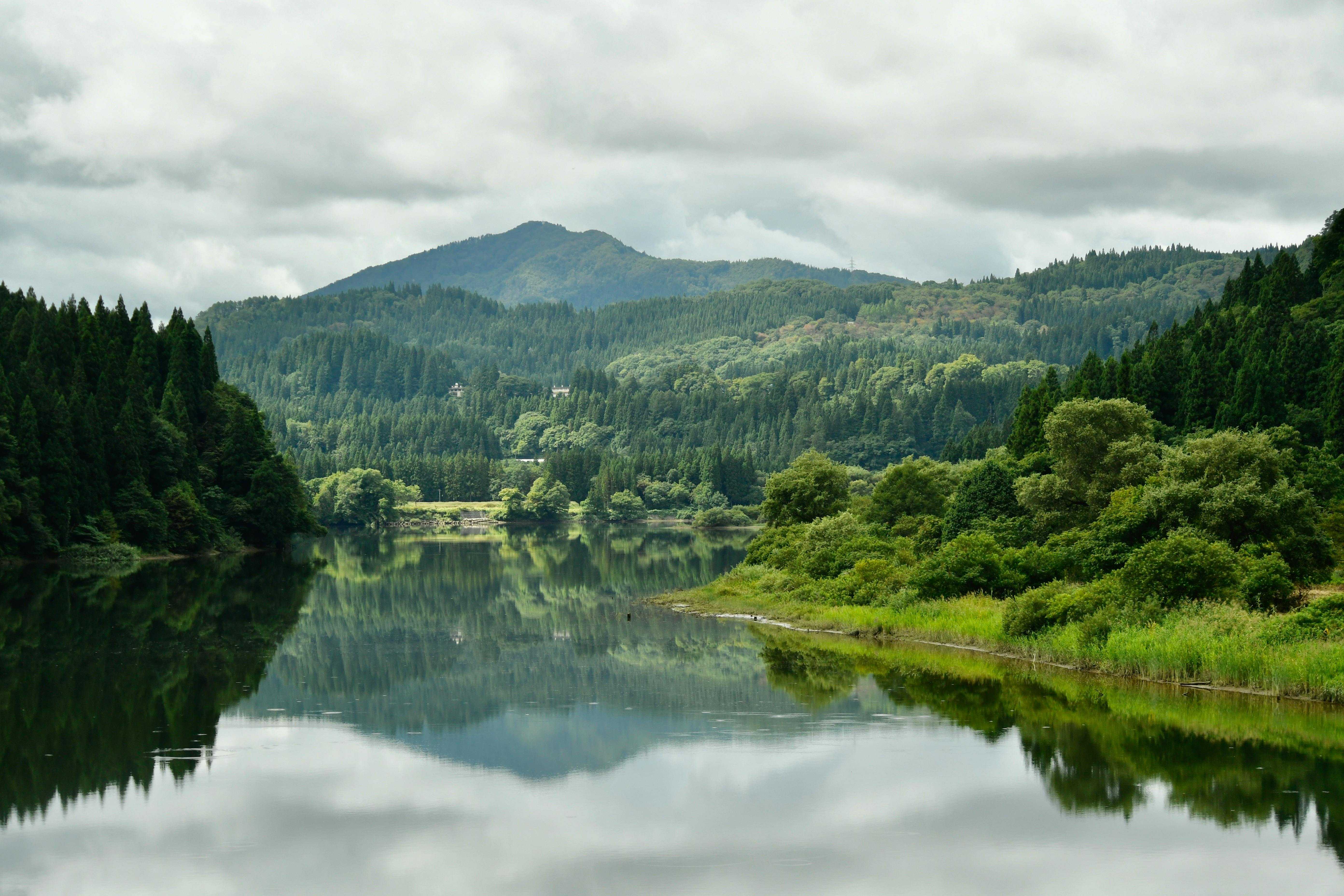
  1. Natural Beauty: Fukushima is known for its stunning natural landscapes, including beautiful mountains, rivers, and forests. Visitors can enjoy outdoor activities such as hiking, skiing, and hot spring baths.

  2. Historical and Cultural Sites: Fukushima is home to several historical and cultural attractions, including ancient temples, shrines, and traditional villages. Visitors can learn about the region's rich history and traditional customs.

  3. Local Cuisine: Fukushima is famous for its delicious local cuisine, including fresh seafood, wagyu beef, and sake. Food lovers can enjoy trying unique dishes and specialties that are specific to the region.

  4. Friendly Locals: Travelers often praise the warm hospitality and friendliness of the local residents in Fukushima. Visitors can expect to receive a warm welcome and experience the genuine kindness of the people.

  5. Safety and Recovery: Despite the past challenges faced by the Fukushima region due to the 2011 earthquake and nuclear disaster, significant efforts have been made to rebuild and recover. Traveling to Fukushima can support the local economy and contribute to the ongoing recovery process.

Overall, Fukushima offers a unique travel experience with its natural beauty, cultural heritage, delicious cuisine, friendly locals, and opportunities to contribute to the region's recovery and growth.

Please note that conditions and attractions may change, so it is recommended to check for the latest travel information before planning a trip.

What to know

Traveling to Fukushima, located in Fukushima, Japan, may have some cons due to its history of being the site of a nuclear disaster in 2011. Here are some potential cons to consider:

  1. Radiation Concerns: While significant efforts have been made to decontaminate the affected areas, there may still be lingering concerns about radiation levels in certain parts of Fukushima. It is essential to follow safety guidelines and stay informed about any potential risks.

  2. Stigma and Misconceptions: Despite the progress made in Fukushima's recovery, there may still be stigma and misconceptions surrounding the region due to the nuclear disaster. Travelers may encounter prejudice or fear from others who are unaware of the current situation in Fukushima.

  3. Limited Access to Certain Areas: Some areas in Fukushima may still be restricted or have limited access due to ongoing decontamination efforts or safety concerns. This could impact your travel plans and limit your ability to explore certain parts of the region.

  4. Emotional Impact: Visiting Fukushima may evoke strong emotions related to the tragic events of the past and the ongoing recovery efforts. Some travelers may find it emotionally challenging to visit a place with such a complex history.

  5. Language and Cultural Barriers: Fukushima is a rural area in Japan, and English may not be as widely spoken compared to more touristy regions. Travelers may encounter communication challenges and cultural differences that could affect their travel experience.

It is important to conduct thorough research, stay informed about the current situation in Fukushima, and consider your comfort level and sensitivity towards the history of the region before planning a trip there.

Fukushima, located in the Tōhoku region of Japan, is the capital city of Fukushima Prefecture. It has a rich history that spans centuries, with significant events and landmarks that have shaped its development.

Early History

  • Ancient Period: The region that is now Fukushima has been inhabited since ancient times. Archaeological evidence suggests that people have lived there since the Jomon period (approximately 14,000 to 300 BCE).
  • Feudal Era: During the feudal era, Fukushima was part of the Mutsu Province. It became a significant location with the establishment of the Fukushima Domain, ruled by various samurai clans over the centuries.

Edo Period

  • Fukushima Castle: The construction of Fukushima Castle, also known as Suginome Castle, began in 1591 under the orders of Date Masamune, a prominent daimyo. The castle served as a strategic military base and administrative center for the region.
  • Development: During the Edo period, Fukushima prospered as a post town on the Ōshū Kaidō, a major highway connecting Edo (modern-day Tokyo) with the northern regions.

Meiji Restoration and Modernization

  • Meiji Period: The Meiji Restoration in the late 19th century brought significant changes to Fukushima. The feudal domains were abolished, and Fukushima became part of the newly established Fukushima Prefecture in 1871.
  • Industrial Growth: The city developed industrially with the establishment of silk and textile industries, which contributed to its modernization.

20th Century

  • War and Recovery: Like much of Japan, Fukushima faced challenges during World War II but gradually rebuilt and expanded in the post-war period.
  • Agricultural and Technological Development: The city became known for its agricultural produce, particularly fruits like peaches and apples. It also saw technological advancements and infrastructure development.

21st Century

  • 2011 Tōhoku Earthquake and Tsunami: On March 11, 2011, Fukushima was impacted by the massive Tōhoku earthquake and tsunami, which led to severe destruction. The Fukushima Daiichi nuclear disaster, although located in the Futaba District rather than the city, brought international attention to the region.
  • Reconstruction Efforts: Since the disaster, Fukushima has been involved in extensive reconstruction and revitalization efforts, focusing on both economic recovery and environmental rehabilitation.

Important Landmarks

  • Hanamiyama Park: Known for its beautiful cherry blossoms, Hanamiyama Park is a popular tourist destination, especially during the spring.
  • Azuma Kofuji: This stratovolcano is a symbol of Fukushima and is often compared to Mount Fuji for its shape. It is a popular hiking destination.
  • Fukushima Prefectural Museum of Art: This museum hosts a collection of both Japanese and Western art, showcasing the cultural richness of the region.

Notable Figures

  • Date Masamune: Although not a native of Fukushima city, his influence through the construction of the castle and regional development left a lasting legacy.

Fukushima city continues to be a hub of cultural and economic activities in the region, balancing its historical heritage with modern advancements.