
Explore Fes-Meknes
Top cities in Fes-Meknes
Pick a city to open its guide.
See it for yourself
Location videos
Reels and longer watches.
Good to know
Practical info
Weather, costs and getting around.
Know before you go
Local guide
A deeper read on Fes-Meknes.
What people love
There are several pros to traveling to Fès-Meknès in Morocco.
-
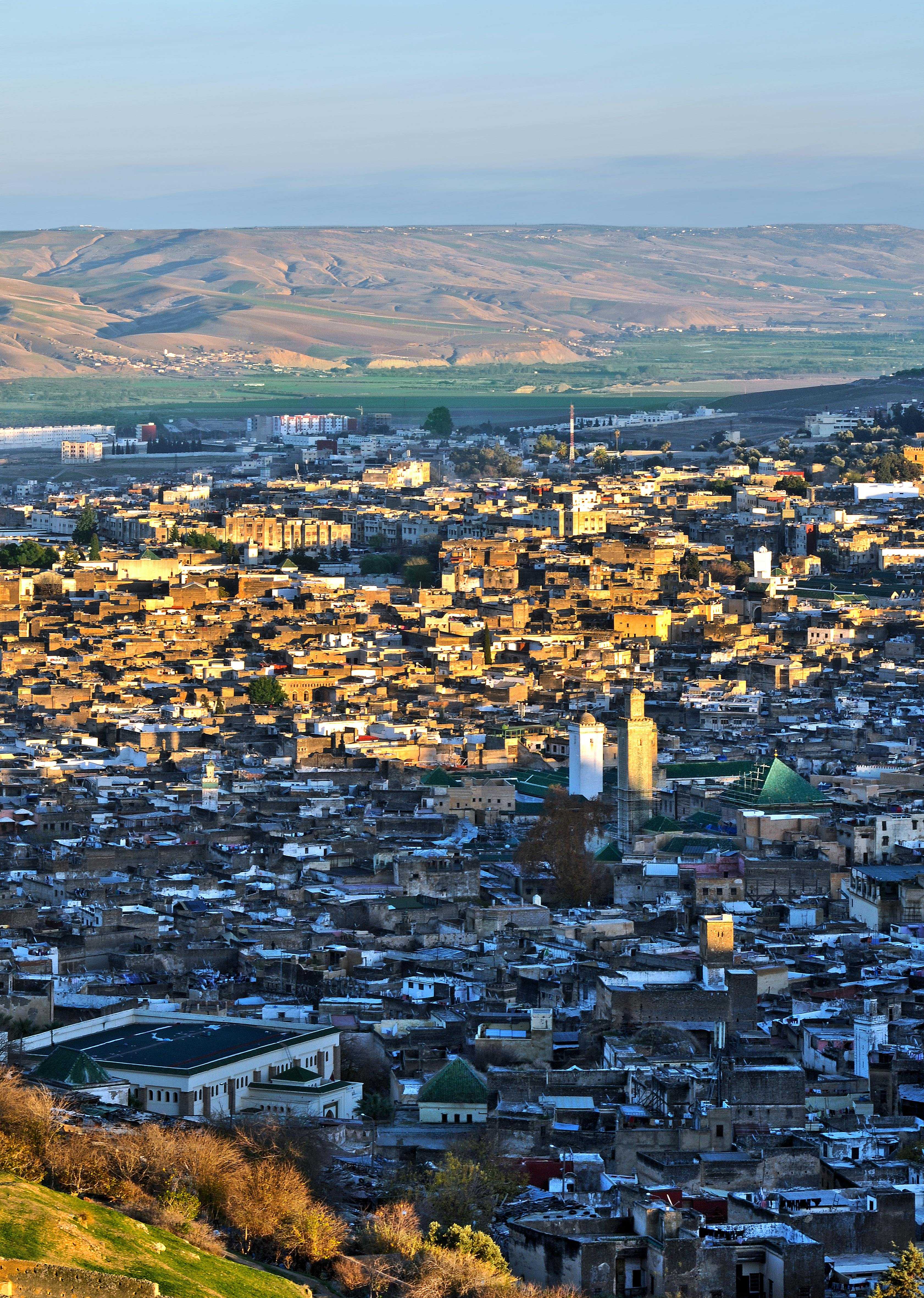
Rich History and Culture: Fès-Meknès is home to the ancient city of Fes, which is known for its well-preserved medieval architecture and traditional way of life. Visitors can explore historic sites such as the Fes el-Bali Medina, the world's largest living medieval Islamic city, and the Al-Qarawiyyin Mosque, one of the oldest universities in the world.
-
Authentic Moroccan Experience: Traveling to Fès-Meknès allows visitors to experience authentic Moroccan culture and traditions. From shopping in traditional souks (markets) to trying local cuisine like tagine and couscous, visitors can immerse themselves in the rich cultural heritage of the region.
-
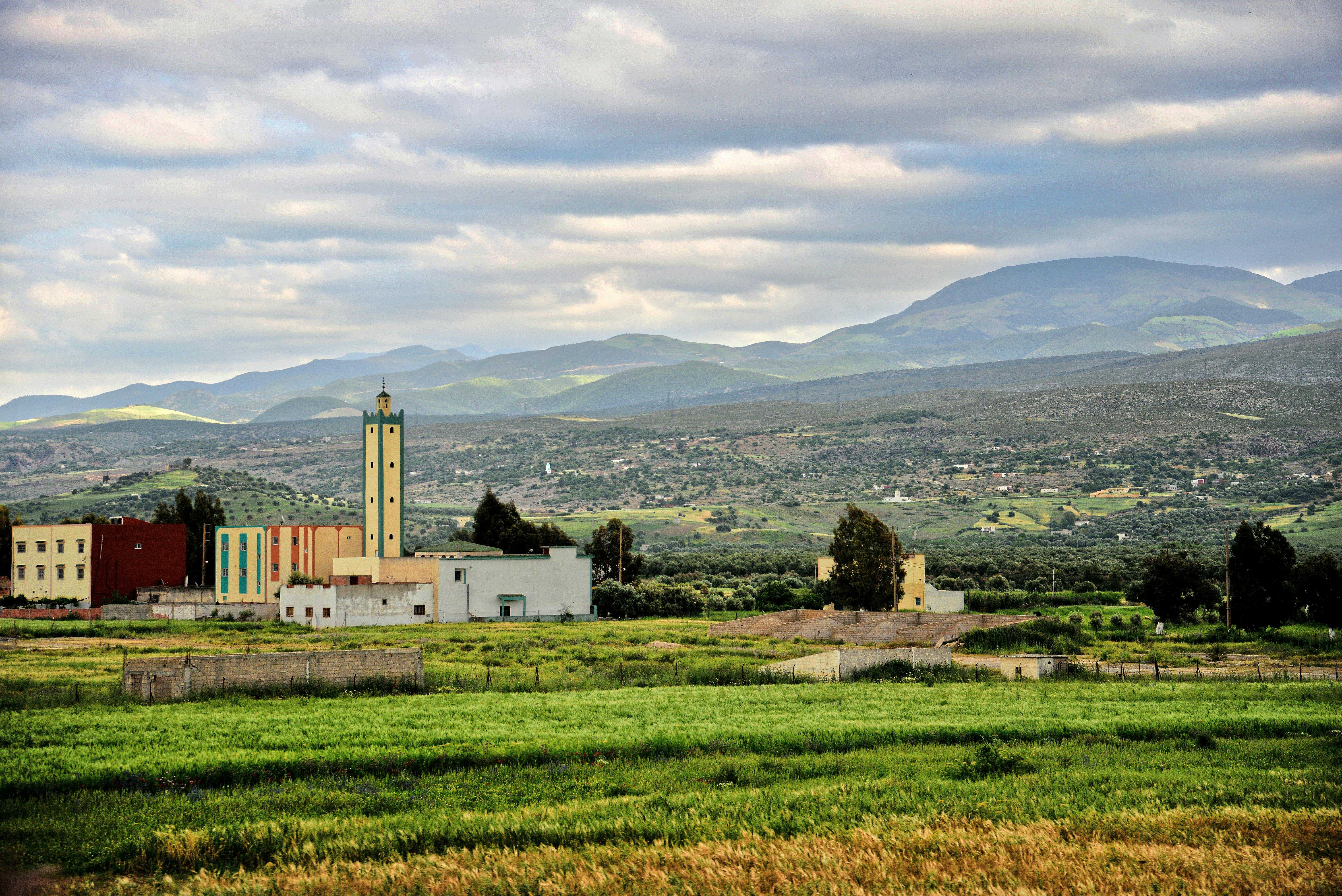
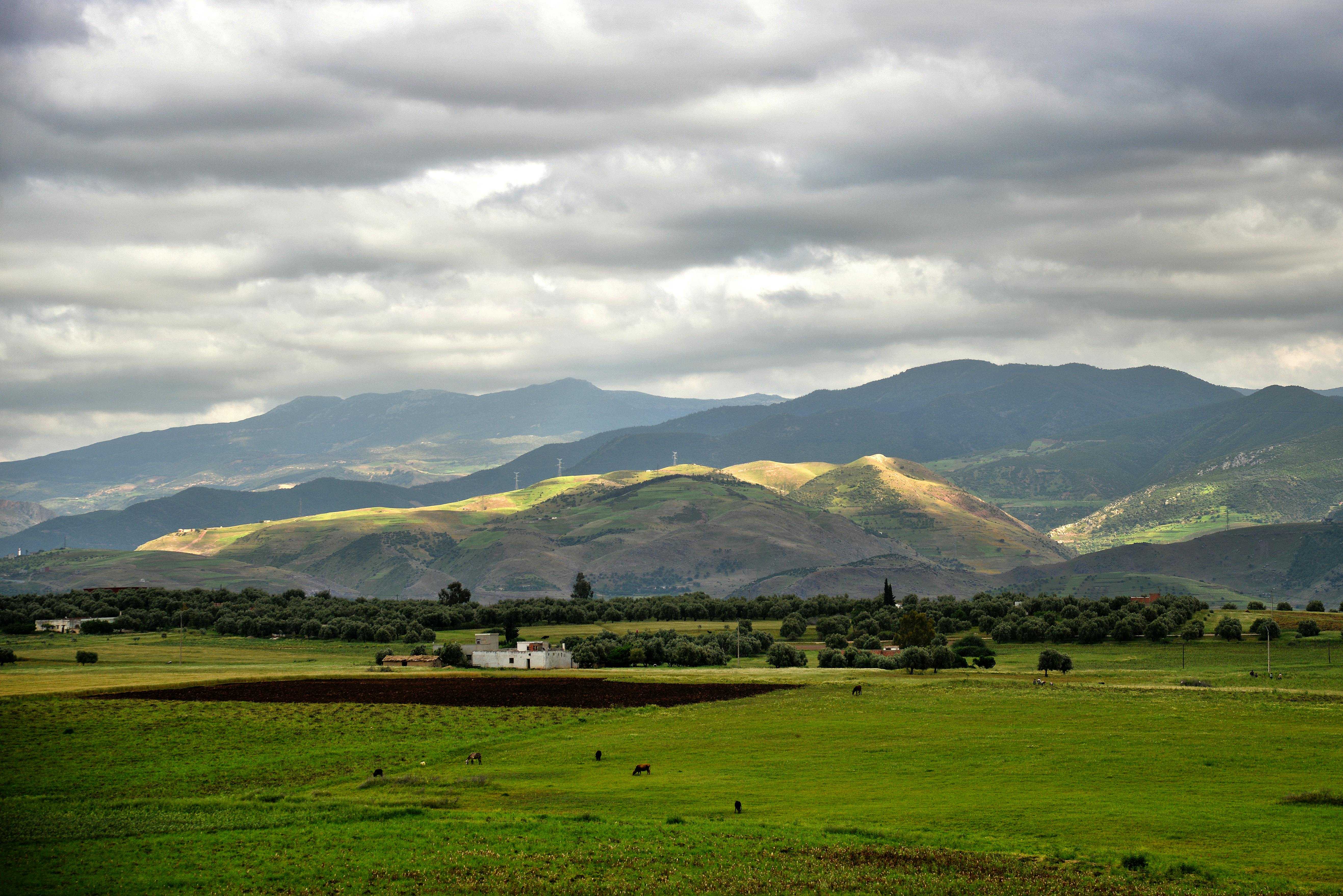
Beautiful Landscapes: Fès-Meknès is also known for its stunning natural landscapes, including the Atlas Mountains and the Zalagh Hill. Visitors can take scenic hikes, go horseback riding, or simply enjoy the picturesque views of the surrounding countryside.
-
Hospitality and Warmth: Moroccans are known for their hospitality and warmth towards visitors. Traveling to Fès-Meknès provides an opportunity to interact with locals, learn about their way of life, and make meaningful connections with people from a different culture.
-
Accessibility: Fès-Meknès is easily accessible from major cities in Morocco, such as Marrakech and Casablanca, making it a convenient destination for travelers looking to explore different parts of the country.
Overall, traveling to Fès-Meknès offers a unique and enriching experience for those interested in history, culture, and natural beauty.
Enjoy your trip!
What to know
Some potential cons of traveling to Fès-Meknès in Morocco may include:
-
Language Barrier: While Arabic is the official language, French is also widely spoken in Fès-Meknès. If you do not speak either language, communication may be challenging.
-
Cultural Differences: Morocco has a different culture and customs compared to Western countries. It's important to be respectful of local traditions and dress modestly to avoid any misunderstandings or offense.
-
Scams: Like in many tourist destinations, there may be scams targeting visitors in Fès-Meknès. Be cautious of overly friendly locals offering unsolicited help or trying to sell you goods or services at inflated prices.
-
Pickpocketing and Theft: As with any tourist destination, there is a risk of pickpocketing and theft in crowded areas. It's advisable to keep an eye on your belongings and be cautious in crowded places.
-
Sanitation and Hygiene: Some areas in Fès-Meknès may not meet the same hygiene standards as Western countries. It's important to drink bottled water, avoid street food that may not be prepared hygienically, and be mindful of sanitation practices.
-
Traffic and Transportation: Traffic congestion and erratic driving are common in Moroccan cities, including Fès-Meknès. Be cautious when crossing the streets and consider using official taxis or reputable transportation services.
It's important to note that these cons should not deter you from visiting Fès-Meknès, as it is a beautiful and culturally rich destination. By being informed and taking necessary precautions, you can have a safe and enjoyable trip to this region of Morocco.
