
El Nido
· PH

El Nido

El Nido, Palawan, Philippines

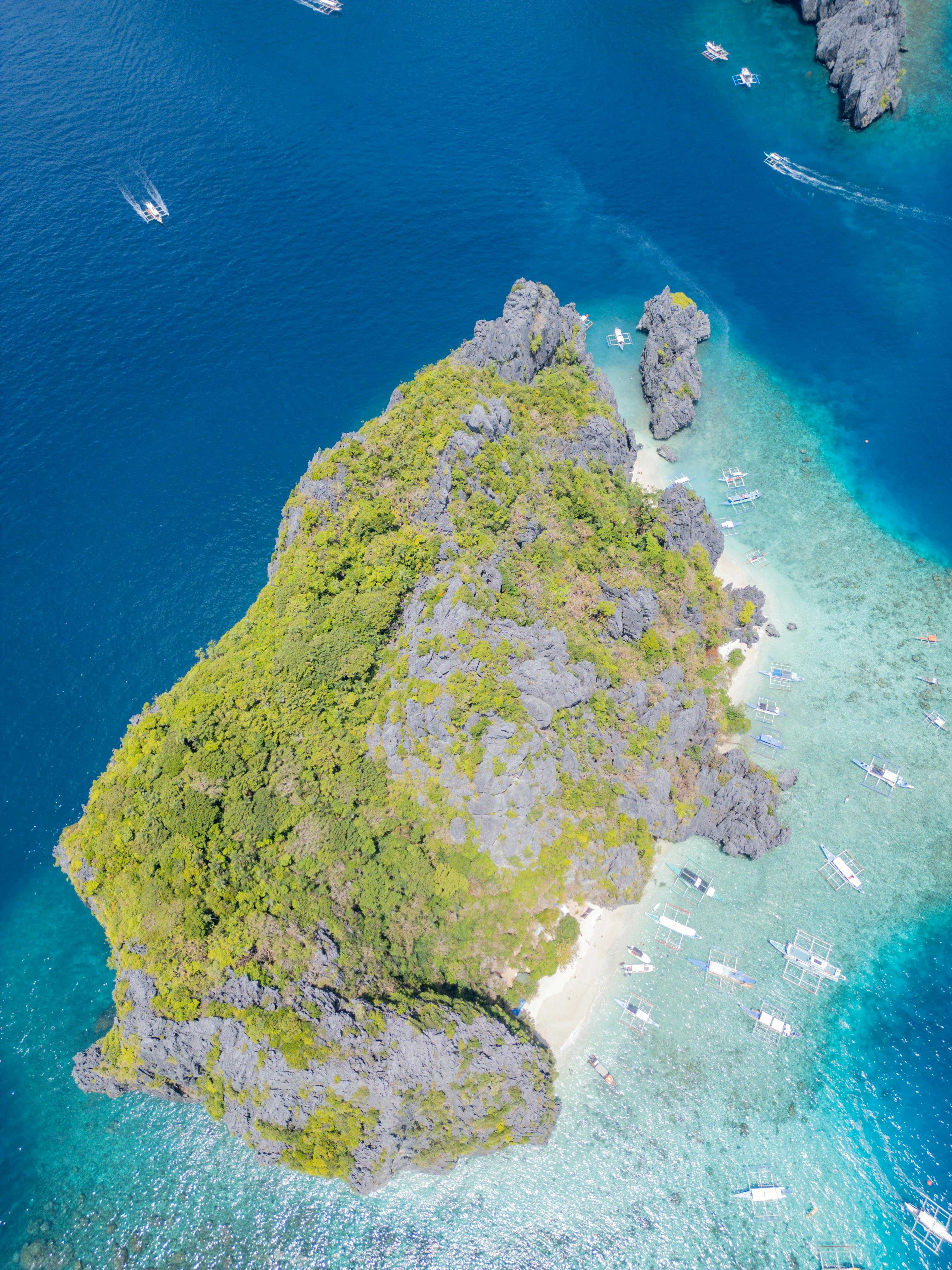
El Nido, Palawan: Where Limestone Towers Meet Turquoise Dreams El Nido, nestled in the northern tip of Palawan, Philippines, isn't just a destination; it's a portal to a world where towering limestone cliffs plunge into …

#Island paradise#Crystal clear waters#White sandy beaches#Tropical destination#Scuba diving hotspot
1/4

Top hotels & flights

Hand-picked stays and the best fares into El Nido.

Top Hotels in El Nido

Top Flights to El Nido

Location videos

Real reels from travelers, plus longer watches to get the full picture.

Watch & explore

Practical info

The essentials for planning your time in El Nido.

Currency
₱ | PHP | Philippine Peso
Population
50494.0
Languages
Filipino, Filipino, English
Average weather
El Nido
Jan
sun
30°23°
Feb
sun
31°23°
Mar
sun
32°24°
Apr
hot
33°25°
May
hot
33°26°
Jun
rain
32°25°
Jul
rain
31°25°
Aug
rain
31°25°
Sep
rain
31°25°
Oct
rain
31°24°
Nov
cloud
31°24°
Dec
sun
30°23°

Local guide

What travelers love, what to watch for, and a deeper read on El Nido.

What people love

El Nido, located in Palawan, Philippines, is a popular travel destination known for its stunning landscapes, crystal-clear waters, and diverse marine life. Here are some of the pros of traveling to El Nido:

  1. Beautiful Beaches: El Nido is home to some of the most beautiful beaches in the Philippines. Visitors can enjoy white sandy beaches, dramatic limestone cliffs, and turquoise waters perfect for swimming, snorkeling, and diving.

  2. Island Hopping: One of the main attractions in El Nido is island hopping. Travelers can explore the Bacuit Bay and visit various islands and lagoons, each offering unique experiences such as snorkeling, kayaking, and relaxing on pristine beaches.

  3. Stunning Landscapes: The dramatic karst limestone formations in El Nido create a picturesque backdrop for travelers. The towering cliffs, hidden lagoons, and lush forests make for stunning views and great photo opportunities.

  4. Marine Biodiversity: El Nido is a haven for marine biodiversity, making it a paradise for snorkelers and divers. The waters around El Nido are teeming with colorful coral reefs, tropical fish, sea turtles, and other marine life.

  5. Relaxing Atmosphere: El Nido offers a laid-back and relaxing atmosphere, perfect for those looking to unwind and escape the hustle and bustle of city life. Visitors can enjoy the peaceful ambiance of the beaches and take in the natural beauty of the surroundings.

  6. Water Activities: In addition to snorkeling and diving, El Nido offers a range of water activities such as kayaking, paddleboarding, and boat tours. Travelers can explore hidden coves, caves, and beaches while enjoying the crystal-clear waters of the bay.

Overall, traveling to El Nido in Palawan, Philippines, offers a unique opportunity to experience the natural beauty of the region, relax on stunning beaches, and explore the diverse marine life that thrives in its waters.

What to know

Some potential cons of traveling to El Nido, Palawan, Philippines include:

  1. Remote location: El Nido is quite remote and can be difficult to reach, requiring multiple flights and possibly boat transfers. This can lead to longer travel times and potential travel delays.

  2. Limited infrastructure: While El Nido is a popular tourist destination, the infrastructure in the area may not be as developed as in more urbanized areas. This could mean limited access to amenities, services, and facilities.

  3. Environmental impact: The rapid growth in tourism in El Nido has put pressure on the local environment, leading to issues such as waste management, water pollution, and damage to coral reefs. Visitors should be mindful of their environmental impact and practice responsible tourism.

  4. Crowded tourist spots: Some popular attractions in El Nido can get crowded, especially during peak tourist seasons. This can detract from the experience and make it difficult to fully enjoy the natural beauty of the area.

  5. Weather concerns: El Nido is prone to typhoons and inclement weather, especially during the rainy season from June to October. Travelers should be aware of the weather conditions and plan their trip accordingly.

Overall, while El Nido is a beautiful destination with stunning beaches and landscapes, travelers should be prepared for some challenges and consider the potential cons before planning their trip.

El Nido, located in the province of Palawan, Philippines, is renowned for its stunning natural beauty and rich cultural history. Its history is intertwined with the broader history of Palawan and the Philippines.

Pre-Colonial and Indigenous History

El Nido's history dates back to the time when it was inhabited by indigenous groups, primarily the Tagbanua and Cuyonon peoples. These groups have lived in the area for centuries, with a deep connection to the land and sea. They engaged in fishing, hunting, and gathering, utilizing the rich natural resources of the region.

Spanish Colonial Period

During the Spanish colonial period in the Philippines, which began in the 16th century, Palawan was influenced by Spanish rule. The Spanish established settlements and forts to protect the area from pirate raids and foreign invasions. However, El Nido remained relatively isolated due to its remote location.

20th Century Developments

In the early 20th century, El Nido began to gain recognition for its vast limestone cliffs, white sand beaches, and diverse marine life. The town was officially established in 1954, and it was named "El Nido" after the edible nests of swiftlets found in its limestone cliffs, which are used to make bird's nest soup, a delicacy in Chinese cuisine.

Modern Era and Tourism

El Nido's transformation into a tourism hotspot began in the late 20th century. Its pristine beaches, clear waters, and rich biodiversity attracted both local and international tourists. In the 1980s and 1990s, El Nido gained popularity as a tourist destination, leading to the development of various resorts and eco-friendly tourism initiatives.

Significant efforts have been made to preserve El Nido's natural environment. The area is part of the El Nido-Taytay Managed Resource Protected Area, established in 1998, which aims to conserve its unique ecosystems and biodiversity.

Important Landmarks

  • Bacuit Bay: Known for its stunning islands and lagoons, Bacuit Bay is a major attraction for island-hopping tours.
  • Big Lagoon and Small Lagoon: Located on Miniloc Island, these lagoons are famous for their crystal-clear waters and dramatic limestone formations.
  • Cathedral Cave: A popular spot for its unique cavernous structure.
  • Nacpan Beach: A long stretch of white sand beach known for its scenic views and tranquil atmosphere.
  • Cadlao Island: The largest island in Bacuit Bay, known for its high peak and beautiful beaches.

Cultural Significance

El Nido continues to be a place where the indigenous Tagbanua people maintain their cultural traditions, including their rights to ancestral lands. Their influence is seen in local crafts, music, and dance.

El Nido's history is a tale of natural wonder and cultural richness, evolving from an indigenous settlement to a globally recognized travel destination while striving to balance tourism with environmental conservation.

Conclusion

El Nido's history is shaped by its natural environment and the cultures that have thrived there. It serves as a testament to the importance of preserving natural beauty while celebrating cultural heritage.