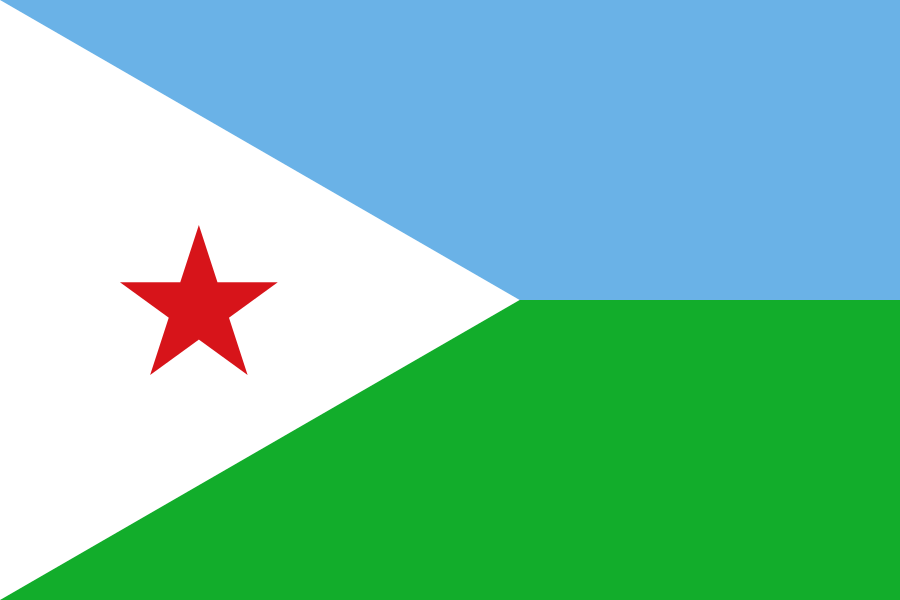


Djibouti
City · Djibouti

Djibouti

Djibouti, Djibouti, Djibouti

Djibouti: Where Adventure Meets the Red Sea Djibouti City, Djibouti - it might sound repetitive, but this small nation on the Horn of Africa is a…

#East Africa#Horn of Africa#Port city#Strategic location#Diverse culture

Top Hotels in Djibouti

Top Flights to Djibouti

Flying from

Top Activities in Djibouti

Highlights

Things to do in Djibouti

What travellers talk about most.

Tours

Exploring Lake Assal

Visit one of the saltiest bodies of water in the world, located below sea level.

Shopping

Shopping at Grand Bara

Experience a lively local market with a wide array of goods.

Outdoor

Snorkeling at Arta Beach

Discover the vibrant marine life through snorkeling at the coast of Arta.

See it for yourself

Location videos

Reels and longer watches.

Featured for Djibouti

Traveller clips picked out for this place.

Watch & explore

Good to know

Practical info

Weather, costs and getting around.

Djibouti, Djibouti, Djibouti Open in Google Maps
When to go

Scored from each month’s typical high and its usual conditions.

GoodMixedAvoid
Best monthsNov – Mar
Worth avoidingJun – Sep
September · hotHigh 38°C Low 30°C
Avoid

Djibouti experiences a hot desert climate characterized by extremely high temperatures and minimal rainfall. The hottest months are from June to August, with temperatures often exceeding 40°C (104°F). The cooler months, from November to February, still remain warm with temperatures ranging from 23°C to 30°C (73°F to 86°F). Rainfall is scarce and irregular, typically occurring between November and April, but even during this period, it is minimal. The coastal areas can be humid, while inland regions tend to be drier. Travelers should be prepared for intense heat, particularly during the summer months.

All 12 monthshighs, lows and conditions
Jan
sun
28°21°
Feb
sun
29°22°
Mar
sun
30°23°
Apr
hot
32°25°
May
hot
34°27°
Jun
hot
37°30°
Jul
hot
40°32°
Aug
hot
41°33°
Sep
hot
38°30°
Oct
hot
35°27°
Nov
sun
31°24°
Dec
sun
29°22°
Currency
Fdj | DJF | Djiboutian Franc
Population
The approximate estimated total population of Djibouti, Djibouti, is about 1.0 million.
Density
3,439 / km²
Local time
Languages
French mainly · Arabic, Somali, Afar
Budget / day
$100 - $250
Also known as
Republic of Djibouti, Gabuuti, French Territory of the Afars and the Issas, French Somaliland, Jibuti

Know before you go

Local guide

A deeper read on Djibouti.

What people love

Traveling to Djibouti, located in Djibouti, Djibouti, can be an exciting and unique experience with several pros:

  1. Unique Landscape: Djibouti boasts diverse landscapes such as stunning coastlines, deserts, and volcanic formations. Visitors can explore the otherworldly landscapes of Lake Assal, the lowest point in Africa, or hike through the rugged terrain of the Goda Mountains.

  2. Rich Culture: Djibouti is home to a diverse population with influences from African, Middle Eastern, and European cultures. Travelers can experience this cultural fusion through traditional music, dance, and cuisine.

  3. Marine Life: Djibouti is known for its rich marine biodiversity, making it a popular destination for diving and snorkeling enthusiasts. Visitors can swim alongside whale sharks, explore vibrant coral reefs, and witness unique underwater ecosystems.

  4. Adventure Activities: Travelers can engage in a variety of adventure activities in Djibouti, such as hiking, camel trekking, and kite surfing. The country's diverse landscapes provide ample opportunities for outdoor exploration and adrenaline-pumping experiences.

  5. Historical Sites: Djibouti has a rich history dating back centuries, with various historical sites and landmarks to explore. Visitors can visit ancient ruins, forts, and archaeological sites that offer insight into Djibouti's past.

  6. Safety: Djibouti is considered relatively safe for travelers, with a stable political environment and low crime rates. Visitors can enjoy their trip with peace of mind and explore the country's attractions without major safety concerns.

Overall, traveling to Djibouti can offer a unique and memorable experience for those seeking adventure, cultural immersion, and natural beauty.

What to know

Some potential cons of traveling to Djibouti include:

  1. Limited tourist infrastructure: Djibouti is not as developed for tourism compared to other destinations, so travelers may find limited accommodation options, restaurants, and attractions.

  2. Extreme weather conditions: Djibouti experiences very high temperatures throughout the year, with little rainfall. Travelers may find it challenging to cope with the heat and humidity, especially if they are not accustomed to such conditions.

  3. Language barrier: The official languages in Djibouti are French and Arabic, so travelers who do not speak these languages may encounter communication challenges.

  4. Safety concerns: Djibouti has experienced political instability and occasional incidents of violence in the past. Travelers are advised to stay informed about the current situation and exercise caution while traveling in the country.

  5. Limited transportation options: Getting around Djibouti can be challenging, as public transportation is limited and roads may not be in the best condition. Renting a car may be necessary but comes with its own set of challenges.

  6. High cost of living: Djibouti is known for its high cost of living, which can make it an expensive destination for travelers. Accommodation, food, and transportation costs may be higher compared to other countries in the region.

Overall, while Djibouti has unique attractions and a rich culture to offer, travelers should be aware of these potential challenges before planning a trip to the country.


Djibouti, located on the Horn of Africa, has a rich history shaped by its strategic location at the crossroads of Africa and the Middle East. Here’s a detailed history of Djibouti, focusing on significant events, historical figures, and landmarks in the capital city of Djibouti, Djibouti.

Ancient History

  • Early Inhabitants: The region has been inhabited for thousands of years by various nomadic tribes, primarily the Afar and the Somali Issa peoples.
  • Land of Punt: Djibouti is believed to be part of the ancient Land of Punt, a trading partner of Ancient Egypt, mentioned in Egyptian texts as a source of myrrh, gold, and other luxury goods.

Medieval Period

  • Islamic Influence: Islam was introduced to the region in the 7th century by Arab traders and missionaries. This led to the establishment of Islamic sultanates, such as the Sultanate of Adal, which influenced the region culturally and religiously.

Colonial Era

  • French Somaliland: In the late 19th century, European powers began to show interest in the region due to its strategic location. In 1888, France established a protectorate named French Somaliland. The city of Djibouti was founded in 1888 by the French as a port city and became the capital in 1896.
  • Importance of the Railway: The construction of the Addis Ababa-Djibouti Railway, completed in 1917, further increased the city’s importance as a trade hub between the coast and the Ethiopian highlands.

Independence Movement

  • Towards Independence: During the decolonization period after World War II, there were rising calls for independence. In 1958, a referendum was held, and the population chose to remain part of France.
  • Independence Achieved: Djibouti finally gained independence from France on June 27, 1977, following a third referendum. Hassan Gouled Aptidon became the first President of the Republic of Djibouti.

Post-Independence Era

  • Political Developments: Djibouti initially established a one-party state under the People's Rally for Progress. It transitioned to a multi-party system in the early 1990s.
  • Civil War: The country experienced a civil war from 1991 to 1994 between the government and the Afar rebel group, the Front for the Restoration of Unity and Democracy (FRUD). A peace agreement was eventually signed, leading to greater inclusion of Afar in the government.

Modern Djibouti

  • Strategic Military Presence: Djibouti has become a strategic military base for various global powers, including the United States, France, and China, due to its location near the Red Sea and the Suez Canal.
  • Economic Development: The city has seen significant infrastructure developments, including the expansion of the Port of Doraleh and the development of free trade zones to boost trade and investment.

Important Landmarks

  • Port of Djibouti: A key economic engine for the country, facilitating trade in the region.
  • Place Menelik: A central square in the city that serves as a hub of social and cultural activities.
  • Hamoudi Mosque: One of the city’s oldest mosques, reflecting the Islamic heritage of Djibouti.
  • Djibouti Cathedral: A significant landmark for the Christian community, showcasing colonial architectural influences.

Conclusion

Djibouti continues to play a significant role in regional and global affairs due to its strategic location and political stability, making it an important hub for trade and military operations in the Horn of Africa.