Andaman
City · India

Andaman

Andaman, India

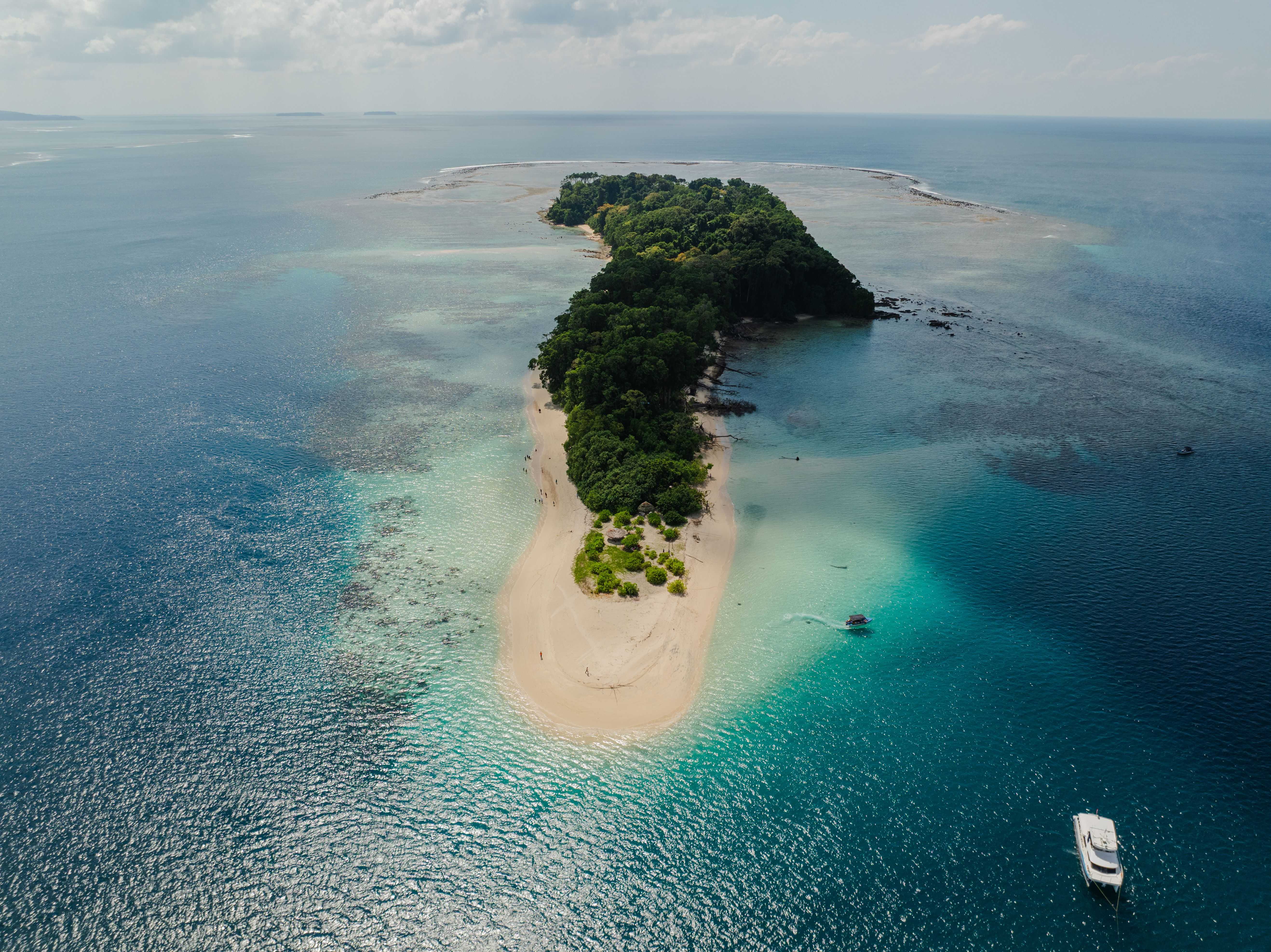
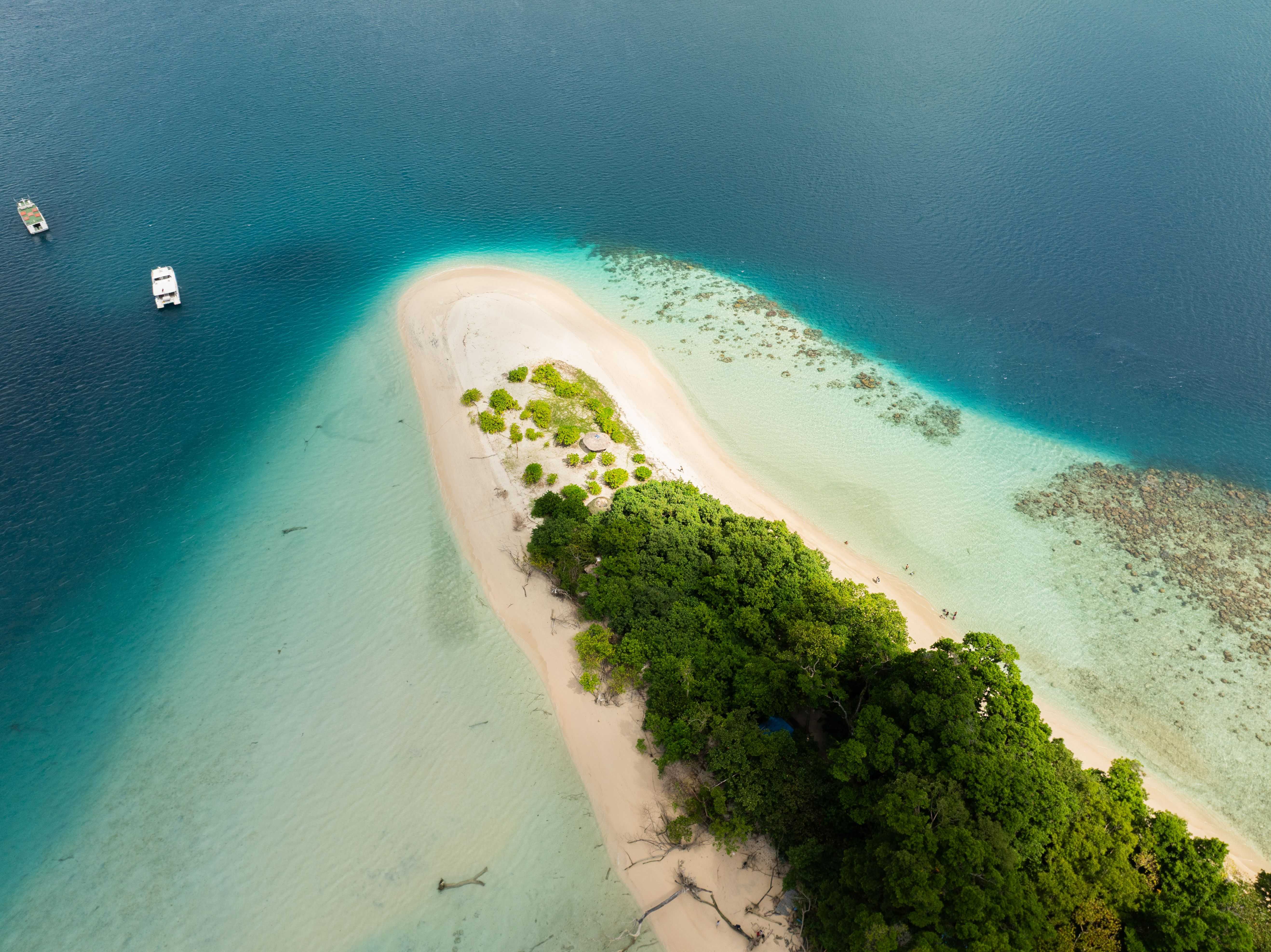
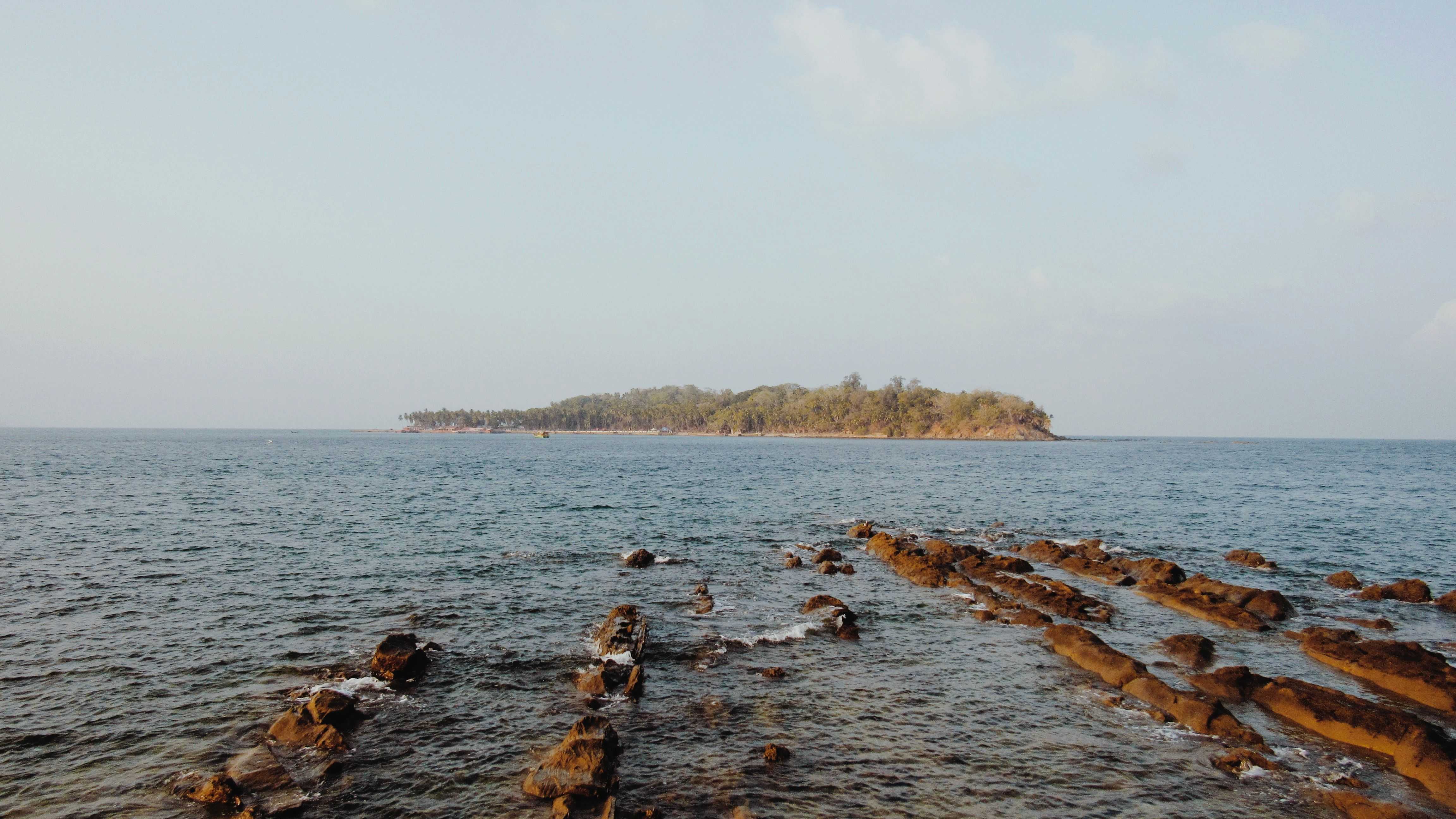
Andaman, India, a mesmerizing archipelago in the Bay of Bengal, is a treasure trove of natural beauty, adventure, and history. Comprising over 500…

Top Hotels in Andaman

Top Flights to Andaman

Flying from

Top Activities in Andaman

See it for yourself

Location videos

Reels and longer watches.

Featured for Andaman

Traveller clips picked out for this place.

Good to know

Practical info

Weather, costs and getting around.

Andaman, India Open in Google Maps
When to go

Scored from each month’s typical high and its usual conditions.

GoodMixedAvoid
Best monthsNov – Mar
Worth avoidingMay – Oct
October · rainHigh 30°C Low 24°C
Avoid

The Andaman Islands experience a warm, tropical climate year-round, with average temperatures ranging between 22°C and 30°C. * **Best Time to Visit (October to May):** The weather is pleasant and sunny, with calm seas and clear skies. This period is ideal for beach lounging, sightseeing, scuba diving, and other water activities. * **Monsoon Season (June to September):** The islands receive heavy rainfall accompanied by strong winds and rough seas. While the islands turn vibrant green, outdoor activities and ferry transfers are frequently disrupted. Light cotton clothing, sunscreen, and beachwear are recommended for most of the year, while rain gear is essential during the monsoon.

All 12 monthshighs, lows and conditions
Jan
clear
29°23°
Feb
clear
30°22°
Mar
sun
31°23°
Apr
hot
32°25°
May
rain
31°25°
Jun
rain
30°25°
Jul
rain
29°24°
Aug
rain
29°24°
Sep
rain
29°24°
Oct
rain
30°24°
Nov
cloud
30°24°
Dec
clear
29°23°
Currency
₹ | INR | Indian Rupee
Density
1,363 / km²
Local time
Also known as
Andaman Islands, Andaman and Nicobar Islands, अंडमान और निकोबार द्वीप समूह, अंडमान, अंडमान द्वीप

Know before you go

Local guide

A deeper read on Andaman.

What people love

Traveling to the Andaman Islands, located in the Bay of Bengal and part of India, offers a unique and memorable experience. Here are some of the pros of visiting this beautiful destination:

  1. Stunning Beaches: The Andaman Islands are known for their pristine, white-sand beaches and clear turquoise waters. Popular beaches such as Radhanagar Beach on Havelock Island are often ranked among the best in Asia.

  2. Rich Marine Life: The islands offer excellent opportunities for snorkeling and scuba diving. The coral reefs around the islands are home to a diverse range of marine life, including colorful fish, turtles, and sometimes even dolphins and dugongs.

  3. Adventure Activities: In addition to snorkeling and diving, visitors can enjoy other water activities like sea walking, kayaking, and jet skiing. The lush forests also offer hiking and trekking opportunities.

  4. Biodiversity: The Andaman Islands are rich in biodiversity, with a variety of flora and fauna, including some endemic species. The Mahatma Gandhi Marine National Park and other reserves offer opportunities to see this unique wildlife.

  5. Cultural Experience: The Andaman Islands have a mix of cultures, including indigenous tribes. While interaction with the tribes is limited to protect their way of life, the islands offer a chance to learn about their history and culture through museums and local guides.

  6. Historical Significance: The Cellular Jail in Port Blair is a historical monument that offers insight into India’s struggle for independence. It is a significant site that attracts many visitors.

  7. Scenic Beauty: Beyond the beaches, the islands are covered with lush greenery and scenic landscapes, making them perfect for nature lovers and photographers.

  8. Relaxation: The tranquil environment of the islands makes them an ideal destination for relaxation and unwinding away from the hustle and bustle of city life.

  9. Local Cuisine: The islands offer a variety of fresh seafood and local dishes, providing a culinary adventure for food enthusiasts.

  10. Eco-Tourism: The Andaman Islands are committed to sustainable tourism practices, making it a responsible travel destination for eco-conscious travelers.

Overall, the Andaman Islands offer a combination of natural beauty, adventure, relaxation, and cultural richness, making them a desirable destination for various types of travelers.

What to know

Traveling to the Andaman Islands, while an exciting and beautiful experience, does come with some potential drawbacks. Here are some cons to consider:

  1. Accessibility: The Andaman Islands are relatively remote, and reaching them can be time-consuming. Most travelers fly into Port Blair, the capital, from mainland India, which can be a long journey depending on your starting point. There are also limited flights available, which can make planning a trip more complex.

  2. Weather: The tropical climate means that the Andaman Islands can be subject to heavy rainfall, especially during the monsoon season from late May to September. This can lead to disruptions in travel plans and limit outdoor activities.

  3. Limited Medical Facilities: While Port Blair has some medical facilities, the options are limited compared to mainland India. For serious medical emergencies, evacuation to the mainland might be necessary, which can be difficult and costly.

  4. Connectivity: Internet and mobile connectivity can be spotty, especially on the more remote islands. This might be inconvenient for travelers who need to stay connected for work or personal reasons.

  5. Environmental Concerns: The increase in tourism can put strain on the local environment and ecosystems. Travelers should be conscious of their environmental impact and adhere to sustainable tourism practices.

  6. Restricted Areas: Certain areas of the Andaman Islands are restricted due to their proximity to indigenous tribes. Visitors are not allowed to enter these areas without special permissions, which can limit exploration opportunities.

  7. Higher Costs: Due to the remote location, some goods and services on the islands may be more expensive compared to the mainland. This can increase the overall cost of travel.

  8. Cultural Sensitivity: The Andaman Islands are home to indigenous communities with unique cultures and traditions. Travelers should be respectful and mindful of local customs and regulations.

  9. Limited Nightlife and Entertainment: The Andaman Islands are not known for bustling nightlife or a wide array of entertainment options. This could be a downside for travelers seeking vibrant nightlife experiences.

  10. Infrastructure Limitations: While the main tourist areas have decent infrastructure, some of the more remote islands have limited facilities, which might affect comfort and convenience for some travelers.

Considering these factors can help in planning a trip that maximizes enjoyment and minimizes potential challenges.
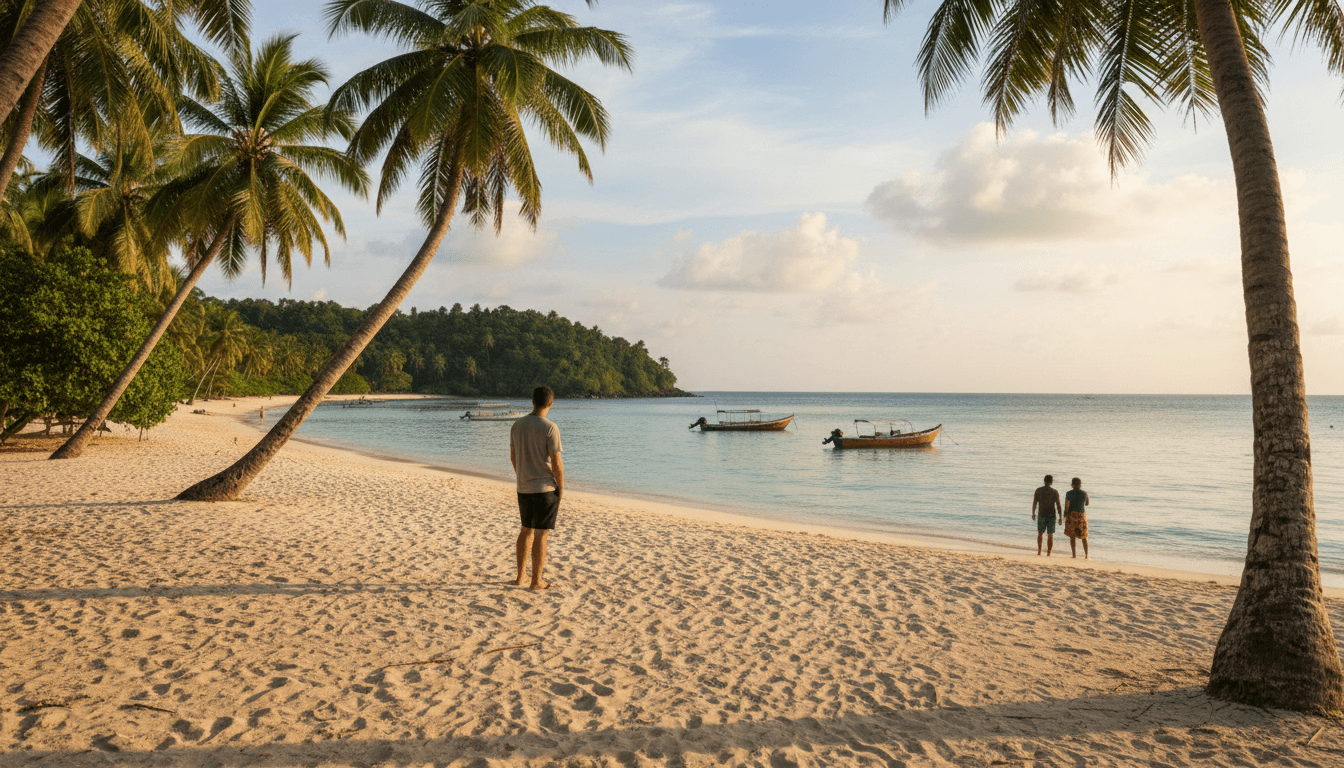
Overview of Andaman

The Andaman Islands, located in the Bay of Bengal, form the northern part of the Union Territory of Andaman and Nicobar Islands, India. For millennia, the archipelago was inhabited by indigenous hunter-gatherer populations. Over the centuries, it transformed from a strategic maritime waypoint into a notorious penal settlement under British rule, a theater of occupation during World War II, and ultimately an integral territory of sovereign India.


Chronological History

1. Indigenous Era and Pre-Colonial References

  • Ancient Inhabitants: The islands have been home to indigenous Negrito peoples—including the Great Andamanese, Onge, Jarawa, and Sentinelese—for tens of thousands of years. They lived in complete isolation from the mainland, preserving Paleolithic-era cultural practices.
  • Early Maritime Records:
    • The Greco-Roman geographer Claudius Ptolemy (2nd century CE) documented the islands as Agathodaemonis.
    • The Chinese Buddhist traveler I-Tsing (7th century) and Arab sailors (9th century) made note of the islands.
    • Venetian explorer Marco Polo visited the region in the late 13th century, referring to the islands as Angamanian.
  • Chola Dynasty (11th Century): The Chola Emperor Rajendra Chola I utilized the Andaman and Nicobar Islands as a forward strategic naval base during his maritime expedition against the Srivijaya Empire (modern-day Indonesia and Malaysia) in 1025 CE. In Chola inscriptions, the islands were referred to as Timaittivu ("Islands of Impurity").
  • Maratha Influence (18th Century): In the early 18th century, Admiral Kanhoji Angre of the Maratha Navy used the islands as a base to counter European colonial fleets.

2. Early British Settlement (1789–1796)

  • First Settlement: In 1788, the Governor-General of India, Lord Cornwallis, commissioned Lieutenant Archibald Blair of the British East India Company to survey the islands.
  • In 1789, Blair founded the first British settlement on Chatham Island in South Andaman, naming it Port Blair.
  • In 1792, the settlement was moved to the northeast (Port Cornwallis, near modern Diglipur). Due to rampant tropical disease and high mortality, the British abandoned the outpost entirely in 1796.

3. Re-establishment and Penal Colony (1858–1939)

  • Aftermath of the 1857 Rebellion: Following the Indian Rebellion of 1857 (First War of Indian Independence), the British government sought a remote, inescapable location to exile political dissidents and mutineers.
  • Return to Port Blair (1858): In March 1858, Dr. James Pattison Walker arrived with an expeditionary force and 200 prisoners, officially establishing the penal colony.
  • Battle of Aberdeen (1859): On May 17, 1859, indigenous Great Andamanese warriors launched a coordinated assault against the British settlement at Aberdeen. The British, forewarned by an escaped convict named Dudhnath Tewari, repelled the attack, resulting in heavy indigenous casualties and accelerating the decline of native populations due to conflict and introduced diseases.
  • Assassination of Viceroy Lord Mayo (1872): On February 8, 1872, Lord Mayo, the Viceroy and Governor-General of India, was assassinated while inspecting the penal settlement at Hope Town (Mount Harriet) by an Afghan convict, Sher Ali Afridi. Mayo is the only British Viceroy of India to have been assassinated.
  • Cellular Jail Construction (1896–1906): In response to prisoner unrest and the need for stricter solitary confinement, construction began on the Cellular Jail in Port Blair. Completed in 1906, it earned the name Kala Pani ("Black Water") and held numerous prominent Indian freedom fighters.

4. World War II and Azad Hind Rule (1942–1945)

  • Japanese Occupation: On March 23, 1942, Imperial Japanese forces invaded and occupied the Andaman Islands. Ross Island and Port Blair became Japanese garrisons.
  • Azad Hind Government: On December 29, 1943, Netaji Subhas Chandra Bose arrived in Port Blair. The following day, December 30, 1943, Bose hoisted the Indian National Flag at the Gymkhana Ground, marking the first Indian territory liberated from British control. He designated the Andaman and Nicobar Islands as Shaheed (Martyr) and Swaraj (Self-Rule) Islands, respectively.
  • Occupation Hardships: Japanese administration was characterized by severe civilian repression, forced labor, food scarcity, and torture of suspected spies. On January 30, 1944, 44 civilians suspected of espionage were executed in the Homfreyganj massacre.
  • British Re-occupation: Allied forces reclaimed the islands on October 7, 1945, formally ending Japanese control and abolishing the penal settlement.

5. Post-Independence Era (1947–Present)

  • Integration with India: Upon India's independence in 1947, the Andaman Islands became part of the Republic of India and were designated a Union Territory in 1956.
  • Settlement and Modernization: Displaced persons from East Pakistan (now Bangladesh) were resettled across South, Middle, and North Andaman under the Rehabilitation Scheme in the 1950s. Communities from Tamil Nadu, Kerala, Andhra Pradesh, and West Bengal also migrated to the islands.
  • 2004 Tsunami: On December 26, 2004, a massive undersea megathrust earthquake triggered an Indian Ocean tsunami that devastated coastal areas, significantly altering the geography of several islands.

Significant Historical Figures

  • Lieutenant Archibald Blair: British naval surveyor who mapped the archipelago in 1788–1789 and founded the first settlement.
  • Dr. James Pattison Walker: Superintendent who established the permanent penal colony at Port Blair in 1858.
  • Sher Ali Afridi: The Pathan convict who assassinated Viceroy Lord Mayo in 1872.
  • Vinayak Damodar (Veer) Savarkar: Indian freedom fighter incarcerated in Cellular Jail from 1911 to 1921; his brother Ganesh Savarkar was also held there.
  • Batukeshwar Dutt: Revolutionary and associate of Bhagat Singh; exiled to the Cellular Jail for his role in the 1929 Central Legislative Assembly bombing.
  • Netaji Subhas Chandra Bose: Leader of the Provisional Government of Free India (Azad Hind), who proclaimed Indian sovereignty over the islands in 1943.

Important Landmarks

  • Cellular Jail National Memorial (Port Blair): Built with seven wings radiating from a central watchtower, it contained 696 solitary cells designed to prevent prisoner communication. Today, three surviving wings house a museum, gallery, and national memorial.
  • Netaji Subhash Chandra Bose Dweep (formerly Ross Island): The administrative headquarters of the British settlement until 1941, featuring ruins of colonial bungalows, a church, a ballroom, and Japanese wartime bunkers, now reclaimed by nature.
  • Viper Island: The site of the first jail built prior to the Cellular Jail, as well as the gallows where British authorities executed political rebels and unruly convicts.
  • Chatham Saw Mill (Chatham Island): Established in 1883 by the British, it is one of the oldest and largest wood processing mills in Asia. It was bombed by Allied planes during the Japanese occupation in World War II.
  • Mount Manipur (formerly Mount Harriet): The second-highest peak in South Andaman, used as the summer headquarters of the British Chief Commissioner. It is adjacent to Hope Town, the site of Lord Mayo's assassination.
  • Flag Point (Port Blair): The waterfront site where Subhas Chandra Bose hoisted the Indian Tricolour on December 30, 1943.
  • Homfreyganj Memorial: A memorial located in South Andaman dedicated to the 44 Indian civilians executed by the Imperial Japanese military in January 1944.