Chubut
State · Argentina

Chubut

Chubut, Argentina

Dive into the Wild Beauty of Chubut, Argentina Craving dramatic landscapes, incredible wildlife encounters, and a taste of authentic Patagonia? Look…

#Patagonia#Coastal#Mountainous#Welsh influence#Wildlife

Explore Chubut

Top cities in Chubut

Pick a city to open its guide.

See it for yourself

Location videos

Reels and longer watches.

Watch & explore

Good to know

Practical info

Weather, costs and getting around.

Chubut, Argentina Open in Google Maps
Currency
$ | ARS | Argentine Peso
Population
0.6 million
Languages
Spanish mainly · Welsh
Also known as
Provincia del Chubut, Territorio Nacional de Chubut, Territorio del Chubut

Know before you go

Local guide

A deeper read on Chubut.

What people love

Chubut is a province located in the southern region of Argentina, known for its stunning natural beauty and unique attractions. Here are some pros of traveling to Chubut:

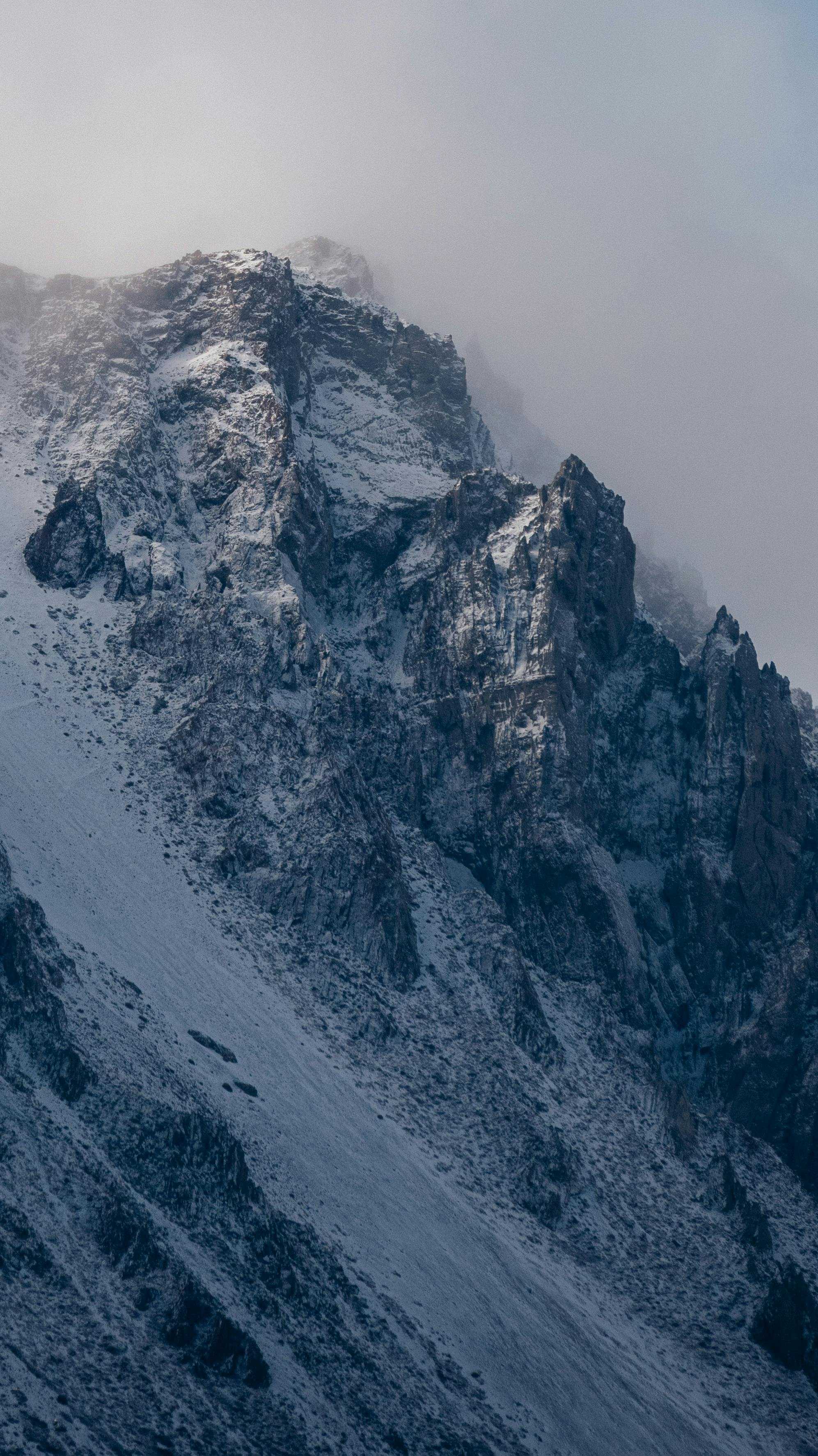
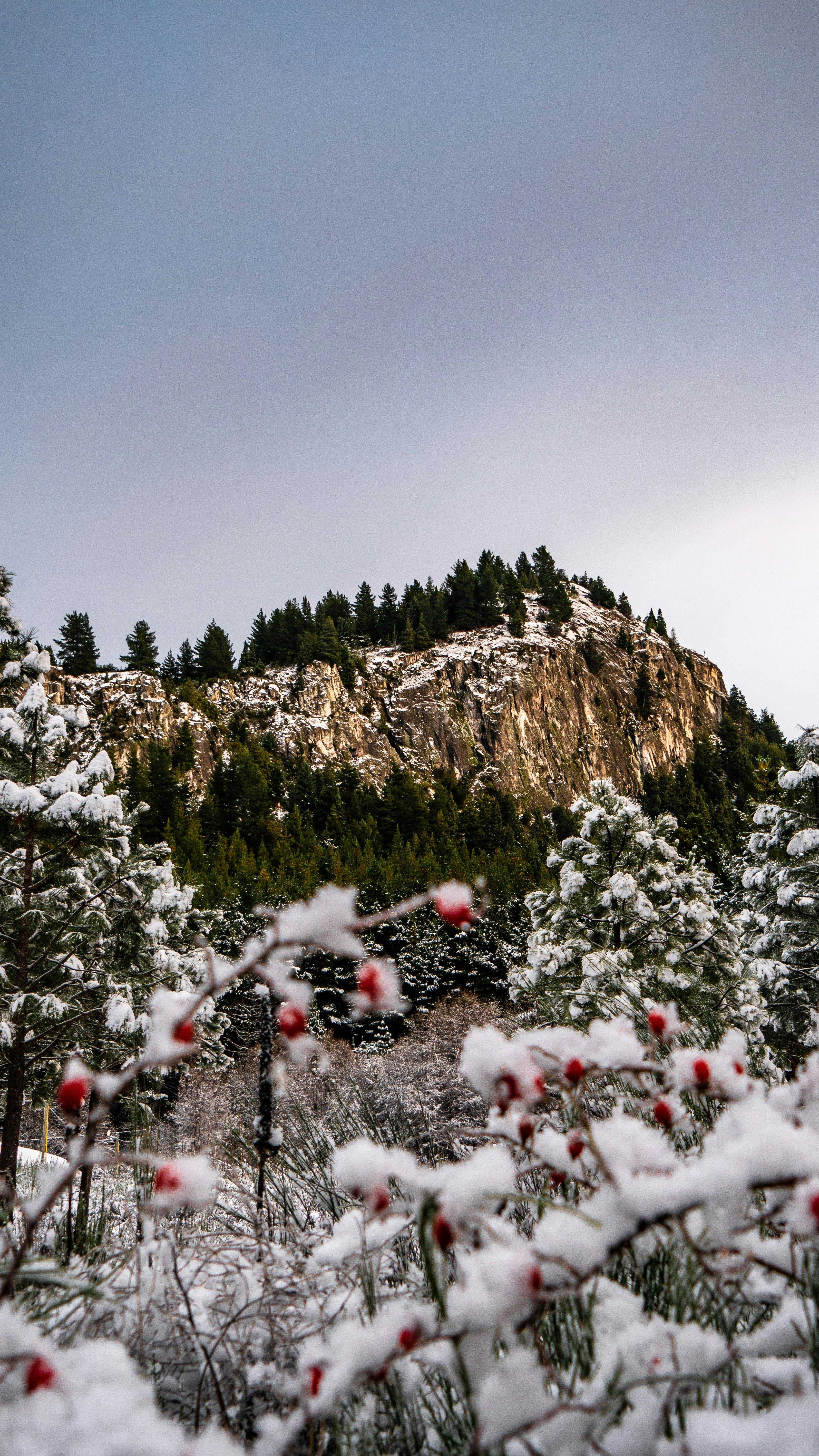
  1. Scenic Landscapes: Chubut boasts diverse landscapes, including rugged mountains, pristine lakes, and picturesque coastline. Visitors can enjoy breathtaking views and outdoor activities such as hiking, fishing, and wildlife watching.

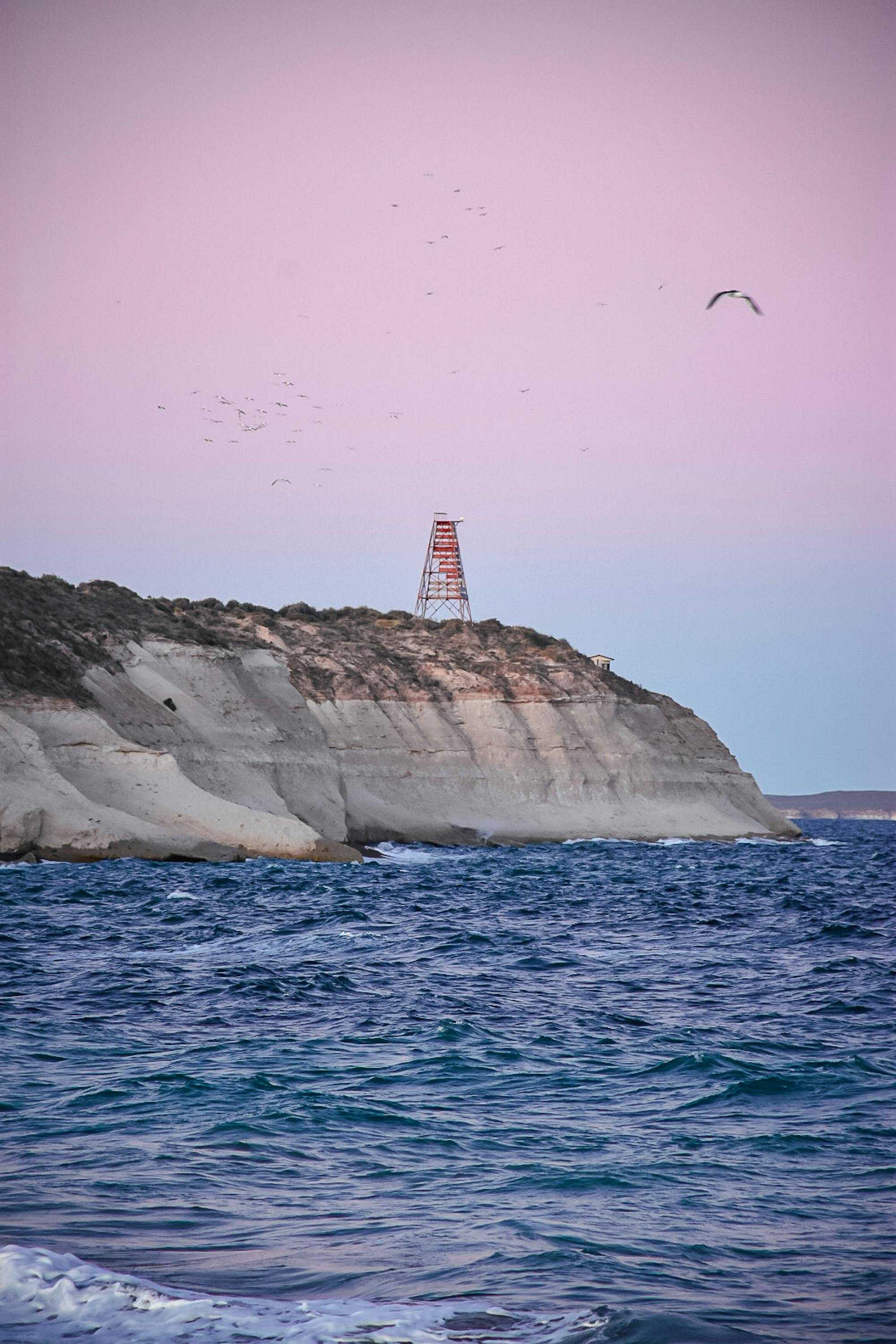
  2. Whale Watching: The coastal areas of Chubut, such as Puerto Madryn and Peninsula Valdes, are prime spots for whale watching. Southern right whales visit these waters from June to December, providing an unforgettable experience for visitors.

  3. Penguin Colonies: Chubut is home to several colonies of Magellanic penguins, offering a unique opportunity to observe these adorable creatures up close in their natural habitat.

  4. Welsh Heritage: The province has a strong Welsh influence, with towns like Gaiman and Trelew showcasing Welsh traditions, architecture, and cuisine. Visitors can explore Welsh tea houses, museums, and cultural events.

  5. Adventure Sports: Chubut is a paradise for adventure enthusiasts, with opportunities for activities like kayaking, rafting, mountain biking, and horseback riding. The diverse terrain provides a playground for thrill-seekers.

  6. Welcoming Locals: Travelers to Chubut often praise the warmth and hospitality of the local people. Visitors can engage with the friendly residents, learn about their customs, and immerse themselves in the local culture.

Overall, traveling to Chubut offers a unique blend of natural beauty, wildlife encounters, cultural experiences, and outdoor adventures, making it a compelling destination for those seeking an authentic Argentinean experience.

What to know

Chubut is a province located in the Patagonia region of Argentina, known for its stunning landscapes, wildlife, and outdoor activities. However, there are a few potential cons to consider when traveling to Chubut:

  1. Remote location: Chubut is a remote area in Argentina, which means that access to certain amenities, services, and infrastructure may be limited compared to more urban areas. This could potentially lead to challenges such as longer travel times, limited access to medical facilities, and fewer dining and shopping options.

  2. Harsh climate: The climate in Chubut can be harsh, with cold winters and hot summers. Depending on the time of year you visit, you may need to prepare for extreme weather conditions, including strong winds and sudden temperature changes.

  3. Language barrier: While Spanish is the official language in Argentina, English may not be as widely spoken in more remote areas like Chubut. This could potentially pose a challenge for travelers who do not speak Spanish fluently.

  4. Limited tourist infrastructure: Chubut is not as heavily touristed as other regions in Argentina, which means that the tourist infrastructure may be less developed. Accommodation options, tour operators, and transportation services may be limited, especially in more remote areas of the province.

Overall, while Chubut offers unique natural beauty and outdoor experiences, travelers should be prepared for the potential challenges that come with visiting a more remote and less developed region.

Chubut is a province located in the southern part of Argentina, within the region known as Patagonia. Its history is marked by the interactions and contributions of indigenous peoples, European settlers, and significant economic developments.

Indigenous History

Before the arrival of Europeans, the region was inhabited by indigenous peoples such as the Tehuelche. These groups were nomadic, relying on hunting and gathering in the vast Patagonian steppe.

European Exploration and Settlement

  • 1520: The first European to reach the region was Ferdinand Magellan, who sailed along the coast.
  • 1778: The Spanish established a presence in the area, but it wasn't until the late 19th century that settlement became more permanent.

Welsh Settlement

One of the most significant events in Chubut's history was the arrival of Welsh settlers:

  • 1865: A group of Welsh settlers arrived on the ship Mimosa, landing at what is now Puerto Madryn. This was part of an effort to establish a Welsh-speaking colony in the Americas.
  • The settlers moved inland and established the town of Rawson, which later became the provincial capital.
  • Over time, the settlers developed irrigation systems along the Chubut River, which enabled agriculture in the region.

Economic Development

  • Early 20th Century: The province saw significant development in agriculture, particularly sheep farming, which remains an important part of the local economy.
  • Petroleum and Mining: The discovery of petroleum in the early 20th century at Comodoro Rivadavia marked a shift in the economic landscape, turning the city into an important industrial hub.
  • Tourism: With natural attractions such as the Valdés Peninsula, a UNESCO World Heritage Site known for its marine life, tourism has become an important economic sector.

Political and Social Developments

  • Throughout the 20th century, Chubut experienced the same political upheavals that affected the rest of Argentina, including military coups and the return to democracy in the 1980s.
  • The province has been involved in disputes over natural resource management, particularly concerning mining and oil extraction.

Notable Figures

  • Luis Jorge Fontana: An explorer and the first governor of Chubut, he played a crucial role in the development of the region.
  • Julio Argentino Roca: Although controversial, his policies paved the way for the settlement of Patagonia, including Chubut, during the late 19th century.

Important Landmarks

  • Valdés Peninsula: Known for its biodiversity, including whales, sea lions, and penguins.
  • Punta Tombo: Home to one of the largest colonies of Magellanic penguins.
  • Trelew: A city with a rich Welsh heritage, featuring historical buildings and the Museo Paleontológico Egidio Feruglio, renowned for its fossil collections.
  • Gaiman: Known for its Welsh tea houses and cultural festivals celebrating Welsh traditions.

Chubut's history reflects a blend of indigenous heritage, European settlement, and the development of natural resources, all contributing to its unique cultural and economic landscape.