Argentina
· AR

Argentina

Argentina

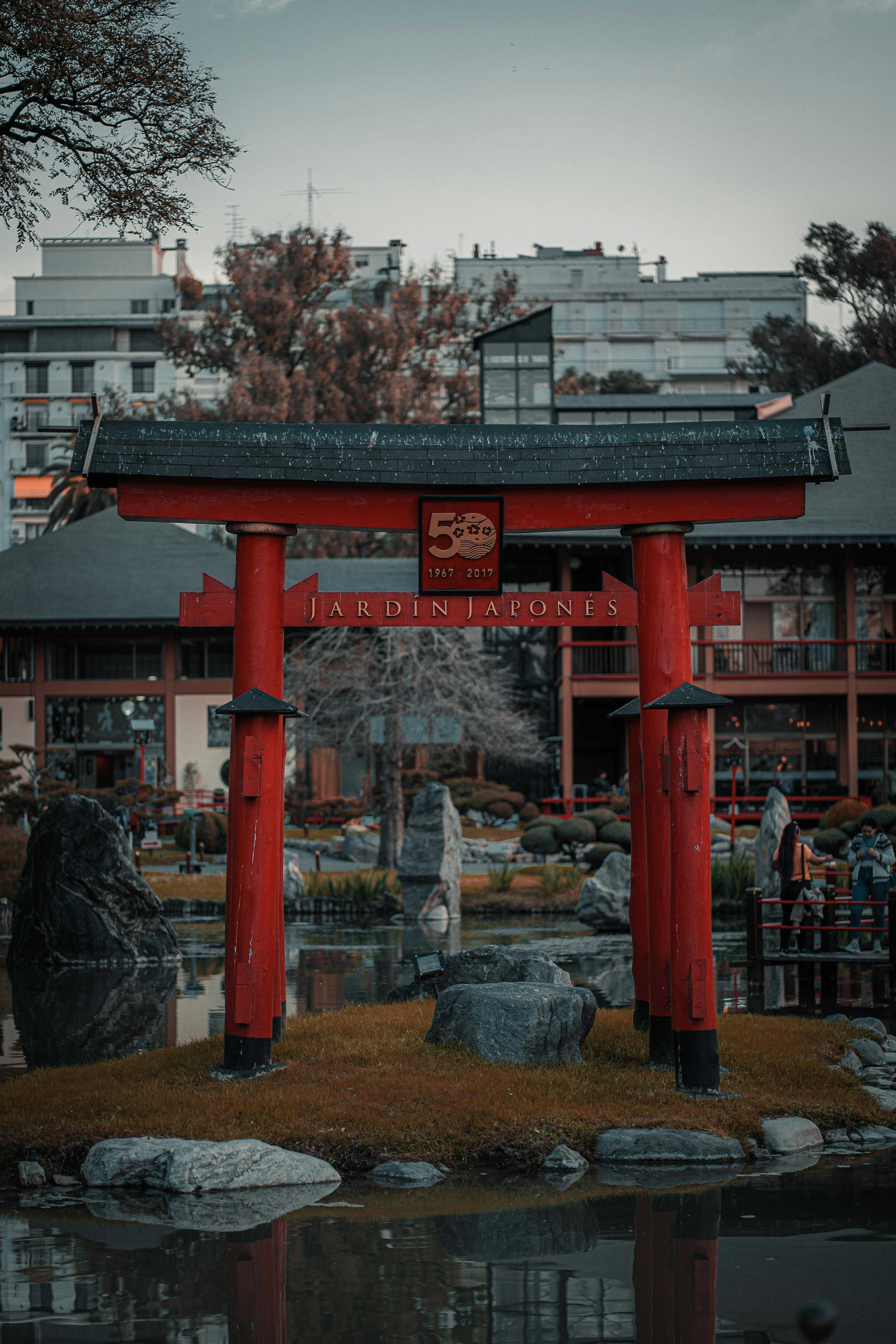
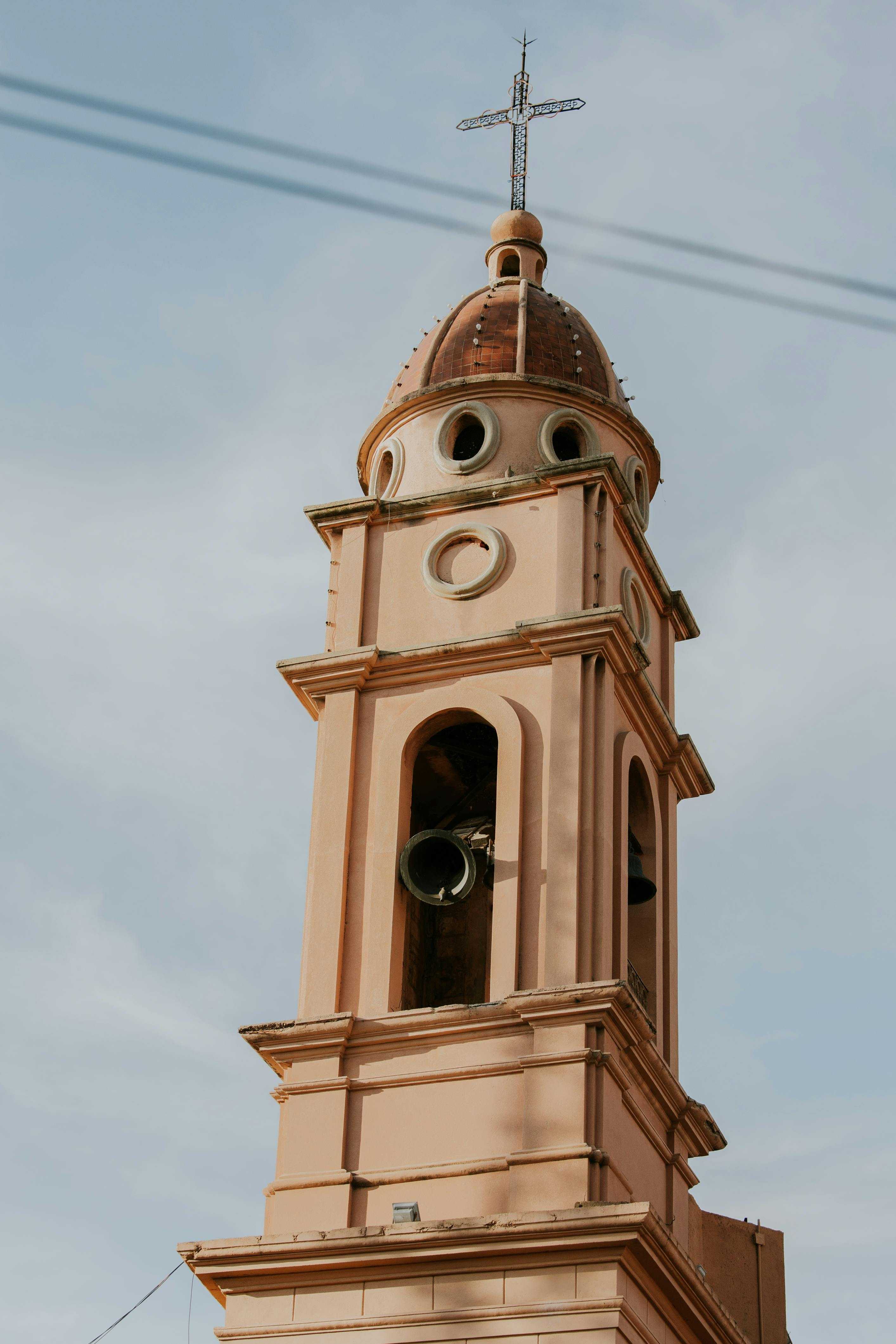
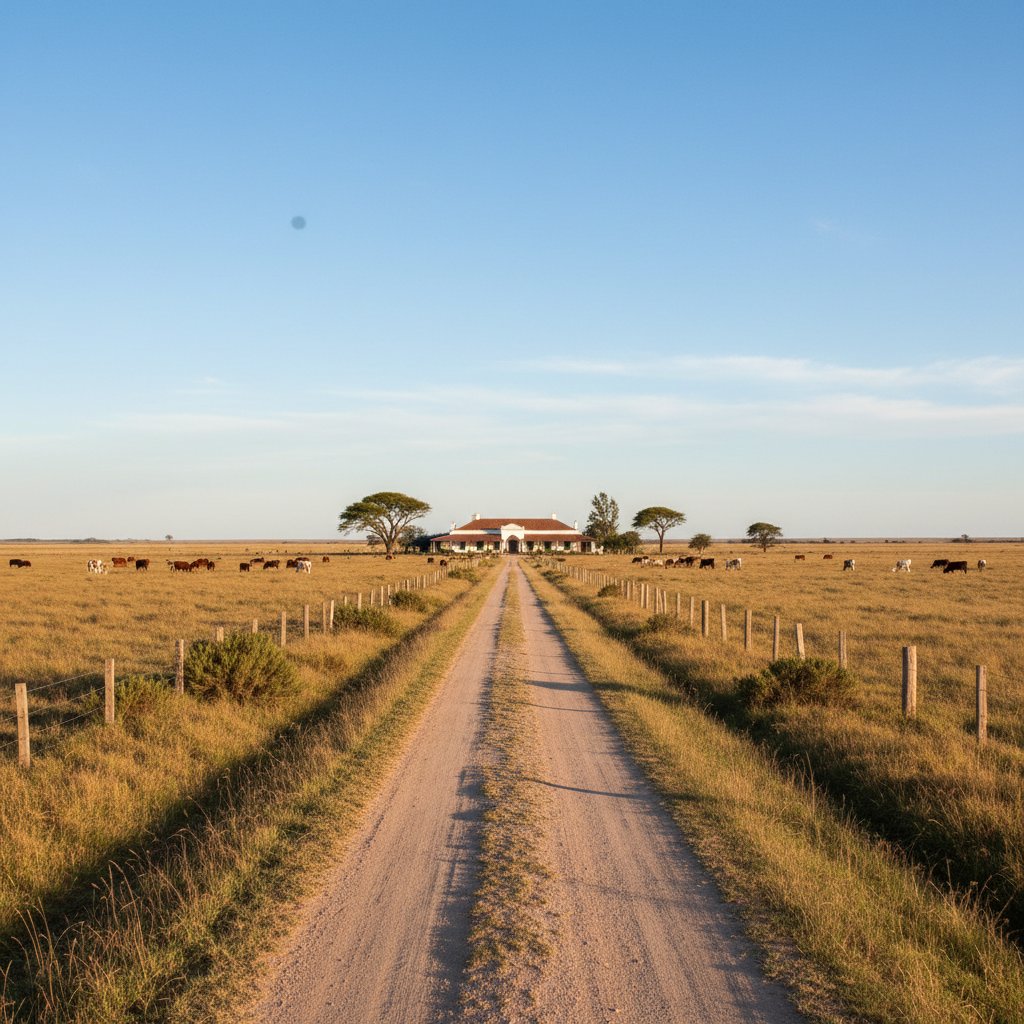
Argentina, a South American nation with breathtaking landscapes, vibrant culture, and a rich history, offers an unforgettable travel experience. From the majestic Andes Mountains in the west to the glaciers of Patagonia …

#South America#Spanish-speaking#Tango#Pampas region#Andes mountains
1/3

Top hotels & flights

Hand-picked stays and the best fares into Argentina.

Top Hotels in Buenos Aires

Top Flights to Buenos Aires

Popular activities

Tours, tickets and experiences travelers book most in Argentina.

Tours

Explore Iguazu Falls

Visit one of the most stunning natural wonders of the world located in the Iguazu National Park.

Mendoza Wine Tasting

Experience the world-famous wine region of Mendoza with tours of its renowned vineyards.

Sightseeing in Buenos Aires

Explore the vibrant city of Buenos Aires, known for its rich culture and historical landmarks.

Shopping

Shopping at Recoleta

Explore luxury and local boutiques in one of Buenos Aires' most prestigious neighborhoods.

Outdoor

Trek in Patagonia

Adventure through the wild and rugged landscapes of Patagonia.

Location videos

Real reels from travelers, plus longer watches to get the full picture.

From travelers
Watch & explore

Practical info

The essentials for planning your time in Argentina.

Currency
$ | ARS | Argentine Peso
Population
45.4 million
Languages
Spanish, Spanish
Average weather
Argentina
Jan
hot
30°18°
Feb
hot
28°17°
Mar
sun
26°15°
Apr
cloud
22°12°
May
cloud
18°8°
Jun
cold
15°5°
Jul
cold
14°4°
Aug
clear
17°6°
Sep
clear
20°8°
Oct
sun
23°11°
Nov
sun
26°14°
Dec
hot
29°17°

Local guide

What travelers love, what to watch for, and a deeper read on Argentina.

What people love

Argentina is a diverse and beautiful country with a wide range of attractions that make it a popular travel destination. Some of the pros of traveling to Argentina include:

  1. Natural Beauty: Argentina is home to stunning natural landscapes, including the Andes Mountains, the Pampas grasslands, the Iguazu Falls, and the breathtaking glaciers of Patagonia.

  2. Cultural Richness: Argentina has a vibrant cultural scene, with a strong emphasis on music, dance (such as Tango), literature, and art. Visitors can immerse themselves in the local culture by attending a traditional folk music concert, visiting art galleries, or exploring historic sites.

  3. Delicious Cuisine: Argentina is known for its delicious cuisine, with famous dishes such as empanadas, asado (barbecue), and dulce de leche. Wine lovers will also appreciate the country's world-renowned Malbec wines.

  4. Outdoor Activities: Argentina offers a wide range of outdoor activities for adventure enthusiasts, such as hiking, skiing, horseback riding, and fishing. The country's diverse landscapes provide ample opportunities for outdoor exploration.

  5. Affordability: Compared to other popular travel destinations, Argentina can be more affordable for travelers, offering good value for money on accommodations, dining, and activities.

  6. Friendly Locals: Argentineans are known for their warmth and hospitality, making visitors feel welcome and at home during their stay.

Overall, traveling to Argentina can be a rewarding experience for those seeking a mix of natural beauty, cultural richness, and adventure opportunities.

What to know

Some potential cons of traveling to Argentina include:

  1. Inflation: Argentina has a history of high inflation rates, which can impact the cost of goods and services for travelers.

  2. Safety concerns: Like any other country, Argentina has areas with higher crime rates, especially in big cities like Buenos Aires. It is important for travelers to be cautious and aware of their surroundings.

  3. Language barrier: While many Argentinians speak English, the primary language is Spanish. Travelers who do not speak Spanish may encounter communication challenges in certain areas.

  4. Long distances: Argentina is a large country, so traveling between cities can be time-consuming and expensive. Domestic flights are available but can add to the overall cost of the trip.

  5. Political instability: Argentina has experienced periods of political unrest and economic instability in the past, which can impact travelers in terms of safety and access to services.

It's important to note that these are general considerations and may not apply to every traveler's experience. It is always advisable to research and plan ahead before traveling to any destination.

Argentina, officially known as the Argentine Republic, is a diverse country located in South America. Its capital is Buenos Aires. The history of Argentina is rich and complex, with a timeline spanning thousands of years.

Pre-Columbian Era:

  • The earliest known inhabitants of the region were indigenous peoples such as the Diaguita, Guarani, and Quechua.
  • The Inca Empire extended its influence into present-day Argentina, particularly in the northwest region.

Spanish Colonization:

  • Argentina was first explored by Spanish navigators in the early 16th century.
  • In 1776, the Viceroyalty of the Rio de la Plata was established, with Buenos Aires as its capital.
  • The region became an important commercial hub for the Spanish Empire due to its strategic location.

Independence and Nation-Building:

  • On May 25, 1810, the May Revolution in Buenos Aires marked the beginning of the Argentine War of Independence against Spanish rule.
  • Revolutionary leader General José de San Martín played a crucial role in the independence movement, leading military campaigns across South America.
  • Argentina formally declared its independence from Spain on July 9, 1816, with the signing of the Independence Act in Tucumán.
  • The country went through a period of internal conflict and civil wars before achieving political stability.

Modern Argentina:

  • The late 19th and early 20th centuries saw a massive wave of European immigration to Argentina, shaping the country's demographic and cultural landscape.
  • The presidency of Juan Domingo Perón in the mid-20th century had a lasting impact on Argentine politics and society.
  • Argentina experienced periods of political instability, military coups, and economic crises throughout the 20th century.
  • The Falklands War in 1982 between Argentina and the United Kingdom resulted in a decisive British victory.

Landmarks and Cultural Heritage:

  • The Plaza de Mayo in Buenos Aires is a historic square that has been the site of many key events in Argentine history.
  • The Casa Rosada, or Pink House, is the official presidential residence and workplace in Buenos Aires.
  • The Iguazú Falls, located on the border between Argentina and Brazil, are one of the most breathtaking natural wonders in the world.
  • The Perito Moreno Glacier in Patagonia is another iconic landmark, known for its size and stunning beauty.

Argentina's history is a tapestry of indigenous heritage, colonial influences, and modern developments. The country's vibrant culture, diverse landscapes, and tumultuous past have all contributed to shaping its identity as a nation.