Central
State · Ghana

Central

Central, Ghana

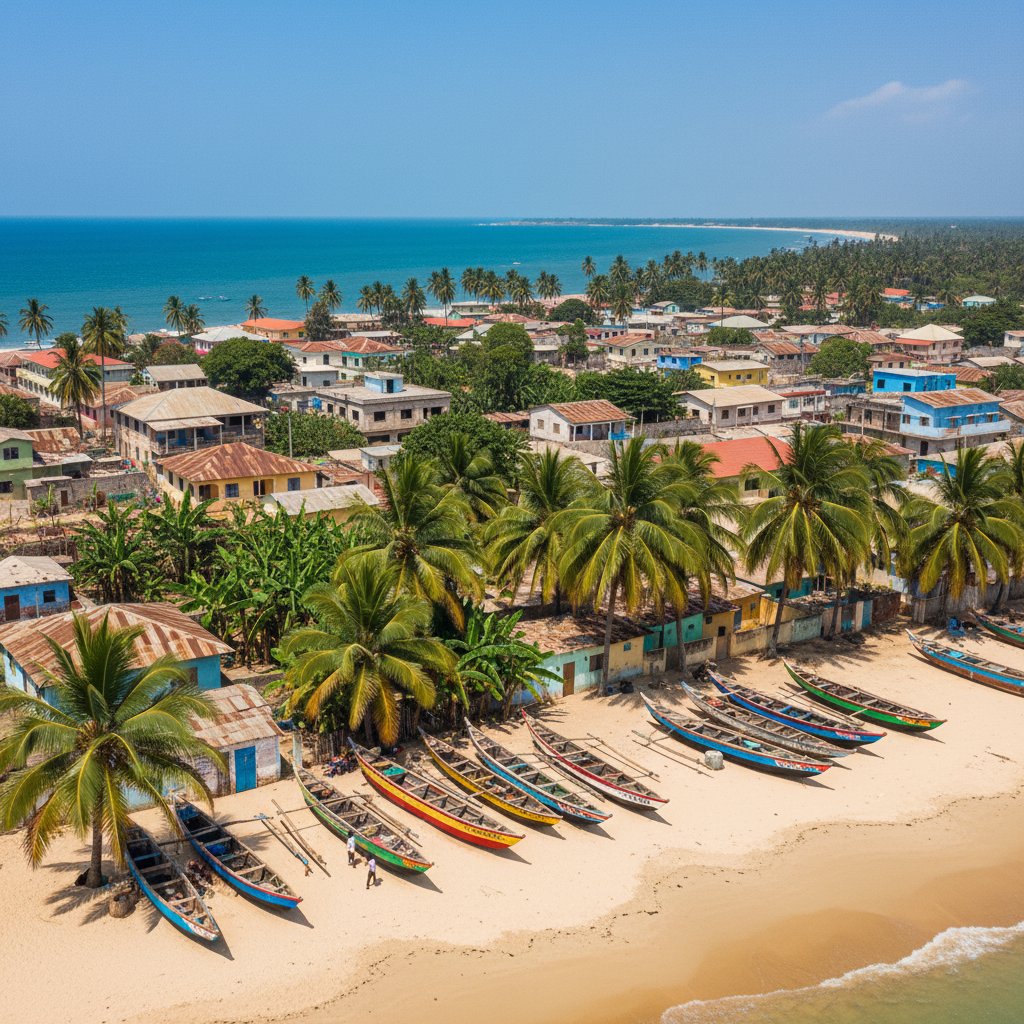
The Central Region is the historical and cultural heartbeat of Ghana, offering a profound journey into the past alongside stunning natural…

#Central Region#Ghana#Historical sites#Cultural events#Local cuisine

Explore Central

Top cities in Central

Pick a city to open its guide.

See it for yourself

Location videos

Reels and longer watches.

Featured for Central

Traveller clips picked out for this place.

Watch & explore

Good to know

Practical info

Weather, costs and getting around.

Central, Ghana Open in Google Maps
Currency
GH₵ | GHS | Ghanaian Cedi Central Region, Ghana
Population
2,859,821 (2021)
Density
291 / km²
Local time
Languages
English mainly · Cantonese, Fante, Twi
Budget / day
GH₵350 - GH₵1500
Also known as
Central Area, Ghana, Central Municipality, Ghana, Central Region, Ghana, Central District, Ghana

Know before you go

Local guide

A deeper read on Central.

What people love

The Central Region offers an unparalleled mix of profound history, vibrant culture, and natural beauty. It is home to the deeply moving Cape Coast and Elmina Castles, essential for understanding the transatlantic slave trade. Nature lovers can explore the thrilling canopy walkway at Kakum National Park or relax on beautiful, uncrowded beaches. The region is highly accessible from Accra and boasts a welcoming atmosphere, rich Fante traditions, and delicious coastal cuisine, making it a well-rounded and educational destination.

What to know

While the Central Region is rich in history and culture, its infrastructure can be lacking in some areas, with occasional power outages and unpaved roads outside major towns. The emotional weight of visiting the slave castles can be overwhelming for some travelers. Additionally, the nightlife and high-end dining options are relatively limited compared to the capital, Accra. Visitors may also encounter persistent vendors and unofficial guides around major tourist sites, which can sometimes feel intrusive.

The Central Region of Ghana holds a profoundly significant and often somber place in both African and global history. Long before the arrival of Europeans, the area was inhabited by various Akan groups, primarily the Fante people, who established complex societies, trade networks, and powerful chiefdoms. These coastal communities thrived on fishing, agriculture, and trade with inland empires, exchanging salt and fish for gold and forest products.

The historical trajectory of the region shifted dramatically in the late fifteenth century with the arrival of Portuguese explorers. In 1482, the Portuguese constructed Elmina Castle, originally known as São Jorge da Mina, which stands as the oldest European building in existence south of the Sahara. Initially established to protect the lucrative gold trade, the castle and the surrounding region soon became the epicenter of a much darker enterprise: the transatlantic slave trade. Over the centuries, control of the region's coastal forts changed hands among various European powers, including the Dutch, British, Swedes, and Danes, all vying for dominance over the highly profitable trade routes.

Cape Coast Castle, another monumental fortress in the region, was built by the Swedish in the 1650s and later conquered by the British. It served as the grand emporium of the British slave trade. For centuries, countless enslaved Africans were held in the harrowing dungeons of these castles before being forced through the infamous "Door of No Return" onto ships bound for the Americas. The Central Region thus became a focal point of immense human suffering and a crucial node in the triangular trade that shaped the modern world.

In the nineteenth century, the British consolidated their power over the Gold Coast, making Cape Coast the colonial capital until it was moved to Accra in 1877. During this period, the Central Region also became the cradle of Western education in Ghana. The first Western-style schools were established here by missionaries, leading to the founding of prestigious institutions like Mfantsipim School and Wesley Girls' High School, which produced many of the nation's early nationalist leaders and intellectuals.

Following Ghana's independence in 1957, the Central Region transitioned from a colonial administrative hub to a vital cultural and educational center. Today, the region's monumental castles and forts are recognized as UNESCO World Heritage sites, drawing diaspora Africans and global travelers seeking to understand and honor this tragic chapter of human history. The Central Region remains a poignant testament to resilience, serving as a bridge between Ghana's rich pre-colonial heritage, its painful colonial past, and its vibrant, forward-looking present.

Traveler ratings

How Central rates

From verified Travafa trips.

4.3
Very good
Based on 2 ratings
Things to Do
4.5
Accommodation Quality
3.3
Local Transportation
3.0
Safety
3.8
Scenic Beauty
4.5
Shopping
2.8
Friendliness of People
4.8
Cleanliness
3.5
Value for Money
4.0
Internet Connectivity
3.0
Good for
50%
Friends
100%
Family
100%
Couple
50%
Solo
0%
Pets

Who is Central for?

By the travellers who rated it on Travafa. Each page states the places, months and budget for that kind of trip.