
Casablanca-Settat
· MA

Casablanca-Settat

Casablanca-Settat, Morocco

Dive into the Heart of Morocco: Casablanca-Settat Awaits Casablanca-Settat, a region pulsating with life, invites you to experience the true essence of Morocco. More than just the backdrop of a classic film, Casablanca-…

#Casablanca-Settat#Morocco#Coastal city#Economic hub#Cultural diversity
1/4

Top hotels & flights

Hand-picked stays and the best fares into Casablanca-Settat.

Top Hotels in Casablanca-Settat

Top Flights to Casablanca-Settat

Practical info

The essentials for planning your time in Casablanca-Settat.

Currency
MAD | MAD | Moroccan Dirham
Population
The approximate estimated total population of Casablanca-Settat, Morocco is around 7.4 million.
Languages
Arabic, Arabic, French, Berber

Local guide

What travelers love, what to watch for, and a deeper read on Casablanca-Settat.

What people love

Casablanca-Settat is a region in Morocco known for its rich culture, history, and diverse landscapes. Traveling to Casablanca-Settat can offer visitors a unique and memorable experience. Here are some pros of traveling to Casablanca-Settat:

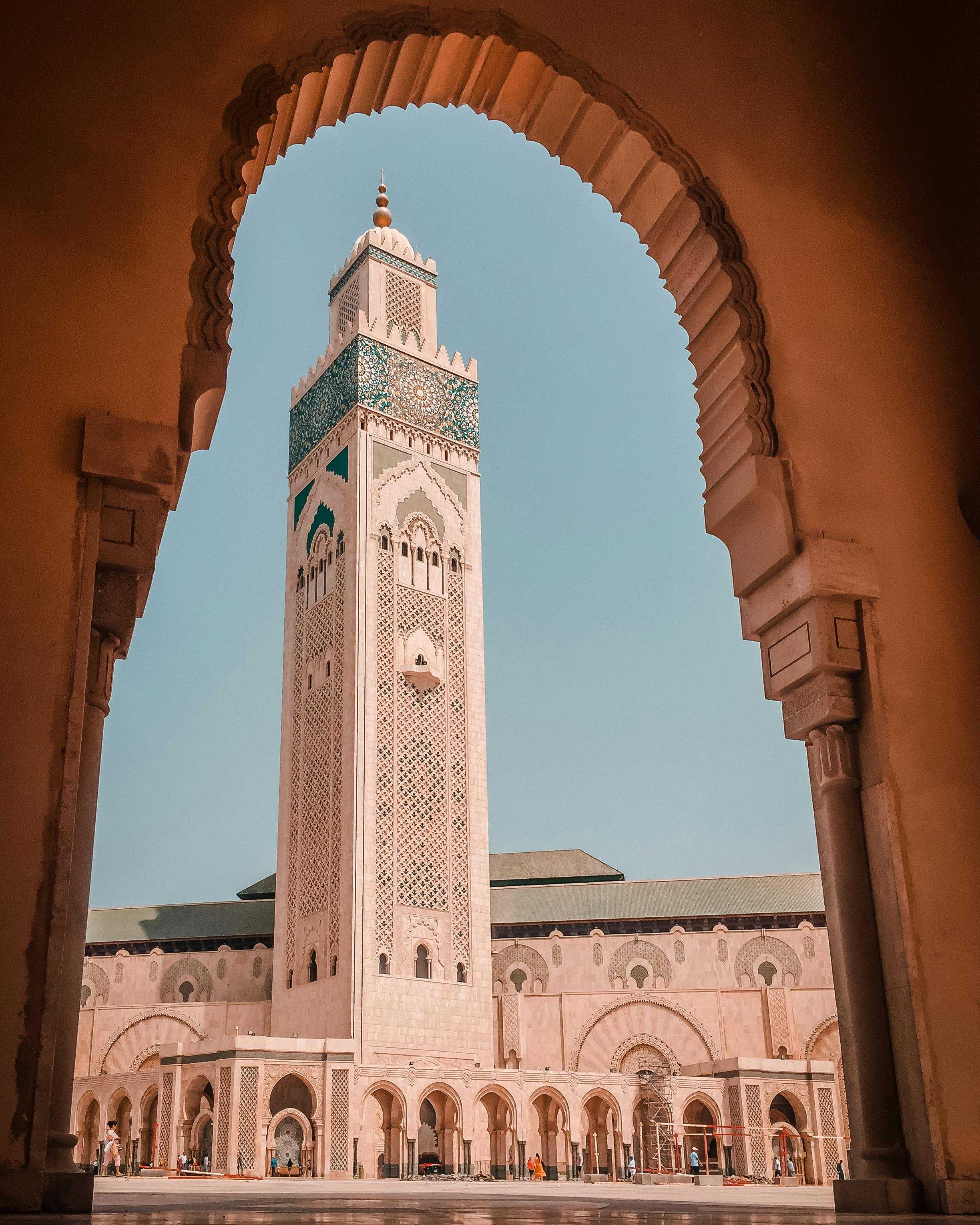
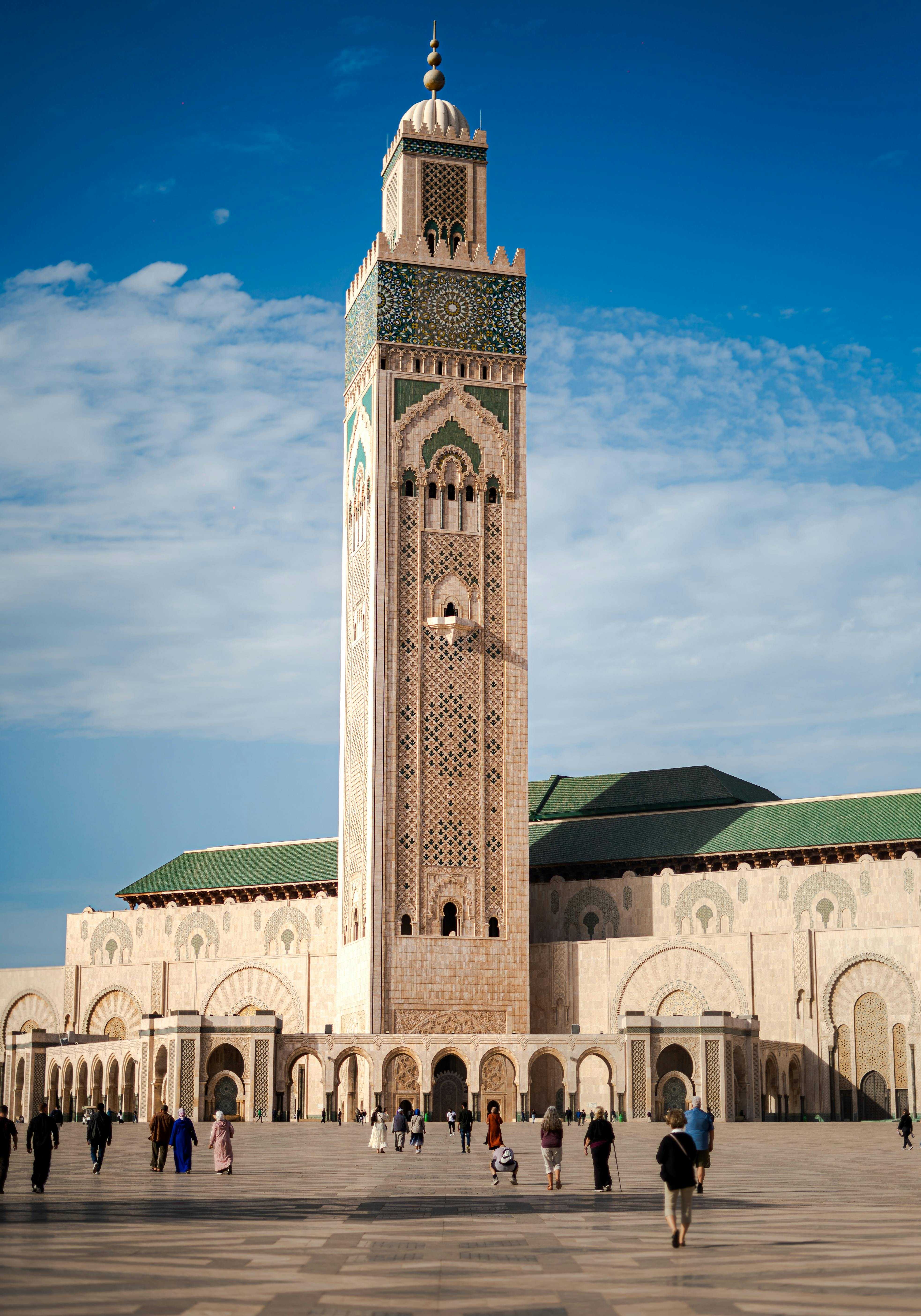
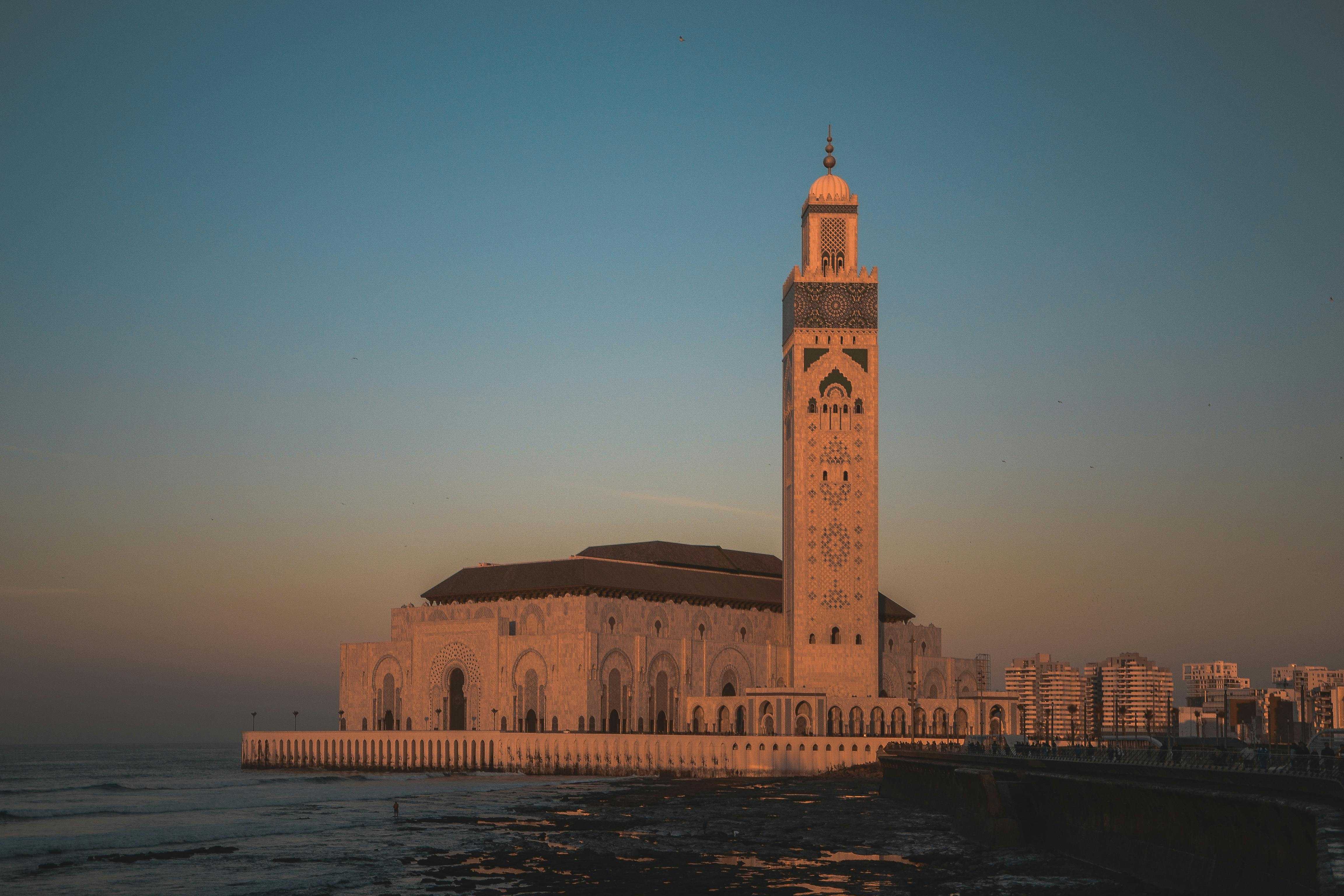
  1. Casablanca: As the largest city in Morocco and one of the most cosmopolitan, Casablanca offers a blend of modernity and tradition. Visitors can explore historic sites such as the Hassan II Mosque, walk along the Corniche, and experience the vibrant street life.

  2. Beach destinations: The region of Casablanca-Settat is home to beautiful beaches along the Atlantic coast, such as El Jadida, Mohammedia, and Oualidia. These beaches offer opportunities for relaxation, water sports, and enjoying fresh seafood.

  3. Cultural attractions: Casablanca-Settat has a rich cultural heritage, with museums, art galleries, and traditional markets to explore. Visitors can learn about Moroccan history, art, and craftsmanship in cities like Casablanca, Settat, and El Jadida.

  4. Gastronomy: Moroccan cuisine is renowned for its flavorful dishes and unique spices. In Casablanca-Settat, visitors can enjoy traditional Moroccan meals, street food, and seafood specialties at local restaurants and markets.

  5. Day trips: The region's central location makes it a convenient base for day trips to nearby destinations such as Marrakech, Rabat, and Essaouira. These cities offer additional cultural experiences, historical sites, and natural beauty.

Overall, traveling to Casablanca-Settat can provide a diverse and enriching experience for visitors interested in exploring Moroccan culture, history, and landscapes.

What to know

Some potential cons of traveling to Casablanca-Settat in Morocco could include:

  1. Traffic congestion: Casablanca, the largest city in Morocco and the economic capital, is known for its heavy traffic congestion which could lead to delays and frustration during your travels.

  2. High cost of living: Casablanca is one of the most expensive cities in Morocco, so travelers may find that accommodation, dining, and other expenses are higher compared to other destinations in the country.

  3. Limited tourist attractions: While Casablanca has some interesting sites such as the Hassan II Mosque and the Old Medina, it may not have as many historical or cultural attractions as other cities in Morocco like Marrakech or Fez.

  4. Language barrier: While French is widely spoken in Casablanca, English may not be as commonly understood, which could pose a challenge for travelers who do not speak French or Arabic.

  5. Safety concerns: Like any major city, Casablanca-Settat may have areas that are less safe for tourists, so travelers should exercise caution and be aware of their surroundings.

Overall, while Casablanca-Settat has its unique charms and attractions, travelers should be aware of these potential cons when planning their trip to the region.

Casablanca-Settat is a region in Morocco that includes the city of Casablanca, the largest city in Morocco, and the economic and business hub of the country. This region is located in the central-western part of Morocco and is bordered by the Atlantic Ocean to the west. Here is a detailed history of Casablanca-Settat, focusing on significant events, historical figures, and important landmarks:

Historical Background

Ancient and Medieval Periods:

  • The area around Casablanca was originally settled by the Berber people and later saw the influence of the Phoenicians and Romans.
  • During the Middle Ages, the region was known as Anfa and became a prosperous town. It was later destroyed by the Portuguese in the 15th century due to pirate activity.

Portuguese and Spanish Influence:

  • In the early 16th century, the Portuguese rebuilt Anfa and named it "Casa Branca," meaning "White House."
  • The Portuguese control was short-lived, and the town was abandoned after an earthquake in 1755.

Alaouite Dynasty:

  • In the 18th century, Sultan Mohammed ben Abdallah of the Alaouite dynasty rebuilt the city and named it "Dar el Beida," which was later translated by the Spanish as "Casablanca."

Modern History

French Protectorate:

  • In 1912, Morocco became a French Protectorate, and Casablanca was developed into a major port city. The French introduced modern urban planning and architecture, which significantly shaped the city's development.

World War II:

  • Casablanca played a significant role during World War II. It hosted the Casablanca Conference in January 1943, where Allied leaders, including U.S. President Franklin D. Roosevelt and British Prime Minister Winston Churchill, met to plan the next stages of the war.

Post-Independence:

  • After Morocco gained independence from France in 1956, Casablanca continued to grow and became the economic capital of the country.

Significant Events and Figures

  • Casablanca Conference (1943): A pivotal meeting during WWII that brought together Allied leaders to strategize the war effort.
  • King Mohammed V: The Sultan during the French Protectorate who played a crucial role in Morocco's path to independence.

Important Landmarks

  • Hassan II Mosque: One of the largest mosques in the world, completed in 1993. It stands partly over the Atlantic Ocean and is noted for its stunning architectural design.
  • Casablanca Cathedral: Also known as the Church of the Sacred Heart, this is a former Roman Catholic church that is now a cultural center.
  • Old Medina: The historic part of Casablanca, which retains elements of its medieval past.
  • Royal Palace of Casablanca: The official residence of the King of Morocco when he is in the city.

Economic and Cultural Development

  • Casablanca-Settat is the leading region in Morocco in terms of economic output. It hosts the largest industrial zone in the country and is a center for finance, commerce, and international trade.
  • The region is also a cultural hub, with numerous theaters, galleries, and cultural institutions.

Settat

  • Settat is a city within the Casablanca-Settat region, known for its agricultural significance and as a transport link between northern and southern Morocco.

Conclusion

Casablanca-Settat is a region with a rich and diverse history, marked by its strategic location and economic importance. Its blend of historical and modern influences makes it a unique area of Morocco with a significant impact on the country's development.