
Cagayan
· PH

Cagayan

Cagayan, Philippines

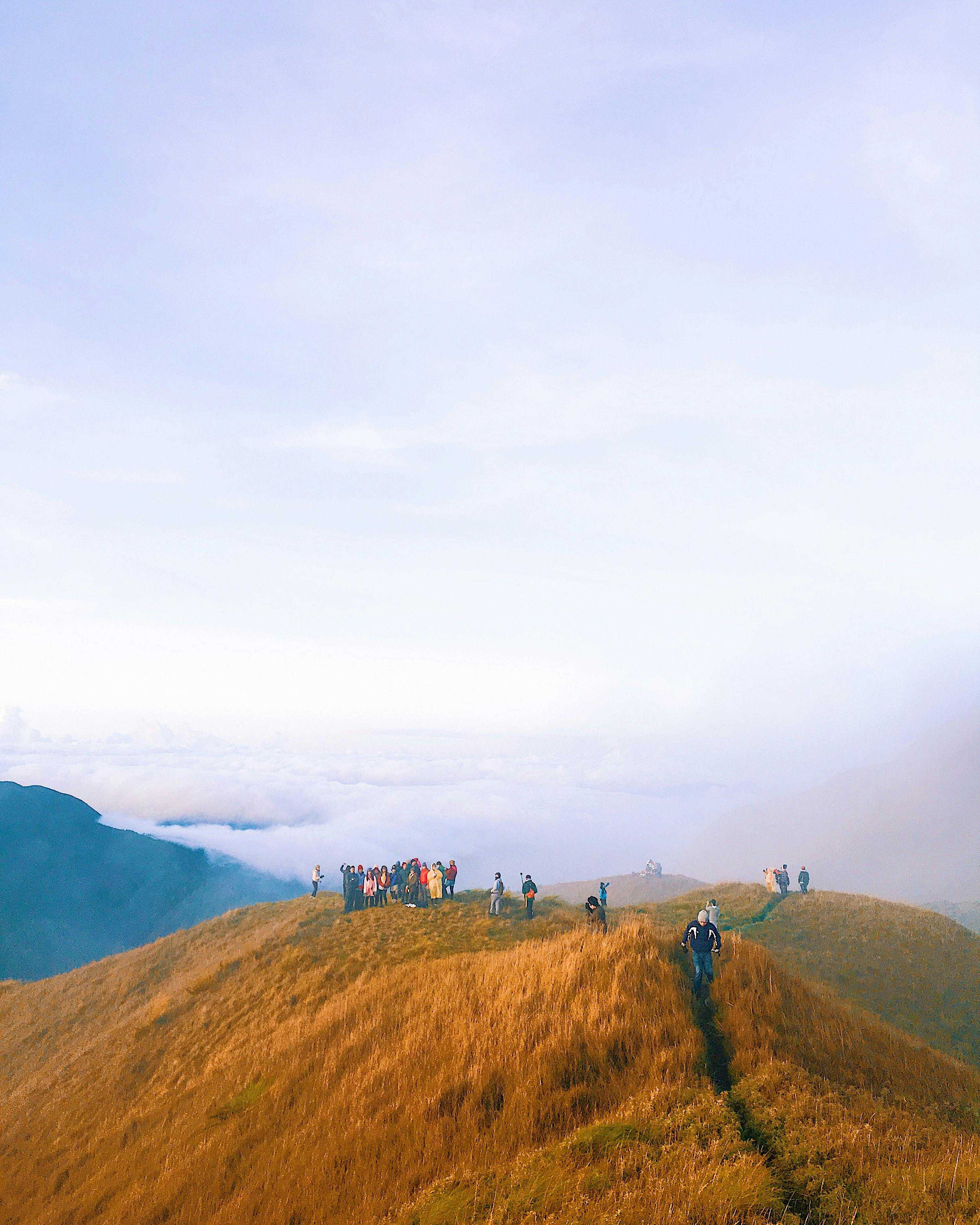
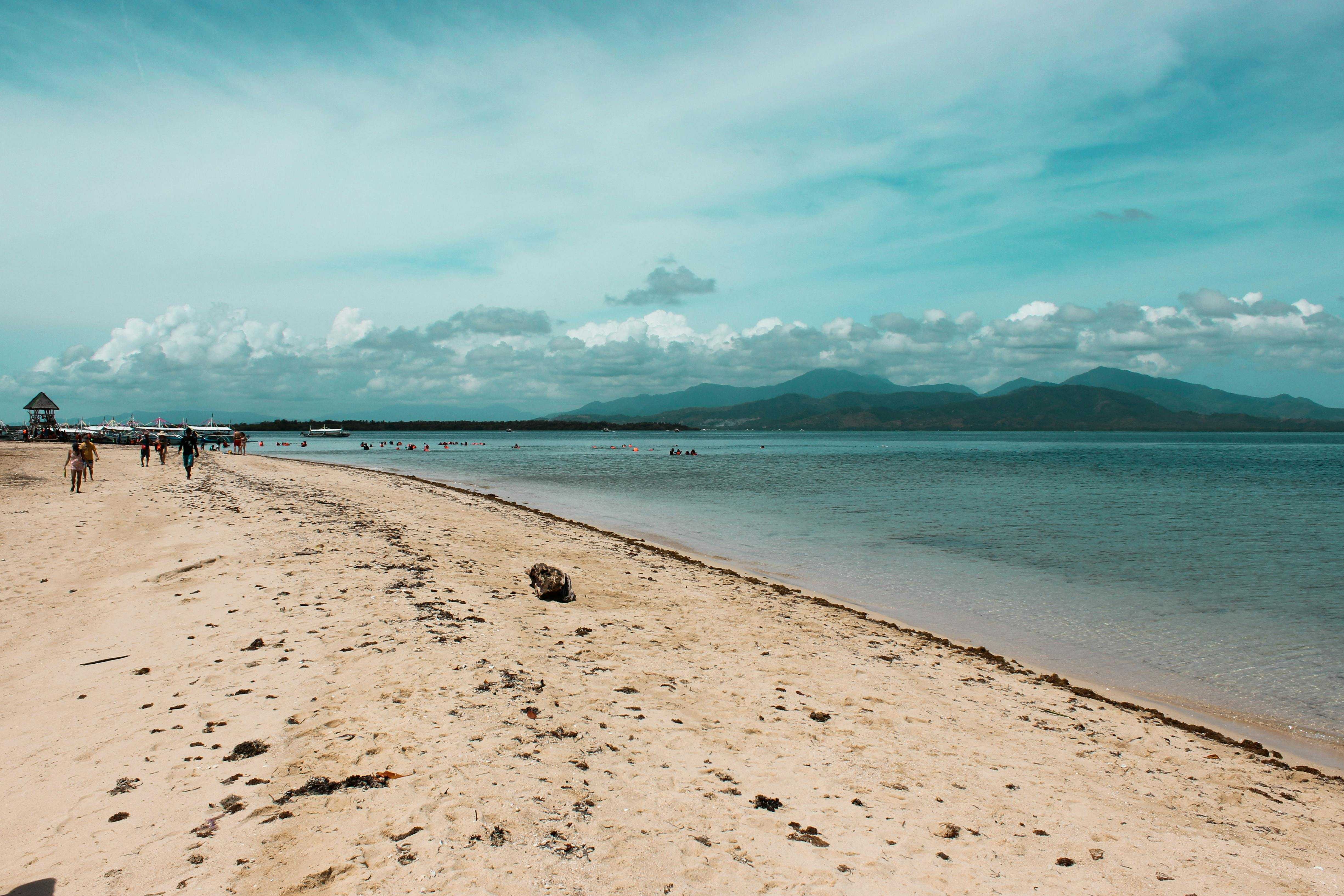
Escape to Cagayan: Untamed Beauty and Timeless Charm in the Philippines Cagayan, nestled in the northeastern tip of the Philippines, is a hidden gem waiting to be discovered. This province, rich in history and overflowin…

#beach destination#tropical paradise#historical landmarks#natural wonders#cultural heritage
1/2

Top hotels & flights

Hand-picked stays and the best fares into Cagayan.

Top Hotels in Cagayan

Top Flights to Cagayan

Popular activities

Tours, tickets and experiences travelers book most in Cagayan.

Tours

Callao Cave Exploration

Explore the picturesque Callao Cave with stunning limestone formations and historical significance.

Shopping

Cagayan Valley Shopping

Shop for local crafts and delicacies in the bustling markets of Cagayan.

Outdoor

Pinacanauan River Boating

Enjoy a leisurely boat ride along the serene waters of the Pinacanauan River surrounded by lush landscapes.

Palaui Island Adventure

Explore Palaui Island's pristine beaches, scenic hiking trails, and abundant marine life.

Location videos

Real reels from travelers, plus longer watches to get the full picture.

From travelers
Watch & explore

Practical info

The essentials for planning your time in Cagayan.

Currency
₱ | PHP | Philippine Peso
Population
1.2 million
Languages
Cagayan, Ibanag, Ilocano, Tagalog, English

Local guide

What travelers love, what to watch for, and a deeper read on Cagayan.

What people love

Cagayan, located in the Cagayan province of the Philippines, offers a unique and diverse range of attractions for travelers. Some of the pros of traveling to Cagayan include:

  1. Scenic Beauty: Cagayan boasts stunning landscapes, from rolling hills and lush forests to pristine beaches and majestic waterfalls. Outdoor enthusiasts will appreciate the natural beauty of this region.

  2. Adventure Activities: Cagayan is a paradise for adventure seekers, offering activities such as trekking, hiking, spelunking, and river rafting. The Callao Cave, in particular, is a popular spot for cave exploration.

  3. Rich Cultural Heritage: Cagayan is home to a rich cultural heritage, with historical sites such as the St. Philomene Church and the Palaui Island lighthouse. Visitors can learn about the province's history and traditions through its many cultural attractions.

  4. Culinary Delights: Cagayan is known for its delicious local cuisine, which includes specialties such as pancit batil patong, carabao meat dishes, and fresh seafood. Foodies will enjoy exploring the local food scene and trying out new dishes.

  5. Warm Hospitality: The people of Cagayan are known for their warm hospitality and friendly demeanor. Travelers can expect to be welcomed with open arms and treated to a memorable cultural experience.

Overall, traveling to Cagayan offers a mix of natural beauty, adventure activities, cultural heritage, culinary delights, and warm hospitality, making it a great destination for travelers looking to explore the Philippines off the beaten path.

What to know

Cagayan, located in the Philippines, offers many beautiful sights and attractions for travelers to enjoy. However, there are some potential cons to traveling to this destination that travelers should be aware of:

  1. Weather Risks: Cagayan is prone to typhoons and heavy rainfall, especially during the rainy season from June to November. Travelers should be prepared for possible disruptions to their travel plans due to inclement weather.

  2. Limited Infrastructure: Some areas in Cagayan may have limited infrastructure and amenities compared to more developed tourist destinations. Travelers should be prepared for basic accommodations and transportation options in some areas.

  3. Language Barrier: While English is widely spoken in the Philippines, travelers may encounter some language barriers in more remote areas of Cagayan where local dialects are more common. It may be helpful to have a basic understanding of Filipino or Tagalog.

  4. Limited Tourist Services: Cagayan may not have as many tourist services and facilities compared to more popular tourist destinations in the Philippines. Travelers should be prepared for fewer options when it comes to accommodations, dining, and activities.

  5. Remote Locations: Some attractions in Cagayan, such as Palaui Island or Callao Cave, are located in remote areas that may require additional time and effort to reach. Travelers should plan accordingly and be prepared for long journeys to reach these destinations.

Overall, while Cagayan offers unique and beautiful experiences for travelers, it is important to be aware of these potential cons and plan accordingly to ensure a smooth and enjoyable trip.

Cagayan is a province located in the northeastern part of Luzon in the Philippines. It is part of the Cagayan Valley region (Region II) and is bordered by the Philippine Sea to the east, the provinces of Isabela and Kalinga to the south, and the province of Apayao to the west.

Early History

Cagayan's history dates back to pre-colonial times when it was inhabited by various indigenous groups, including the Ibanag, Itawes, Gaddang, and Malaueg peoples. These groups engaged in farming, fishing, and trade with neighboring regions and islands.

Spanish Colonial Era

During the Spanish colonization of the Philippines, Cagayan was one of the first areas to be explored by Spanish forces. It was in the late 16th century when Juan de Salcedo, a Spanish conquistador, explored the region. In 1581, Captain Juan Pablo Carreon led an expedition to establish Spanish control, and by 1583, the Spaniards had set up a civil government in the area.

The province became part of the extensive encomienda system, wherein Spanish encomenderos were granted control over local lands and the indigenous people living there. The Spaniards introduced Christianity, and many churches were built, some of which remain as significant historical landmarks.

American and Japanese Occupation

During the American occupation of the Philippines, which began in 1898, Cagayan saw the establishment of public education, infrastructure development, and other reforms. After World War II, Cagayan played a role in the resistance against the Japanese occupation.

Post-War Era to Present

Cagayan continued to develop in the post-war years, with agriculture being a primary economic activity. The province is known for its rice and corn production, as well as tobacco and other crops.

Significant Landmarks

  • Callao Cave: One of the most famous natural attractions in the province, located in Peñablanca. It is known for its seven chambers and a natural cathedral chamber with a skylight.

  • Basilica Minore of Our Lady of Piat: A significant religious site located in the town of Piat. It houses the revered image of Our Lady of Piat, which attracts pilgrims from across the country.

  • Aparri: A major town in Cagayan, known historically as a trading port. It is located at the mouth of the Cagayan River and has historical significance in trade and commerce.

Historical Figures

  • Juan de Salcedo: A Spanish conquistador who explored the region.

  • Governor-General Martín de Goiti: He played a role in establishing Spanish presence in the region.

Cultural Aspects

Cagayan has a rich cultural heritage influenced by its indigenous peoples and Spanish colonization. The province celebrates various festivals, such as the Aggao Nac Cagayan, which showcases its rich culture and history.

Conclusion

Cagayan boasts a rich historical and cultural tapestry that reflects its indigenous roots and colonial past. Its landmarks and historical sites offer a glimpse into its storied history, making it a significant part of the Philippines' cultural heritage.