
Buryatiya
· RU

Buryatiya

Buryatiya, Russia

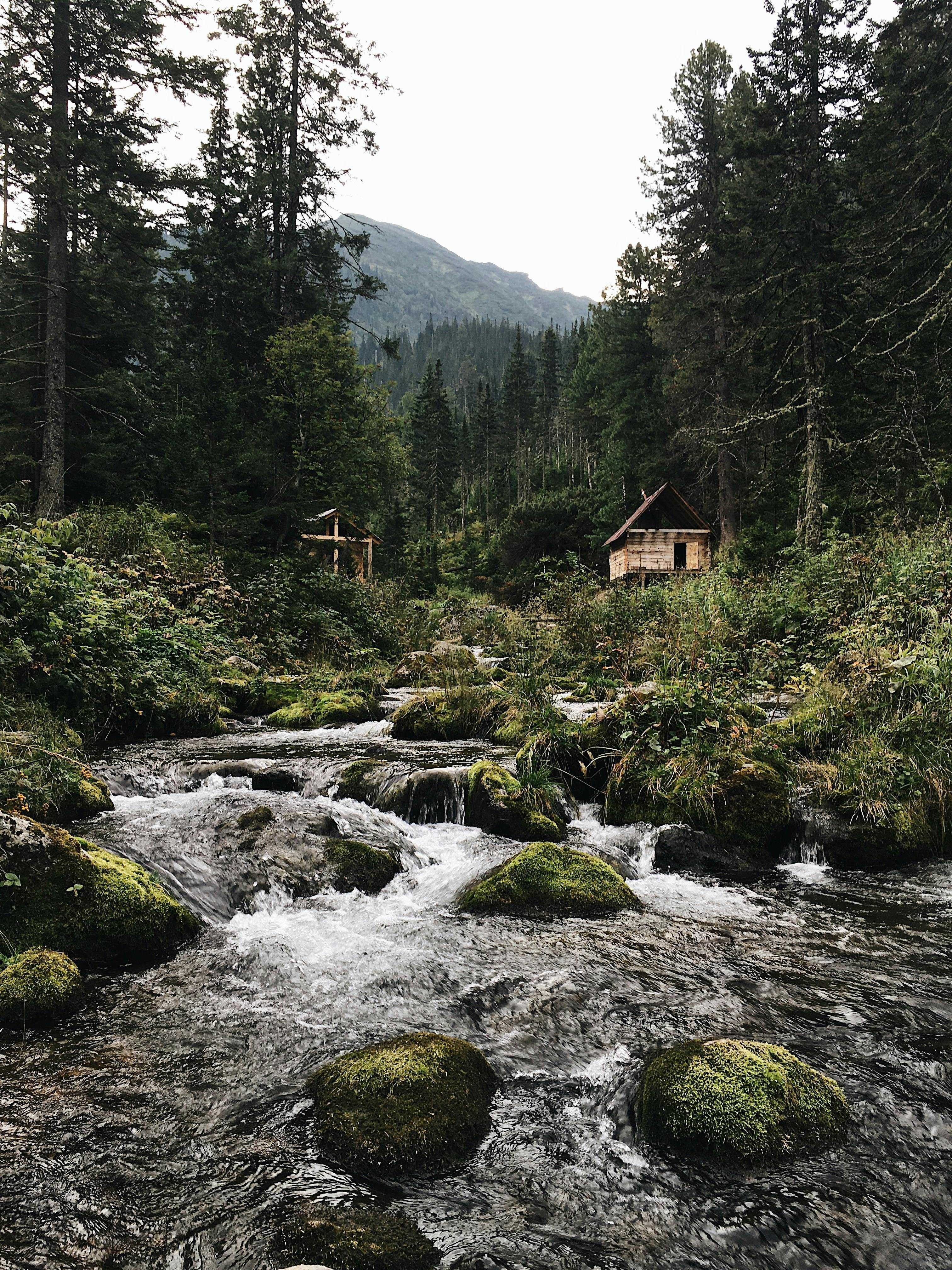
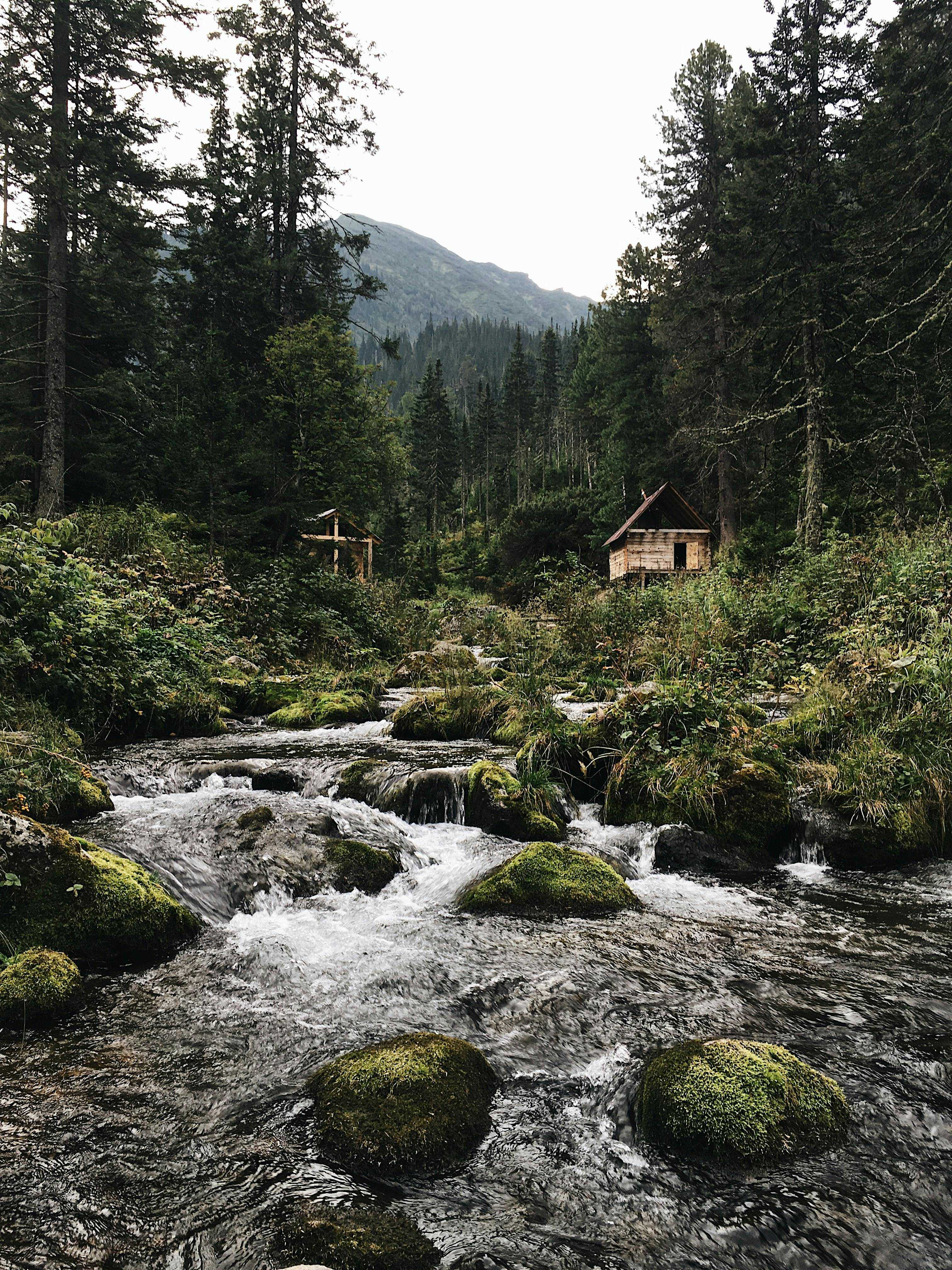
Journey to the Heart of Siberia: Discover Buryatiya Nestled against the southern edge of Siberia, embracing the magnificent Lake Baikal, lies Buryatiya - a land where ancient traditions meet breathtaking landscapes. This…

#Russia#Eastern Siberia#Lake Baikal#Buddhist culture#Nomadic traditions
1/2

Top hotels & flights

Hand-picked stays and the best fares into Buryatiya.

Top Hotels in Buryatiya

Top Flights to Buryatiya

Popular activities

Tours, tickets and experiences travelers book most in Buryatiya.

Tours

Explore the Ivolginsky Datsan

Visit the center of Buddhism in Russia, featuring beautiful architecture and a serene atmosphere.

Visit Ulan-Ude's Ethnographic Museum

Discover the diverse cultures and history of the Buryat people and other ethnic groups of the region.

Visit the Atsagat Datsan Monastery

Explore the rich spiritual heritage and stunning architecture of Atsagat Datsan.

Shopping

Shopping at Ulan-Ude Central Market

Browse a vibrant market with local goods, crafts, and delicacies.

Cultural Shopping in Torbogatay

Shop for traditional Buryat clothing and souvenirs in the charming village of Torbogatay.

Outdoor

Boating on Lake Baikal

Enjoy a relaxing boat trip on the world's deepest and oldest freshwater lake with stunning views.

Trekking in the Tunka Valley

Explore the picturesque landscapes of the Tunka Valley, perfect for hiking enthusiasts.

Rafting on the Selenga River

Experience the thrill of white-water rafting on the Selenga River, suitable for all skill levels.

Discover the Barguzin Nature Reserve

A haven for wildlife enthusiasts, offering pristine habitats and diverse flora and fauna.

Explore the Baikal-Lena Nature Reserve

Venture into one of the largest protected areas in Russia, home to a vast wilderness of forests and mountains.

Location videos

Real reels from travelers, plus longer watches to get the full picture.

Watch & explore

Practical info

The essentials for planning your time in Buryatiya.

Currency
₽ | RUB | Russian Ruble
Population
The approximate estimated total population of Buryatiya, Russia is '0.98 million'.
Languages
Russian, Buryat, Russian

Local guide

What travelers love, what to watch for, and a deeper read on Buryatiya.

What people love

Buryatiya, located in Russia, offers a unique travel experience with its rich cultural heritage, stunning natural landscapes, and vibrant local traditions. Here are some of the pros of traveling to Buryatiya:

  1. Cultural Diversity: Buryatiya is home to the Buryat people, who have a distinct culture influenced by both Russian and Mongolian traditions. Travelers can immerse themselves in the local way of life, taste traditional Buryat cuisine, and witness colorful folk performances.

  2. Natural Beauty: The region is known for its breathtaking landscapes, including the vast Lake Baikal, the world's deepest freshwater lake, and the picturesque Barguzin Valley. Outdoor enthusiasts can enjoy activities such as hiking, camping, and wildlife watching in the pristine wilderness of Buryatiya.

  3. Historical Sites: Buryatiya boasts a rich history dating back centuries, with ancient Buddhist temples, historic fortresses, and traditional villages that offer insights into the region's past. Travelers can explore these cultural landmarks and learn about the fascinating history of Buryatiya.

  4. Adventure Opportunities: For those seeking adventure, Buryatiya offers a range of thrilling activities such as horseback riding, river rafting, and skiing in the winter months. The rugged terrain and varied climate make it an ideal destination for adrenaline junkies looking for an off-the-beaten-path experience.

  5. Warm Hospitality: Visitors to Buryatiya can expect warm hospitality from the local residents, who are known for their friendliness and welcoming nature. Travelers can stay in traditional guesthouses, known as "izbas," and interact with the locals to gain a deeper understanding of Buryat culture.

Overall, traveling to Buryatiya offers a unique blend of culture, nature, history, and adventure that is sure to leave a lasting impression on any traveler.

What to know

Some potential cons of traveling to Buryatiya, located in Russia, may include:

  1. Remote location: Buryatiya is a remote region in Russia, which may make it harder to access compared to more popular tourist destinations. Traveling to and within the region may require careful planning and logistics.

  2. Language barrier: Russian is the official language in Buryatiya, and English proficiency may not be as common among the local population. This could pose challenges for travelers who do not speak Russian.

  3. Limited tourist infrastructure: Buryatiya is not as well-developed for tourism as some other regions in Russia. This means that amenities such as accommodations, transportation, and tourist facilities may be limited compared to more touristy areas.

  4. Harsh climate: Buryatiya experiences long, cold winters with heavy snowfall, which can make travel difficult and limit outdoor activities during certain times of the year. Extreme weather conditions may also impact transportation and accessibility to certain areas.

  5. Cultural differences: Buryatiya has a distinct culture influenced by its indigenous Buryat population. Travelers may need to be mindful of cultural norms and practices that differ from their own, which could present challenges in terms of communication and understanding.

It's important to note that these potential cons may vary depending on individual preferences and travel experiences. It's always a good idea to research thoroughly and prepare accordingly before traveling to any destination.

Buryatiya, officially known as the Republic of Buryatia, is a federal subject of Russia located in Siberia, along the eastern shore of Lake Baikal. It is rich in history, culture, and natural beauty. Here is a detailed history of Buryatia:

  1. Early History and Indigenous Peoples:

    • The region that is now Buryatia has been inhabited since the Paleolithic era. The indigenous people of the area are the Buryats, a Mongolic ethnic group closely related to the Mongols.
    • The Buryats traditionally practiced shamanism and later adopted Tibetan Buddhism, which remains a significant aspect of their cultural and religious identity.
  2. Mongol Empire and Russian Expansion:

    • During the 13th century, the area was part of the Mongol Empire. The Buryats lived under the influence of the Mongol khans.
    • In the 17th century, Russian explorers and settlers began to move into Siberia, leading to the incorporation of Buryatia into the Russian Empire. The Treaty of Nerchinsk in 1689 between Russia and Qing China helped define borders in the area.
  3. Tsarist Era and Soviet Union:

    • Buryatia became part of the Irkutsk Governorate in the Russian Empire. The construction of the Trans-Siberian Railway in the late 19th century facilitated economic development and increased Russian influence.
    • In 1923, the region was officially established as the Buryat-Mongol Autonomous Soviet Socialist Republic within the Soviet Union. Over time, the Soviet government implemented policies to promote industrialization and collectivization, which significantly impacted traditional Buryat culture and lifestyle.
  4. World War II and Post-War Period:

    • During World War II, Buryatia contributed to the Soviet war effort, supplying raw materials and manpower.
    • After the war, Buryatia continued to industrialize, with development in sectors like mining, timber, and agriculture.
  5. Post-Soviet Era:

    • With the dissolution of the Soviet Union in 1991, Buryatia became a republic within the Russian Federation. It has since experienced economic and cultural revival, with efforts to preserve Buryat traditions and language.
  6. Significant Historical Figures:

    • Dashi-Dorzho Itigilov (1852–1927): A prominent Buryat Buddhist lama, known for his mummified body that allegedly shows little to no signs of decay, attracting spiritual and scientific interest.
    • Gombojab Tsybikov (1873–1930): An explorer and ethnographer, Tsybikov was one of the first photographers of Lhasa, Tibet, and contributed to the study of Tibetan culture and Buddhism.
  7. Important Landmarks:

    • Ivolginsky Datsan: The center of Buddhism in Russia, located near Ulan-Ude, the capital of Buryatia. It is a spiritual and cultural hub for Buryats and Buddhists in Russia.
    • Lake Baikal: The world’s deepest and oldest freshwater lake, partially located within Buryatia. It is a UNESCO World Heritage site and a natural wonder.
    • Ulan-Ude: The capital city, known for its unique blend of Russian and Buryat cultures. The city is famous for its large statue of Lenin's head, one of the largest in the world.

Buryatia continues to be a region where traditional Buryat culture and modern Russian influences coexist, offering a unique cultural and historical landscape.