Bosnia and Herzegovina, Federation of
· BA

Bosnia and Herzegovina, Federation of

Bosnia and Herzegovina, Federation of, Bosnia and Herzegovina

Discover the Heart-Shaped Charm of Bosnia & Herzegovina's Federation Nestled in the heart of the Balkans, the Federation of Bosnia and Herzegovina pulsates with a captivating blend of history, culture, and natural beauty…

#Balkans#Eastern Europe#Multi-ethnic#Historical sites#War history
1/11

Top hotels & flights

Hand-picked stays and the best fares into Bosnia and Herzegovina, Federation of.

Top Hotels in Bosnia and Herzegovina, Federation of

Top Flights to Bosnia and Herzegovina, Federation of

Popular activities

Tours, tickets and experiences travelers book most in Bosnia and Herzegovina, Federation of.

Tours

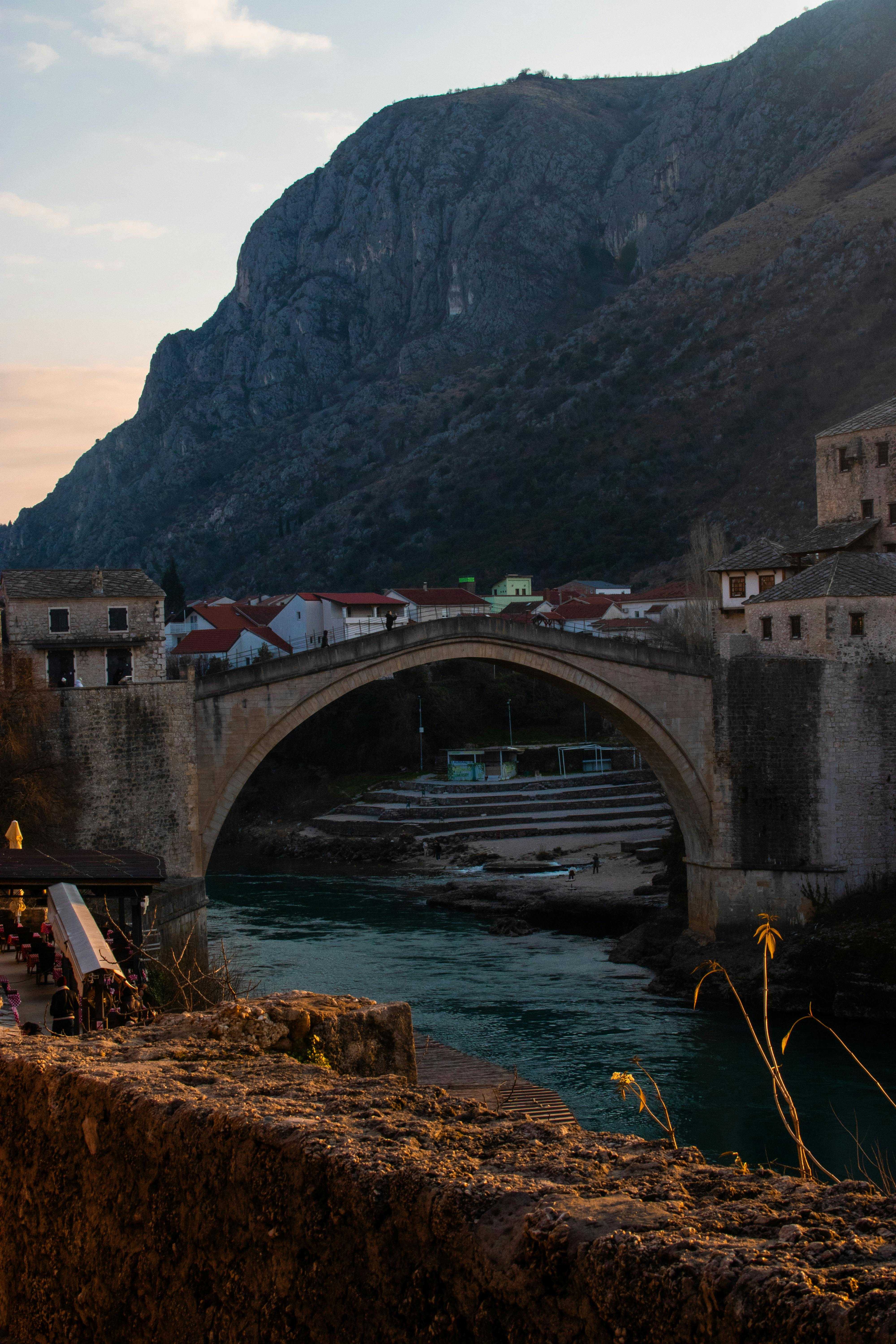
Discover the Historic City of Mostar

Explore the charm of Mostar with its iconic Stari Most bridge, cobblestone streets, and rich history.

Shopping

Shopping at Sarajevo's Baščaršija

Experience the vibrant and historic bazaar Baščaršija, filled with traditional crafts and local cuisine.

Outdoor

Hiking Adventure on Mount Prenj

An exciting hiking experience through the Sarah Mountains, known for its stunning views and diverse flora.

Location videos

Real reels from travelers, plus longer watches to get the full picture.

From travelers
Watch & explore

Practical info

The essentials for planning your time in Bosnia and Herzegovina, Federation of.

Currency
KM | BAM | Bosnia and Herzegovina convertible mark
Population
The approximate estimated total population of Bosnia and Herzegovina is 3.2 million.
Languages
Bosnian, Croatian, Serbian

Local guide

What travelers love, what to watch for, and a deeper read on Bosnia and Herzegovina, Federation of.

What people love

Bosnia and Herzegovina, specifically the Federation of Bosnia and Herzegovina, is a culturally rich and diverse destination with a lot to offer travelers. Here are some pros of traveling to this region:

  1. Rich history and culture: Bosnia and Herzegovina has a complex history and is home to a mix of cultures, religions, and traditions. Travelers can explore historical sites such as the Old Bridge in Mostar, the Ottoman architecture in Sarajevo, and the medieval town of Jajce.

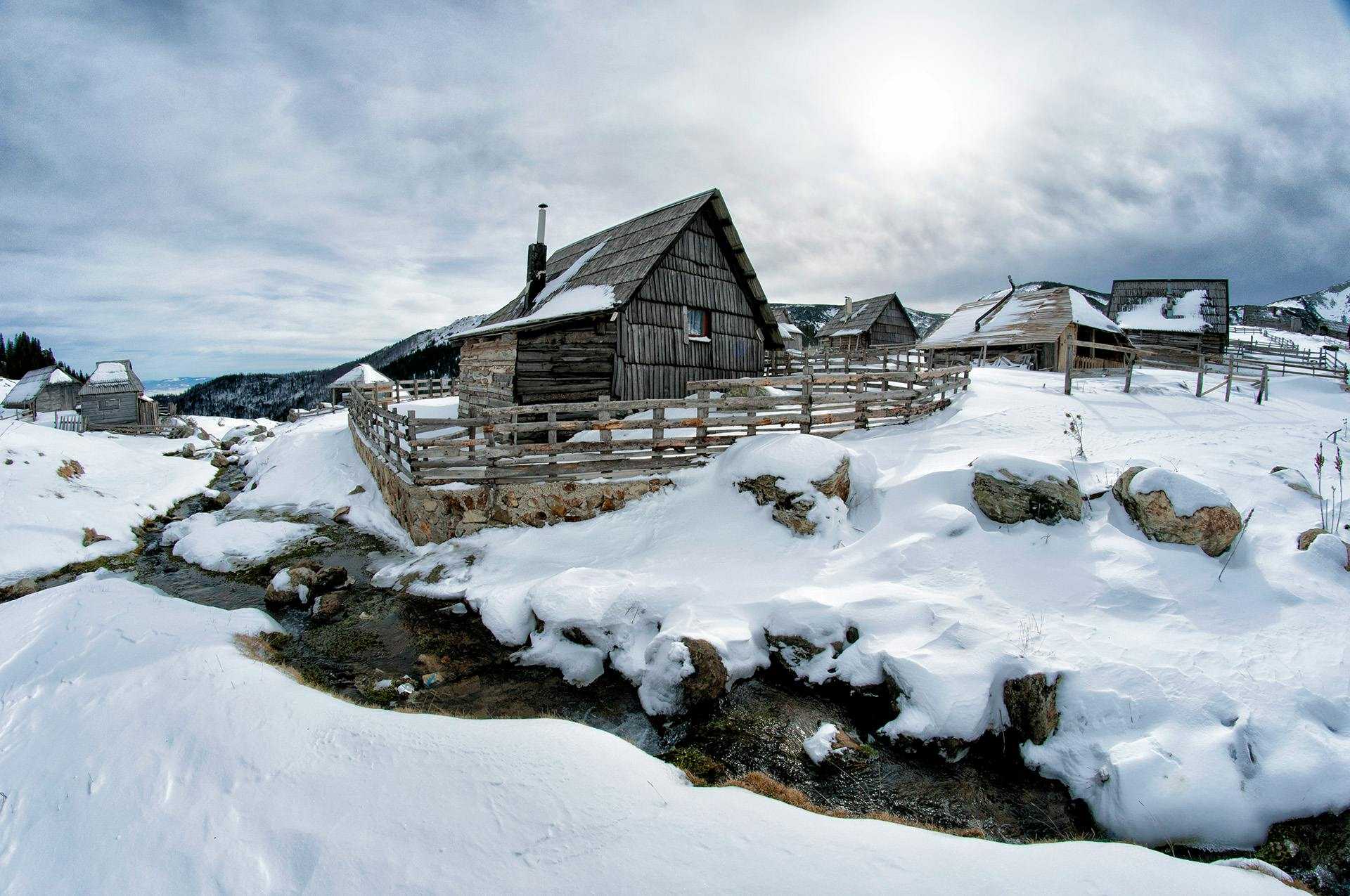
  2. Natural beauty: The country is known for its stunning natural landscapes, including the picturesque countryside, majestic mountains, and beautiful rivers and lakes. Outdoor enthusiasts can enjoy activities such as hiking, rafting, and skiing in the winter.

  3. Warm hospitality: The people of Bosnia and Herzegovina are known for their warm hospitality and friendliness towards visitors. Travelers can experience the local culture firsthand by interacting with locals, trying traditional Bosnian cuisine, and attending cultural events and festivals.

  4. Affordable travel destination: Compared to other European countries, Bosnia and Herzegovina is relatively affordable, making it a budget-friendly destination for travelers. Accommodation, food, and transportation costs are generally lower, allowing visitors to experience more for less.

  5. UNESCO World Heritage Sites: The country is home to several UNESCO World Heritage Sites, including the Old Bridge area of Mostar and the Mehmed Paša Sokolović Bridge in Višegrad. These sites offer a glimpse into the rich history and architectural heritage of the region.

Overall, traveling to Bosnia and Herzegovina, specifically the Federation of Bosnia and Herzegovina, can be a rewarding experience for those interested in history, culture, nature, and authentic cultural experiences.

Enjoy your travels!

What to know

There are several potential cons to consider when traveling to Bosnia and Herzegovina, Federation of:

  1. Safety Concerns: While Bosnia and Herzegovina is generally considered safe for tourists, there may be occasional instances of petty crime such as pickpocketing, particularly in crowded tourist areas. It is advisable to remain vigilant and take necessary precautions to safeguard your belongings.

  2. Language Barrier: The official languages in Bosnia and Herzegovina are Bosnian, Croatian, and Serbian. While English is spoken in tourist areas and by younger generations, you may encounter language barriers when interacting with locals in more remote areas.

  3. Limited Infrastructure: Some parts of Bosnia and Herzegovina, particularly in rural regions, may have limited infrastructure and amenities compared to more developed countries. This could affect the quality of accommodations, transportation options, and access to certain services.

  4. Political Tensions: Bosnia and Herzegovina has a complex political landscape due to its diverse ethnic and religious composition. While tourists are generally not targeted in political conflicts, it is important to be aware of the country's history and current socio-political dynamics to avoid inadvertently causing offense or misunderstanding local sensitivities.

  5. Driving Challenges: If you plan to rent a car and drive in Bosnia and Herzegovina, be prepared for challenging road conditions, narrow mountainous roads, and erratic driving behavior from other motorists. Additionally, road signs may be in Cyrillic script in some areas, which can be confusing for travelers unfamiliar with the alphabet.

Overall, while Bosnia and Herzegovina offers unique cultural experiences and breathtaking natural beauty, travelers should be mindful of these potential challenges to ensure a safe and enjoyable trip.

Bosnia and Herzegovina is a country located in Southeastern Europe on the Balkan Peninsula. It has a complex history marked by periods of independence, foreign rule, and conflict. The Federation of Bosnia and Herzegovina is one of the two entities within the country, the other being Republika Srpska.

Early History

  • Illyrian and Roman Periods: The region that is now Bosnia and Herzegovina was inhabited by Illyrian tribes. It became part of the Roman Empire in the 1st century AD.
  • Medieval Bosnia: In the Middle Ages, Bosnia emerged as a distinct entity. The Banate of Bosnia was established in the 12th century and became the Kingdom of Bosnia in the 14th century under King Tvrtko I.

Ottoman Period

  • 1463-1878: Bosnia fell under Ottoman rule in 1463. The Ottomans introduced Islam to the region, and many Bosnians converted. The Ottoman period saw the construction of significant landmarks, including mosques and bridges.

Austro-Hungarian Rule

  • 1878-1918: The Congress of Berlin in 1878 granted Austria-Hungary the right to occupy and administer Bosnia and Herzegovina, which it officially annexed in 1908. This period saw modernization efforts and infrastructural development.

The 20th Century

  • World War I: The assassination of Archduke Franz Ferdinand in Sarajevo in 1914 was a significant event that precipitated World War I.
  • Yugoslav Period: After World War I, Bosnia and Herzegovina became part of the Kingdom of Serbs, Croats, and Slovenes, later known as Yugoslavia. During World War II, it was part of the Independent State of Croatia, a puppet state of Nazi Germany and Fascist Italy.
  • Socialist Yugoslavia: After World War II, Bosnia and Herzegovina became one of the six republics of the Socialist Federal Republic of Yugoslavia under Josip Broz Tito.

Independence and War

  • 1992-1995 Bosnian War: Following the breakup of Yugoslavia, Bosnia and Herzegovina declared independence in 1992. The declaration led to a brutal conflict primarily among Bosniaks, Croats, and Serbs. The war was marked by ethnic cleansing and significant atrocities, including the Srebrenica massacre.
  • Dayton Agreement: The war ended with the signing of the Dayton Peace Agreement in 1995, which established the current political structure of Bosnia and Herzegovina, consisting of two entities: the Federation of Bosnia and Herzegovina and Republika Srpska.

Notable Historical Figures

  • Tvrtko I: The first king of Bosnia, who ruled during the height of its medieval power.
  • Gavrilo Princip: His assassination of Archduke Franz Ferdinand in 1914 sparked World War I.
  • Alija Izetbegović: The first President of the Republic of Bosnia and Herzegovina during its declaration of independence and the Bosnian War.

Important Landmarks

  • Stari Most: A historic bridge in Mostar, originally built in the 16th century by the Ottomans and reconstructed after being destroyed during the Bosnian War.
  • Gazi Husrev-beg Mosque: One of the most important Islamic structures in the Balkans, located in Sarajevo and built in the 16th century.
  • Sarajevo Tunnel: Also known as the Tunnel of Hope, it was an underground tunnel constructed during the Bosnian War to provide supplies to the besieged city of Sarajevo.
  • Srebrenica Memorial: A memorial and cemetery for the victims of the Srebrenica massacre.

Today, Bosnia and Herzegovina is a country striving to maintain peace and stability while navigating the challenges of a complex political system and diverse cultural heritage.