Bosnia and Herzegovina
· BA

Bosnia and Herzegovina

Bosnia and Herzegovina

Discover the Undiscovered: Bosnia and Herzegovina Awaits Nestled in the heart of the Balkans, Bosnia and Herzegovina is a country of breathtaking beauty, rich history, and warm hospitality. Far from the typical tourist …

#Eastern Europe#Balkans#Multiethnic#War-torn history#Beautiful landscapes
1/3

Top hotels & flights

Hand-picked stays and the best fares into Bosnia and Herzegovina.

Top Hotels in Sarajevo

Top Flights to Sarajevo

Popular activities

Tours, tickets and experiences travelers book most in Bosnia and Herzegovina.

Tours

Visit the Old Bridge in Mostar

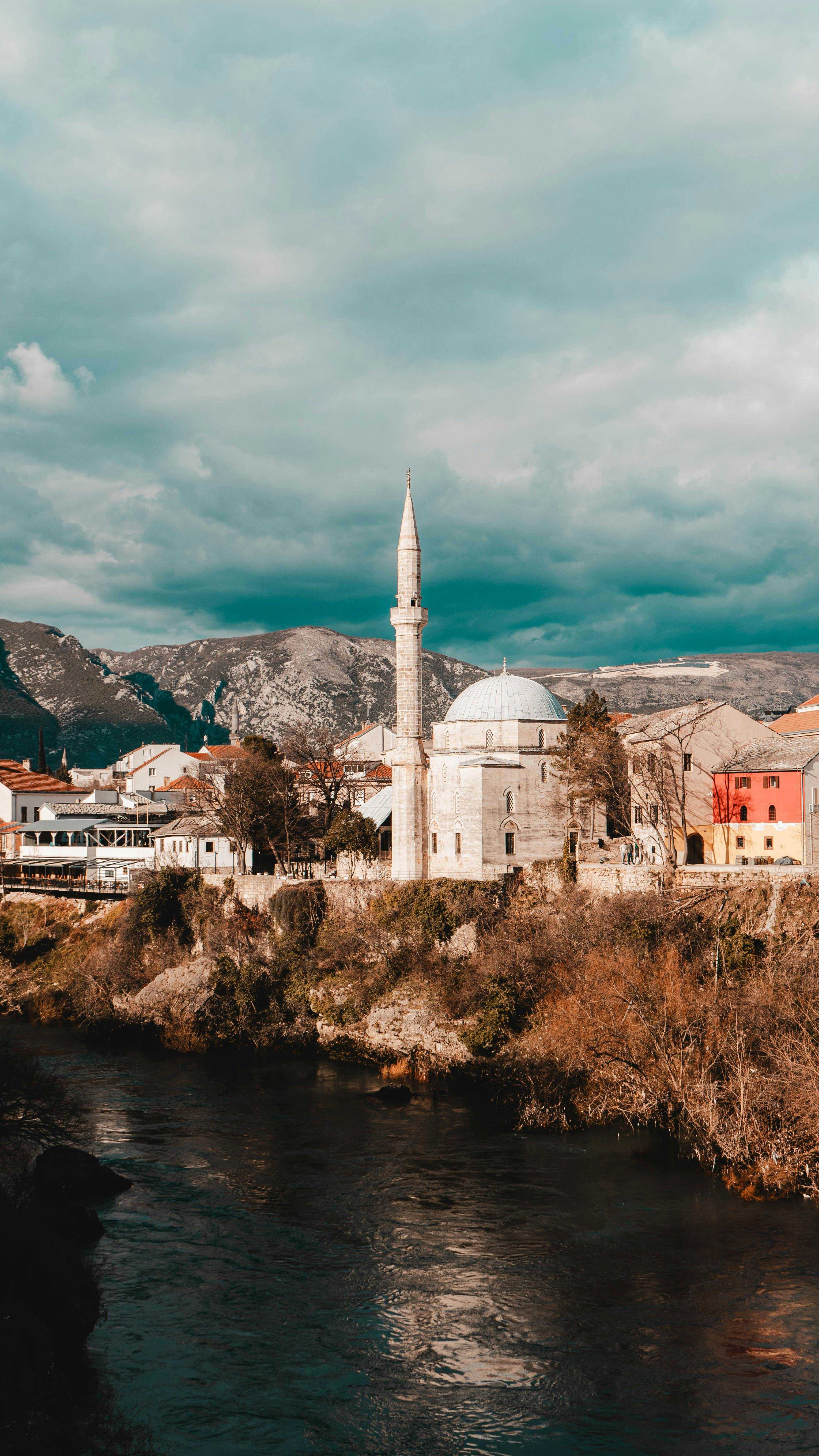
Explore the iconic 16th-century Ottoman bridge, Stari Most, a UNESCO World Heritage site, offering stunning views of the Neretva River.

Explore Vrelo Bosne

Visit the picturesque spring of the Bosna River near Sarajevo, featuring walking paths, bridges, and a chance to enjoy nature.

Visit the Sarajevo Tunnel Museum

Discover the history of the Sarajevo Tunnel, a lifeline for the city during the siege of Sarajevo.

Kravice Waterfall Tour

Enjoy a scenic tour of the stunning Kravice Waterfalls, a popular spot for swimming and picnicking.

Explore Trebinje Wine Region

Visit the vineyards and wineries in Trebinje, known for excellent local wines and beautiful sceneries.

Explore the Town of Blagaj

Discover Blagaj, a town with rich history and the beautiful Blagaj Tekija (Dervish monastery) built into a cliff at the source of the Buna River.

Shopping

Shopping at Baščaršija, Sarajevo

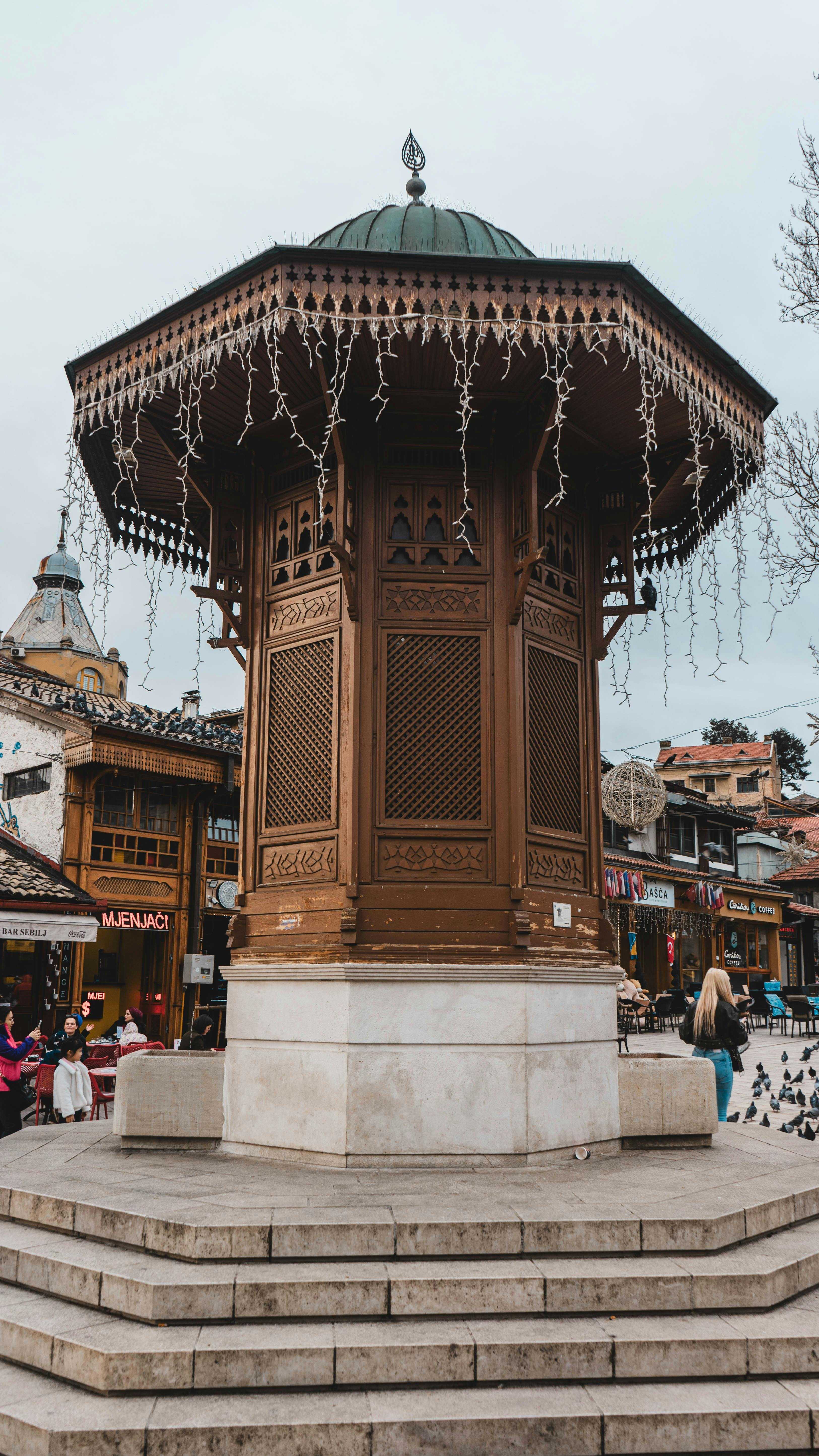
Experience the bustling atmosphere of Sarajevo's old bazaar, renowned for its unique artisanal goods, souvenirs, and traditional Bosnian food.

Outdoor

Hiking at Sutjeska National Park

Discover the breathtaking landscapes of Bosnia's oldest national park, offering diverse flora and fauna and the Perucica primeval forest.

Rafting on the Neretva River

Enjoy an exhilarating rafting experience on the crystal-clear waters of the Neretva River, surrounded by beautiful canyon views.

Skiing at Jahorina Mountain

Experience the thrill of skiing on Jahorina Mountain, a famous resort known for its fantastic slopes and winter activities.

Location videos

Real reels from travelers, plus longer watches to get the full picture.

From travelers
Watch & explore

Practical info

The essentials for planning your time in Bosnia and Herzegovina.

Currency
KM | BAM | Convertible Mark
Population
The approximate estimated total population of Bosnia and Herzegovina is 3.2 million.
Languages
Bosnian, Croatian, Serbian, Bosnian, Croatian, Serbian
Average weather
Bosnia and Herzegovina
Jan
snow
5°-2°
Feb
cold
7°-1°
Mar
cloud
12°2°
Apr
rain
17°6°
May
cloud
22°11°
Jun
sun
26°15°
Jul
hot
29°17°
Aug
hot
29°17°
Sep
clear
24°13°
Oct
rain
18°8°
Nov
cloud
11°3°
Dec
snow
6°-1°

Local guide

What travelers love, what to watch for, and a deeper read on Bosnia and Herzegovina.

What people love

Bosnia and Herzegovina is a beautiful country located in Southeastern Europe known for its stunning natural landscapes, rich history, and unique cultural heritage. Here are some of the pros of traveling to Bosnia and Herzegovina:

  1. Natural Beauty: Bosnia and Herzegovina is home to picturesque mountains, sparkling rivers, and serene lakes. The country offers opportunities for outdoor activities such as hiking, skiing, and rafting.

  2. Historical Sites: The country has a rich history dating back to ancient times, with numerous historical sites to explore, including medieval castles, Ottoman architecture, and ancient ruins.

  3. Cultural Diversity: Bosnia and Herzegovina is a melting pot of different cultures and religions, resulting in a unique blend of traditions and customs. Visitors can experience a mix of influences from the Ottoman Empire, Austro-Hungarian rule, and more.

  4. Hospitality: Bosnian people are known for their warm hospitality and friendliness towards visitors. You can expect to be welcomed with open arms and experience the local culture firsthand.

  5. Affordability: Compared to other European destinations, Bosnia and Herzegovina is relatively affordable, making it an attractive option for budget travelers.

  6. Delicious Cuisine: The country's cuisine is a delicious fusion of flavors influenced by Turkish, Mediterranean, and Balkan cooking styles. Don't miss trying traditional dishes like cevapi, burek, and baklava.

  7. Sarajevo: The capital city of Sarajevo is a vibrant and cosmopolitan city with a rich cultural scene, bustling markets, and historic landmarks such as the Latin Bridge and Gazi Husrev-beg Mosque.

Overall, traveling to Bosnia and Herzegovina offers a unique and authentic experience for travelers looking to explore a lesser-known European destination.

What to know

Traveling to Bosnia and Herzegovina can be a wonderful experience, but there are some cons to consider:

  1. Limited Infrastructure: Bosnia and Herzegovina is still developing its infrastructure, which means that roads, public transportation, and facilities may not be as well-maintained as in more developed countries. This could lead to challenges in getting around efficiently.

  2. Language Barrier: The official languages in Bosnia and Herzegovina are Bosnian, Croatian, and Serbian. While English is spoken in tourist areas, you may encounter difficulties communicating in more remote areas or with older generations.

  3. Historical Tensions: Bosnia and Herzegovina has a complex history marked by ethnic and political divisions. While the country is generally safe for tourists, it's important to be aware of the sensitive history and potential tensions that could impact your visit.

  4. Limited Tourist Infrastructure: While Bosnia and Herzegovina has beautiful natural landscapes and historic sites, the tourist infrastructure may not be as developed as in other European countries. This could mean limited amenities, accommodations, or services in some areas.

  5. Currency Exchange: The official currency in Bosnia and Herzegovina is the Convertible Mark (KM). While some places may accept euros, it's important to have the local currency on hand for transactions. Additionally, not all places may accept credit cards, so be prepared with cash.

Overall, while there are some cons to traveling to Bosnia and Herzegovina, many visitors find the country to be a fascinating and rewarding destination worth exploring.

Bosnia and Herzegovina is a country located on the Balkan Peninsula in Southeastern Europe. Its history is complex and influenced by various cultures and empires.

Ancient and Medieval History

  • Illyrians and Roman Rule: The area now known as Bosnia and Herzegovina was originally inhabited by Illyrian tribes. It became part of the Roman Empire in the 1st century AD, and Roman rule lasted until the arrival of the Slavs in the 6th and 7th centuries.
  • Medieval Period: During the early medieval period, the region was influenced by the Byzantine Empire and the Kingdom of Croatia. By the 12th century, Bosnia emerged as a distinct political entity, with Ban Kulin (r. 1180–1204) being a notable ruler who solidified the country's autonomy.

Ottoman Period

  • Ottoman Conquest: The Ottoman Empire conquered Bosnia in 1463, and Herzegovina followed in 1482. Under Ottoman rule, the region experienced significant cultural and religious changes. Many Bosnians converted to Islam, and the Ottomans established a complex administrative and social structure.
  • Gazi Husrev-beg: A prominent Ottoman governor, Gazi Husrev-beg, contributed significantly to the cultural and architectural development of Sarajevo, including the construction of the Gazi Husrev-beg Mosque in the 16th century.

Austro-Hungarian Rule

  • Annexation: After the decline of Ottoman power, Bosnia and Herzegovina was annexed by the Austro-Hungarian Empire in 1878, following the Congress of Berlin. This period saw modernization efforts, but also rising nationalist tensions.

20th Century Turmoil

  • World War I: The assassination of Archduke Franz Ferdinand of Austria in Sarajevo in 1914 by Gavrilo Princip, a Bosnian Serb nationalist, sparked World War I.
  • Yugoslavia: After World War I, Bosnia and Herzegovina became part of the Kingdom of Serbs, Croats, and Slovenes, later known as Yugoslavia. It remained a republic within Yugoslavia after World War II under the communist regime of Josip Broz Tito.
  • Bosnian War: The breakup of Yugoslavia in the early 1990s led to a brutal conflict in Bosnia and Herzegovina from 1992 to 1995. The war involved ethnic cleansing and atrocities committed by different factions, primarily Bosniaks, Serbs, and Croats. The conflict ended with the Dayton Agreement in 1995, which established Bosnia and Herzegovina as a single state consisting of two entities: the Federation of Bosnia and Herzegovina and the Republika Srpska.

Post-War Developments

  • Reconstruction and Challenges: Since the end of the war, Bosnia and Herzegovina has been involved in rebuilding efforts and navigating ethnic divisions. The country has sought closer ties with the European Union but faces ongoing political and economic challenges.

Significant Landmarks

  • Stari Most (Old Bridge): Located in Mostar, this 16th-century Ottoman bridge is an iconic symbol of Bosnia and Herzegovina. It was destroyed during the war but was rebuilt and is now a UNESCO World Heritage site.
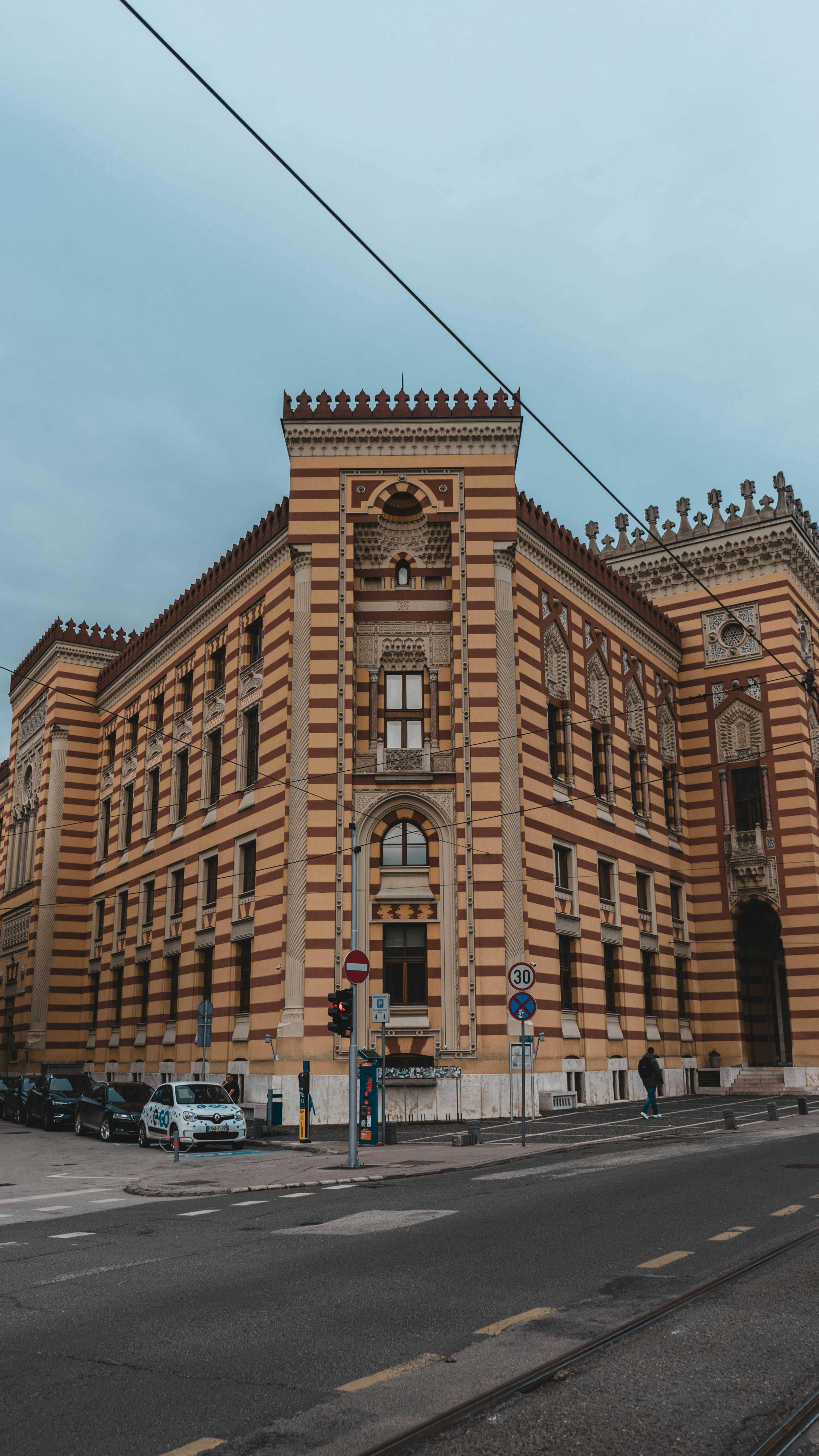
  • Sarajevo: The capital city is known for its cultural diversity and historical significance, including the Latin Bridge, near where Archduke Franz Ferdinand was assassinated.
  • Mehmed Paša Sokolović Bridge: This Ottoman-era bridge in Višegrad is another UNESCO World Heritage site, known for its architectural beauty.

Notable Figures

  • Ivo Andrić: A Nobel Prize-winning author whose works often reflect the history and culture of Bosnia and Herzegovina.
  • Alija Izetbegović: The first President of the Republic of Bosnia and Herzegovina, who played a significant role during the Bosnian War.

Bosnia and Herzegovina's history is marked by periods of conflict and coexistence, with a rich cultural heritage that continues to shape its identity today.