

Borno
· NG

Borno

Borno, Nigeria

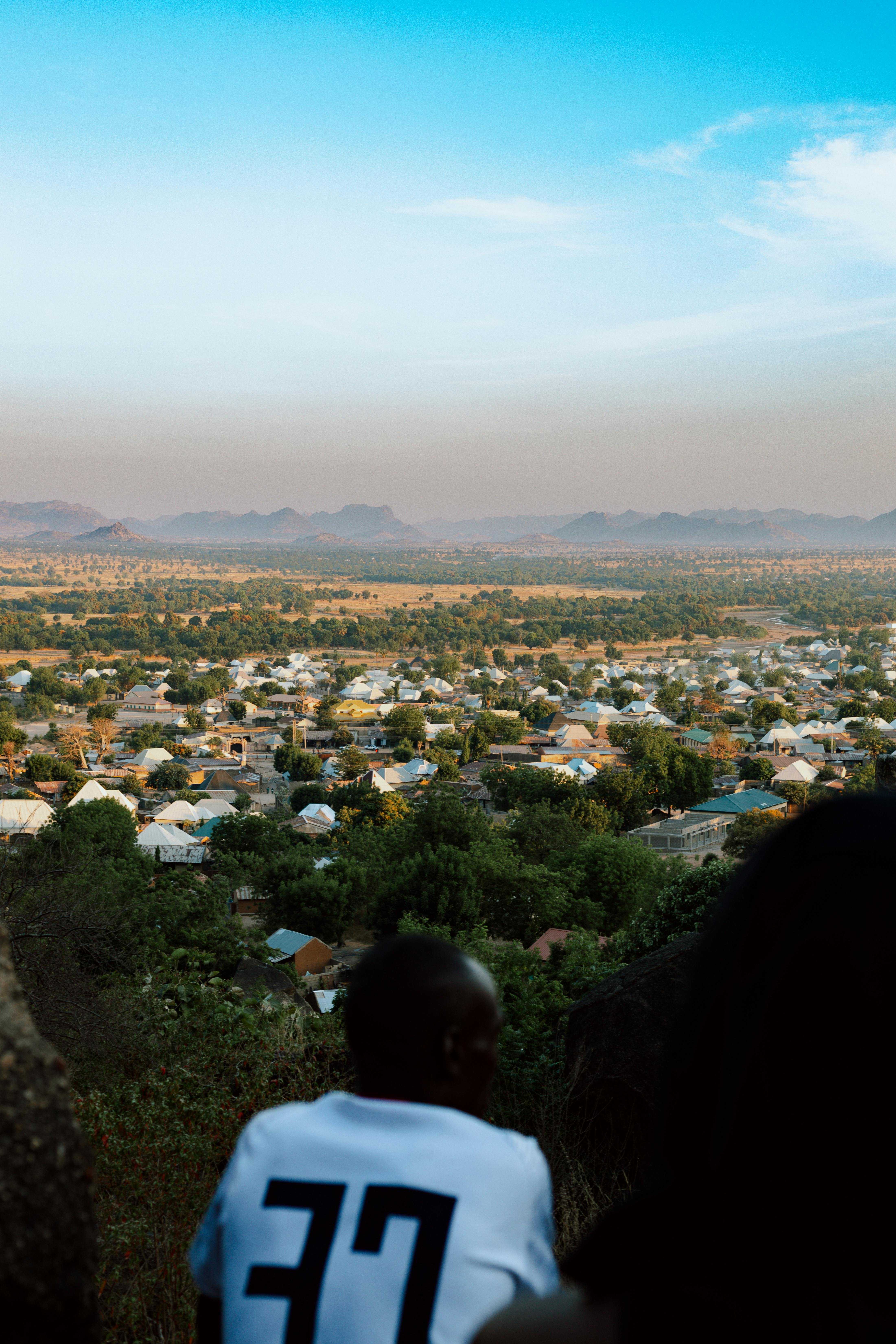
Discover the Resilient Spirit of Borno, Nigeria Borno State, nestled in the heart of Northeast Nigeria, offers a unique travel experience defined by resilience, rich history, and captivating natural beauty. While securit…

#Nigeria#West Africa#Borno State#Maiduguri#Savanna region
1/3

Top hotels & flights

Hand-picked stays and the best fares into Borno.

Top Hotels in Borno

Top Flights to Borno

Popular activities

Tours, tickets and experiences travelers book most in Borno.

Tours

Lake Chad

Visit the historic Lake Chad which is crucial for the local communities and wildlife.

Ramat Polytechnic Museum

Discover the educational exhibits and cultural history at the Ramat Polytechnic Museum.

Shopping

Maiduguri Monday Market

Experience the hustle and bustle of the largest market in Maiduguri.

Outdoor

Sambisa Forest Reserve

Explore the vast wilderness of Sambisa Forest, known for its diverse flora and fauna.

Location videos

Real reels from travelers, plus longer watches to get the full picture.

From travelers
Watch & explore

Practical info

The essentials for planning your time in Borno.

Currency
₦ | NGN | Nigerian Naira
Population
The approximate estimated total population of Borno, Nigeria, is 5.9 million.

Local guide

What travelers love, what to watch for, and a deeper read on Borno.

What people love

Traveling to Borno State in Nigeria can offer unique experiences, though it's important to note that the region has faced security challenges in recent years. However, here are some of the pros and attractions that might interest travelers:

  1. Cultural Heritage: Borno is home to the Kanuri people, who have a rich cultural heritage. The state is part of the historic Kanem-Bornu Empire, and visitors can learn about its history and cultural significance.

  2. Natural Attractions: Borno offers natural landscapes, including parts of the Chad Basin National Park. This area is known for its diverse wildlife and is a potential attraction for nature enthusiasts.

  3. Historical Sites: The city of Maiduguri, the capital of Borno, has historical sites and traditional architecture that reflect the region's past. Visitors interested in history may find exploring these areas worthwhile.

  4. Local Markets: Borno's local markets offer a chance to experience the daily life and commerce of the region, with unique local crafts and traditional goods available for purchase.

  5. Hospitality: Despite the challenges, the people of Borno are known for their hospitality and welcoming nature, which can provide a warm experience for travelers.

It's crucial to be aware of the current security situation when considering travel to Borno. The region has faced issues related to insurgency, and it is advised to check travel advisories and consult with local authorities to ensure safety.

If you're considering traveling to Borno, thorough research and careful planning are essential.

What to know

Traveling to Borno, located in northeastern Nigeria, comes with several risks and challenges due to the current security situation in the region. Here are some of the cons of traveling to Borno:

  1. Security Concerns: Borno state has been heavily affected by the activities of terrorist groups such as Boko Haram. The region has experienced frequent attacks, kidnappings, and other violent incidents. Travelers may be at risk of being caught in the crossfire or targeted by these extremist groups.

  2. Travel Restrictions: Due to the security risks, many areas in Borno are restricted or off-limits to travelers, including foreigners. This can severely limit the places you can visit and the experiences you can have while in the region.

  3. Limited Infrastructure: Borno state has limited infrastructure and access to basic services such as healthcare, accommodation, and transportation. Travelers may face challenges in finding suitable accommodations, reliable transportation, and medical facilities in case of emergencies.

  4. Political Instability: The region has a history of political instability and conflict, which can lead to sudden changes in the security situation. Travelers may find themselves in volatile environments where their safety cannot be guaranteed.

  5. Communications Challenges: Borno state may have limited access to reliable communication networks, including internet and mobile phone coverage. This can make it difficult to stay connected with loved ones or seek help in case of emergencies.

  6. Cultural Sensitivities: Borno is a culturally diverse region with a predominantly Muslim population. Travelers need to be aware of and respect local customs, traditions, and religious practices to avoid inadvertently causing offense.

In conclusion, traveling to Borno, Nigeria, poses significant risks and challenges, primarily due to the security situation in the region. It is essential to stay informed, exercise caution, and consider the potential dangers before planning a trip to this area.

If you have any more specific questions or need further assistance, feel free to ask.

Borno is a state located in northeastern Nigeria, with its capital in Maiduguri. It has a rich history that dates back several centuries, deeply intertwined with the history of the Kanem-Bornu Empire and the broader region of the Lake Chad Basin.

Historical Background

  • Kanem-Bornu Empire: The history of Borno is closely linked to the Kanem-Bornu Empire, one of the oldest and longest-lasting empires in Africa, which existed from around the 9th century until the early 20th century. The empire was initially centered in Kanem, in present-day Chad, and later expanded into what is now Borno State.

  • Mai Idris Alooma: One of the most notable rulers of the Kanem-Bornu Empire was Mai Idris Alooma (c. 1571–1603), who is celebrated for his military prowess and administrative reforms. He expanded the empire's territory and established diplomatic relations with the Ottoman Empire and other Islamic states.

  • Decline and Revival: The empire faced decline due to internal strife and external pressures but experienced a revival in the 19th century under the leadership of rulers such as Muhammad al-Kanemi, who resisted the Fulani Jihad and maintained the independence of Borno.

Colonial and Post-Colonial Era

  • British Colonial Rule: In the early 20th century, Borno came under British colonial rule following the defeat of the Sokoto Caliphate and subsequent agreements with local rulers. It became part of the Northern Nigeria Protectorate and later the Northern Region of Nigeria.

  • Post-Independence: After Nigeria gained independence in 1960, Borno became a part of the newly formed Nigerian state. The region experienced various administrative changes, eventually becoming Borno State in 1976.

Recent History

  • Boko Haram Insurgency: In recent decades, Borno has been severely affected by the Boko Haram insurgency, which began in the early 2000s. The group, known for its violent campaign against Western education and the Nigerian state, has caused significant humanitarian and security challenges in the region.

  • Humanitarian Crisis: The conflict has resulted in thousands of deaths and the displacement of millions of people, creating a humanitarian crisis in Borno and neighboring states.

Important Landmarks

  • Lake Chad: Though not located entirely within Borno, the state's proximity to Lake Chad is significant. The lake has historically been a vital resource for the people of Borno and served as a hub for trade and cultural exchange.

  • Maiduguri: The capital city of Borno, Maiduguri, is a major urban center and has been at the forefront of the region’s cultural and economic life. It is home to the University of Maiduguri and the Shehu's Palace, the traditional seat of the Borno Emirate.

  • Rabeh’s Fort: Located near Dikwa, this historical site is associated with Rabeh Zubair, a Sudanese warlord who briefly controlled Borno in the late 19th century before being defeated by French colonial forces.

Cultural Heritage

Borno is home to diverse ethnic groups, including the Kanuri, Shuwa Arabs, and several other smaller ethnic communities. The region's culture is heavily influenced by Islam, which has been a significant aspect of life in Borno for centuries.

The state's history is a testament to its resilience and strategic importance in the Lake Chad Basin, despite the challenges it has faced in recent years.