
Nigeria
· NG

Nigeria

Nigeria

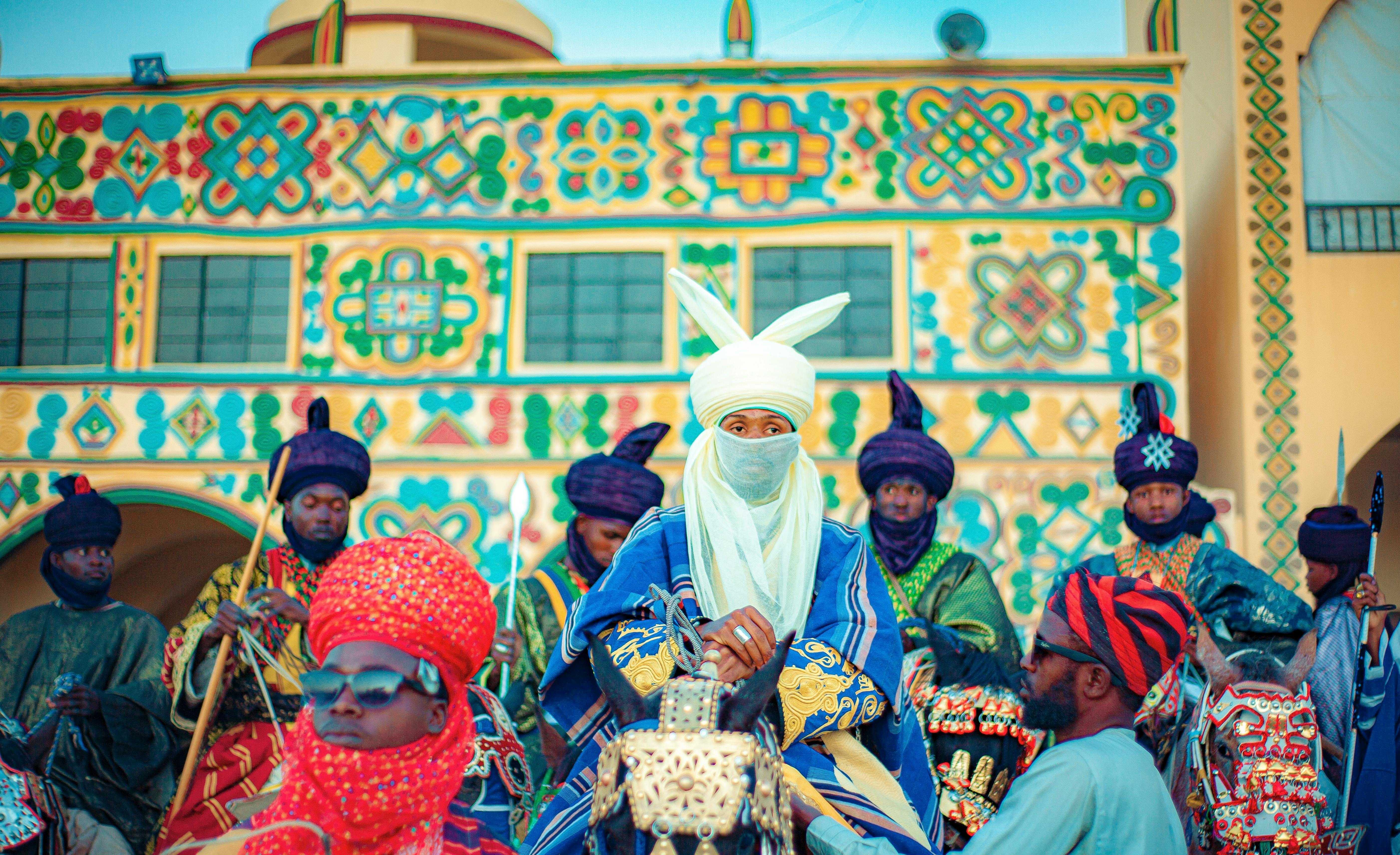
Nigeria, a vibrant nation located in West Africa, is a tapestry of cultures, languages, and landscapes. From the bustling megacity of Lagos, known for its music scene and entrepreneurial spirit, to the ancient city of Ka…

#West Africa#Lagos#Abuja#Nollywood#African culture
1/1

Top hotels & flights

Hand-picked stays and the best fares into Nigeria.

Top Hotels in Lagos

Top Flights to Lagos

Popular activities

Tours, tickets and experiences travelers book most in Nigeria.

Tours

Explore the Ancient Nok Terracotta Sculptures

Visit the National Museum in Lagos to see the famous Nok Terracotta Sculptures, which are among Africa's oldest and most exquisite sculptures.

Discover Zuma Rock

Visit the iconic Zuma Rock and learn about its unique history and spiritual significance.

Shopping

Shop at Jankara Market

Explore Jankara Market, one of the largest markets in Lagos, known for its variety of goods from fabrics to spices.

Outdoor

Olumo Rock Adventure

Hike to the top of Olumo Rock in Abeokuta for a panoramic view of the city.

Location videos

Real reels from travelers, plus longer watches to get the full picture.

From travelers
Watch & explore

Practical info

The essentials for planning your time in Nigeria.

Currency
₦ | NGN | Naira
Population
As of the latest estimates, the approximate total population of Nigeria is '223 million'.
Languages
English, English, Igbo, Yoruba, Hausa
Average weather
Nigeria
Jan
sun
32°21°
Feb
sun
34°22°
Mar
sun
34°23°
Apr
rain
33°23°
May
rain
31°23°
Jun
rain
29°22°
Jul
rain
28°22°
Aug
rain
28°22°
Sep
rain
29°22°
Oct
rain
31°22°
Nov
sun
32°22°
Dec
sun
32°21°

Local guide

What travelers love, what to watch for, and a deeper read on Nigeria.

What people love

Traveling to Nigeria offers a variety of unique experiences and attractions that can make it a memorable destination. Some pros of traveling to Nigeria include:

  1. Cultural Diversity: Nigeria is home to over 250 ethnic groups, each with its own language, traditions, and customs. This diversity provides visitors with an opportunity to immerse themselves in a rich tapestry of cultures.

  2. Natural Beauty: Nigeria boasts a diverse landscape that includes lush forests, beautiful beaches, and stunning waterfalls. Visitors can explore national parks, such as Yankari National Park or Cross River National Park, to see a wide range of wildlife and natural beauty.

  3. Vibrant Cities: Nigeria is home to bustling cities like Lagos, Abuja, and Port Harcourt, which offer a mix of modern amenities and traditional markets. Visitors can experience the vibrant street life, sample delicious Nigerian cuisine, and explore historical sites.

  4. Hospitality: Nigerians are known for their warmth and hospitality towards visitors. Travelers can expect to be welcomed with open arms and may even be invited to share a meal or join in a celebration.

  5. Rich History: Nigeria has a rich history that dates back thousands of years, with ancient civilizations like the Nok and Benin kingdoms leaving behind fascinating archaeological sites and artifacts. Visitors can learn about Nigeria's history by visiting museums and historical sites.

Overall, traveling to Nigeria can be a rewarding experience for those looking to explore a diverse culture, enjoy natural beauty, and interact with friendly locals.

What to know

Some potential cons of traveling to Nigeria include:

  1. Safety concerns: Nigeria has experienced security challenges in certain regions, including incidents of terrorism, armed robbery, and kidnapping. Travelers are advised to exercise caution and stay informed about the current security situation.

  2. Health risks: Nigeria has a high prevalence of diseases such as malaria, yellow fever, and other tropical illnesses. Travelers should take necessary precautions, such as getting vaccinations and taking antimalarial medication.

  3. Traffic congestion: Major cities in Nigeria, such as Lagos, experience heavy traffic congestion, which can cause delays and frustration for travelers.

  4. Corruption: Nigeria has a reputation for high levels of corruption, which can affect travelers in various ways, such as bribery demands or lack of transparency in dealings.

  5. Infrastructure challenges: Some parts of Nigeria may have limited access to basic services such as reliable electricity, clean water, and healthcare facilities. Travelers may need to adjust their expectations and be prepared for these challenges.

It's important for travelers to research thoroughly, stay informed, and take necessary precautions when planning a trip to Nigeria.

Nigeria is a country located in West Africa, known for its diverse cultures, languages, and history. Here's a detailed history of Nigeria, including significant events, historical figures, and important landmarks:

Pre-Colonial Era

  • Ancient Civilizations: Nigeria has been home to various ancient civilizations, including the Nok culture (around 1000 BC to 300 AD), known for its terracotta sculptures. Other significant pre-colonial societies included the Hausa city-states, the Yoruba kingdoms like Ile-Ife and Oyo, and the Benin Kingdom, renowned for its sophisticated art and governance.

  • Trade and Influence: The trans-Saharan trade routes facilitated the exchange of goods and ideas, introducing Islam to northern Nigeria by the 11th century. The influence of Islamic scholars and traders was significant in the region.

Colonial Era

  • British Colonization: In the late 19th century, Britain began its colonization of the region. By 1901, Nigeria became a British protectorate, and in 1914, the Northern and Southern Protectorates were merged to form the Colony and Protectorate of Nigeria.

  • Amalgamation: The amalgamation of 1914 was significant as it laid the foundation for modern Nigeria, bringing together diverse ethnic groups under one administration.

Post-Colonial Era

  • Independence: Nigeria gained independence from Britain on October 1, 1960. The first Prime Minister was Sir Abubakar Tafawa Balewa, and Dr. Nnamdi Azikiwe became the first President when Nigeria became a republic in 1963.

  • Civil War: In 1967, regional tensions led to the Nigerian Civil War (also known as the Biafran War), sparked by the secession of the southeastern region as the Republic of Biafra. The war lasted until 1970, resulting in significant humanitarian crises and loss of life.

Military and Democratic Rule

  • Military Coups: The 1970s and 1980s were marked by a series of military coups, with notable military rulers like General Yakubu Gowon, General Murtala Mohammed, and General Olusegun Obasanjo.

  • Return to Democracy: In 1999, Nigeria returned to democratic rule with the election of Olusegun Obasanjo as President. This marked the beginning of Nigeria's Fourth Republic.

Recent History

  • Economic Growth and Challenges: Nigeria is Africa's largest economy, largely due to its oil and natural gas resources. However, it faces challenges such as corruption, ethnic and religious tensions, and security issues, particularly with the rise of Boko Haram in the northeast.

  • Leadership: Notable recent leaders include Goodluck Jonathan (2010–2015) and Muhammadu Buhari (2015–2023), who tackled various economic and security challenges.

Significant Landmarks

  • Sukur Cultural Landscape: A UNESCO World Heritage Site located in Adamawa State, representing the cultural traditions of the Sukur people.

  • Zuma Rock: Located near Abuja, this iconic natural landmark is often referred to as the "Gateway to Abuja."

  • National Mosque and National Church: Located in Abuja, these symbolize Nigeria's religious diversity.

  • Ancient City of Benin: Known for its historical significance and the famous Benin Bronzes.

Cultural and Ethnic Diversity

  • Languages and Ethnic Groups: Nigeria is home to over 250 ethnic groups, with the largest being the Hausa-Fulani, Yoruba, and Igbo. English is the official language, but numerous indigenous languages are spoken throughout the country.

  • Festivals and Traditions: Nigeria is rich in cultural festivals, such as the Eyo Festival in Lagos, the Durbar Festival in the north, and the Osun-Osogbo Festival, celebrating the Yoruba goddess Osun.

Nigeria's history is a tapestry of cultural richness, colonial legacy, post-independence struggles, and ongoing efforts to build a unified nation amidst diversity.